Get a deeper look into your health.
Schedule online, results in a week
Clear guidance, follow-up care available
HSA/FSA Eligible
Metabolic Panel Explained: What Your Blood Test Means
A metabolic panel is one of the most commonly ordered lab tests and one of the most misunderstood.

Written by
Mito Health

A metabolic panel is one of the most commonly ordered lab tests and one of the most misunderstood.
Has your doctor ever ordered you to get your metabolic levels checked? A metabolic panel test result may seem simple, but it reveals how your body handles energy, fluids, and nutrients.
Your metabolism turns food into energy. It also helps control blood sugar and keeps different systems in balance. A metabolic blood test tracks these processes in real time. It often shows early signs of imbalance before symptoms appear.
Knowing your glucose levels, electrolytes, and kidney markers helps you make better health choices.
What Is a Metabolic Panel?
A metabolic panel is a group of blood tests that measures key chemicals in your bloodstream. These markers reflect how well your body regulates energy, hydration, and organ function. There are two main types:
Basic Metabolic Panel (BMP): The BMP includes eight core markers that assess glucose balance, kidney function, and electrolyte status.
Comprehensive Metabolic Panel (CMP): It includes all the BMP markers plus liver enzymes and proteins, giving a broader overview of your health.
What Does a Basic Metabolic Panel Measure?

A basic metabolic panel focuses on eight essential markers. Each one plays a role in your overall metabolic health.
1. Glucose Levels
Glucose is the body's main source of energy, and even mildly elevated levels over time can indicate metabolic dysfunction. The normal fasting glucose range is approximately 70 to 99 mg/dL.
High glucose levels may suggest insulin resistance or an increased risk of diabetes. Low glucose levels could indicate hypoglycemia, a condition that requires medical attention.
2. Sodium
Sodium helps regulate fluid balance and nerve function in the body. The normal sodium level range is about 135-145 mmol/L. High sodium levels usually mean dehydration or too much salt. Low levels can show problems, such as fluid imbalance or hormonal issues.
3. Potassium
Potassium supports muscle contractions and maintains heart rhythm. The normal potassium level in the body is about 3.5-5.0 mmol/L. High levels, known as hyperkalemia, can lead to serious heart problems and kidney issues. Low levels, or hypokalemia, can cause muscle weakness and an irregular heartbeat.
4. Chloride
Chloride works in conjunction with sodium to help maintain fluid balance in the body. The normal chloride level range is about 95, 105 mmol/L. High chloride levels may mean dehydration or a metabolic issue. Low levels can happen from vomiting or losing fluids.
5. Bicarbonate (CO₂)
Bicarbonate helps maintain the body's acid-base balance, with normal levels between 23-30 mmol/L. High bicarbonate levels can signal metabolic alkalosis, and low levels may point to metabolic acidosis.
6. Blood Urea Nitrogen (BUN)
Blood Urea Nitrogen (BUN) is a measure of the urea nitrogen in the blood, a waste product that the kidneys normally filter out. The normal range for BUN levels is approximately 8-21 mg/dL.
Elevated BUN levels may indicate conditions such as kidney dysfunction, dehydration, or high protein intake. In contrast, low levels are less common but could be related to liver disease or malnutrition.
7. Creatinine
Creatinine is an important indicator of kidney filtration efficiency, with a normal range typically between 0.5-1.1 mg/dL for women and 0.7-1.3 mg/dL for men. High creatinine levels may indicate impaired kidney function. Low levels often relate to reduced muscle mass.
8. Calcium
Calcium is essential for the health of bones, muscles, and nerve signaling. The normal range for calcium levels in the blood is approximately 8.6-10.2 mg/dL. High calcium levels can stem from hormonal issues or too much supplementation. Low levels might point to a vitamin D deficiency or gaps in your diet.
Beyond the Basic Panel: Comprehensive Metabolic Markers
A basic metabolic panel provides a snapshot, but it does not fully capture how your metabolism is functioning over time. Advanced markers can show early metabolic issues. They often relate to insulin sensitivity and long-term blood sugar control.
1. Fasting Insulin
Fasting insulin measures the amount of insulin your body produces after fasting. The optimal range for fasting insulin is approximately 2-6 µIU/mL. Levels outside this range, particularly high levels, may suggest insulin resistance, even if blood glucose levels are normal.
2. HbA1c
HbA1c, or Glycated Hemoglobin, is a test that reflects the average blood sugar levels over the past two to three months. The normal range for HbA1c is less than 5.7%. A result between 5.7% and 6.4% is considered elevated and falls within the prediabetes range, while a level of 6.5% or higher is indicative of diabetes.
3. Estimated Average Glucose (eAG)
EAG translates HbA1c levels into daily glucose averages, providing a clearer picture of a person's blood sugar management. The normal range for eAG is 70-100 mg/dL, indicating healthy glucose levels. High eAG levels show ongoing high blood sugar. This can lead to health concerns.
4. HOMA-IR (Insulin Resistance Score)
HOMA-IR is a score that estimates insulin resistance by using measurements of glucose and insulin levels. A score less than 1.0 indicates healthy insulin sensitivity, while scores between 1.0 and 1.9 suggest early resistance. A score of 2.0 or higher indicates insulin resistance, which can impair metabolic health.
5. Uric Acid
Uric acid is a waste product that is a byproduct of purine metabolism in the body. The normal range for uric acid levels is typically 2.4-6.0 mg/dL for women and 3.4-7.0 mg/dL for men. When levels exceed these thresholds, it can show an increased risk of metabolic syndrome and gout.
6. Ferritin
Ferritin indicates how much iron the body stores and the body's inflammatory level. Normal levels usually range from 30-300 ng/mL, but this can differ by sex. High levels can show inflammation or metabolic issues. Low levels usually mean iron deficiency.
Full Metabolic Panel Markers and Ranges
Marker | Normal Range | Low Levels May Indicate | High Levels May Indicate |
Glucose | 70, 99 mg/dL | Hypoglycemia, poor energy balance | Insulin resistance, diabetes risk |
Sodium | 135, 145 mmol/L | Fluid imbalance, adrenal issues | Dehydration, high salt intake |
Potassium | 3.5, 5.0 mmol/L | Muscle weakness, irregular heartbeat | Kidney issues, heart rhythm problems |
Chloride | 95, 105 mmol/L | Fluid loss, vomiting | Dehydration, metabolic imbalance |
Bicarbonate | 23, 30 mmol/L | Metabolic acidosis | Metabolic alkalosis |
BUN | 8, 21 mg/dL | Liver issues, low protein intake | Kidney stress, dehydration |
Creatinine | 0.5, 1.1 mg/dL (women) 0.7, 1.3 mg/dL (men) | Low muscle mass | Reduced kidney function |
Calcium | 8.6, 10.2 mg/dL | Vitamin D deficiency, low intake | Hormonal imbalance, excess intake |
Fasting Insulin | 2, 6 µIU/mL optimal range | Reduced insulin production | Insulin resistance |
HbA1c | <5.7% | Rare; possible hypoglycemia | Prediabetes, diabetes |
EAG | 70, 100 mg/dL | Low average glucose | Chronic high glucose |
HOMA-IR | <1.0 optimal range | High insulin sensitivity (generally favorable) | Insulin resistance |
Uric Acid | 2.4, 6.0 mg/dL (women) 3.4, 7.0 mg/dL (men) | Rare; possible liver or kidney issues | Metabolic syndrome, gout risk |
Ferritin | 30, 300 ng/mL | Iron deficiency | Inflammation, iron overload |
Understanding Your Metabolic Test Results
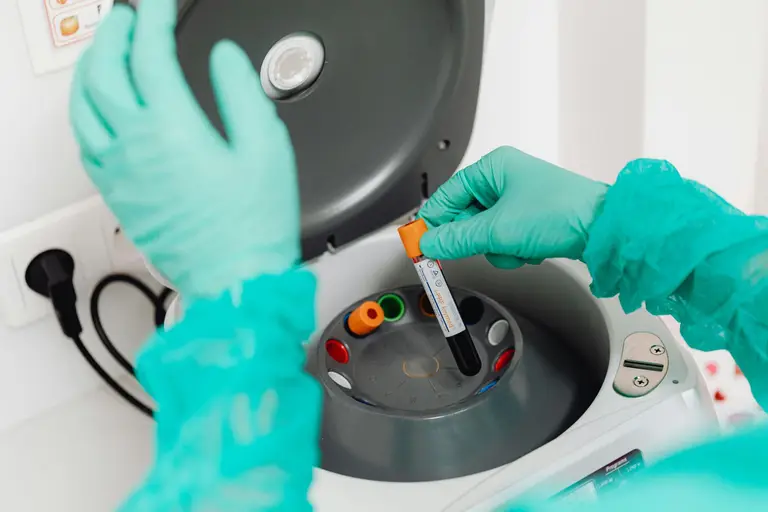
On your metabolic panel report, you’ll see if your results are in a “normal” range. But there’s an important distinction to understand: clinical ranges are not the same as optimal ranges.
Clinical Ranges
Clinical ranges are based on population averages. They represent the values within which most people fall, typically about 95% of the general population.
These ranges are useful for identifying clear abnormalities or aiding in the diagnosis of disease. However, they are intentionally broad and may include individuals with early or undiagnosed health conditions.
This means your blood test results can fall within the standard clinical ranges and still reflect early metabolic imbalance.
Optimal Ranges
Optimal ranges support preventive health by detecting small changes before they become serious conditions. These are narrower than clinical ranges and focus on better health outcomes. When tracking metabolism, optimal ranges often reveal more significant trends than standard reference ranges.
For example, your glucose levels may fall within the standard clinical range yet remain higher than what is considered metabolically ideal.
When to Seek Professional Guidance
Persistent high glucose levels
Elevated kidney markers
Signs of insulin resistance (high insulin or HOMA-IR)
Symptoms like fatigue, frequent urination, or unexplained weight changes
How to Support Healthy Metabolism

Nutrition
Nutrition should focus on balanced meals that include carbohydrates, protein, and healthy fats to slow digestion and stabilize glucose levels. Prioritize whole foods like vegetables, fruits, lean proteins, legumes, nuts, and seeds for essential nutrients and fiber.
Avoid refined carbohydrates and added sugars, which can spike blood sugar and may lead to insulin resistance. Including complex carbohydrates and distributing protein evenly throughout the day can enhance metabolic health and regulate appetite.
Physical Activity
Physical activity is vital for managing glucose and insulin levels. Strength training builds muscle, which uses more glucose even at rest, thereby aiding blood sugar regulation. Cardiovascular exercises like walking or cycling enhance heart health and insulin sensitivity. Consistent, moderate activity is more effective for maintaining metabolic function than sporadic intense workouts.
Sleep and Recovery
Sleep is crucial for hormone regulation that affects metabolism, particularly insulin and cortisol. Poor or insufficient sleep can elevate blood glucose levels and reduce insulin sensitivity, affecting glucose metabolism.
Aim for 7 to 9 hours of sleep each night and limit screen time before bed to improve sleep quality. Beyond sleep, managing stress is essential, as chronic stress can increase cortisol levels and contribute to metabolic imbalances.
Regular Metabolic Testing
Regular metabolic testing offers valuable insights into your health by allowing you to track trends over time rather than rely on a single test. Monitoring markers such as fasting insulin and HbA1c can detect issues earlier than a standard panel can. This proactive approach enables you to make targeted lifestyle adjustments and monitor your progress effectively.
Why a Metabolic Panel Matters for Your Metabolism
Your metabolism controls how your body uses energy, stores nutrients, and maintains balance. A metabolic test provides measurable insight into these processes, helping you identify early dysfunction. By tracking blood sugar, insulin levels, electrolyte balance, and kidney function, you can catch subtle changes before they become serious health issues.
Instead of focusing only on whether your results are “normal,” it’s more useful to ask whether they are optimal for long-term metabolic health. The earlier you detect changes, the easier it is to make lifestyle adjustments.
Take the Next Step with Mito Health
If you want a deeper understanding of your metabolism, Mito Health’s Core Panel goes beyond the standard metabolic blood test.
It includes advanced markers such as:
Glucose levels
HbA1c and eAG
Fasting insulin
HOMA-IR
Uric acid
Ferritin
By analyzing over 100 biomarkers, Mito Health helps you detect early metabolic changes and act before symptoms appear.
Frequently Asked Questions
What is a metabolic panel used for?
A metabolic panel is used to assess metabolism, kidney function, electrolyte balance, and glucose levels.
Is a basic metabolic panel enough?
It’s a good starting point, but it does not include insulin or long-term glucose markers.
What is the most important marker in a metabolic test?
Glucose levels are key, but insulin and HbA1c provide deeper insight.
Can I improve my metabolic panel results?
Lifestyle changes like diet, exercise, and sleep can positively influence your results over time.
Related Articles
Resources
Comprehensive Metabolic Panel - UF Health. (n.d.). https://ufhealth.org/conditions-and-treatments/comprehensive-metabolic-panel
Comprehensive Metabolic Panel | University Hospitals. (n.d.). https://www.uhhospitals.org/health-information/health-and-wellness-library/article/lab-tests-v1/comprehensive-metabolic-panel
Nursing, O. R. F., Ernstmeyer, K., & Christman, E. (2024). Appendix A, Normal reference ranges. Health Alterations - NCBI Bookshelf. https://www.ncbi.nlm.nih.gov/books/NBK613071/#appendixa.Metabolic_Panel
Medscape. (2024, April 20). Lab values, normal adult. https://emedicine.medscape.com/article/2172316-overview
Get a deeper look into your health.
Schedule online, results in a week
Clear guidance, follow-up care available
HSA/FSA Eligible

Comments
Get a deeper look into your health.
Schedule online, results in a week
Clear guidance, follow-up care available
HSA/FSA Eligible
Metabolic Panel Explained: What Your Blood Test Means
A metabolic panel is one of the most commonly ordered lab tests and one of the most misunderstood.

Written by
Mito Health

A metabolic panel is one of the most commonly ordered lab tests and one of the most misunderstood.
Has your doctor ever ordered you to get your metabolic levels checked? A metabolic panel test result may seem simple, but it reveals how your body handles energy, fluids, and nutrients.
Your metabolism turns food into energy. It also helps control blood sugar and keeps different systems in balance. A metabolic blood test tracks these processes in real time. It often shows early signs of imbalance before symptoms appear.
Knowing your glucose levels, electrolytes, and kidney markers helps you make better health choices.
What Is a Metabolic Panel?
A metabolic panel is a group of blood tests that measures key chemicals in your bloodstream. These markers reflect how well your body regulates energy, hydration, and organ function. There are two main types:
Basic Metabolic Panel (BMP): The BMP includes eight core markers that assess glucose balance, kidney function, and electrolyte status.
Comprehensive Metabolic Panel (CMP): It includes all the BMP markers plus liver enzymes and proteins, giving a broader overview of your health.
What Does a Basic Metabolic Panel Measure?

A basic metabolic panel focuses on eight essential markers. Each one plays a role in your overall metabolic health.
1. Glucose Levels
Glucose is the body's main source of energy, and even mildly elevated levels over time can indicate metabolic dysfunction. The normal fasting glucose range is approximately 70 to 99 mg/dL.
High glucose levels may suggest insulin resistance or an increased risk of diabetes. Low glucose levels could indicate hypoglycemia, a condition that requires medical attention.
2. Sodium
Sodium helps regulate fluid balance and nerve function in the body. The normal sodium level range is about 135-145 mmol/L. High sodium levels usually mean dehydration or too much salt. Low levels can show problems, such as fluid imbalance or hormonal issues.
3. Potassium
Potassium supports muscle contractions and maintains heart rhythm. The normal potassium level in the body is about 3.5-5.0 mmol/L. High levels, known as hyperkalemia, can lead to serious heart problems and kidney issues. Low levels, or hypokalemia, can cause muscle weakness and an irregular heartbeat.
4. Chloride
Chloride works in conjunction with sodium to help maintain fluid balance in the body. The normal chloride level range is about 95, 105 mmol/L. High chloride levels may mean dehydration or a metabolic issue. Low levels can happen from vomiting or losing fluids.
5. Bicarbonate (CO₂)
Bicarbonate helps maintain the body's acid-base balance, with normal levels between 23-30 mmol/L. High bicarbonate levels can signal metabolic alkalosis, and low levels may point to metabolic acidosis.
6. Blood Urea Nitrogen (BUN)
Blood Urea Nitrogen (BUN) is a measure of the urea nitrogen in the blood, a waste product that the kidneys normally filter out. The normal range for BUN levels is approximately 8-21 mg/dL.
Elevated BUN levels may indicate conditions such as kidney dysfunction, dehydration, or high protein intake. In contrast, low levels are less common but could be related to liver disease or malnutrition.
7. Creatinine
Creatinine is an important indicator of kidney filtration efficiency, with a normal range typically between 0.5-1.1 mg/dL for women and 0.7-1.3 mg/dL for men. High creatinine levels may indicate impaired kidney function. Low levels often relate to reduced muscle mass.
8. Calcium
Calcium is essential for the health of bones, muscles, and nerve signaling. The normal range for calcium levels in the blood is approximately 8.6-10.2 mg/dL. High calcium levels can stem from hormonal issues or too much supplementation. Low levels might point to a vitamin D deficiency or gaps in your diet.
Beyond the Basic Panel: Comprehensive Metabolic Markers
A basic metabolic panel provides a snapshot, but it does not fully capture how your metabolism is functioning over time. Advanced markers can show early metabolic issues. They often relate to insulin sensitivity and long-term blood sugar control.
1. Fasting Insulin
Fasting insulin measures the amount of insulin your body produces after fasting. The optimal range for fasting insulin is approximately 2-6 µIU/mL. Levels outside this range, particularly high levels, may suggest insulin resistance, even if blood glucose levels are normal.
2. HbA1c
HbA1c, or Glycated Hemoglobin, is a test that reflects the average blood sugar levels over the past two to three months. The normal range for HbA1c is less than 5.7%. A result between 5.7% and 6.4% is considered elevated and falls within the prediabetes range, while a level of 6.5% or higher is indicative of diabetes.
3. Estimated Average Glucose (eAG)
EAG translates HbA1c levels into daily glucose averages, providing a clearer picture of a person's blood sugar management. The normal range for eAG is 70-100 mg/dL, indicating healthy glucose levels. High eAG levels show ongoing high blood sugar. This can lead to health concerns.
4. HOMA-IR (Insulin Resistance Score)
HOMA-IR is a score that estimates insulin resistance by using measurements of glucose and insulin levels. A score less than 1.0 indicates healthy insulin sensitivity, while scores between 1.0 and 1.9 suggest early resistance. A score of 2.0 or higher indicates insulin resistance, which can impair metabolic health.
5. Uric Acid
Uric acid is a waste product that is a byproduct of purine metabolism in the body. The normal range for uric acid levels is typically 2.4-6.0 mg/dL for women and 3.4-7.0 mg/dL for men. When levels exceed these thresholds, it can show an increased risk of metabolic syndrome and gout.
6. Ferritin
Ferritin indicates how much iron the body stores and the body's inflammatory level. Normal levels usually range from 30-300 ng/mL, but this can differ by sex. High levels can show inflammation or metabolic issues. Low levels usually mean iron deficiency.
Full Metabolic Panel Markers and Ranges
Marker | Normal Range | Low Levels May Indicate | High Levels May Indicate |
Glucose | 70, 99 mg/dL | Hypoglycemia, poor energy balance | Insulin resistance, diabetes risk |
Sodium | 135, 145 mmol/L | Fluid imbalance, adrenal issues | Dehydration, high salt intake |
Potassium | 3.5, 5.0 mmol/L | Muscle weakness, irregular heartbeat | Kidney issues, heart rhythm problems |
Chloride | 95, 105 mmol/L | Fluid loss, vomiting | Dehydration, metabolic imbalance |
Bicarbonate | 23, 30 mmol/L | Metabolic acidosis | Metabolic alkalosis |
BUN | 8, 21 mg/dL | Liver issues, low protein intake | Kidney stress, dehydration |
Creatinine | 0.5, 1.1 mg/dL (women) 0.7, 1.3 mg/dL (men) | Low muscle mass | Reduced kidney function |
Calcium | 8.6, 10.2 mg/dL | Vitamin D deficiency, low intake | Hormonal imbalance, excess intake |
Fasting Insulin | 2, 6 µIU/mL optimal range | Reduced insulin production | Insulin resistance |
HbA1c | <5.7% | Rare; possible hypoglycemia | Prediabetes, diabetes |
EAG | 70, 100 mg/dL | Low average glucose | Chronic high glucose |
HOMA-IR | <1.0 optimal range | High insulin sensitivity (generally favorable) | Insulin resistance |
Uric Acid | 2.4, 6.0 mg/dL (women) 3.4, 7.0 mg/dL (men) | Rare; possible liver or kidney issues | Metabolic syndrome, gout risk |
Ferritin | 30, 300 ng/mL | Iron deficiency | Inflammation, iron overload |
Understanding Your Metabolic Test Results

On your metabolic panel report, you’ll see if your results are in a “normal” range. But there’s an important distinction to understand: clinical ranges are not the same as optimal ranges.
Clinical Ranges
Clinical ranges are based on population averages. They represent the values within which most people fall, typically about 95% of the general population.
These ranges are useful for identifying clear abnormalities or aiding in the diagnosis of disease. However, they are intentionally broad and may include individuals with early or undiagnosed health conditions.
This means your blood test results can fall within the standard clinical ranges and still reflect early metabolic imbalance.
Optimal Ranges
Optimal ranges support preventive health by detecting small changes before they become serious conditions. These are narrower than clinical ranges and focus on better health outcomes. When tracking metabolism, optimal ranges often reveal more significant trends than standard reference ranges.
For example, your glucose levels may fall within the standard clinical range yet remain higher than what is considered metabolically ideal.
When to Seek Professional Guidance
Persistent high glucose levels
Elevated kidney markers
Signs of insulin resistance (high insulin or HOMA-IR)
Symptoms like fatigue, frequent urination, or unexplained weight changes
How to Support Healthy Metabolism

Nutrition
Nutrition should focus on balanced meals that include carbohydrates, protein, and healthy fats to slow digestion and stabilize glucose levels. Prioritize whole foods like vegetables, fruits, lean proteins, legumes, nuts, and seeds for essential nutrients and fiber.
Avoid refined carbohydrates and added sugars, which can spike blood sugar and may lead to insulin resistance. Including complex carbohydrates and distributing protein evenly throughout the day can enhance metabolic health and regulate appetite.
Physical Activity
Physical activity is vital for managing glucose and insulin levels. Strength training builds muscle, which uses more glucose even at rest, thereby aiding blood sugar regulation. Cardiovascular exercises like walking or cycling enhance heart health and insulin sensitivity. Consistent, moderate activity is more effective for maintaining metabolic function than sporadic intense workouts.
Sleep and Recovery
Sleep is crucial for hormone regulation that affects metabolism, particularly insulin and cortisol. Poor or insufficient sleep can elevate blood glucose levels and reduce insulin sensitivity, affecting glucose metabolism.
Aim for 7 to 9 hours of sleep each night and limit screen time before bed to improve sleep quality. Beyond sleep, managing stress is essential, as chronic stress can increase cortisol levels and contribute to metabolic imbalances.
Regular Metabolic Testing
Regular metabolic testing offers valuable insights into your health by allowing you to track trends over time rather than rely on a single test. Monitoring markers such as fasting insulin and HbA1c can detect issues earlier than a standard panel can. This proactive approach enables you to make targeted lifestyle adjustments and monitor your progress effectively.
Why a Metabolic Panel Matters for Your Metabolism
Your metabolism controls how your body uses energy, stores nutrients, and maintains balance. A metabolic test provides measurable insight into these processes, helping you identify early dysfunction. By tracking blood sugar, insulin levels, electrolyte balance, and kidney function, you can catch subtle changes before they become serious health issues.
Instead of focusing only on whether your results are “normal,” it’s more useful to ask whether they are optimal for long-term metabolic health. The earlier you detect changes, the easier it is to make lifestyle adjustments.
Take the Next Step with Mito Health
If you want a deeper understanding of your metabolism, Mito Health’s Core Panel goes beyond the standard metabolic blood test.
It includes advanced markers such as:
Glucose levels
HbA1c and eAG
Fasting insulin
HOMA-IR
Uric acid
Ferritin
By analyzing over 100 biomarkers, Mito Health helps you detect early metabolic changes and act before symptoms appear.
Frequently Asked Questions
What is a metabolic panel used for?
A metabolic panel is used to assess metabolism, kidney function, electrolyte balance, and glucose levels.
Is a basic metabolic panel enough?
It’s a good starting point, but it does not include insulin or long-term glucose markers.
What is the most important marker in a metabolic test?
Glucose levels are key, but insulin and HbA1c provide deeper insight.
Can I improve my metabolic panel results?
Lifestyle changes like diet, exercise, and sleep can positively influence your results over time.
Related Articles
Resources
Comprehensive Metabolic Panel - UF Health. (n.d.). https://ufhealth.org/conditions-and-treatments/comprehensive-metabolic-panel
Comprehensive Metabolic Panel | University Hospitals. (n.d.). https://www.uhhospitals.org/health-information/health-and-wellness-library/article/lab-tests-v1/comprehensive-metabolic-panel
Nursing, O. R. F., Ernstmeyer, K., & Christman, E. (2024). Appendix A, Normal reference ranges. Health Alterations - NCBI Bookshelf. https://www.ncbi.nlm.nih.gov/books/NBK613071/#appendixa.Metabolic_Panel
Medscape. (2024, April 20). Lab values, normal adult. https://emedicine.medscape.com/article/2172316-overview
Get a deeper look into your health.
Schedule online, results in a week
Clear guidance, follow-up care available
HSA/FSA Eligible

Comments
Metabolic Panel Explained: What Your Blood Test Means
A metabolic panel is one of the most commonly ordered lab tests and one of the most misunderstood.

Written by
Mito Health

A metabolic panel is one of the most commonly ordered lab tests and one of the most misunderstood.
Has your doctor ever ordered you to get your metabolic levels checked? A metabolic panel test result may seem simple, but it reveals how your body handles energy, fluids, and nutrients.
Your metabolism turns food into energy. It also helps control blood sugar and keeps different systems in balance. A metabolic blood test tracks these processes in real time. It often shows early signs of imbalance before symptoms appear.
Knowing your glucose levels, electrolytes, and kidney markers helps you make better health choices.
What Is a Metabolic Panel?
A metabolic panel is a group of blood tests that measures key chemicals in your bloodstream. These markers reflect how well your body regulates energy, hydration, and organ function. There are two main types:
Basic Metabolic Panel (BMP): The BMP includes eight core markers that assess glucose balance, kidney function, and electrolyte status.
Comprehensive Metabolic Panel (CMP): It includes all the BMP markers plus liver enzymes and proteins, giving a broader overview of your health.
What Does a Basic Metabolic Panel Measure?

A basic metabolic panel focuses on eight essential markers. Each one plays a role in your overall metabolic health.
1. Glucose Levels
Glucose is the body's main source of energy, and even mildly elevated levels over time can indicate metabolic dysfunction. The normal fasting glucose range is approximately 70 to 99 mg/dL.
High glucose levels may suggest insulin resistance or an increased risk of diabetes. Low glucose levels could indicate hypoglycemia, a condition that requires medical attention.
2. Sodium
Sodium helps regulate fluid balance and nerve function in the body. The normal sodium level range is about 135-145 mmol/L. High sodium levels usually mean dehydration or too much salt. Low levels can show problems, such as fluid imbalance or hormonal issues.
3. Potassium
Potassium supports muscle contractions and maintains heart rhythm. The normal potassium level in the body is about 3.5-5.0 mmol/L. High levels, known as hyperkalemia, can lead to serious heart problems and kidney issues. Low levels, or hypokalemia, can cause muscle weakness and an irregular heartbeat.
4. Chloride
Chloride works in conjunction with sodium to help maintain fluid balance in the body. The normal chloride level range is about 95, 105 mmol/L. High chloride levels may mean dehydration or a metabolic issue. Low levels can happen from vomiting or losing fluids.
5. Bicarbonate (CO₂)
Bicarbonate helps maintain the body's acid-base balance, with normal levels between 23-30 mmol/L. High bicarbonate levels can signal metabolic alkalosis, and low levels may point to metabolic acidosis.
6. Blood Urea Nitrogen (BUN)
Blood Urea Nitrogen (BUN) is a measure of the urea nitrogen in the blood, a waste product that the kidneys normally filter out. The normal range for BUN levels is approximately 8-21 mg/dL.
Elevated BUN levels may indicate conditions such as kidney dysfunction, dehydration, or high protein intake. In contrast, low levels are less common but could be related to liver disease or malnutrition.
7. Creatinine
Creatinine is an important indicator of kidney filtration efficiency, with a normal range typically between 0.5-1.1 mg/dL for women and 0.7-1.3 mg/dL for men. High creatinine levels may indicate impaired kidney function. Low levels often relate to reduced muscle mass.
8. Calcium
Calcium is essential for the health of bones, muscles, and nerve signaling. The normal range for calcium levels in the blood is approximately 8.6-10.2 mg/dL. High calcium levels can stem from hormonal issues or too much supplementation. Low levels might point to a vitamin D deficiency or gaps in your diet.
Beyond the Basic Panel: Comprehensive Metabolic Markers
A basic metabolic panel provides a snapshot, but it does not fully capture how your metabolism is functioning over time. Advanced markers can show early metabolic issues. They often relate to insulin sensitivity and long-term blood sugar control.
1. Fasting Insulin
Fasting insulin measures the amount of insulin your body produces after fasting. The optimal range for fasting insulin is approximately 2-6 µIU/mL. Levels outside this range, particularly high levels, may suggest insulin resistance, even if blood glucose levels are normal.
2. HbA1c
HbA1c, or Glycated Hemoglobin, is a test that reflects the average blood sugar levels over the past two to three months. The normal range for HbA1c is less than 5.7%. A result between 5.7% and 6.4% is considered elevated and falls within the prediabetes range, while a level of 6.5% or higher is indicative of diabetes.
3. Estimated Average Glucose (eAG)
EAG translates HbA1c levels into daily glucose averages, providing a clearer picture of a person's blood sugar management. The normal range for eAG is 70-100 mg/dL, indicating healthy glucose levels. High eAG levels show ongoing high blood sugar. This can lead to health concerns.
4. HOMA-IR (Insulin Resistance Score)
HOMA-IR is a score that estimates insulin resistance by using measurements of glucose and insulin levels. A score less than 1.0 indicates healthy insulin sensitivity, while scores between 1.0 and 1.9 suggest early resistance. A score of 2.0 or higher indicates insulin resistance, which can impair metabolic health.
5. Uric Acid
Uric acid is a waste product that is a byproduct of purine metabolism in the body. The normal range for uric acid levels is typically 2.4-6.0 mg/dL for women and 3.4-7.0 mg/dL for men. When levels exceed these thresholds, it can show an increased risk of metabolic syndrome and gout.
6. Ferritin
Ferritin indicates how much iron the body stores and the body's inflammatory level. Normal levels usually range from 30-300 ng/mL, but this can differ by sex. High levels can show inflammation or metabolic issues. Low levels usually mean iron deficiency.
Full Metabolic Panel Markers and Ranges
Marker | Normal Range | Low Levels May Indicate | High Levels May Indicate |
Glucose | 70, 99 mg/dL | Hypoglycemia, poor energy balance | Insulin resistance, diabetes risk |
Sodium | 135, 145 mmol/L | Fluid imbalance, adrenal issues | Dehydration, high salt intake |
Potassium | 3.5, 5.0 mmol/L | Muscle weakness, irregular heartbeat | Kidney issues, heart rhythm problems |
Chloride | 95, 105 mmol/L | Fluid loss, vomiting | Dehydration, metabolic imbalance |
Bicarbonate | 23, 30 mmol/L | Metabolic acidosis | Metabolic alkalosis |
BUN | 8, 21 mg/dL | Liver issues, low protein intake | Kidney stress, dehydration |
Creatinine | 0.5, 1.1 mg/dL (women) 0.7, 1.3 mg/dL (men) | Low muscle mass | Reduced kidney function |
Calcium | 8.6, 10.2 mg/dL | Vitamin D deficiency, low intake | Hormonal imbalance, excess intake |
Fasting Insulin | 2, 6 µIU/mL optimal range | Reduced insulin production | Insulin resistance |
HbA1c | <5.7% | Rare; possible hypoglycemia | Prediabetes, diabetes |
EAG | 70, 100 mg/dL | Low average glucose | Chronic high glucose |
HOMA-IR | <1.0 optimal range | High insulin sensitivity (generally favorable) | Insulin resistance |
Uric Acid | 2.4, 6.0 mg/dL (women) 3.4, 7.0 mg/dL (men) | Rare; possible liver or kidney issues | Metabolic syndrome, gout risk |
Ferritin | 30, 300 ng/mL | Iron deficiency | Inflammation, iron overload |
Understanding Your Metabolic Test Results

On your metabolic panel report, you’ll see if your results are in a “normal” range. But there’s an important distinction to understand: clinical ranges are not the same as optimal ranges.
Clinical Ranges
Clinical ranges are based on population averages. They represent the values within which most people fall, typically about 95% of the general population.
These ranges are useful for identifying clear abnormalities or aiding in the diagnosis of disease. However, they are intentionally broad and may include individuals with early or undiagnosed health conditions.
This means your blood test results can fall within the standard clinical ranges and still reflect early metabolic imbalance.
Optimal Ranges
Optimal ranges support preventive health by detecting small changes before they become serious conditions. These are narrower than clinical ranges and focus on better health outcomes. When tracking metabolism, optimal ranges often reveal more significant trends than standard reference ranges.
For example, your glucose levels may fall within the standard clinical range yet remain higher than what is considered metabolically ideal.
When to Seek Professional Guidance
Persistent high glucose levels
Elevated kidney markers
Signs of insulin resistance (high insulin or HOMA-IR)
Symptoms like fatigue, frequent urination, or unexplained weight changes
How to Support Healthy Metabolism

Nutrition
Nutrition should focus on balanced meals that include carbohydrates, protein, and healthy fats to slow digestion and stabilize glucose levels. Prioritize whole foods like vegetables, fruits, lean proteins, legumes, nuts, and seeds for essential nutrients and fiber.
Avoid refined carbohydrates and added sugars, which can spike blood sugar and may lead to insulin resistance. Including complex carbohydrates and distributing protein evenly throughout the day can enhance metabolic health and regulate appetite.
Physical Activity
Physical activity is vital for managing glucose and insulin levels. Strength training builds muscle, which uses more glucose even at rest, thereby aiding blood sugar regulation. Cardiovascular exercises like walking or cycling enhance heart health and insulin sensitivity. Consistent, moderate activity is more effective for maintaining metabolic function than sporadic intense workouts.
Sleep and Recovery
Sleep is crucial for hormone regulation that affects metabolism, particularly insulin and cortisol. Poor or insufficient sleep can elevate blood glucose levels and reduce insulin sensitivity, affecting glucose metabolism.
Aim for 7 to 9 hours of sleep each night and limit screen time before bed to improve sleep quality. Beyond sleep, managing stress is essential, as chronic stress can increase cortisol levels and contribute to metabolic imbalances.
Regular Metabolic Testing
Regular metabolic testing offers valuable insights into your health by allowing you to track trends over time rather than rely on a single test. Monitoring markers such as fasting insulin and HbA1c can detect issues earlier than a standard panel can. This proactive approach enables you to make targeted lifestyle adjustments and monitor your progress effectively.
Why a Metabolic Panel Matters for Your Metabolism
Your metabolism controls how your body uses energy, stores nutrients, and maintains balance. A metabolic test provides measurable insight into these processes, helping you identify early dysfunction. By tracking blood sugar, insulin levels, electrolyte balance, and kidney function, you can catch subtle changes before they become serious health issues.
Instead of focusing only on whether your results are “normal,” it’s more useful to ask whether they are optimal for long-term metabolic health. The earlier you detect changes, the easier it is to make lifestyle adjustments.
Take the Next Step with Mito Health
If you want a deeper understanding of your metabolism, Mito Health’s Core Panel goes beyond the standard metabolic blood test.
It includes advanced markers such as:
Glucose levels
HbA1c and eAG
Fasting insulin
HOMA-IR
Uric acid
Ferritin
By analyzing over 100 biomarkers, Mito Health helps you detect early metabolic changes and act before symptoms appear.
Frequently Asked Questions
What is a metabolic panel used for?
A metabolic panel is used to assess metabolism, kidney function, electrolyte balance, and glucose levels.
Is a basic metabolic panel enough?
It’s a good starting point, but it does not include insulin or long-term glucose markers.
What is the most important marker in a metabolic test?
Glucose levels are key, but insulin and HbA1c provide deeper insight.
Can I improve my metabolic panel results?
Lifestyle changes like diet, exercise, and sleep can positively influence your results over time.
Related Articles
Resources
Comprehensive Metabolic Panel - UF Health. (n.d.). https://ufhealth.org/conditions-and-treatments/comprehensive-metabolic-panel
Comprehensive Metabolic Panel | University Hospitals. (n.d.). https://www.uhhospitals.org/health-information/health-and-wellness-library/article/lab-tests-v1/comprehensive-metabolic-panel
Nursing, O. R. F., Ernstmeyer, K., & Christman, E. (2024). Appendix A, Normal reference ranges. Health Alterations - NCBI Bookshelf. https://www.ncbi.nlm.nih.gov/books/NBK613071/#appendixa.Metabolic_Panel
Medscape. (2024, April 20). Lab values, normal adult. https://emedicine.medscape.com/article/2172316-overview
Get a deeper look into your health.
Schedule online, results in a week
Clear guidance, follow-up care available
HSA/FSA Eligible

Comments
Metabolic Panel Explained: What Your Blood Test Means
A metabolic panel is one of the most commonly ordered lab tests and one of the most misunderstood.

Written by
Mito Health

A metabolic panel is one of the most commonly ordered lab tests and one of the most misunderstood.
Has your doctor ever ordered you to get your metabolic levels checked? A metabolic panel test result may seem simple, but it reveals how your body handles energy, fluids, and nutrients.
Your metabolism turns food into energy. It also helps control blood sugar and keeps different systems in balance. A metabolic blood test tracks these processes in real time. It often shows early signs of imbalance before symptoms appear.
Knowing your glucose levels, electrolytes, and kidney markers helps you make better health choices.
What Is a Metabolic Panel?
A metabolic panel is a group of blood tests that measures key chemicals in your bloodstream. These markers reflect how well your body regulates energy, hydration, and organ function. There are two main types:
Basic Metabolic Panel (BMP): The BMP includes eight core markers that assess glucose balance, kidney function, and electrolyte status.
Comprehensive Metabolic Panel (CMP): It includes all the BMP markers plus liver enzymes and proteins, giving a broader overview of your health.
What Does a Basic Metabolic Panel Measure?

A basic metabolic panel focuses on eight essential markers. Each one plays a role in your overall metabolic health.
1. Glucose Levels
Glucose is the body's main source of energy, and even mildly elevated levels over time can indicate metabolic dysfunction. The normal fasting glucose range is approximately 70 to 99 mg/dL.
High glucose levels may suggest insulin resistance or an increased risk of diabetes. Low glucose levels could indicate hypoglycemia, a condition that requires medical attention.
2. Sodium
Sodium helps regulate fluid balance and nerve function in the body. The normal sodium level range is about 135-145 mmol/L. High sodium levels usually mean dehydration or too much salt. Low levels can show problems, such as fluid imbalance or hormonal issues.
3. Potassium
Potassium supports muscle contractions and maintains heart rhythm. The normal potassium level in the body is about 3.5-5.0 mmol/L. High levels, known as hyperkalemia, can lead to serious heart problems and kidney issues. Low levels, or hypokalemia, can cause muscle weakness and an irregular heartbeat.
4. Chloride
Chloride works in conjunction with sodium to help maintain fluid balance in the body. The normal chloride level range is about 95, 105 mmol/L. High chloride levels may mean dehydration or a metabolic issue. Low levels can happen from vomiting or losing fluids.
5. Bicarbonate (CO₂)
Bicarbonate helps maintain the body's acid-base balance, with normal levels between 23-30 mmol/L. High bicarbonate levels can signal metabolic alkalosis, and low levels may point to metabolic acidosis.
6. Blood Urea Nitrogen (BUN)
Blood Urea Nitrogen (BUN) is a measure of the urea nitrogen in the blood, a waste product that the kidneys normally filter out. The normal range for BUN levels is approximately 8-21 mg/dL.
Elevated BUN levels may indicate conditions such as kidney dysfunction, dehydration, or high protein intake. In contrast, low levels are less common but could be related to liver disease or malnutrition.
7. Creatinine
Creatinine is an important indicator of kidney filtration efficiency, with a normal range typically between 0.5-1.1 mg/dL for women and 0.7-1.3 mg/dL for men. High creatinine levels may indicate impaired kidney function. Low levels often relate to reduced muscle mass.
8. Calcium
Calcium is essential for the health of bones, muscles, and nerve signaling. The normal range for calcium levels in the blood is approximately 8.6-10.2 mg/dL. High calcium levels can stem from hormonal issues or too much supplementation. Low levels might point to a vitamin D deficiency or gaps in your diet.
Beyond the Basic Panel: Comprehensive Metabolic Markers
A basic metabolic panel provides a snapshot, but it does not fully capture how your metabolism is functioning over time. Advanced markers can show early metabolic issues. They often relate to insulin sensitivity and long-term blood sugar control.
1. Fasting Insulin
Fasting insulin measures the amount of insulin your body produces after fasting. The optimal range for fasting insulin is approximately 2-6 µIU/mL. Levels outside this range, particularly high levels, may suggest insulin resistance, even if blood glucose levels are normal.
2. HbA1c
HbA1c, or Glycated Hemoglobin, is a test that reflects the average blood sugar levels over the past two to three months. The normal range for HbA1c is less than 5.7%. A result between 5.7% and 6.4% is considered elevated and falls within the prediabetes range, while a level of 6.5% or higher is indicative of diabetes.
3. Estimated Average Glucose (eAG)
EAG translates HbA1c levels into daily glucose averages, providing a clearer picture of a person's blood sugar management. The normal range for eAG is 70-100 mg/dL, indicating healthy glucose levels. High eAG levels show ongoing high blood sugar. This can lead to health concerns.
4. HOMA-IR (Insulin Resistance Score)
HOMA-IR is a score that estimates insulin resistance by using measurements of glucose and insulin levels. A score less than 1.0 indicates healthy insulin sensitivity, while scores between 1.0 and 1.9 suggest early resistance. A score of 2.0 or higher indicates insulin resistance, which can impair metabolic health.
5. Uric Acid
Uric acid is a waste product that is a byproduct of purine metabolism in the body. The normal range for uric acid levels is typically 2.4-6.0 mg/dL for women and 3.4-7.0 mg/dL for men. When levels exceed these thresholds, it can show an increased risk of metabolic syndrome and gout.
6. Ferritin
Ferritin indicates how much iron the body stores and the body's inflammatory level. Normal levels usually range from 30-300 ng/mL, but this can differ by sex. High levels can show inflammation or metabolic issues. Low levels usually mean iron deficiency.
Full Metabolic Panel Markers and Ranges
Marker | Normal Range | Low Levels May Indicate | High Levels May Indicate |
Glucose | 70, 99 mg/dL | Hypoglycemia, poor energy balance | Insulin resistance, diabetes risk |
Sodium | 135, 145 mmol/L | Fluid imbalance, adrenal issues | Dehydration, high salt intake |
Potassium | 3.5, 5.0 mmol/L | Muscle weakness, irregular heartbeat | Kidney issues, heart rhythm problems |
Chloride | 95, 105 mmol/L | Fluid loss, vomiting | Dehydration, metabolic imbalance |
Bicarbonate | 23, 30 mmol/L | Metabolic acidosis | Metabolic alkalosis |
BUN | 8, 21 mg/dL | Liver issues, low protein intake | Kidney stress, dehydration |
Creatinine | 0.5, 1.1 mg/dL (women) 0.7, 1.3 mg/dL (men) | Low muscle mass | Reduced kidney function |
Calcium | 8.6, 10.2 mg/dL | Vitamin D deficiency, low intake | Hormonal imbalance, excess intake |
Fasting Insulin | 2, 6 µIU/mL optimal range | Reduced insulin production | Insulin resistance |
HbA1c | <5.7% | Rare; possible hypoglycemia | Prediabetes, diabetes |
EAG | 70, 100 mg/dL | Low average glucose | Chronic high glucose |
HOMA-IR | <1.0 optimal range | High insulin sensitivity (generally favorable) | Insulin resistance |
Uric Acid | 2.4, 6.0 mg/dL (women) 3.4, 7.0 mg/dL (men) | Rare; possible liver or kidney issues | Metabolic syndrome, gout risk |
Ferritin | 30, 300 ng/mL | Iron deficiency | Inflammation, iron overload |
Understanding Your Metabolic Test Results

On your metabolic panel report, you’ll see if your results are in a “normal” range. But there’s an important distinction to understand: clinical ranges are not the same as optimal ranges.
Clinical Ranges
Clinical ranges are based on population averages. They represent the values within which most people fall, typically about 95% of the general population.
These ranges are useful for identifying clear abnormalities or aiding in the diagnosis of disease. However, they are intentionally broad and may include individuals with early or undiagnosed health conditions.
This means your blood test results can fall within the standard clinical ranges and still reflect early metabolic imbalance.
Optimal Ranges
Optimal ranges support preventive health by detecting small changes before they become serious conditions. These are narrower than clinical ranges and focus on better health outcomes. When tracking metabolism, optimal ranges often reveal more significant trends than standard reference ranges.
For example, your glucose levels may fall within the standard clinical range yet remain higher than what is considered metabolically ideal.
When to Seek Professional Guidance
Persistent high glucose levels
Elevated kidney markers
Signs of insulin resistance (high insulin or HOMA-IR)
Symptoms like fatigue, frequent urination, or unexplained weight changes
How to Support Healthy Metabolism

Nutrition
Nutrition should focus on balanced meals that include carbohydrates, protein, and healthy fats to slow digestion and stabilize glucose levels. Prioritize whole foods like vegetables, fruits, lean proteins, legumes, nuts, and seeds for essential nutrients and fiber.
Avoid refined carbohydrates and added sugars, which can spike blood sugar and may lead to insulin resistance. Including complex carbohydrates and distributing protein evenly throughout the day can enhance metabolic health and regulate appetite.
Physical Activity
Physical activity is vital for managing glucose and insulin levels. Strength training builds muscle, which uses more glucose even at rest, thereby aiding blood sugar regulation. Cardiovascular exercises like walking or cycling enhance heart health and insulin sensitivity. Consistent, moderate activity is more effective for maintaining metabolic function than sporadic intense workouts.
Sleep and Recovery
Sleep is crucial for hormone regulation that affects metabolism, particularly insulin and cortisol. Poor or insufficient sleep can elevate blood glucose levels and reduce insulin sensitivity, affecting glucose metabolism.
Aim for 7 to 9 hours of sleep each night and limit screen time before bed to improve sleep quality. Beyond sleep, managing stress is essential, as chronic stress can increase cortisol levels and contribute to metabolic imbalances.
Regular Metabolic Testing
Regular metabolic testing offers valuable insights into your health by allowing you to track trends over time rather than rely on a single test. Monitoring markers such as fasting insulin and HbA1c can detect issues earlier than a standard panel can. This proactive approach enables you to make targeted lifestyle adjustments and monitor your progress effectively.
Why a Metabolic Panel Matters for Your Metabolism
Your metabolism controls how your body uses energy, stores nutrients, and maintains balance. A metabolic test provides measurable insight into these processes, helping you identify early dysfunction. By tracking blood sugar, insulin levels, electrolyte balance, and kidney function, you can catch subtle changes before they become serious health issues.
Instead of focusing only on whether your results are “normal,” it’s more useful to ask whether they are optimal for long-term metabolic health. The earlier you detect changes, the easier it is to make lifestyle adjustments.
Take the Next Step with Mito Health
If you want a deeper understanding of your metabolism, Mito Health’s Core Panel goes beyond the standard metabolic blood test.
It includes advanced markers such as:
Glucose levels
HbA1c and eAG
Fasting insulin
HOMA-IR
Uric acid
Ferritin
By analyzing over 100 biomarkers, Mito Health helps you detect early metabolic changes and act before symptoms appear.
Frequently Asked Questions
What is a metabolic panel used for?
A metabolic panel is used to assess metabolism, kidney function, electrolyte balance, and glucose levels.
Is a basic metabolic panel enough?
It’s a good starting point, but it does not include insulin or long-term glucose markers.
What is the most important marker in a metabolic test?
Glucose levels are key, but insulin and HbA1c provide deeper insight.
Can I improve my metabolic panel results?
Lifestyle changes like diet, exercise, and sleep can positively influence your results over time.
Related Articles
Resources
Comprehensive Metabolic Panel - UF Health. (n.d.). https://ufhealth.org/conditions-and-treatments/comprehensive-metabolic-panel
Comprehensive Metabolic Panel | University Hospitals. (n.d.). https://www.uhhospitals.org/health-information/health-and-wellness-library/article/lab-tests-v1/comprehensive-metabolic-panel
Nursing, O. R. F., Ernstmeyer, K., & Christman, E. (2024). Appendix A, Normal reference ranges. Health Alterations - NCBI Bookshelf. https://www.ncbi.nlm.nih.gov/books/NBK613071/#appendixa.Metabolic_Panel
Medscape. (2024, April 20). Lab values, normal adult. https://emedicine.medscape.com/article/2172316-overview
Get a deeper look into your health.
Schedule online, results in a week
Clear guidance, follow-up care available
HSA/FSA Eligible

Get a deeper look into your health.
Schedule online, results in a week
Clear guidance, follow-up care available
HSA/FSA Eligible
Comments
Recently published
What's included

1 Comprehensive lab test with over 100+ biomarkers
One appointment, test at 2,000+ labs nationwide

Insights calibrated to your biology
Recommendations informed by your ethnicity, lifestyle, and history. Not generic ranges.

1:1 Consultation
Meet with your dedicated care team to review your results and define next steps

Lifetime health record tracking
Upload past labs and monitor your progress over time

Biological age analysis
See how your body is aging and what’s driving it

Order add-on tests and scans anytime
Access to advanced diagnostics at discounted rates for members
Concierge-level care, made accessible.
Mito Health Membership
Codeveloped with experts at MIT & Stanford
Less than $1/ day
Billed annually - cancel anytime
Bundle options:
Individual
$399
$349
/year
or 4 interest-free payments of $87.25*
Duo Bundle
(For 2)
$798
$660
/year
or 4 interest-free payments of $167*
Pricing for members in NY, NJ & RI may vary.

Checkout with HSA/FSA
Secure, private platform
What's included

1 Comprehensive lab test with over 100+ biomarkers
One appointment, test at 2,000+ labs nationwide

Insights calibrated to your biology
Recommendations informed by your ethnicity, lifestyle, and history. Not generic ranges.

1:1 Consultation
Meet with your dedicated care team to review your results and define next steps

Lifetime health record tracking
Upload past labs and monitor your progress over time

Biological age analysis
See how your body is aging and what’s driving it

Order add-on tests and scans anytime
Access to advanced diagnostics at discounted rates for members
Concierge-level care, made accessible.
Mito Health Membership
Codeveloped with experts at MIT & Stanford
Less than $1/ day
Billed annually - cancel anytime
Bundle options:
Individual
$399
$349
/year
or 4 interest-free payments of $87.25*
Duo Bundle (For 2)
$798
$660
/year
or 4 interest-free payments of $167*
Pricing for members in NY, NJ & RI may vary.

Checkout with HSA/FSA
Secure, private platform
What's included

1 Comprehensive lab test with over 100+ biomarkers
One appointment, test at 2,000+ labs nationwide

Insights calibrated to your biology
Recommendations informed by your ethnicity, lifestyle, and history. Not generic ranges.

1:1 Consultation
Meet with your dedicated care team to review your results and define next steps

Lifetime health record tracking
Upload past labs and monitor your progress over time

Biological age analysis
See how your body is aging and what’s driving it

Order add-on tests and scans anytime
Access to advanced diagnostics at discounted rates for members
Concierge-level care, made accessible.
Mito Health Membership
Codeveloped with experts at MIT & Stanford
Less than $1/ day
Billed annually - cancel anytime
Bundle options:
Individual
$399
$349
/year
or 4 payments of $87.25*
Duo Bundle
(For 2)
$798
$660
/year
or 4 payments of $167*
Pricing for members in NY, NJ & RI may vary.

Checkout with HSA/FSA
Secure, private platform