
Lipid Panel Cost: What a Cholesterol Panel Costs Across Labs
What a lipid panel costs across direct-to-consumer labs, with draw fees factored in.
- Published
- June 18, 2026
- Read time
- 5 min read
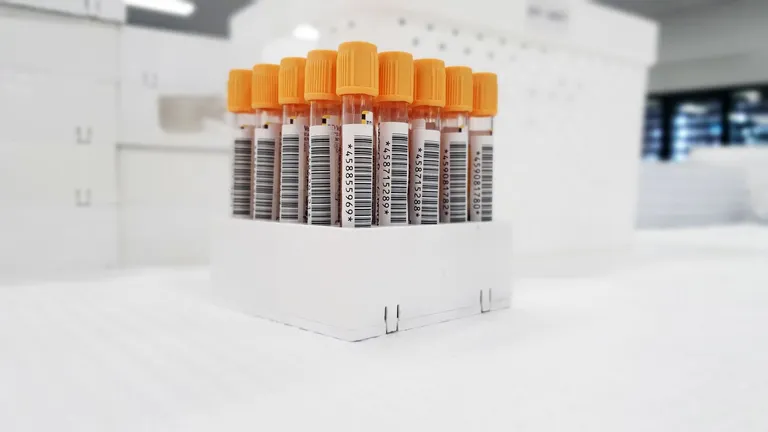
A lipid panel measures cholesterol and triglycerides, and it is one of the cheapest and most useful tests to run on a schedule. Prices still vary a lot between labs, so this page compares advertised lipid panel prices across direct-to-consumer labs.
What a lipid panel costs across labs
Ordered on its own, a lipid panel ranges from about $5.29 to $59 across direct-to-consumer labs, before a one-time draw fee. Mito members pay $5.29, with a non-member price of $7.41.
Mito lists two prices for this panel. The member price is the lower figure and applies to people on a Mito membership. The non-member price is available without a membership. There is no separate ordering fee or physician-review surcharge on top of the listed price.
Lab | Test price | Draw fee |
|---|---|---|
Mito (Member) | $5.29 | $9.50-15 |
Mito (Non-Member) | $7.41 | $9.50-15 |
DrSays | $7.99 | $9.99 |
GoodLabs | $8 | $12 |
Marek Health | $9 | $10 |
Jason Health | $10 | $18 |
Ulta Lab Tests | $22.95 | $12.95 |
Walk-In Lab | $29 | $6 |
Quest (direct) | $53.10 | $6 |
Labcorp (direct) | $59 | $0 |
Advertised prices, June 2026. Add each lab’s draw fee for a single-test order, and confirm current pricing before ordering.
Order a lipid panel directly from Mito, or browse comprehensive Mito panels from $80.
Why lipid panel prices vary so much
The panel is standardized, but the price is not. Most direct-to-consumer labs route your sample to the same national reference labs, usually Labcorp or Quest, so the cholesterol and triglyceride numbers come back the same regardless of who took your order. The spread you see is markup. A site listing a lipid panel at fifty dollars is selling the same test a low-cost lab offers for under ten, with the difference going to margin, ordering fees, or a clinical-review surcharge. The draw fee is charged separately by the collection site. That stacking is how one identical panel ranges from about five dollars to nearly sixty.
What is included in a lipid panel
A lipid panel reports several markers in one test. Each links to a full reference on what it measures and what your result means:
- Total cholesterol
- HDL cholesterol
- LDL cholesterol
- Triglycerides
- Non-HDL cholesterol
- Total cholesterol to HDL ratio
Is a cheaper lipid panel the same test?
Yes. A standard lipid panel measures the same components, total cholesterol, HDL, LDL, and triglycerides, on validated methods at CLIA-certified labs. A cheaper result is not a lower-quality one, and paying more does not make the numbers more accurate. A higher price sometimes bundles a written interpretation or a doctor’s review, which can be worth it if you want help acting on the results. If you just need the values to track over time, the lowest-cost CLIA-certified option gives you the same data.
All-in cost: test plus draw fee
Almost every lab adds a one-time draw fee on top of the lipid panel price, charged once per visit rather than per test. For a single lipid panel that fee can be most of the bill, so compare the all-in total. If you add other markers to the same visit, that one draw fee is spread across all of them, which is where building a panel saves the most.
When should you get a lipid panel?
A lipid panel is the standard way to gauge cardiovascular risk, so it shows up in several situations. Many adults run one as part of a routine checkup, and people with a family history of heart disease, high blood pressure, diabetes, or a previous high reading tend to test more often. If you are on a statin or have recently changed your diet, a repeat panel shows whether the change is working. Your doctor can advise the right interval for your situation; for general tracking, many people retest every six to twelve months.
Does insurance cover a lipid panel?
When ordered by a doctor for screening or to manage a condition, a lipid panel is usually covered, though a copay or deductible may apply. The prices here are cash-pay and are not billed to insurance. Because a lipid panel is inexpensive at low-cost labs, paying out of pocket is often cheaper than an insured visit’s share, particularly on a high-deductible plan. For routine self-monitoring between doctor visits, cash-pay is usually the simpler option.
FAQs
- What is included in a lipid panel? A standard lipid panel reports total cholesterol, HDL, LDL, VLDL, triglycerides, and the cholesterol to HDL ratio. It is used to gauge cardiovascular risk.
- Do you need to fast for a lipid panel? Many labs ask for a nine to twelve hour fast for the most accurate triglyceride and LDL values, though some accept non-fasting samples. Follow the instructions your lab provides.
- Where is the cheapest lipid panel? In this comparison, Mito has the lowest advertised price at $5.29 for members and $7.41 for non-members. Remember to add the draw fee for a single-test order.
- How often should you get a lipid panel? It depends on your risk. Adults with no risk factors often test every few years, while people managing cholesterol, on medication, or with a family history may test every six to twelve months on their doctor’s advice.
- Do you need a doctor’s order for a lipid panel? Not for the direct-to-consumer labs listed here. They include the test authorization, so you can order online and go straight to a collection site.
- How long do lipid panel results take? Most labs return lipid results within one to three business days, often by the next day.
Related Reading
- How Much Does a Blood Test Cost? 29 Tests Compared
- Vitamin D: Reference Range and What It Measures
- Ferritin: Are Your Iron Levels Balanced?
Medical Disclaimer
This guide is for informational purposes only and does not constitute medical advice. Pricing is based on publicly available information as of June 2026 and may change. Always verify current pricing directly with each provider before making a purchasing decision.
Heart health lab tests

The standard cholesterol workup for cardiovascular risk, and the baseline for tracking diet, exercise, or statin response.
Apolipoprotein B (Apo B) Blood Test
Estimate the number of atherogenic lipoprotein particles that can enter the artery wall, not just the cholesterol they carry.
Lipoprotein(a) (Lp(a)) Blood Test
Reveal an inherited cardiovascular risk factor that a standard lipid panel can miss.
C-Reactive Protein, High Sensitivity (hs-CRP) Blood Test
Add an inflammation-sensitive signal to a complete cardiovascular risk assessment.