Joint Pain In Pregnancy: Ligament Laxity and Mechanical Load
Most joint pain in pregnancy is mechanical, driven by relaxin-related ligament laxity, weight gain, shifted posture, and fluid retention. Persistent swollen joints are the exception that needs review.
- Published
- April 23, 2026
- Read time
- 2 min read

Why It Happens In Pregnancy
Pregnancy joint pain is usually a normal mechanical consequence of the body adapting to carry and deliver a baby.
-
Relaxin and ligament laxity. Hormones loosen ligaments to prepare the pelvis. This reduces joint stability and causes pelvic, hip, and lower-back pain, including pelvic girdle pain.
-
Weight gain and shifted load. Added weight and a forward-shifted centre of gravity increase load on knees, hips, and spine.
-
Postural change. The growing abdomen alters posture and gait, concentrating strain on weight-bearing joints.
-
Fluid retention. Cyclical and progressive fluid shifts can cause hand and wrist stiffness, sometimes with carpal tunnel symptoms.
-
Pre-existing arthritis. Inflammatory arthritis behaviour can change in pregnancy, sometimes improving, sometimes flaring, and is managed with the maternity and rheumatology teams.
When Joint Pain Is a Red Flag (Any Context)
- A hot, red, acutely swollen single joint with fever. Possible septic joint. Emergency.
- One leg with calf swelling, pain, warmth, or redness. Possible deep vein thrombosis. Urgent in pregnancy.
- Joint pain with persistent swelling, prolonged morning stiffness, or rash. Possible inflammatory arthritis. Review with the maternity team.
- Severe pelvic pain limiting walking. Pelvic girdle pain warrants physiotherapy referral.
What Makes Pregnancy-Linked Joint Pain Different
The reassuring pattern is mechanical: load-related pelvic, hip, back, and knee pain that tracks the pregnancy and eases postpartum. Persistent swollen-joint pain with prolonged morning stiffness is the exception that warrants review. All assessment and treatment in pregnancy is directed by the maternity team.
How to Manage
-
Use supported movement and physiotherapy. Pelvic support, targeted exercises, and posture advice are first-line for mechanical pain.
-
Manage load. Pacing, supportive footwear, and gradual activity reduce weight-bearing joint strain.
-
Report swollen-joint or leg symptoms. Persistent joint swelling, or one-sided calf swelling and pain, needs prompt review with the maternity team.
-
Coordinate pre-existing arthritis care. Medication and monitoring in pregnancy are managed jointly by the maternity and rheumatology teams.
Lab Markers Worth Checking
- Assessment is directed by the maternity team, not self-initiated
- Erythrocyte Sedimentation Rate (ESR), interpreted with care as it rises normally in pregnancy
- Vitamin D, if diffuse aches are persistent
- Rheumatoid Factor, only within a clinician-directed arthritis assessment
Related Reads
- Thyroid: Hyper vs Hypo Symptoms
- Cortisol: Energy Hormone and Healthy Levels
- Anxiety and Low Mood: What Your Blood Might Be Telling You
Related Symptoms
References
- NIH NCBI Bookshelf, Joint Pain
- NIH NCBI Bookshelf, Pelvic Girdle Pain
- Cleveland Clinic, Joint Pain
- Mayo Clinic, Joint Pain
Popular lab tests
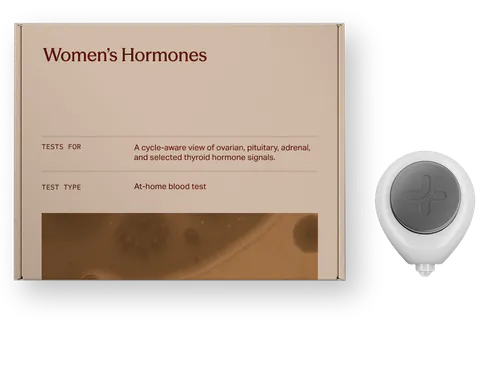
At-Home Women’s Hormone Test Kit
View current details, availability, and member pricing.
Comprehensive Metabolic Panel (CMP)
A 14-marker snapshot of kidney function, liver function, electrolytes, and blood sugar in one draw.
Complete Blood Count (CBC) with Differential and Platelet Count Test
A broad screen of red cells, white cells, and platelets that anchors most checkups.
The standard cholesterol workup for cardiovascular risk, and the baseline for tracking diet, exercise, or statin response.