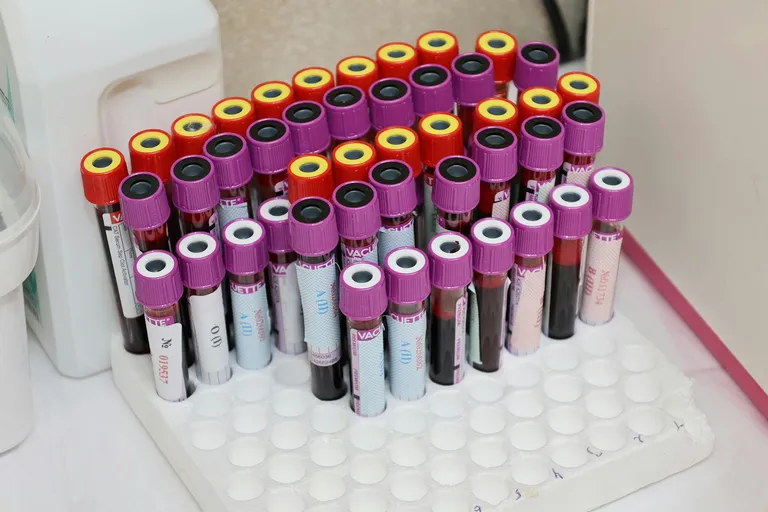
Get a deeper look into your health.
Schedule online, results in a week
Clear guidance, follow-up care available
HSA/FSA Eligible
Unlocking the Secrets of Peptide Therapy for Longevity: A Complete Overview
Discover how various peptides are transforming health and extending lifespan

Written by
Mito Health

Discover how various peptides are transforming health and extending lifespan
Interest in peptide therapy has grown rapidly in recent years. In longevity and performance medicine, peptide-based treatments are being explored to influence specific biological pathways in the body.
But what are peptides? These are naturally occurring molecules made from short chains of amino acids. They are biological messengers in your body that send signals between cells, controlling key processes such as hormone release, inflammation, metabolism, and healing.
Peptides target specific receptors in the body. So, scientists today are exploring how peptide therapy can support muscle recovery, metabolic health, and cellular repair.
What Is Peptide Therapy?

Peptide therapy refers to the use of specific peptides to trigger targeted biological responses in the body.
Peptides are smaller than proteins and are made from 2 to about 50 amino acids. Many naturally occurring hormones and signaling molecules in the body are peptides. Examples of well-known peptide hormones include:
Insulin
Glucagon
Growth hormone–releasing hormones
Oxytocin
In the body, peptides bind to receptors on cells, activating a signal that instructs the cell to perform a specific function. For example, a peptide signal may tell the body to:
Release a hormone
Repair damaged tissue
Regulate appetite
Activate immune responses
Peptide therapy usually uses synthetic versions of these molecules. These lab-made peptides mimic natural signaling pathways.
How Peptide Therapy Works in the Body

Each peptide is designed to bind to a particular receptor in the body. When that connection occurs, it activates a biological signal. This signaling system is often referred to as cell signaling or peptide signaling pathways.
Depending on the peptide used, this signal can influence different systems, including:
Hormonal pathways
Metabolism
Tissue repair mechanisms
Immune signaling
Inflammatory responses
One reason peptide therapy has attracted interest is that peptides tend to be highly targeted. They don't impact many systems at once. Instead, they aim to trigger specific biological actions.
Peptide therapy is delivered in different ways:
Subcutaneous injections
Topical applications
Nasal sprays
Oral formulations (less common because some peptides break down in digestion)
Since insulin was first produced in 1921, many advances have been made, leading to the approval of more than 80 peptide drugs worldwide.
Common Types of Peptides Used in Therapy

1. Growth Hormone–Stimulating Peptides
Growth hormone plays an important role in muscle maintenance, fat metabolism, bone health, recovery from physical stress, and cellular repair. Certain peptides are designed to stimulate the body’s natural production of growth hormone.
Examples of growth hormone–related peptides include CJC-1295, Ipamorelin, and Sermorelin. These peptides tell the pituitary gland to release more growth hormone instead of providing synthetic hormone directly.
Researchers are studying these peptides for potential roles in exercise recovery, body composition, age-related hormone changes, and metabolic health. However, long-term data and regulatory approvals vary by peptide.
2. Healing and Tissue Repair Peptides
One of the most discussed peptides in regenerative medicine is BPC-157. It is a synthetic peptide derived from a protein found in gastric juice. Early research suggests it may influence healing pathways in tissues such as muscles, tendons, and ligaments.
Potential areas being studied include:
Tendon and ligament recovery
Muscle injury repair
Gut lining protection
Blood vessel formation
Animal studies have shown promising results in tissue repair and anti-inflammatory activity. However, large-scale human clinical trials remain limited. Research is ongoing to assess their safety and effectiveness.
Another peptide often mentioned in recovery studies is TB-500. It comes from thymosin beta-4, a protein found in the body. Researchers are investigating whether these peptides can promote tissue regeneration, reduce inflammation, and enhance circulation in injured areas.
3. Metabolic and Weight-Related Peptides
Some peptides influence metabolic signaling and appetite regulation. One well-known example is the GLP-1 peptide family, which plays a role in blood sugar regulation and satiety.
GLP-1–based medications have been widely studied for the treatment of obesity, the management of type 2 diabetes, and appetite regulation. These peptides work by helping regulate insulin secretion, stomach emptying, and hunger signals in the brain.
Because of these effects, metabolic peptides have become a major focus of modern metabolic medicine.
4. Immune and Anti-Inflammatory Peptides
Certain peptides influence immune system activity and inflammation. Examples under investigation include Thymosin Alpha-1 and LL-37.
These peptides may affect immune cell signaling, regulation of inflammation, and antimicrobial responses. Research is exploring how these molecules could play a role in immune support and inflammatory disease management.
5. Skin and Regenerative Peptides
Peptides are also widely used in dermatology and skin care research. One of the best-known examples is GHK-Cu (copper peptide).
Studies suggest this peptide may help stimulate:
wound healing
skin regeneration
hair follicle activity
Collagen decreases as we age. So, peptides that help make collagen are now popular in medicine and cosmetics.
Potential Benefits of Peptide Being Studied

Research into peptide therapy is expanding across many fields of medicine and longevity science. While results vary depending on the peptide used, researchers are exploring potential benefits such as:
1. Muscle Recovery and Performance
Growth hormone–stimulating peptides can help with muscle repair after exercise. They also aid recovery from physical stress and support the maintenance of lean muscle. These areas are still being actively studied in sports science and aging research.
2. Metabolic Health and Weight Regulation
Some peptides can impact how the body regulates appetite, balances blood sugar, and processes fat. This area has received significant attention due to the global rise in metabolic conditions.
3. Tissue Repair and Injury Recovery
Healing peptides, such as BPC-157, are being studied for their ability to help tissue recover. Early studies show these peptides might help form new blood vessels. They could also aid in tendon and ligament repair and reduce inflammation.
However, more clinical trials are needed to confirm these effects in humans.
4. Healthy Aging and Longevity
Researchers are studying peptides that play roles in hormone signaling, metabolism, and cell repair. They focus on how peptide signaling might aid cellular regeneration, balance hormones, and manage inflammation. These mechanisms are closely connected to biological aging.
Safety and Regulatory Considerations

Although interest in peptide therapy continues to grow, it is important to understand that many peptides are still under investigation.
Limited Long-Term Research
Some peptides have been studied extensively in medical research, while others remain experimental. We still need big, long-term human trials to fully understand the safety and effectiveness of many new peptides.
Quality and Manufacturing Standards
Peptides obtained from unregulated sources may carry risks such as contamination, inaccurate dosing, and unverified ingredients. It should only be used in research or clinical settings by qualified medical professionals and regulated suppliers.
Potential Side Effects
Side effects vary depending on the peptide used and the method of administration. Possible effects reported in research settings include:
injection site irritation
headaches
fluid retention
temporary hormonal changes
If you're interested in peptide-based therapies, talk to your doctor. They can assess safety and suitability for you.
Why Biomarker Testing Matters
Before exploring advanced peptide therapies, it is important to understand your current health status. Testing your biomarkers can provide insights into areas such as:
hormone levels
metabolic health
inflammation markers
cardiovascular risk factors
nutrient status
These markers reveal imbalances in your body and establish a baseline for tracking health changes over time. In longevity medicine, blood test results help shape personalized health plans, especially if you are exploring longevity therapies, such as various peptide forms. This is better than using a one-size-fits-all method.
Is Peptide Therapy For You?
Peptide therapy is a new research area. Various studies showed it may help with metabolism, tissue repair, hormone signaling, immune regulation, and healthy aging. Some peptides, like GLP-1–based medications, are already used in medicine. Others, such as BPC-157 and growth hormone–related peptides, are still being researched.
Interest in longevity and precision medicine is rising. Peptides could be key in understanding and influencing biological pathways. However, safety, research quality, and checking in with your healthcare provider remain important before starting any peptide therapy.
Take Control of Your Health with Mito Health
At Mito Health, we focus on advanced biomarker testing to help you understand how your body functions more deeply.
Our comprehensive blood panel checks over 100 biomarkers on metabolism, heart health, inflammation, hormones, and longevity. Spotting early imbalances helps you make smart choices about lifestyle, nutrition, and new health strategies. Learn more about Mito Health’s advanced blood testing and how it can help you check your current health status before starting any peptide therapy.
Frequently Asked Questions
What is peptide therapy?
Peptide therapy uses specific peptides, which are short chains of amino acids. These peptides trigger biological signals in the body. They can affect metabolism, healing, and hormone regulation.
Are peptides the same as proteins?
Peptides are smaller than proteins. They consist of short chains of amino acids, while proteins are much larger and often contain hundreds or thousands of amino acids.
What is BPC-157?
BPC-157 is a synthetic peptide derived from a protein found in gastric juice. Researchers are studying it for potential roles in tissue repair, inflammation regulation, and gut health.
Are peptides used in approved medical treatments?
Yes. Some peptide-based medications are common in medicine. Insulin and GLP-1 receptor agonists help with diabetes and metabolic conditions.
Is peptide therapy safe?
Safety depends on the specific peptide, dosage, and medical context. Many peptides are still under study. It's important to seek professional medical advice before considering any peptide therapy.
Related Articles
How to Raise Glutathione Levels Naturally: 7 Evidence-Based Methods
Bryan Johnson’s Morning Routine: A Blueprint for Optimal Health and Longevity
Magnesium Stacking Guide: Synergistic Combinations for Maximum Benefits
Resources
Get a deeper look into your health.
Schedule online, results in a week
Clear guidance, follow-up care available
HSA/FSA Eligible

Comments
Get a deeper look into your health.
Schedule online, results in a week
Clear guidance, follow-up care available
HSA/FSA Eligible
Unlocking the Secrets of Peptide Therapy for Longevity: A Complete Overview
Discover how various peptides are transforming health and extending lifespan

Written by
Mito Health

Discover how various peptides are transforming health and extending lifespan
Interest in peptide therapy has grown rapidly in recent years. In longevity and performance medicine, peptide-based treatments are being explored to influence specific biological pathways in the body.
But what are peptides? These are naturally occurring molecules made from short chains of amino acids. They are biological messengers in your body that send signals between cells, controlling key processes such as hormone release, inflammation, metabolism, and healing.
Peptides target specific receptors in the body. So, scientists today are exploring how peptide therapy can support muscle recovery, metabolic health, and cellular repair.
What Is Peptide Therapy?

Peptide therapy refers to the use of specific peptides to trigger targeted biological responses in the body.
Peptides are smaller than proteins and are made from 2 to about 50 amino acids. Many naturally occurring hormones and signaling molecules in the body are peptides. Examples of well-known peptide hormones include:
Insulin
Glucagon
Growth hormone–releasing hormones
Oxytocin
In the body, peptides bind to receptors on cells, activating a signal that instructs the cell to perform a specific function. For example, a peptide signal may tell the body to:
Release a hormone
Repair damaged tissue
Regulate appetite
Activate immune responses
Peptide therapy usually uses synthetic versions of these molecules. These lab-made peptides mimic natural signaling pathways.
How Peptide Therapy Works in the Body

Each peptide is designed to bind to a particular receptor in the body. When that connection occurs, it activates a biological signal. This signaling system is often referred to as cell signaling or peptide signaling pathways.
Depending on the peptide used, this signal can influence different systems, including:
Hormonal pathways
Metabolism
Tissue repair mechanisms
Immune signaling
Inflammatory responses
One reason peptide therapy has attracted interest is that peptides tend to be highly targeted. They don't impact many systems at once. Instead, they aim to trigger specific biological actions.
Peptide therapy is delivered in different ways:
Subcutaneous injections
Topical applications
Nasal sprays
Oral formulations (less common because some peptides break down in digestion)
Since insulin was first produced in 1921, many advances have been made, leading to the approval of more than 80 peptide drugs worldwide.
Common Types of Peptides Used in Therapy

1. Growth Hormone–Stimulating Peptides
Growth hormone plays an important role in muscle maintenance, fat metabolism, bone health, recovery from physical stress, and cellular repair. Certain peptides are designed to stimulate the body’s natural production of growth hormone.
Examples of growth hormone–related peptides include CJC-1295, Ipamorelin, and Sermorelin. These peptides tell the pituitary gland to release more growth hormone instead of providing synthetic hormone directly.
Researchers are studying these peptides for potential roles in exercise recovery, body composition, age-related hormone changes, and metabolic health. However, long-term data and regulatory approvals vary by peptide.
2. Healing and Tissue Repair Peptides
One of the most discussed peptides in regenerative medicine is BPC-157. It is a synthetic peptide derived from a protein found in gastric juice. Early research suggests it may influence healing pathways in tissues such as muscles, tendons, and ligaments.
Potential areas being studied include:
Tendon and ligament recovery
Muscle injury repair
Gut lining protection
Blood vessel formation
Animal studies have shown promising results in tissue repair and anti-inflammatory activity. However, large-scale human clinical trials remain limited. Research is ongoing to assess their safety and effectiveness.
Another peptide often mentioned in recovery studies is TB-500. It comes from thymosin beta-4, a protein found in the body. Researchers are investigating whether these peptides can promote tissue regeneration, reduce inflammation, and enhance circulation in injured areas.
3. Metabolic and Weight-Related Peptides
Some peptides influence metabolic signaling and appetite regulation. One well-known example is the GLP-1 peptide family, which plays a role in blood sugar regulation and satiety.
GLP-1–based medications have been widely studied for the treatment of obesity, the management of type 2 diabetes, and appetite regulation. These peptides work by helping regulate insulin secretion, stomach emptying, and hunger signals in the brain.
Because of these effects, metabolic peptides have become a major focus of modern metabolic medicine.
4. Immune and Anti-Inflammatory Peptides
Certain peptides influence immune system activity and inflammation. Examples under investigation include Thymosin Alpha-1 and LL-37.
These peptides may affect immune cell signaling, regulation of inflammation, and antimicrobial responses. Research is exploring how these molecules could play a role in immune support and inflammatory disease management.
5. Skin and Regenerative Peptides
Peptides are also widely used in dermatology and skin care research. One of the best-known examples is GHK-Cu (copper peptide).
Studies suggest this peptide may help stimulate:
wound healing
skin regeneration
hair follicle activity
Collagen decreases as we age. So, peptides that help make collagen are now popular in medicine and cosmetics.
Potential Benefits of Peptide Being Studied

Research into peptide therapy is expanding across many fields of medicine and longevity science. While results vary depending on the peptide used, researchers are exploring potential benefits such as:
1. Muscle Recovery and Performance
Growth hormone–stimulating peptides can help with muscle repair after exercise. They also aid recovery from physical stress and support the maintenance of lean muscle. These areas are still being actively studied in sports science and aging research.
2. Metabolic Health and Weight Regulation
Some peptides can impact how the body regulates appetite, balances blood sugar, and processes fat. This area has received significant attention due to the global rise in metabolic conditions.
3. Tissue Repair and Injury Recovery
Healing peptides, such as BPC-157, are being studied for their ability to help tissue recover. Early studies show these peptides might help form new blood vessels. They could also aid in tendon and ligament repair and reduce inflammation.
However, more clinical trials are needed to confirm these effects in humans.
4. Healthy Aging and Longevity
Researchers are studying peptides that play roles in hormone signaling, metabolism, and cell repair. They focus on how peptide signaling might aid cellular regeneration, balance hormones, and manage inflammation. These mechanisms are closely connected to biological aging.
Safety and Regulatory Considerations

Although interest in peptide therapy continues to grow, it is important to understand that many peptides are still under investigation.
Limited Long-Term Research
Some peptides have been studied extensively in medical research, while others remain experimental. We still need big, long-term human trials to fully understand the safety and effectiveness of many new peptides.
Quality and Manufacturing Standards
Peptides obtained from unregulated sources may carry risks such as contamination, inaccurate dosing, and unverified ingredients. It should only be used in research or clinical settings by qualified medical professionals and regulated suppliers.
Potential Side Effects
Side effects vary depending on the peptide used and the method of administration. Possible effects reported in research settings include:
injection site irritation
headaches
fluid retention
temporary hormonal changes
If you're interested in peptide-based therapies, talk to your doctor. They can assess safety and suitability for you.
Why Biomarker Testing Matters
Before exploring advanced peptide therapies, it is important to understand your current health status. Testing your biomarkers can provide insights into areas such as:
hormone levels
metabolic health
inflammation markers
cardiovascular risk factors
nutrient status
These markers reveal imbalances in your body and establish a baseline for tracking health changes over time. In longevity medicine, blood test results help shape personalized health plans, especially if you are exploring longevity therapies, such as various peptide forms. This is better than using a one-size-fits-all method.
Is Peptide Therapy For You?
Peptide therapy is a new research area. Various studies showed it may help with metabolism, tissue repair, hormone signaling, immune regulation, and healthy aging. Some peptides, like GLP-1–based medications, are already used in medicine. Others, such as BPC-157 and growth hormone–related peptides, are still being researched.
Interest in longevity and precision medicine is rising. Peptides could be key in understanding and influencing biological pathways. However, safety, research quality, and checking in with your healthcare provider remain important before starting any peptide therapy.
Take Control of Your Health with Mito Health
At Mito Health, we focus on advanced biomarker testing to help you understand how your body functions more deeply.
Our comprehensive blood panel checks over 100 biomarkers on metabolism, heart health, inflammation, hormones, and longevity. Spotting early imbalances helps you make smart choices about lifestyle, nutrition, and new health strategies. Learn more about Mito Health’s advanced blood testing and how it can help you check your current health status before starting any peptide therapy.
Frequently Asked Questions
What is peptide therapy?
Peptide therapy uses specific peptides, which are short chains of amino acids. These peptides trigger biological signals in the body. They can affect metabolism, healing, and hormone regulation.
Are peptides the same as proteins?
Peptides are smaller than proteins. They consist of short chains of amino acids, while proteins are much larger and often contain hundreds or thousands of amino acids.
What is BPC-157?
BPC-157 is a synthetic peptide derived from a protein found in gastric juice. Researchers are studying it for potential roles in tissue repair, inflammation regulation, and gut health.
Are peptides used in approved medical treatments?
Yes. Some peptide-based medications are common in medicine. Insulin and GLP-1 receptor agonists help with diabetes and metabolic conditions.
Is peptide therapy safe?
Safety depends on the specific peptide, dosage, and medical context. Many peptides are still under study. It's important to seek professional medical advice before considering any peptide therapy.
Related Articles
How to Raise Glutathione Levels Naturally: 7 Evidence-Based Methods
Bryan Johnson’s Morning Routine: A Blueprint for Optimal Health and Longevity
Magnesium Stacking Guide: Synergistic Combinations for Maximum Benefits
Resources
Get a deeper look into your health.
Schedule online, results in a week
Clear guidance, follow-up care available
HSA/FSA Eligible

Comments
Unlocking the Secrets of Peptide Therapy for Longevity: A Complete Overview
Discover how various peptides are transforming health and extending lifespan

Written by
Mito Health

Discover how various peptides are transforming health and extending lifespan
Interest in peptide therapy has grown rapidly in recent years. In longevity and performance medicine, peptide-based treatments are being explored to influence specific biological pathways in the body.
But what are peptides? These are naturally occurring molecules made from short chains of amino acids. They are biological messengers in your body that send signals between cells, controlling key processes such as hormone release, inflammation, metabolism, and healing.
Peptides target specific receptors in the body. So, scientists today are exploring how peptide therapy can support muscle recovery, metabolic health, and cellular repair.
What Is Peptide Therapy?

Peptide therapy refers to the use of specific peptides to trigger targeted biological responses in the body.
Peptides are smaller than proteins and are made from 2 to about 50 amino acids. Many naturally occurring hormones and signaling molecules in the body are peptides. Examples of well-known peptide hormones include:
Insulin
Glucagon
Growth hormone–releasing hormones
Oxytocin
In the body, peptides bind to receptors on cells, activating a signal that instructs the cell to perform a specific function. For example, a peptide signal may tell the body to:
Release a hormone
Repair damaged tissue
Regulate appetite
Activate immune responses
Peptide therapy usually uses synthetic versions of these molecules. These lab-made peptides mimic natural signaling pathways.
How Peptide Therapy Works in the Body

Each peptide is designed to bind to a particular receptor in the body. When that connection occurs, it activates a biological signal. This signaling system is often referred to as cell signaling or peptide signaling pathways.
Depending on the peptide used, this signal can influence different systems, including:
Hormonal pathways
Metabolism
Tissue repair mechanisms
Immune signaling
Inflammatory responses
One reason peptide therapy has attracted interest is that peptides tend to be highly targeted. They don't impact many systems at once. Instead, they aim to trigger specific biological actions.
Peptide therapy is delivered in different ways:
Subcutaneous injections
Topical applications
Nasal sprays
Oral formulations (less common because some peptides break down in digestion)
Since insulin was first produced in 1921, many advances have been made, leading to the approval of more than 80 peptide drugs worldwide.
Common Types of Peptides Used in Therapy

1. Growth Hormone–Stimulating Peptides
Growth hormone plays an important role in muscle maintenance, fat metabolism, bone health, recovery from physical stress, and cellular repair. Certain peptides are designed to stimulate the body’s natural production of growth hormone.
Examples of growth hormone–related peptides include CJC-1295, Ipamorelin, and Sermorelin. These peptides tell the pituitary gland to release more growth hormone instead of providing synthetic hormone directly.
Researchers are studying these peptides for potential roles in exercise recovery, body composition, age-related hormone changes, and metabolic health. However, long-term data and regulatory approvals vary by peptide.
2. Healing and Tissue Repair Peptides
One of the most discussed peptides in regenerative medicine is BPC-157. It is a synthetic peptide derived from a protein found in gastric juice. Early research suggests it may influence healing pathways in tissues such as muscles, tendons, and ligaments.
Potential areas being studied include:
Tendon and ligament recovery
Muscle injury repair
Gut lining protection
Blood vessel formation
Animal studies have shown promising results in tissue repair and anti-inflammatory activity. However, large-scale human clinical trials remain limited. Research is ongoing to assess their safety and effectiveness.
Another peptide often mentioned in recovery studies is TB-500. It comes from thymosin beta-4, a protein found in the body. Researchers are investigating whether these peptides can promote tissue regeneration, reduce inflammation, and enhance circulation in injured areas.
3. Metabolic and Weight-Related Peptides
Some peptides influence metabolic signaling and appetite regulation. One well-known example is the GLP-1 peptide family, which plays a role in blood sugar regulation and satiety.
GLP-1–based medications have been widely studied for the treatment of obesity, the management of type 2 diabetes, and appetite regulation. These peptides work by helping regulate insulin secretion, stomach emptying, and hunger signals in the brain.
Because of these effects, metabolic peptides have become a major focus of modern metabolic medicine.
4. Immune and Anti-Inflammatory Peptides
Certain peptides influence immune system activity and inflammation. Examples under investigation include Thymosin Alpha-1 and LL-37.
These peptides may affect immune cell signaling, regulation of inflammation, and antimicrobial responses. Research is exploring how these molecules could play a role in immune support and inflammatory disease management.
5. Skin and Regenerative Peptides
Peptides are also widely used in dermatology and skin care research. One of the best-known examples is GHK-Cu (copper peptide).
Studies suggest this peptide may help stimulate:
wound healing
skin regeneration
hair follicle activity
Collagen decreases as we age. So, peptides that help make collagen are now popular in medicine and cosmetics.
Potential Benefits of Peptide Being Studied

Research into peptide therapy is expanding across many fields of medicine and longevity science. While results vary depending on the peptide used, researchers are exploring potential benefits such as:
1. Muscle Recovery and Performance
Growth hormone–stimulating peptides can help with muscle repair after exercise. They also aid recovery from physical stress and support the maintenance of lean muscle. These areas are still being actively studied in sports science and aging research.
2. Metabolic Health and Weight Regulation
Some peptides can impact how the body regulates appetite, balances blood sugar, and processes fat. This area has received significant attention due to the global rise in metabolic conditions.
3. Tissue Repair and Injury Recovery
Healing peptides, such as BPC-157, are being studied for their ability to help tissue recover. Early studies show these peptides might help form new blood vessels. They could also aid in tendon and ligament repair and reduce inflammation.
However, more clinical trials are needed to confirm these effects in humans.
4. Healthy Aging and Longevity
Researchers are studying peptides that play roles in hormone signaling, metabolism, and cell repair. They focus on how peptide signaling might aid cellular regeneration, balance hormones, and manage inflammation. These mechanisms are closely connected to biological aging.
Safety and Regulatory Considerations

Although interest in peptide therapy continues to grow, it is important to understand that many peptides are still under investigation.
Limited Long-Term Research
Some peptides have been studied extensively in medical research, while others remain experimental. We still need big, long-term human trials to fully understand the safety and effectiveness of many new peptides.
Quality and Manufacturing Standards
Peptides obtained from unregulated sources may carry risks such as contamination, inaccurate dosing, and unverified ingredients. It should only be used in research or clinical settings by qualified medical professionals and regulated suppliers.
Potential Side Effects
Side effects vary depending on the peptide used and the method of administration. Possible effects reported in research settings include:
injection site irritation
headaches
fluid retention
temporary hormonal changes
If you're interested in peptide-based therapies, talk to your doctor. They can assess safety and suitability for you.
Why Biomarker Testing Matters
Before exploring advanced peptide therapies, it is important to understand your current health status. Testing your biomarkers can provide insights into areas such as:
hormone levels
metabolic health
inflammation markers
cardiovascular risk factors
nutrient status
These markers reveal imbalances in your body and establish a baseline for tracking health changes over time. In longevity medicine, blood test results help shape personalized health plans, especially if you are exploring longevity therapies, such as various peptide forms. This is better than using a one-size-fits-all method.
Is Peptide Therapy For You?
Peptide therapy is a new research area. Various studies showed it may help with metabolism, tissue repair, hormone signaling, immune regulation, and healthy aging. Some peptides, like GLP-1–based medications, are already used in medicine. Others, such as BPC-157 and growth hormone–related peptides, are still being researched.
Interest in longevity and precision medicine is rising. Peptides could be key in understanding and influencing biological pathways. However, safety, research quality, and checking in with your healthcare provider remain important before starting any peptide therapy.
Take Control of Your Health with Mito Health
At Mito Health, we focus on advanced biomarker testing to help you understand how your body functions more deeply.
Our comprehensive blood panel checks over 100 biomarkers on metabolism, heart health, inflammation, hormones, and longevity. Spotting early imbalances helps you make smart choices about lifestyle, nutrition, and new health strategies. Learn more about Mito Health’s advanced blood testing and how it can help you check your current health status before starting any peptide therapy.
Frequently Asked Questions
What is peptide therapy?
Peptide therapy uses specific peptides, which are short chains of amino acids. These peptides trigger biological signals in the body. They can affect metabolism, healing, and hormone regulation.
Are peptides the same as proteins?
Peptides are smaller than proteins. They consist of short chains of amino acids, while proteins are much larger and often contain hundreds or thousands of amino acids.
What is BPC-157?
BPC-157 is a synthetic peptide derived from a protein found in gastric juice. Researchers are studying it for potential roles in tissue repair, inflammation regulation, and gut health.
Are peptides used in approved medical treatments?
Yes. Some peptide-based medications are common in medicine. Insulin and GLP-1 receptor agonists help with diabetes and metabolic conditions.
Is peptide therapy safe?
Safety depends on the specific peptide, dosage, and medical context. Many peptides are still under study. It's important to seek professional medical advice before considering any peptide therapy.
Related Articles
How to Raise Glutathione Levels Naturally: 7 Evidence-Based Methods
Bryan Johnson’s Morning Routine: A Blueprint for Optimal Health and Longevity
Magnesium Stacking Guide: Synergistic Combinations for Maximum Benefits
Resources
Get a deeper look into your health.
Schedule online, results in a week
Clear guidance, follow-up care available
HSA/FSA Eligible

Comments
Unlocking the Secrets of Peptide Therapy for Longevity: A Complete Overview
Discover how various peptides are transforming health and extending lifespan

Written by
Mito Health

Discover how various peptides are transforming health and extending lifespan
Interest in peptide therapy has grown rapidly in recent years. In longevity and performance medicine, peptide-based treatments are being explored to influence specific biological pathways in the body.
But what are peptides? These are naturally occurring molecules made from short chains of amino acids. They are biological messengers in your body that send signals between cells, controlling key processes such as hormone release, inflammation, metabolism, and healing.
Peptides target specific receptors in the body. So, scientists today are exploring how peptide therapy can support muscle recovery, metabolic health, and cellular repair.
What Is Peptide Therapy?

Peptide therapy refers to the use of specific peptides to trigger targeted biological responses in the body.
Peptides are smaller than proteins and are made from 2 to about 50 amino acids. Many naturally occurring hormones and signaling molecules in the body are peptides. Examples of well-known peptide hormones include:
Insulin
Glucagon
Growth hormone–releasing hormones
Oxytocin
In the body, peptides bind to receptors on cells, activating a signal that instructs the cell to perform a specific function. For example, a peptide signal may tell the body to:
Release a hormone
Repair damaged tissue
Regulate appetite
Activate immune responses
Peptide therapy usually uses synthetic versions of these molecules. These lab-made peptides mimic natural signaling pathways.
How Peptide Therapy Works in the Body

Each peptide is designed to bind to a particular receptor in the body. When that connection occurs, it activates a biological signal. This signaling system is often referred to as cell signaling or peptide signaling pathways.
Depending on the peptide used, this signal can influence different systems, including:
Hormonal pathways
Metabolism
Tissue repair mechanisms
Immune signaling
Inflammatory responses
One reason peptide therapy has attracted interest is that peptides tend to be highly targeted. They don't impact many systems at once. Instead, they aim to trigger specific biological actions.
Peptide therapy is delivered in different ways:
Subcutaneous injections
Topical applications
Nasal sprays
Oral formulations (less common because some peptides break down in digestion)
Since insulin was first produced in 1921, many advances have been made, leading to the approval of more than 80 peptide drugs worldwide.
Common Types of Peptides Used in Therapy

1. Growth Hormone–Stimulating Peptides
Growth hormone plays an important role in muscle maintenance, fat metabolism, bone health, recovery from physical stress, and cellular repair. Certain peptides are designed to stimulate the body’s natural production of growth hormone.
Examples of growth hormone–related peptides include CJC-1295, Ipamorelin, and Sermorelin. These peptides tell the pituitary gland to release more growth hormone instead of providing synthetic hormone directly.
Researchers are studying these peptides for potential roles in exercise recovery, body composition, age-related hormone changes, and metabolic health. However, long-term data and regulatory approvals vary by peptide.
2. Healing and Tissue Repair Peptides
One of the most discussed peptides in regenerative medicine is BPC-157. It is a synthetic peptide derived from a protein found in gastric juice. Early research suggests it may influence healing pathways in tissues such as muscles, tendons, and ligaments.
Potential areas being studied include:
Tendon and ligament recovery
Muscle injury repair
Gut lining protection
Blood vessel formation
Animal studies have shown promising results in tissue repair and anti-inflammatory activity. However, large-scale human clinical trials remain limited. Research is ongoing to assess their safety and effectiveness.
Another peptide often mentioned in recovery studies is TB-500. It comes from thymosin beta-4, a protein found in the body. Researchers are investigating whether these peptides can promote tissue regeneration, reduce inflammation, and enhance circulation in injured areas.
3. Metabolic and Weight-Related Peptides
Some peptides influence metabolic signaling and appetite regulation. One well-known example is the GLP-1 peptide family, which plays a role in blood sugar regulation and satiety.
GLP-1–based medications have been widely studied for the treatment of obesity, the management of type 2 diabetes, and appetite regulation. These peptides work by helping regulate insulin secretion, stomach emptying, and hunger signals in the brain.
Because of these effects, metabolic peptides have become a major focus of modern metabolic medicine.
4. Immune and Anti-Inflammatory Peptides
Certain peptides influence immune system activity and inflammation. Examples under investigation include Thymosin Alpha-1 and LL-37.
These peptides may affect immune cell signaling, regulation of inflammation, and antimicrobial responses. Research is exploring how these molecules could play a role in immune support and inflammatory disease management.
5. Skin and Regenerative Peptides
Peptides are also widely used in dermatology and skin care research. One of the best-known examples is GHK-Cu (copper peptide).
Studies suggest this peptide may help stimulate:
wound healing
skin regeneration
hair follicle activity
Collagen decreases as we age. So, peptides that help make collagen are now popular in medicine and cosmetics.
Potential Benefits of Peptide Being Studied

Research into peptide therapy is expanding across many fields of medicine and longevity science. While results vary depending on the peptide used, researchers are exploring potential benefits such as:
1. Muscle Recovery and Performance
Growth hormone–stimulating peptides can help with muscle repair after exercise. They also aid recovery from physical stress and support the maintenance of lean muscle. These areas are still being actively studied in sports science and aging research.
2. Metabolic Health and Weight Regulation
Some peptides can impact how the body regulates appetite, balances blood sugar, and processes fat. This area has received significant attention due to the global rise in metabolic conditions.
3. Tissue Repair and Injury Recovery
Healing peptides, such as BPC-157, are being studied for their ability to help tissue recover. Early studies show these peptides might help form new blood vessels. They could also aid in tendon and ligament repair and reduce inflammation.
However, more clinical trials are needed to confirm these effects in humans.
4. Healthy Aging and Longevity
Researchers are studying peptides that play roles in hormone signaling, metabolism, and cell repair. They focus on how peptide signaling might aid cellular regeneration, balance hormones, and manage inflammation. These mechanisms are closely connected to biological aging.
Safety and Regulatory Considerations

Although interest in peptide therapy continues to grow, it is important to understand that many peptides are still under investigation.
Limited Long-Term Research
Some peptides have been studied extensively in medical research, while others remain experimental. We still need big, long-term human trials to fully understand the safety and effectiveness of many new peptides.
Quality and Manufacturing Standards
Peptides obtained from unregulated sources may carry risks such as contamination, inaccurate dosing, and unverified ingredients. It should only be used in research or clinical settings by qualified medical professionals and regulated suppliers.
Potential Side Effects
Side effects vary depending on the peptide used and the method of administration. Possible effects reported in research settings include:
injection site irritation
headaches
fluid retention
temporary hormonal changes
If you're interested in peptide-based therapies, talk to your doctor. They can assess safety and suitability for you.
Why Biomarker Testing Matters
Before exploring advanced peptide therapies, it is important to understand your current health status. Testing your biomarkers can provide insights into areas such as:
hormone levels
metabolic health
inflammation markers
cardiovascular risk factors
nutrient status
These markers reveal imbalances in your body and establish a baseline for tracking health changes over time. In longevity medicine, blood test results help shape personalized health plans, especially if you are exploring longevity therapies, such as various peptide forms. This is better than using a one-size-fits-all method.
Is Peptide Therapy For You?
Peptide therapy is a new research area. Various studies showed it may help with metabolism, tissue repair, hormone signaling, immune regulation, and healthy aging. Some peptides, like GLP-1–based medications, are already used in medicine. Others, such as BPC-157 and growth hormone–related peptides, are still being researched.
Interest in longevity and precision medicine is rising. Peptides could be key in understanding and influencing biological pathways. However, safety, research quality, and checking in with your healthcare provider remain important before starting any peptide therapy.
Take Control of Your Health with Mito Health
At Mito Health, we focus on advanced biomarker testing to help you understand how your body functions more deeply.
Our comprehensive blood panel checks over 100 biomarkers on metabolism, heart health, inflammation, hormones, and longevity. Spotting early imbalances helps you make smart choices about lifestyle, nutrition, and new health strategies. Learn more about Mito Health’s advanced blood testing and how it can help you check your current health status before starting any peptide therapy.
Frequently Asked Questions
What is peptide therapy?
Peptide therapy uses specific peptides, which are short chains of amino acids. These peptides trigger biological signals in the body. They can affect metabolism, healing, and hormone regulation.
Are peptides the same as proteins?
Peptides are smaller than proteins. They consist of short chains of amino acids, while proteins are much larger and often contain hundreds or thousands of amino acids.
What is BPC-157?
BPC-157 is a synthetic peptide derived from a protein found in gastric juice. Researchers are studying it for potential roles in tissue repair, inflammation regulation, and gut health.
Are peptides used in approved medical treatments?
Yes. Some peptide-based medications are common in medicine. Insulin and GLP-1 receptor agonists help with diabetes and metabolic conditions.
Is peptide therapy safe?
Safety depends on the specific peptide, dosage, and medical context. Many peptides are still under study. It's important to seek professional medical advice before considering any peptide therapy.
Related Articles
How to Raise Glutathione Levels Naturally: 7 Evidence-Based Methods
Bryan Johnson’s Morning Routine: A Blueprint for Optimal Health and Longevity
Magnesium Stacking Guide: Synergistic Combinations for Maximum Benefits
Resources
Get a deeper look into your health.
Schedule online, results in a week
Clear guidance, follow-up care available
HSA/FSA Eligible

Get a deeper look into your health.
Schedule online, results in a week
Clear guidance, follow-up care available
HSA/FSA Eligible
Comments
Recently published
What's included

1 Comprehensive lab test with over 100+ biomarkers
One appointment, test at 2,000+ labs nationwide

Insights calibrated to your biology
Recommendations informed by your ethnicity, lifestyle, and history. Not generic ranges.

1:1 Consultation
Meet with your dedicated care team to review your results and define next steps

Lifetime health record tracking
Upload past labs and monitor your progress over time

Biological age analysis
See how your body is aging and what’s driving it

Order add-on tests and scans anytime
Access to advanced diagnostics at discounted rates for members
Concierge-level care, made accessible.
Mito Health Membership
Codeveloped with experts at MIT & Stanford
Less than $1/ day
Billed annually - cancel anytime
Bundle options:
Individual
$399
$349
/year
or 4 interest-free payments of $87.25*
Duo Bundle
(For 2)
$798
$660
/year
or 4 interest-free payments of $167*
Pricing for members in NY, NJ & RI may vary.

Checkout with HSA/FSA
Secure, private platform
What's included

1 Comprehensive lab test with over 100+ biomarkers
One appointment, test at 2,000+ labs nationwide

Insights calibrated to your biology
Recommendations informed by your ethnicity, lifestyle, and history. Not generic ranges.

1:1 Consultation
Meet with your dedicated care team to review your results and define next steps

Lifetime health record tracking
Upload past labs and monitor your progress over time

Biological age analysis
See how your body is aging and what’s driving it

Order add-on tests and scans anytime
Access to advanced diagnostics at discounted rates for members
Concierge-level care, made accessible.
Mito Health Membership
Codeveloped with experts at MIT & Stanford
Less than $1/ day
Billed annually - cancel anytime
Bundle options:
Individual
$399
$349
/year
or 4 interest-free payments of $87.25*
Duo Bundle (For 2)
$798
$660
/year
or 4 interest-free payments of $167*
Pricing for members in NY, NJ & RI may vary.

Checkout with HSA/FSA
Secure, private platform
What's included

1 Comprehensive lab test with over 100+ biomarkers
One appointment, test at 2,000+ labs nationwide

Insights calibrated to your biology
Recommendations informed by your ethnicity, lifestyle, and history. Not generic ranges.

1:1 Consultation
Meet with your dedicated care team to review your results and define next steps

Lifetime health record tracking
Upload past labs and monitor your progress over time

Biological age analysis
See how your body is aging and what’s driving it

Order add-on tests and scans anytime
Access to advanced diagnostics at discounted rates for members
Concierge-level care, made accessible.
Mito Health Membership
Codeveloped with experts at MIT & Stanford
Less than $1/ day
Billed annually - cancel anytime
Bundle options:
Individual
$399
$349
/year
or 4 payments of $87.25*
Duo Bundle
(For 2)
$798
$660
/year
or 4 payments of $167*
Pricing for members in NY, NJ & RI may vary.

Checkout with HSA/FSA
Secure, private platform