Get a deeper look into your health.

Schedule online, results in a week

Clear guidance, follow-up care available

HSA/FSA Eligible

GLP-1 Medications and Monitoring Guide

Tracking your metabolic markers help show how well GLP-1 medication works and how effectively it manages your condition.

Written by

Mito Health

GLP-1 Medications and Monitoring Guide

Tracking your metabolic markers help show how well GLP-1 medication works and how effectively it manages your condition.

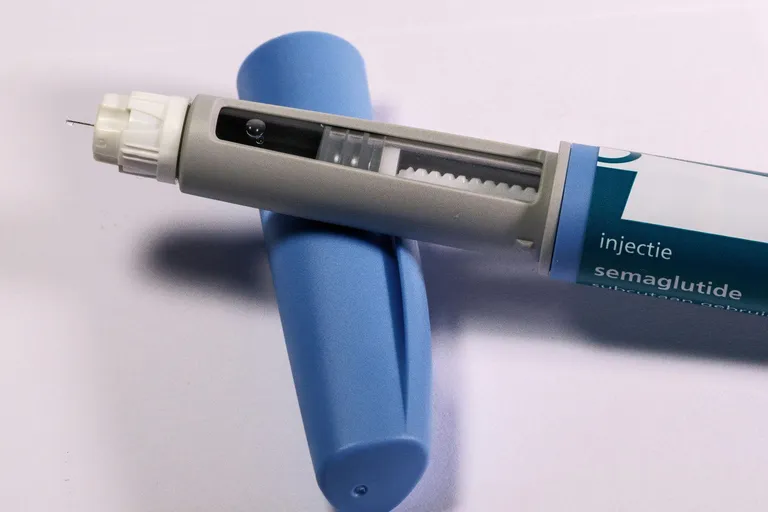
GLP-1 medications are now among the most discussed options for weight management and type 2 diabetes. Drugs like Ozempic and Wegovy are well known for helping people lose weight and control blood sugar better.

These medications are GLP-1 receptor agonists. They mimic a hormone that the body makes after eating. This hormone helps regulate blood sugar, appetite, and digestion. GLP-1 medications help metabolic health by activating similar biological pathways. They also reduce appetite, which can lead to weight loss.

But medication is only part of the picture. Knowing what GLP-1 is, how these drugs function, and how to track your health while using them is key.

What Is GLP-1?

GLP-1 stands for glucagon-like peptide-1, a hormone produced in the gut after eating. It plays a key role in regulating metabolism and blood sugar levels. When food enters the digestive system, GLP-1 helps manage processes that keep glucose levels balanced.

GLP-1 supports metabolic regulation in several ways:

  • Stimulates insulin release when blood sugar rises

  • Reduces glucagon, a hormone that increases blood sugar

  • Slows stomach emptying, which helps prevent rapid glucose spikes

  • Signals fullness to the brain, reducing appetite

These effects explain why GLP-1 medications help control blood sugar and aid in weight management.

What Are GLP-1 Medications?

GLP-1 medications are drugs that mimic the natural GLP-1 hormone. They activate GLP-1 receptors in the body, producing effects similar to those of the hormone released after meals. These medications were first made to manage type 2 diabetes. Now, many are also used for long-term weight management.

Common GLP-1 medications

Some widely prescribed GLP-1 medications include:

  • Ozempic

  • Wegovy

  • Saxenda

  • Victoza

  • Trulicity

  • Mounjaro

Some of these medications are taken once daily, while others are given as weekly injections.

How GLP-1 Medications Work in the Body

How GLP-1 Medications Work in the Body

GLP-1 medications affect several metabolic systems, which explains the wide range of GLP-1 benefits.

Blood sugar regulation

GLP-1 medications help control blood sugar. They boost insulin release when glucose levels go up. This helps maintain stable blood sugar levels while reducing the risk of sudden spikes.

Appetite and satiety

GLP-1 also communicates with the brain's appetite centers. Many people taking these medications report feeling full sooner and eating smaller portions.

Slower digestion

GLP-1 medications slow gastric emptying, meaning food leaves the stomach more gradually. This slows glucose absorption and helps prevent post-meal blood sugar spikes.

Weight loss effects

These medications reduce appetite and boost metabolism. So, when combined with lifestyle changes, they often lead to lasting weight loss. Clinical trials report average weight loss ranging from about 8% to over 20% of body weight, depending on the GLP-1 medication and dose.

These effects explain why GLP-1 medications are increasingly considered part of metabolic health management.

Possible Side Effects of GLP-1

Like any medication, GLP-1 drugs can cause side effects. Most issues relate to digestion and often improve as the body adjusts.

Some people may experience:

  • Nausea

  • Vomiting

  • Diarrhea

  • Constipation

  • Reduced appetite

These symptoms are often mild and temporary.

When to seek professional guidance

You should discuss persistent symptoms or unusual reactions with a qualified healthcare professional. They can evaluate whether they need to make adjustments or conduct further assessment.

Conditions GLP-1 Medications Are Used For
Conditions GLP-1 Medications Are Used For

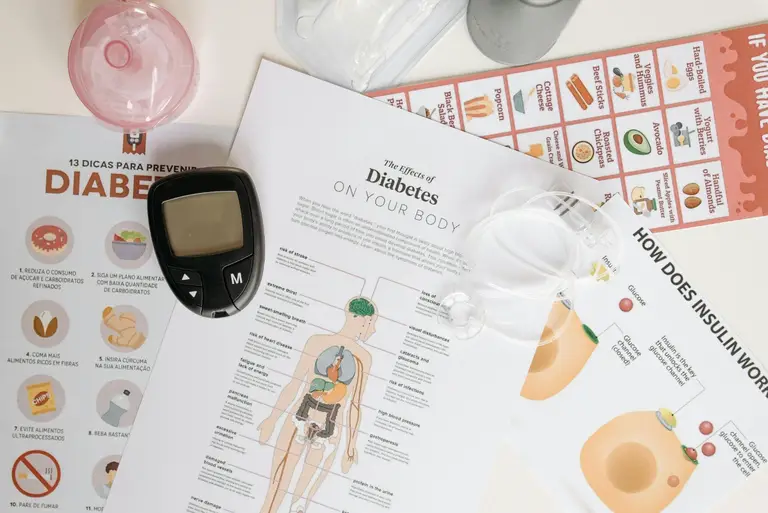
GLP-1 medications were first created for diabetes, but now they treat various metabolic health issues.

1. Type 2 diabetes

GLP-1 medications assist those with type 2 diabetes. They enhance insulin response and lower blood glucose levels. They can also help reduce HbA1c, a long-term marker of blood sugar control.

2. Obesity and weight management

Some GLP-1 medications are approved specifically for chronic weight management. They may be considered for individuals with:

3. Cardiovascular risk reduction

Research shows that some GLP-1 medications can lower the risk of heart attack, stroke, and other heart-related issues. This is especially true for people with diabetes.

Why GLP-1 Monitoring Matters

Medications that influence metabolism can affect multiple biological systems. Monitoring key biomarkers can provide insight into how the body responds to treatment. This is where GLP-1 monitoring becomes important.

Regular health tests can track metabolic changes. They can also spot improvements and potential issues.

Key biomarkers often monitored

You can track common metabolic biomarkers during GLP-1 therapy. These include:

  • Fasting glucose

  • HbA1c

  • Insulin levels

  • Lipid profile (cholesterol and triglycerides)

  • Liver enzymes

  • Kidney function markers

Tracking these biomarkers can provide a clearer picture of how metabolic health is changing over time.

Monitor Your Metabolic Health for GLP-1 Medications

GLP-1 medications have changed how doctors manage weight and treat type 2 diabetes. These medications mimic a natural hormone that helps with metabolism. So, they can regulate blood sugar, reduce appetite, and support weight loss.

If you're thinking about GLP-1 medications for type 2 diabetes, obesity, or better metabolic health, starting with biomarker testing can provide helpful insights. Mito Health provides a comprehensive blood panel that checks over 100 markers. This includes important metabolic markers like glucose, insulin, cholesterol, and inflammation. These tests can support GLP-1 monitoring by showing how your body responds over time.

Mito Health provides clear data and personalised insights, so you understand your health and make better choices about your metabolic wellness. Sign up for Mito Health membership and take control of your health today.

Frequently Asked Question

  • What is GLP-1?

GLP-1 is a hormone produced in the gut after eating. It helps regulate blood sugar, slow digestion, and signals to the brain that it is full.

  • What do GLP-1 medications do?

GLP-1 medications mimic the natural GLP-1 hormone. They help improve blood sugar control, reduce appetite, and support weight loss.

  • Are GLP-1 medications only for diabetes?

No. GLP-1 medications were first made for type 2 diabetes, but some are now also approved for chronic weight management.

  • What are Ozempic blood tests?

Ozempic blood tests are routine checks. They monitor health markers like glucose, HbA1c, cholesterol, and liver function. These tests are important for those using GLP-1 medications.

  • Why is GLP-1 monitoring important?

GLP-1 monitoring helps track changes in metabolic biomarkers over time. This information can help us understand blood sugar control, metabolic health, and how well treatments work.

Related Articles

Resources

  1. https://doi.org/10.1016/j.eclinm.2025.103363

  2. https://doi.org/10.1007/s005920050116

  3. https://health.ucdavis.edu/blog/cultivating-health/ozempic-for-weight-loss-does-it-work-and-what-do-experts-recommend/2023/07

  4. https://pmc.ncbi.nlm.nih.gov/articles/PMC11444311

  5. https://www.medscape.com/viewarticle/real-world-glp-1-weight-loss-results-differ-trials-2025a1000fih

  6. https://glp-1.com/article/need-know-about-weight-loss-medications

  7. https://doi.org/10.1016/j.ijcha.2025.101638

Get a deeper look into your health.

Schedule online, results in a week

Clear guidance, follow-up care available

HSA/FSA Eligible

Comments

Get a deeper look into your health.

Schedule online, results in a week

Clear guidance, follow-up care available

HSA/FSA Eligible

GLP-1 Medications and Monitoring Guide

Tracking your metabolic markers help show how well GLP-1 medication works and how effectively it manages your condition.

Written by

Mito Health

GLP-1 Medications and Monitoring Guide

Tracking your metabolic markers help show how well GLP-1 medication works and how effectively it manages your condition.

GLP-1 medications are now among the most discussed options for weight management and type 2 diabetes. Drugs like Ozempic and Wegovy are well known for helping people lose weight and control blood sugar better.

These medications are GLP-1 receptor agonists. They mimic a hormone that the body makes after eating. This hormone helps regulate blood sugar, appetite, and digestion. GLP-1 medications help metabolic health by activating similar biological pathways. They also reduce appetite, which can lead to weight loss.

But medication is only part of the picture. Knowing what GLP-1 is, how these drugs function, and how to track your health while using them is key.

What Is GLP-1?

GLP-1 stands for glucagon-like peptide-1, a hormone produced in the gut after eating. It plays a key role in regulating metabolism and blood sugar levels. When food enters the digestive system, GLP-1 helps manage processes that keep glucose levels balanced.

GLP-1 supports metabolic regulation in several ways:

  • Stimulates insulin release when blood sugar rises

  • Reduces glucagon, a hormone that increases blood sugar

  • Slows stomach emptying, which helps prevent rapid glucose spikes

  • Signals fullness to the brain, reducing appetite

These effects explain why GLP-1 medications help control blood sugar and aid in weight management.

What Are GLP-1 Medications?

GLP-1 medications are drugs that mimic the natural GLP-1 hormone. They activate GLP-1 receptors in the body, producing effects similar to those of the hormone released after meals. These medications were first made to manage type 2 diabetes. Now, many are also used for long-term weight management.

Common GLP-1 medications

Some widely prescribed GLP-1 medications include:

  • Ozempic

  • Wegovy

  • Saxenda

  • Victoza

  • Trulicity

  • Mounjaro

Some of these medications are taken once daily, while others are given as weekly injections.

How GLP-1 Medications Work in the Body

How GLP-1 Medications Work in the Body

GLP-1 medications affect several metabolic systems, which explains the wide range of GLP-1 benefits.

Blood sugar regulation

GLP-1 medications help control blood sugar. They boost insulin release when glucose levels go up. This helps maintain stable blood sugar levels while reducing the risk of sudden spikes.

Appetite and satiety

GLP-1 also communicates with the brain's appetite centers. Many people taking these medications report feeling full sooner and eating smaller portions.

Slower digestion

GLP-1 medications slow gastric emptying, meaning food leaves the stomach more gradually. This slows glucose absorption and helps prevent post-meal blood sugar spikes.

Weight loss effects

These medications reduce appetite and boost metabolism. So, when combined with lifestyle changes, they often lead to lasting weight loss. Clinical trials report average weight loss ranging from about 8% to over 20% of body weight, depending on the GLP-1 medication and dose.

These effects explain why GLP-1 medications are increasingly considered part of metabolic health management.

Possible Side Effects of GLP-1

Like any medication, GLP-1 drugs can cause side effects. Most issues relate to digestion and often improve as the body adjusts.

Some people may experience:

  • Nausea

  • Vomiting

  • Diarrhea

  • Constipation

  • Reduced appetite

These symptoms are often mild and temporary.

When to seek professional guidance

You should discuss persistent symptoms or unusual reactions with a qualified healthcare professional. They can evaluate whether they need to make adjustments or conduct further assessment.

Conditions GLP-1 Medications Are Used For

Conditions GLP-1 Medications Are Used For

GLP-1 medications were first created for diabetes, but now they treat various metabolic health issues.

1. Type 2 diabetes

GLP-1 medications assist those with type 2 diabetes. They enhance insulin response and lower blood glucose levels. They can also help reduce HbA1c, a long-term marker of blood sugar control.

2. Obesity and weight management

Some GLP-1 medications are approved specifically for chronic weight management. They may be considered for individuals with:

3. Cardiovascular risk reduction

Research shows that some GLP-1 medications can lower the risk of heart attack, stroke, and other heart-related issues. This is especially true for people with diabetes.

Why GLP-1 Monitoring Matters

Medications that influence metabolism can affect multiple biological systems. Monitoring key biomarkers can provide insight into how the body responds to treatment. This is where GLP-1 monitoring becomes important.

Regular health tests can track metabolic changes. They can also spot improvements and potential issues.

Key biomarkers often monitored

You can track common metabolic biomarkers during GLP-1 therapy. These include:

  • Fasting glucose

  • HbA1c

  • Insulin levels

  • Lipid profile (cholesterol and triglycerides)

  • Liver enzymes

  • Kidney function markers

Tracking these biomarkers can provide a clearer picture of how metabolic health is changing over time.

Monitor Your Metabolic Health for GLP-1 Medications

GLP-1 medications have changed how doctors manage weight and treat type 2 diabetes. These medications mimic a natural hormone that helps with metabolism. So, they can regulate blood sugar, reduce appetite, and support weight loss.

If you're thinking about GLP-1 medications for type 2 diabetes, obesity, or better metabolic health, starting with biomarker testing can provide helpful insights. Mito Health provides a comprehensive blood panel that checks over 100 markers. This includes important metabolic markers like glucose, insulin, cholesterol, and inflammation. These tests can support GLP-1 monitoring by showing how your body responds over time.

Mito Health provides clear data and personalised insights, so you understand your health and make better choices about your metabolic wellness. Sign up for Mito Health membership and take control of your health today.

Frequently Asked Question

  • What is GLP-1?

GLP-1 is a hormone produced in the gut after eating. It helps regulate blood sugar, slow digestion, and signals to the brain that it is full.

  • What do GLP-1 medications do?

GLP-1 medications mimic the natural GLP-1 hormone. They help improve blood sugar control, reduce appetite, and support weight loss.

  • Are GLP-1 medications only for diabetes?

No. GLP-1 medications were first made for type 2 diabetes, but some are now also approved for chronic weight management.

  • What are Ozempic blood tests?

Ozempic blood tests are routine checks. They monitor health markers like glucose, HbA1c, cholesterol, and liver function. These tests are important for those using GLP-1 medications.

  • Why is GLP-1 monitoring important?

GLP-1 monitoring helps track changes in metabolic biomarkers over time. This information can help us understand blood sugar control, metabolic health, and how well treatments work.

Related Articles

Resources

  1. https://doi.org/10.1016/j.eclinm.2025.103363

  2. https://doi.org/10.1007/s005920050116

  3. https://health.ucdavis.edu/blog/cultivating-health/ozempic-for-weight-loss-does-it-work-and-what-do-experts-recommend/2023/07

  4. https://pmc.ncbi.nlm.nih.gov/articles/PMC11444311

  5. https://www.medscape.com/viewarticle/real-world-glp-1-weight-loss-results-differ-trials-2025a1000fih

  6. https://glp-1.com/article/need-know-about-weight-loss-medications

  7. https://doi.org/10.1016/j.ijcha.2025.101638

Get a deeper look into your health.

Schedule online, results in a week

Clear guidance, follow-up care available

HSA/FSA Eligible

Comments

GLP-1 Medications and Monitoring Guide

Tracking your metabolic markers help show how well GLP-1 medication works and how effectively it manages your condition.

Written by

Mito Health

GLP-1 Medications and Monitoring Guide

Tracking your metabolic markers help show how well GLP-1 medication works and how effectively it manages your condition.

GLP-1 medications are now among the most discussed options for weight management and type 2 diabetes. Drugs like Ozempic and Wegovy are well known for helping people lose weight and control blood sugar better.

These medications are GLP-1 receptor agonists. They mimic a hormone that the body makes after eating. This hormone helps regulate blood sugar, appetite, and digestion. GLP-1 medications help metabolic health by activating similar biological pathways. They also reduce appetite, which can lead to weight loss.

But medication is only part of the picture. Knowing what GLP-1 is, how these drugs function, and how to track your health while using them is key.

What Is GLP-1?

GLP-1 stands for glucagon-like peptide-1, a hormone produced in the gut after eating. It plays a key role in regulating metabolism and blood sugar levels. When food enters the digestive system, GLP-1 helps manage processes that keep glucose levels balanced.

GLP-1 supports metabolic regulation in several ways:

  • Stimulates insulin release when blood sugar rises

  • Reduces glucagon, a hormone that increases blood sugar

  • Slows stomach emptying, which helps prevent rapid glucose spikes

  • Signals fullness to the brain, reducing appetite

These effects explain why GLP-1 medications help control blood sugar and aid in weight management.

What Are GLP-1 Medications?

GLP-1 medications are drugs that mimic the natural GLP-1 hormone. They activate GLP-1 receptors in the body, producing effects similar to those of the hormone released after meals. These medications were first made to manage type 2 diabetes. Now, many are also used for long-term weight management.

Common GLP-1 medications

Some widely prescribed GLP-1 medications include:

  • Ozempic

  • Wegovy

  • Saxenda

  • Victoza

  • Trulicity

  • Mounjaro

Some of these medications are taken once daily, while others are given as weekly injections.

How GLP-1 Medications Work in the Body

How GLP-1 Medications Work in the Body

GLP-1 medications affect several metabolic systems, which explains the wide range of GLP-1 benefits.

Blood sugar regulation

GLP-1 medications help control blood sugar. They boost insulin release when glucose levels go up. This helps maintain stable blood sugar levels while reducing the risk of sudden spikes.

Appetite and satiety

GLP-1 also communicates with the brain's appetite centers. Many people taking these medications report feeling full sooner and eating smaller portions.

Slower digestion

GLP-1 medications slow gastric emptying, meaning food leaves the stomach more gradually. This slows glucose absorption and helps prevent post-meal blood sugar spikes.

Weight loss effects

These medications reduce appetite and boost metabolism. So, when combined with lifestyle changes, they often lead to lasting weight loss. Clinical trials report average weight loss ranging from about 8% to over 20% of body weight, depending on the GLP-1 medication and dose.

These effects explain why GLP-1 medications are increasingly considered part of metabolic health management.

Possible Side Effects of GLP-1

Like any medication, GLP-1 drugs can cause side effects. Most issues relate to digestion and often improve as the body adjusts.

Some people may experience:

  • Nausea

  • Vomiting

  • Diarrhea

  • Constipation

  • Reduced appetite

These symptoms are often mild and temporary.

When to seek professional guidance

You should discuss persistent symptoms or unusual reactions with a qualified healthcare professional. They can evaluate whether they need to make adjustments or conduct further assessment.

Conditions GLP-1 Medications Are Used For

Conditions GLP-1 Medications Are Used For

GLP-1 medications were first created for diabetes, but now they treat various metabolic health issues.

1. Type 2 diabetes

GLP-1 medications assist those with type 2 diabetes. They enhance insulin response and lower blood glucose levels. They can also help reduce HbA1c, a long-term marker of blood sugar control.

2. Obesity and weight management

Some GLP-1 medications are approved specifically for chronic weight management. They may be considered for individuals with:

3. Cardiovascular risk reduction

Research shows that some GLP-1 medications can lower the risk of heart attack, stroke, and other heart-related issues. This is especially true for people with diabetes.

Why GLP-1 Monitoring Matters

Medications that influence metabolism can affect multiple biological systems. Monitoring key biomarkers can provide insight into how the body responds to treatment. This is where GLP-1 monitoring becomes important.

Regular health tests can track metabolic changes. They can also spot improvements and potential issues.

Key biomarkers often monitored

You can track common metabolic biomarkers during GLP-1 therapy. These include:

  • Fasting glucose

  • HbA1c

  • Insulin levels

  • Lipid profile (cholesterol and triglycerides)

  • Liver enzymes

  • Kidney function markers

Tracking these biomarkers can provide a clearer picture of how metabolic health is changing over time.

Monitor Your Metabolic Health for GLP-1 Medications

GLP-1 medications have changed how doctors manage weight and treat type 2 diabetes. These medications mimic a natural hormone that helps with metabolism. So, they can regulate blood sugar, reduce appetite, and support weight loss.

If you're thinking about GLP-1 medications for type 2 diabetes, obesity, or better metabolic health, starting with biomarker testing can provide helpful insights. Mito Health provides a comprehensive blood panel that checks over 100 markers. This includes important metabolic markers like glucose, insulin, cholesterol, and inflammation. These tests can support GLP-1 monitoring by showing how your body responds over time.

Mito Health provides clear data and personalised insights, so you understand your health and make better choices about your metabolic wellness. Sign up for Mito Health membership and take control of your health today.

Frequently Asked Question

  • What is GLP-1?

GLP-1 is a hormone produced in the gut after eating. It helps regulate blood sugar, slow digestion, and signals to the brain that it is full.

  • What do GLP-1 medications do?

GLP-1 medications mimic the natural GLP-1 hormone. They help improve blood sugar control, reduce appetite, and support weight loss.

  • Are GLP-1 medications only for diabetes?

No. GLP-1 medications were first made for type 2 diabetes, but some are now also approved for chronic weight management.

  • What are Ozempic blood tests?

Ozempic blood tests are routine checks. They monitor health markers like glucose, HbA1c, cholesterol, and liver function. These tests are important for those using GLP-1 medications.

  • Why is GLP-1 monitoring important?

GLP-1 monitoring helps track changes in metabolic biomarkers over time. This information can help us understand blood sugar control, metabolic health, and how well treatments work.

Related Articles

Resources

  1. https://doi.org/10.1016/j.eclinm.2025.103363

  2. https://doi.org/10.1007/s005920050116

  3. https://health.ucdavis.edu/blog/cultivating-health/ozempic-for-weight-loss-does-it-work-and-what-do-experts-recommend/2023/07

  4. https://pmc.ncbi.nlm.nih.gov/articles/PMC11444311

  5. https://www.medscape.com/viewarticle/real-world-glp-1-weight-loss-results-differ-trials-2025a1000fih

  6. https://glp-1.com/article/need-know-about-weight-loss-medications

  7. https://doi.org/10.1016/j.ijcha.2025.101638

Get a deeper look into your health.

Schedule online, results in a week

Clear guidance, follow-up care available

HSA/FSA Eligible

Comments

GLP-1 Medications and Monitoring Guide

Tracking your metabolic markers help show how well GLP-1 medication works and how effectively it manages your condition.

Written by

Mito Health

GLP-1 Medications and Monitoring Guide

Tracking your metabolic markers help show how well GLP-1 medication works and how effectively it manages your condition.

GLP-1 medications are now among the most discussed options for weight management and type 2 diabetes. Drugs like Ozempic and Wegovy are well known for helping people lose weight and control blood sugar better.

These medications are GLP-1 receptor agonists. They mimic a hormone that the body makes after eating. This hormone helps regulate blood sugar, appetite, and digestion. GLP-1 medications help metabolic health by activating similar biological pathways. They also reduce appetite, which can lead to weight loss.

But medication is only part of the picture. Knowing what GLP-1 is, how these drugs function, and how to track your health while using them is key.

What Is GLP-1?

GLP-1 stands for glucagon-like peptide-1, a hormone produced in the gut after eating. It plays a key role in regulating metabolism and blood sugar levels. When food enters the digestive system, GLP-1 helps manage processes that keep glucose levels balanced.

GLP-1 supports metabolic regulation in several ways:

  • Stimulates insulin release when blood sugar rises

  • Reduces glucagon, a hormone that increases blood sugar

  • Slows stomach emptying, which helps prevent rapid glucose spikes

  • Signals fullness to the brain, reducing appetite

These effects explain why GLP-1 medications help control blood sugar and aid in weight management.

What Are GLP-1 Medications?

GLP-1 medications are drugs that mimic the natural GLP-1 hormone. They activate GLP-1 receptors in the body, producing effects similar to those of the hormone released after meals. These medications were first made to manage type 2 diabetes. Now, many are also used for long-term weight management.

Common GLP-1 medications

Some widely prescribed GLP-1 medications include:

  • Ozempic

  • Wegovy

  • Saxenda

  • Victoza

  • Trulicity

  • Mounjaro

Some of these medications are taken once daily, while others are given as weekly injections.

How GLP-1 Medications Work in the Body

How GLP-1 Medications Work in the Body

GLP-1 medications affect several metabolic systems, which explains the wide range of GLP-1 benefits.

Blood sugar regulation

GLP-1 medications help control blood sugar. They boost insulin release when glucose levels go up. This helps maintain stable blood sugar levels while reducing the risk of sudden spikes.

Appetite and satiety

GLP-1 also communicates with the brain's appetite centers. Many people taking these medications report feeling full sooner and eating smaller portions.

Slower digestion

GLP-1 medications slow gastric emptying, meaning food leaves the stomach more gradually. This slows glucose absorption and helps prevent post-meal blood sugar spikes.

Weight loss effects

These medications reduce appetite and boost metabolism. So, when combined with lifestyle changes, they often lead to lasting weight loss. Clinical trials report average weight loss ranging from about 8% to over 20% of body weight, depending on the GLP-1 medication and dose.

These effects explain why GLP-1 medications are increasingly considered part of metabolic health management.

Possible Side Effects of GLP-1

Like any medication, GLP-1 drugs can cause side effects. Most issues relate to digestion and often improve as the body adjusts.

Some people may experience:

  • Nausea

  • Vomiting

  • Diarrhea

  • Constipation

  • Reduced appetite

These symptoms are often mild and temporary.

When to seek professional guidance

You should discuss persistent symptoms or unusual reactions with a qualified healthcare professional. They can evaluate whether they need to make adjustments or conduct further assessment.

Conditions GLP-1 Medications Are Used For

Conditions GLP-1 Medications Are Used For

GLP-1 medications were first created for diabetes, but now they treat various metabolic health issues.

1. Type 2 diabetes

GLP-1 medications assist those with type 2 diabetes. They enhance insulin response and lower blood glucose levels. They can also help reduce HbA1c, a long-term marker of blood sugar control.

2. Obesity and weight management

Some GLP-1 medications are approved specifically for chronic weight management. They may be considered for individuals with:

3. Cardiovascular risk reduction

Research shows that some GLP-1 medications can lower the risk of heart attack, stroke, and other heart-related issues. This is especially true for people with diabetes.

Why GLP-1 Monitoring Matters

Medications that influence metabolism can affect multiple biological systems. Monitoring key biomarkers can provide insight into how the body responds to treatment. This is where GLP-1 monitoring becomes important.

Regular health tests can track metabolic changes. They can also spot improvements and potential issues.

Key biomarkers often monitored

You can track common metabolic biomarkers during GLP-1 therapy. These include:

  • Fasting glucose

  • HbA1c

  • Insulin levels

  • Lipid profile (cholesterol and triglycerides)

  • Liver enzymes

  • Kidney function markers

Tracking these biomarkers can provide a clearer picture of how metabolic health is changing over time.

Monitor Your Metabolic Health for GLP-1 Medications

GLP-1 medications have changed how doctors manage weight and treat type 2 diabetes. These medications mimic a natural hormone that helps with metabolism. So, they can regulate blood sugar, reduce appetite, and support weight loss.

If you're thinking about GLP-1 medications for type 2 diabetes, obesity, or better metabolic health, starting with biomarker testing can provide helpful insights. Mito Health provides a comprehensive blood panel that checks over 100 markers. This includes important metabolic markers like glucose, insulin, cholesterol, and inflammation. These tests can support GLP-1 monitoring by showing how your body responds over time.

Mito Health provides clear data and personalised insights, so you understand your health and make better choices about your metabolic wellness. Sign up for Mito Health membership and take control of your health today.

Frequently Asked Question

  • What is GLP-1?

GLP-1 is a hormone produced in the gut after eating. It helps regulate blood sugar, slow digestion, and signals to the brain that it is full.

  • What do GLP-1 medications do?

GLP-1 medications mimic the natural GLP-1 hormone. They help improve blood sugar control, reduce appetite, and support weight loss.

  • Are GLP-1 medications only for diabetes?

No. GLP-1 medications were first made for type 2 diabetes, but some are now also approved for chronic weight management.

  • What are Ozempic blood tests?

Ozempic blood tests are routine checks. They monitor health markers like glucose, HbA1c, cholesterol, and liver function. These tests are important for those using GLP-1 medications.

  • Why is GLP-1 monitoring important?

GLP-1 monitoring helps track changes in metabolic biomarkers over time. This information can help us understand blood sugar control, metabolic health, and how well treatments work.

Related Articles

Resources

  1. https://doi.org/10.1016/j.eclinm.2025.103363

  2. https://doi.org/10.1007/s005920050116

  3. https://health.ucdavis.edu/blog/cultivating-health/ozempic-for-weight-loss-does-it-work-and-what-do-experts-recommend/2023/07

  4. https://pmc.ncbi.nlm.nih.gov/articles/PMC11444311

  5. https://www.medscape.com/viewarticle/real-world-glp-1-weight-loss-results-differ-trials-2025a1000fih

  6. https://glp-1.com/article/need-know-about-weight-loss-medications

  7. https://doi.org/10.1016/j.ijcha.2025.101638

Get a deeper look into your health.

Schedule online, results in a week

Clear guidance, follow-up care available

HSA/FSA Eligible

Get a deeper look into your health.

Schedule online, results in a week

Clear guidance, follow-up care available

HSA/FSA Eligible

Comments

What's included

1 Comprehensive lab test with over 100+ biomarkers

One appointment, test at 2,000+ labs nationwide

Insights calibrated to your biology

Recommendations informed by your ethnicity, lifestyle, and history. Not generic ranges.

1:1 Consultation

Meet with your dedicated care team to review your results and define next steps

Lifetime health record tracking

Upload past labs and monitor your progress over time

Biological age analysis

See how your body is aging and what’s driving it

Order add-on tests and scans anytime

Access to advanced diagnostics at discounted rates for members

Concierge-level care, made accessible.

Mito Health Membership

Codeveloped with experts at MIT & Stanford

Less than $1/ day

Billed annually - cancel anytime

Bundle options:

Individual

$399

$349

/year

or 4 interest-free payments of $87.25*

Duo Bundle

(For 2)

$798

$660

/year

or 4 interest-free payments of $167*

Pricing for members in NY, NJ & RI may vary.

Checkout with HSA/FSA

Secure, private platform

What's included

1 Comprehensive lab test with over 100+ biomarkers

One appointment, test at 2,000+ labs nationwide

Insights calibrated to your biology

Recommendations informed by your ethnicity, lifestyle, and history. Not generic ranges.

1:1 Consultation

Meet with your dedicated care team to review your results and define next steps

Lifetime health record tracking

Upload past labs and monitor your progress over time

Biological age analysis

See how your body is aging and what’s driving it

Order add-on tests and scans anytime

Access to advanced diagnostics at discounted rates for members

Concierge-level care, made accessible.

Mito Health Membership

Codeveloped with experts at MIT & Stanford

Less than $1/ day

Billed annually - cancel anytime

Bundle options:

Individual

$399

$349

/year

or 4 interest-free payments of $87.25*

Duo Bundle (For 2)

$798

$660

/year

or 4 interest-free payments of $167*

Pricing for members in NY, NJ & RI may vary.

Checkout with HSA/FSA

Secure, private platform

What's included

1 Comprehensive lab test with over 100+ biomarkers

One appointment, test at 2,000+ labs nationwide

Insights calibrated to your biology

Recommendations informed by your ethnicity, lifestyle, and history. Not generic ranges.

1:1 Consultation

Meet with your dedicated care team to review your results and define next steps

Lifetime health record tracking

Upload past labs and monitor your progress over time

Biological age analysis

See how your body is aging and what’s driving it

Order add-on tests and scans anytime

Access to advanced diagnostics at discounted rates for members

Concierge-level care, made accessible.

Mito Health Membership

Codeveloped with experts at MIT & Stanford

Less than $1/ day

Billed annually - cancel anytime

Bundle options:

Individual

$399

$349

/year

or 4 payments of $87.25*

Duo Bundle
(For 2)

$798

$660

/year

or 4 payments of $167*

Pricing for members in NY, NJ & RI may vary.

Checkout with HSA/FSA

Secure, private platform

10x more value at a fraction of the walk-in price.

10x more value at a fraction of
the walk-in price.

10x more value at a fraction of the walk-in price.

10x more value at a fraction of the walk-in price.

The information provided by Mito Health is for improving your overall health and wellness only and is not intended to provide medical advice, diagnosis, or treatment. We engage the services of partner clinics authorised to order the tests and to receive your blood test results prior to making Mito Health analytics and recommendations available to you. These interactions are not intended to create, nor do they create, a doctor-patient relationship. You should seek the advice of a doctor or other qualified health provider with whom you have such a relationship if you are experiencing any symptoms of, or believe you may have, any medical or psychiatric condition. You should not ignore professional medical advice or delay in seeking it because of Mito Health recommendations or analysis. This service should not be used for medical diagnosis or treatment. The recommendations contained herein are not intended to diagnose, treat, cure or prevent any disease. You should always consult your clinician or other qualified health provider before starting any new treatment or stopping any treatment that has been prescribed for you by your clinician or other qualified health provider.

The information provided by Mito Health is for improving your overall health and wellness only and is not intended to provide medical advice, diagnosis, or treatment. We engage the services of partner clinics authorised to order the tests and to receive your blood test results prior to making Mito Health analytics and recommendations available to you. These interactions are not intended to create, nor do they create, a doctor-patient relationship. You should seek the advice of a doctor or other qualified health provider with whom you have such a relationship if you are experiencing any symptoms of, or believe you may have, any medical or psychiatric condition. You should not ignore professional medical advice or delay in seeking it because of Mito Health recommendations or analysis. This service should not be used for medical diagnosis or treatment. The recommendations contained herein are not intended to diagnose, treat, cure or prevent any disease. You should always consult your clinician or other qualified health provider before starting any new treatment or stopping any treatment that has been prescribed for you by your clinician or other qualified health provider.

The information provided by Mito Health is for improving your overall health and wellness only and is not intended to provide medical advice, diagnosis, or treatment. We engage the services of partner clinics authorised to order the tests and to receive your blood test results prior to making Mito Health analytics and recommendations available to you. These interactions are not intended to create, nor do they create, a doctor-patient relationship. You should seek the advice of a doctor or other qualified health provider with whom you have such a relationship if you are experiencing any symptoms of, or believe you may have, any medical or psychiatric condition. You should not ignore professional medical advice or delay in seeking it because of Mito Health recommendations or analysis. This service should not be used for medical diagnosis or treatment. The recommendations contained herein are not intended to diagnose, treat, cure or prevent any disease. You should always consult your clinician or other qualified health provider before starting any new treatment or stopping any treatment that has been prescribed for you by your clinician or other qualified health provider.