Get a deeper look into your health.

Schedule online, results in a week

Clear guidance, follow-up care available

HSA/FSA Eligible

Longevity and Rapamycin: A Complete Science-Backed Guide

Understanding the "mTOR" Switch and the Future of Healthy Aging

Written by

Mito Health

Longevity and Rapamycin: A Complete Science-Backed Guide

Understanding the "mTOR" Switch and the Future of Healthy Aging


Interest in longevity science has shifted from science fiction to practical reality. Today, one molecule dominates the conversation: rapamycin. Originally discovered in the soil of Easter Island (Rapa Nui), this compound is no longer just a niche interest for biohackers. It is now at the center of rigorous clinical trials aimed at redefining how we age.

The excitement surrounding the rapamycin drug isn’t just hype. It is based on decades of research showing that this single compound can extend the lifespan of every species tested—from yeast and flies to mice. But as we move into 2026, the question has changed from "Does it have longevity benefits for healthy adults?”

What Is Rapamycin and How Does It Work?

What Is Rapamycin and How Does It Work?

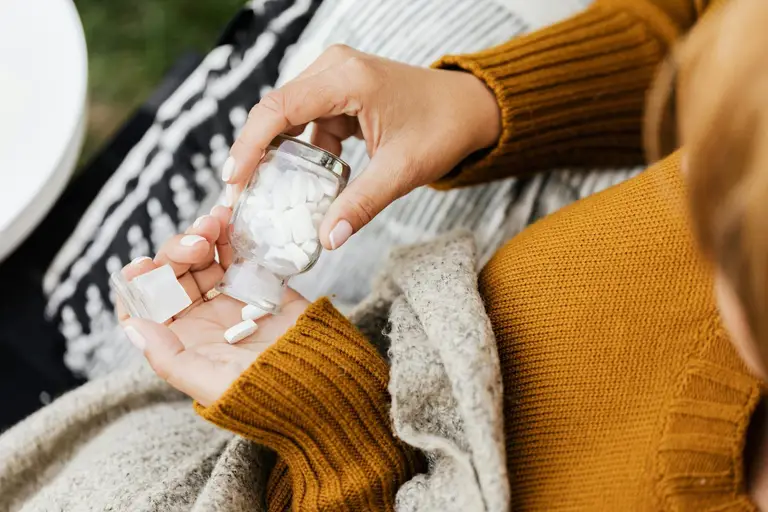
Rapamycin, also known as Sirolimus, is a compound produced by the bacterium Streptomyces hygroscopicus. Originally started as an antifungal, it later became an FDA-approved immunosuppressant for organ transplants. But its strongest impact is blocking a protein known as mechanistic Target of Rapamycin (mTOR).

When mTOR is highly active, usually after a meal or during exercise, your body focuses on building new proteins and growing. If mTOR stays active due to modern habits like frequent snacking and little exercise, your body can't clear the "debris" in its cells. This causes damaged proteins to build up and leads to less cellular cleanup and more inflammation over time.

By using rapamycin, we can temporarily "turn down" the mTOR signal. This process is called Autophagy, where cells break down and recycle damaged components.

Key Cellular Mechanisms Triggered by Rapamycin

  • Autophagy (Cellular Cleanup): This process helps your cells find and recycle damaged proteins and mitochondria.

  • Mitophagy: A specialized form of autophagy that specifically targets old, "leaky" mitochondria, replacing them with more efficient energy producers.

  • Reduced Inflammation: By slowing down cellular growth, rapamycin can lower chronic, low-grade inflammation that drives most age-related diseases.

  • DNA Protection: A 2026 study from the University of Oxford shows that low-dose rapamycin can help T cells resist DNA damage. This may "rejuvenate" the immune system.

Rapamycin Uses: Approved and Emerging Applications

While rapamycin is well established in clinical medicine, its use in the "longevity" space is considered off-label. Here is how the application differs between a hospital setting and a healthy aging protocol.

Approved uses of rapamycin

  • Organ Transplant Support: At high daily doses, it suppresses the immune system to prevent the body from rejecting a new kidney.

  • Cancer Treatment: It is used to stop the runaway growth of certain tumor cells.

  • Rare Lung Disease: It is the primary treatment for Lymphangioleiomyomatosis (LAM).

Emerging Longevity Applications

In the context of rapamycin anti-aging strategies, the goal is not to suppress the immune system entirely, but to "pulse" the drug. Most researchers and longevity doctors explore intermittent dosing of rapamycin, such as once a week.

A key study in 2025, the PEARL Trial (Participatory Evaluation of Aging with Rapamycin for Longevity), gave early long-term data on healthy people. The trial showed that low-dose weekly rapamycin was safe. It also improved lean muscle mass and reduced chronic pain, especially in women.

Rapamycin for Longevity: What the Science Shows

The primary reason scientists are so focused on rapamycin for longevity is its consistency. In the NIA's Interventions Testing Program, rapamycin is the only treatment that has consistently increased mice's lifespan, even when given later in life.

Recent Breakthroughs (2025–2026)

  1. Combination Therapies: In 2025, researchers at the Max Planck Institute discovered that mixing rapamycin with Trametinib extended mice's lifespans by up to 29%. This is a big increase compared to using rapamycin alone.

  1. Immune Rejuvenation: Unlike high-dose transplant use, low-dose rapamycin may actually improve the immune response in older adults. A study published in early 2026 showed that it helped T cells survive stress, potentially lowering the risk of infections in the elderly.

  1. Cardiovascular Health: In 2025, small pilot trials showed that low-dose rapamycin might help older men. It could improve arterial stiffness and blood vessel function.

Is Rapamycin a Supplement?

Is Rapamycin a Supplement?

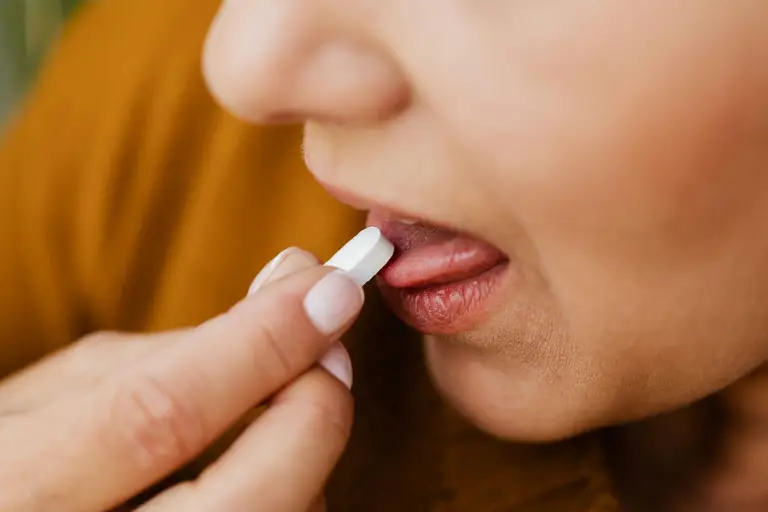
There is a common misconception that you can buy a "rapamycin supplement" over the counter. This is false.

Rapamycin is a potent, regulated medication. Most products labeled as "natural rapamycin supplements" likely do not contain rapamycin. They might be compounds like berberine or curcumin. These can affect the mTOR pathway, but they don’t match the drug's pharmacological profile.

If you are not ready for a pharmacological approach, you can trigger similar pathways through lifestyle change:

  • Intermittent Fasting: Periods without food naturally lower mTOR and trigger autophagy.

  • High-Intensity Exercise: This creates a temporary "stress" on the cell that necessitates repair.

  • Protein Cycling: Reducing protein intake, especially leucine, can mimic some effects of mTOR inhibition.

Risks and Side Effects of Rapamycin

While the benefits are promising, the rapamycin drug has real risks that must be understood. At high doses or improper frequencies, it can lead to side effects that counteract its longevity benefits.

  1. Metabolic Changes: High or continuous doses can lead to elevated blood sugar (insulin resistance) and higher cholesterol levels.

  1. Mouth Sores: Small canker sores are the most common "annoyance" side effect reported by those taking it off-label.

  1. Slowed Healing: Because it inhibits growth, it may slow down the healing of cuts or surgical wounds.

  1. Immune Issues: While low doses can help the immune system, excessive use can increase the risk of infections.

Who Should Be Cautious?

Again, rapamycin is not suitable for casual or unsupervised use. People with weak immune systems or those who get infections easily should be careful when taking rapamycin. People with metabolic conditions, too. If you are considering therapies that affect aging pathways, guidance from your doctor is important.

The Importance of Medical Supervision and Biomarker Tracking


The Importance of Medical Supervision and Biomarker Tracking

Rapamycin shows promise for longevity, but it is a strong medication, not just a regular supplement.

Anyone considering these therapies must work with a physician. Using rapamycin for healthy aging aims to promote repair while preserving your health. To do this safely, you must track specific "safety markers" that can fluctuate during treatment:

  • Metabolic Stability: Rapamycin can lead to "benevolent pseudo-diabetes." This happens when fasting blood glucose rises because the liver enters "starvation mode." Insulin sensitivity, however, may still stay high. Tracking your HbA1c and fasting insulin is the only way to tell this apart from real metabolic dysfunction.

  • Lipid Management: When mTOR is blocked, you might notice a slight increase in LDL cholesterol and triglycerides. This happens because the body starts burning stored fat. A physician must monitor these to ensure they remain within a safe range for your cardiovascular profile.

  • Immune and Blood Health: Even with low-dose "pulsed" protocols, a Complete Blood Count (CBC) is key. It helps keep your white and red blood cell counts optimal. This supports a strong immune system.

Mito Health offers the tools for a proactive, data-driven approach to longevity. Our Core Comprehensive Panel tests more than 100 biomarkers. It shows how interventions like rapamycin affect your biology.

Our blood tests include fasting insulin and HbA1c for metabolic health, ApoB and Lp(a) markers for heart health, and hs-CRP for inflammation. Your results are then reviewed in the context of your lifestyle and family history. You’ll get clear insights and an action plan, plus expert guidance on managing and reducing health risks through a 1:1 consult call.

Take the Guesswork Out of Your Longevity

Rapamycin is arguably the most promising tool we currently have in the pharmacological fight against aging. Shifting our cells from a state of constant growth to one of deep repair addresses the root causes of cellular decline.

However, the science is clear: there is no "one size fits all" dose. The future of longevity is personalized. What works for a 50-year-old woman may be entirely different for a 70-year-old man. The key is to move away from guesswork and toward data-driven health.

If you are interested in rapamycin for longevity, the first step is getting your baseline. You cannot optimize what you do not measure. Mito Health provides advanced biomarker testing. This helps you monitor key factors for longevity, such as inflammation, metabolic health, and cellular function. Sign up today and make smarter decisions about your long-term health.

Frequently Asked Questions

  • What is rapamycin used for?

The uses of rapamycin include preventing organ rejection and treating certain cancers. Off-label, it is used by longevity enthusiasts to promote cellular repair and slow biological aging.

  • Is there a rapamycin supplement?

No. Rapamycin is a prescription drug (Sirolimus). You cannot buy it as a dietary supplement. Natural alternatives like fasting and exercise target similar pathways.

  • How does rapamycin affect the immune system?

At high doses, it suppresses the immune system. However, recent studies suggest that low-dose, "pulsed" rapamycin may actually rejuvenate the immune system in older adults.

  • What are the side effects of rapamycin for anti-aging?

Common side effects include mouth sores and gastrointestinal issues. More serious risks include changes in blood sugar and cholesterol levels, which require medical monitoring.

Related Articles

Resources:

  1. https://doi.org/10.18632/aging.206300

  2. https://www.ndorms.ox.ac.uk/news/rapamycin-helps-protect-immune-cells-against-dna-damage

  3. https://pubmed.ncbi.nlm.nih.gov/40188830

  4. https://doi.org/10.1007/s11357-015-9761-5

  5. https://doi.org/10.1038/s43587-025-00876-4

  6. https://doi.org/10.1111/acel.70364

  7. https://doi.org/10.1007/s11357-025-01855-8


Get a deeper look into your health.

Schedule online, results in a week

Clear guidance, follow-up care available

HSA/FSA Eligible

Comments

Get a deeper look into your health.

Schedule online, results in a week

Clear guidance, follow-up care available

HSA/FSA Eligible

Longevity and Rapamycin: A Complete Science-Backed Guide

Understanding the "mTOR" Switch and the Future of Healthy Aging

Written by

Mito Health

Longevity and Rapamycin: A Complete Science-Backed Guide

Understanding the "mTOR" Switch and the Future of Healthy Aging


Interest in longevity science has shifted from science fiction to practical reality. Today, one molecule dominates the conversation: rapamycin. Originally discovered in the soil of Easter Island (Rapa Nui), this compound is no longer just a niche interest for biohackers. It is now at the center of rigorous clinical trials aimed at redefining how we age.

The excitement surrounding the rapamycin drug isn’t just hype. It is based on decades of research showing that this single compound can extend the lifespan of every species tested—from yeast and flies to mice. But as we move into 2026, the question has changed from "Does it have longevity benefits for healthy adults?”

What Is Rapamycin and How Does It Work?


What Is Rapamycin and How Does It Work?

Rapamycin, also known as Sirolimus, is a compound produced by the bacterium Streptomyces hygroscopicus. Originally started as an antifungal, it later became an FDA-approved immunosuppressant for organ transplants. But its strongest impact is blocking a protein known as mechanistic Target of Rapamycin (mTOR).

When mTOR is highly active, usually after a meal or during exercise, your body focuses on building new proteins and growing. If mTOR stays active due to modern habits like frequent snacking and little exercise, your body can't clear the "debris" in its cells. This causes damaged proteins to build up and leads to less cellular cleanup and more inflammation over time.

By using rapamycin, we can temporarily "turn down" the mTOR signal. This process is called Autophagy, where cells break down and recycle damaged components.

Key Cellular Mechanisms Triggered by Rapamycin

  • Autophagy (Cellular Cleanup): This process helps your cells find and recycle damaged proteins and mitochondria.

  • Mitophagy: A specialized form of autophagy that specifically targets old, "leaky" mitochondria, replacing them with more efficient energy producers.

  • Reduced Inflammation: By slowing down cellular growth, rapamycin can lower chronic, low-grade inflammation that drives most age-related diseases.

  • DNA Protection: A 2026 study from the University of Oxford shows that low-dose rapamycin can help T cells resist DNA damage. This may "rejuvenate" the immune system.

Rapamycin Uses: Approved and Emerging Applications

While rapamycin is well established in clinical medicine, its use in the "longevity" space is considered off-label. Here is how the application differs between a hospital setting and a healthy aging protocol.

Approved uses of rapamycin

  • Organ Transplant Support: At high daily doses, it suppresses the immune system to prevent the body from rejecting a new kidney.

  • Cancer Treatment: It is used to stop the runaway growth of certain tumor cells.

  • Rare Lung Disease: It is the primary treatment for Lymphangioleiomyomatosis (LAM).

Emerging Longevity Applications

In the context of rapamycin anti-aging strategies, the goal is not to suppress the immune system entirely, but to "pulse" the drug. Most researchers and longevity doctors explore intermittent dosing of rapamycin, such as once a week.

A key study in 2025, the PEARL Trial (Participatory Evaluation of Aging with Rapamycin for Longevity), gave early long-term data on healthy people. The trial showed that low-dose weekly rapamycin was safe. It also improved lean muscle mass and reduced chronic pain, especially in women.

Rapamycin for Longevity: What the Science Shows

The primary reason scientists are so focused on rapamycin for longevity is its consistency. In the NIA's Interventions Testing Program, rapamycin is the only treatment that has consistently increased mice's lifespan, even when given later in life.

Recent Breakthroughs (2025–2026)

  1. Combination Therapies: In 2025, researchers at the Max Planck Institute discovered that mixing rapamycin with Trametinib extended mice's lifespans by up to 29%. This is a big increase compared to using rapamycin alone.

  1. Immune Rejuvenation: Unlike high-dose transplant use, low-dose rapamycin may actually improve the immune response in older adults. A study published in early 2026 showed that it helped T cells survive stress, potentially lowering the risk of infections in the elderly.

  1. Cardiovascular Health: In 2025, small pilot trials showed that low-dose rapamycin might help older men. It could improve arterial stiffness and blood vessel function.

Is Rapamycin a Supplement?


Is Rapamycin a Supplement?

There is a common misconception that you can buy a "rapamycin supplement" over the counter. This is false.

Rapamycin is a potent, regulated medication. Most products labeled as "natural rapamycin supplements" likely do not contain rapamycin. They might be compounds like berberine or curcumin. These can affect the mTOR pathway, but they don’t match the drug's pharmacological profile.

If you are not ready for a pharmacological approach, you can trigger similar pathways through lifestyle change:

  • Intermittent Fasting: Periods without food naturally lower mTOR and trigger autophagy.

  • High-Intensity Exercise: This creates a temporary "stress" on the cell that necessitates repair.

  • Protein Cycling: Reducing protein intake, especially leucine, can mimic some effects of mTOR inhibition.

Risks and Side Effects of Rapamycin

While the benefits are promising, the rapamycin drug has real risks that must be understood. At high doses or improper frequencies, it can lead to side effects that counteract its longevity benefits.

  1. Metabolic Changes: High or continuous doses can lead to elevated blood sugar (insulin resistance) and higher cholesterol levels.

  1. Mouth Sores: Small canker sores are the most common "annoyance" side effect reported by those taking it off-label.

  1. Slowed Healing: Because it inhibits growth, it may slow down the healing of cuts or surgical wounds.

  1. Immune Issues: While low doses can help the immune system, excessive use can increase the risk of infections.

Who Should Be Cautious?

Again, rapamycin is not suitable for casual or unsupervised use. People with weak immune systems or those who get infections easily should be careful when taking rapamycin. People with metabolic conditions, too. If you are considering therapies that affect aging pathways, guidance from your doctor is important.

The Importance of Medical Supervision and Biomarker Tracking


The Importance of Medical Supervision and Biomarker Tracking

Rapamycin shows promise for longevity, but it is a strong medication, not just a regular supplement.

Anyone considering these therapies must work with a physician. Using rapamycin for healthy aging aims to promote repair while preserving your health. To do this safely, you must track specific "safety markers" that can fluctuate during treatment:

  • Metabolic Stability: Rapamycin can lead to "benevolent pseudo-diabetes." This happens when fasting blood glucose rises because the liver enters "starvation mode." Insulin sensitivity, however, may still stay high. Tracking your HbA1c and fasting insulin is the only way to tell this apart from real metabolic dysfunction.

  • Lipid Management: When mTOR is blocked, you might notice a slight increase in LDL cholesterol and triglycerides. This happens because the body starts burning stored fat. A physician must monitor these to ensure they remain within a safe range for your cardiovascular profile.

  • Immune and Blood Health: Even with low-dose "pulsed" protocols, a Complete Blood Count (CBC) is key. It helps keep your white and red blood cell counts optimal. This supports a strong immune system.

Mito Health offers the tools for a proactive, data-driven approach to longevity. Our Core Comprehensive Panel tests more than 100 biomarkers. It shows how interventions like rapamycin affect your biology.

Our blood tests include fasting insulin and HbA1c for metabolic health, ApoB and Lp(a) markers for heart health, and hs-CRP for inflammation. Your results are then reviewed in the context of your lifestyle and family history. You’ll get clear insights and an action plan, plus expert guidance on managing and reducing health risks through a 1:1 consult call.

Take the Guesswork Out of Your Longevity

Rapamycin is arguably the most promising tool we currently have in the pharmacological fight against aging. Shifting our cells from a state of constant growth to one of deep repair addresses the root causes of cellular decline.

However, the science is clear: there is no "one size fits all" dose. The future of longevity is personalized. What works for a 50-year-old woman may be entirely different for a 70-year-old man. The key is to move away from guesswork and toward data-driven health.

If you are interested in rapamycin for longevity, the first step is getting your baseline. You cannot optimize what you do not measure. Mito Health provides advanced biomarker testing. This helps you monitor key factors for longevity, such as inflammation, metabolic health, and cellular function. Sign up today and make smarter decisions about your long-term health.

Frequently Asked Questions

  • What is rapamycin used for?

The uses of rapamycin include preventing organ rejection and treating certain cancers. Off-label, it is used by longevity enthusiasts to promote cellular repair and slow biological aging.

  • Is there a rapamycin supplement?

No. Rapamycin is a prescription drug (Sirolimus). You cannot buy it as a dietary supplement. Natural alternatives like fasting and exercise target similar pathways.

  • How does rapamycin affect the immune system?

At high doses, it suppresses the immune system. However, recent studies suggest that low-dose, "pulsed" rapamycin may actually rejuvenate the immune system in older adults.

  • What are the side effects of rapamycin for anti-aging?

Common side effects include mouth sores and gastrointestinal issues. More serious risks include changes in blood sugar and cholesterol levels, which require medical monitoring.

Related Articles

Resources:

  1. https://doi.org/10.18632/aging.206300

  2. https://www.ndorms.ox.ac.uk/news/rapamycin-helps-protect-immune-cells-against-dna-damage

  3. https://pubmed.ncbi.nlm.nih.gov/40188830

  4. https://doi.org/10.1007/s11357-015-9761-5

  5. https://doi.org/10.1038/s43587-025-00876-4

  6. https://doi.org/10.1111/acel.70364

  7. https://doi.org/10.1007/s11357-025-01855-8


Get a deeper look into your health.

Schedule online, results in a week

Clear guidance, follow-up care available

HSA/FSA Eligible

Comments

Longevity and Rapamycin: A Complete Science-Backed Guide

Understanding the "mTOR" Switch and the Future of Healthy Aging

Written by

Mito Health

Longevity and Rapamycin: A Complete Science-Backed Guide

Understanding the "mTOR" Switch and the Future of Healthy Aging


Interest in longevity science has shifted from science fiction to practical reality. Today, one molecule dominates the conversation: rapamycin. Originally discovered in the soil of Easter Island (Rapa Nui), this compound is no longer just a niche interest for biohackers. It is now at the center of rigorous clinical trials aimed at redefining how we age.

The excitement surrounding the rapamycin drug isn’t just hype. It is based on decades of research showing that this single compound can extend the lifespan of every species tested—from yeast and flies to mice. But as we move into 2026, the question has changed from "Does it have longevity benefits for healthy adults?”

What Is Rapamycin and How Does It Work?


What Is Rapamycin and How Does It Work?

Rapamycin, also known as Sirolimus, is a compound produced by the bacterium Streptomyces hygroscopicus. Originally started as an antifungal, it later became an FDA-approved immunosuppressant for organ transplants. But its strongest impact is blocking a protein known as mechanistic Target of Rapamycin (mTOR).

When mTOR is highly active, usually after a meal or during exercise, your body focuses on building new proteins and growing. If mTOR stays active due to modern habits like frequent snacking and little exercise, your body can't clear the "debris" in its cells. This causes damaged proteins to build up and leads to less cellular cleanup and more inflammation over time.

By using rapamycin, we can temporarily "turn down" the mTOR signal. This process is called Autophagy, where cells break down and recycle damaged components.

Key Cellular Mechanisms Triggered by Rapamycin

  • Autophagy (Cellular Cleanup): This process helps your cells find and recycle damaged proteins and mitochondria.

  • Mitophagy: A specialized form of autophagy that specifically targets old, "leaky" mitochondria, replacing them with more efficient energy producers.

  • Reduced Inflammation: By slowing down cellular growth, rapamycin can lower chronic, low-grade inflammation that drives most age-related diseases.

  • DNA Protection: A 2026 study from the University of Oxford shows that low-dose rapamycin can help T cells resist DNA damage. This may "rejuvenate" the immune system.

Rapamycin Uses: Approved and Emerging Applications

While rapamycin is well established in clinical medicine, its use in the "longevity" space is considered off-label. Here is how the application differs between a hospital setting and a healthy aging protocol.

Approved uses of rapamycin

  • Organ Transplant Support: At high daily doses, it suppresses the immune system to prevent the body from rejecting a new kidney.

  • Cancer Treatment: It is used to stop the runaway growth of certain tumor cells.

  • Rare Lung Disease: It is the primary treatment for Lymphangioleiomyomatosis (LAM).

Emerging Longevity Applications

In the context of rapamycin anti-aging strategies, the goal is not to suppress the immune system entirely, but to "pulse" the drug. Most researchers and longevity doctors explore intermittent dosing of rapamycin, such as once a week.

A key study in 2025, the PEARL Trial (Participatory Evaluation of Aging with Rapamycin for Longevity), gave early long-term data on healthy people. The trial showed that low-dose weekly rapamycin was safe. It also improved lean muscle mass and reduced chronic pain, especially in women.

Rapamycin for Longevity: What the Science Shows

The primary reason scientists are so focused on rapamycin for longevity is its consistency. In the NIA's Interventions Testing Program, rapamycin is the only treatment that has consistently increased mice's lifespan, even when given later in life.

Recent Breakthroughs (2025–2026)

  1. Combination Therapies: In 2025, researchers at the Max Planck Institute discovered that mixing rapamycin with Trametinib extended mice's lifespans by up to 29%. This is a big increase compared to using rapamycin alone.

  1. Immune Rejuvenation: Unlike high-dose transplant use, low-dose rapamycin may actually improve the immune response in older adults. A study published in early 2026 showed that it helped T cells survive stress, potentially lowering the risk of infections in the elderly.

  1. Cardiovascular Health: In 2025, small pilot trials showed that low-dose rapamycin might help older men. It could improve arterial stiffness and blood vessel function.

Is Rapamycin a Supplement?


Is Rapamycin a Supplement?

There is a common misconception that you can buy a "rapamycin supplement" over the counter. This is false.

Rapamycin is a potent, regulated medication. Most products labeled as "natural rapamycin supplements" likely do not contain rapamycin. They might be compounds like berberine or curcumin. These can affect the mTOR pathway, but they don’t match the drug's pharmacological profile.

If you are not ready for a pharmacological approach, you can trigger similar pathways through lifestyle change:

  • Intermittent Fasting: Periods without food naturally lower mTOR and trigger autophagy.

  • High-Intensity Exercise: This creates a temporary "stress" on the cell that necessitates repair.

  • Protein Cycling: Reducing protein intake, especially leucine, can mimic some effects of mTOR inhibition.

Risks and Side Effects of Rapamycin

While the benefits are promising, the rapamycin drug has real risks that must be understood. At high doses or improper frequencies, it can lead to side effects that counteract its longevity benefits.

  1. Metabolic Changes: High or continuous doses can lead to elevated blood sugar (insulin resistance) and higher cholesterol levels.

  1. Mouth Sores: Small canker sores are the most common "annoyance" side effect reported by those taking it off-label.

  1. Slowed Healing: Because it inhibits growth, it may slow down the healing of cuts or surgical wounds.

  1. Immune Issues: While low doses can help the immune system, excessive use can increase the risk of infections.

Who Should Be Cautious?

Again, rapamycin is not suitable for casual or unsupervised use. People with weak immune systems or those who get infections easily should be careful when taking rapamycin. People with metabolic conditions, too. If you are considering therapies that affect aging pathways, guidance from your doctor is important.

The Importance of Medical Supervision and Biomarker Tracking


The Importance of Medical Supervision and Biomarker Tracking

Rapamycin shows promise for longevity, but it is a strong medication, not just a regular supplement.

Anyone considering these therapies must work with a physician. Using rapamycin for healthy aging aims to promote repair while preserving your health. To do this safely, you must track specific "safety markers" that can fluctuate during treatment:

  • Metabolic Stability: Rapamycin can lead to "benevolent pseudo-diabetes." This happens when fasting blood glucose rises because the liver enters "starvation mode." Insulin sensitivity, however, may still stay high. Tracking your HbA1c and fasting insulin is the only way to tell this apart from real metabolic dysfunction.

  • Lipid Management: When mTOR is blocked, you might notice a slight increase in LDL cholesterol and triglycerides. This happens because the body starts burning stored fat. A physician must monitor these to ensure they remain within a safe range for your cardiovascular profile.

  • Immune and Blood Health: Even with low-dose "pulsed" protocols, a Complete Blood Count (CBC) is key. It helps keep your white and red blood cell counts optimal. This supports a strong immune system.

Mito Health offers the tools for a proactive, data-driven approach to longevity. Our Core Comprehensive Panel tests more than 100 biomarkers. It shows how interventions like rapamycin affect your biology.

Our blood tests include fasting insulin and HbA1c for metabolic health, ApoB and Lp(a) markers for heart health, and hs-CRP for inflammation. Your results are then reviewed in the context of your lifestyle and family history. You’ll get clear insights and an action plan, plus expert guidance on managing and reducing health risks through a 1:1 consult call.

Take the Guesswork Out of Your Longevity

Rapamycin is arguably the most promising tool we currently have in the pharmacological fight against aging. Shifting our cells from a state of constant growth to one of deep repair addresses the root causes of cellular decline.

However, the science is clear: there is no "one size fits all" dose. The future of longevity is personalized. What works for a 50-year-old woman may be entirely different for a 70-year-old man. The key is to move away from guesswork and toward data-driven health.

If you are interested in rapamycin for longevity, the first step is getting your baseline. You cannot optimize what you do not measure. Mito Health provides advanced biomarker testing. This helps you monitor key factors for longevity, such as inflammation, metabolic health, and cellular function. Sign up today and make smarter decisions about your long-term health.

Frequently Asked Questions

  • What is rapamycin used for?

The uses of rapamycin include preventing organ rejection and treating certain cancers. Off-label, it is used by longevity enthusiasts to promote cellular repair and slow biological aging.

  • Is there a rapamycin supplement?

No. Rapamycin is a prescription drug (Sirolimus). You cannot buy it as a dietary supplement. Natural alternatives like fasting and exercise target similar pathways.

  • How does rapamycin affect the immune system?

At high doses, it suppresses the immune system. However, recent studies suggest that low-dose, "pulsed" rapamycin may actually rejuvenate the immune system in older adults.

  • What are the side effects of rapamycin for anti-aging?

Common side effects include mouth sores and gastrointestinal issues. More serious risks include changes in blood sugar and cholesterol levels, which require medical monitoring.

Related Articles

Resources:

  1. https://doi.org/10.18632/aging.206300

  2. https://www.ndorms.ox.ac.uk/news/rapamycin-helps-protect-immune-cells-against-dna-damage

  3. https://pubmed.ncbi.nlm.nih.gov/40188830

  4. https://doi.org/10.1007/s11357-015-9761-5

  5. https://doi.org/10.1038/s43587-025-00876-4

  6. https://doi.org/10.1111/acel.70364

  7. https://doi.org/10.1007/s11357-025-01855-8


Get a deeper look into your health.

Schedule online, results in a week

Clear guidance, follow-up care available

HSA/FSA Eligible

Comments

Longevity and Rapamycin: A Complete Science-Backed Guide

Understanding the "mTOR" Switch and the Future of Healthy Aging

Written by

Mito Health

Longevity and Rapamycin: A Complete Science-Backed Guide

Understanding the "mTOR" Switch and the Future of Healthy Aging


Interest in longevity science has shifted from science fiction to practical reality. Today, one molecule dominates the conversation: rapamycin. Originally discovered in the soil of Easter Island (Rapa Nui), this compound is no longer just a niche interest for biohackers. It is now at the center of rigorous clinical trials aimed at redefining how we age.

The excitement surrounding the rapamycin drug isn’t just hype. It is based on decades of research showing that this single compound can extend the lifespan of every species tested—from yeast and flies to mice. But as we move into 2026, the question has changed from "Does it have longevity benefits for healthy adults?”

What Is Rapamycin and How Does It Work?


What Is Rapamycin and How Does It Work?

Rapamycin, also known as Sirolimus, is a compound produced by the bacterium Streptomyces hygroscopicus. Originally started as an antifungal, it later became an FDA-approved immunosuppressant for organ transplants. But its strongest impact is blocking a protein known as mechanistic Target of Rapamycin (mTOR).

When mTOR is highly active, usually after a meal or during exercise, your body focuses on building new proteins and growing. If mTOR stays active due to modern habits like frequent snacking and little exercise, your body can't clear the "debris" in its cells. This causes damaged proteins to build up and leads to less cellular cleanup and more inflammation over time.

By using rapamycin, we can temporarily "turn down" the mTOR signal. This process is called Autophagy, where cells break down and recycle damaged components.

Key Cellular Mechanisms Triggered by Rapamycin

  • Autophagy (Cellular Cleanup): This process helps your cells find and recycle damaged proteins and mitochondria.

  • Mitophagy: A specialized form of autophagy that specifically targets old, "leaky" mitochondria, replacing them with more efficient energy producers.

  • Reduced Inflammation: By slowing down cellular growth, rapamycin can lower chronic, low-grade inflammation that drives most age-related diseases.

  • DNA Protection: A 2026 study from the University of Oxford shows that low-dose rapamycin can help T cells resist DNA damage. This may "rejuvenate" the immune system.

Rapamycin Uses: Approved and Emerging Applications

While rapamycin is well established in clinical medicine, its use in the "longevity" space is considered off-label. Here is how the application differs between a hospital setting and a healthy aging protocol.

Approved uses of rapamycin

  • Organ Transplant Support: At high daily doses, it suppresses the immune system to prevent the body from rejecting a new kidney.

  • Cancer Treatment: It is used to stop the runaway growth of certain tumor cells.

  • Rare Lung Disease: It is the primary treatment for Lymphangioleiomyomatosis (LAM).

Emerging Longevity Applications

In the context of rapamycin anti-aging strategies, the goal is not to suppress the immune system entirely, but to "pulse" the drug. Most researchers and longevity doctors explore intermittent dosing of rapamycin, such as once a week.

A key study in 2025, the PEARL Trial (Participatory Evaluation of Aging with Rapamycin for Longevity), gave early long-term data on healthy people. The trial showed that low-dose weekly rapamycin was safe. It also improved lean muscle mass and reduced chronic pain, especially in women.

Rapamycin for Longevity: What the Science Shows

The primary reason scientists are so focused on rapamycin for longevity is its consistency. In the NIA's Interventions Testing Program, rapamycin is the only treatment that has consistently increased mice's lifespan, even when given later in life.

Recent Breakthroughs (2025–2026)

  1. Combination Therapies: In 2025, researchers at the Max Planck Institute discovered that mixing rapamycin with Trametinib extended mice's lifespans by up to 29%. This is a big increase compared to using rapamycin alone.

  1. Immune Rejuvenation: Unlike high-dose transplant use, low-dose rapamycin may actually improve the immune response in older adults. A study published in early 2026 showed that it helped T cells survive stress, potentially lowering the risk of infections in the elderly.

  1. Cardiovascular Health: In 2025, small pilot trials showed that low-dose rapamycin might help older men. It could improve arterial stiffness and blood vessel function.

Is Rapamycin a Supplement?


Is Rapamycin a Supplement?

There is a common misconception that you can buy a "rapamycin supplement" over the counter. This is false.

Rapamycin is a potent, regulated medication. Most products labeled as "natural rapamycin supplements" likely do not contain rapamycin. They might be compounds like berberine or curcumin. These can affect the mTOR pathway, but they don’t match the drug's pharmacological profile.

If you are not ready for a pharmacological approach, you can trigger similar pathways through lifestyle change:

  • Intermittent Fasting: Periods without food naturally lower mTOR and trigger autophagy.

  • High-Intensity Exercise: This creates a temporary "stress" on the cell that necessitates repair.

  • Protein Cycling: Reducing protein intake, especially leucine, can mimic some effects of mTOR inhibition.

Risks and Side Effects of Rapamycin

While the benefits are promising, the rapamycin drug has real risks that must be understood. At high doses or improper frequencies, it can lead to side effects that counteract its longevity benefits.

  1. Metabolic Changes: High or continuous doses can lead to elevated blood sugar (insulin resistance) and higher cholesterol levels.

  1. Mouth Sores: Small canker sores are the most common "annoyance" side effect reported by those taking it off-label.

  1. Slowed Healing: Because it inhibits growth, it may slow down the healing of cuts or surgical wounds.

  1. Immune Issues: While low doses can help the immune system, excessive use can increase the risk of infections.

Who Should Be Cautious?

Again, rapamycin is not suitable for casual or unsupervised use. People with weak immune systems or those who get infections easily should be careful when taking rapamycin. People with metabolic conditions, too. If you are considering therapies that affect aging pathways, guidance from your doctor is important.

The Importance of Medical Supervision and Biomarker Tracking


The Importance of Medical Supervision and Biomarker Tracking

Rapamycin shows promise for longevity, but it is a strong medication, not just a regular supplement.

Anyone considering these therapies must work with a physician. Using rapamycin for healthy aging aims to promote repair while preserving your health. To do this safely, you must track specific "safety markers" that can fluctuate during treatment:

  • Metabolic Stability: Rapamycin can lead to "benevolent pseudo-diabetes." This happens when fasting blood glucose rises because the liver enters "starvation mode." Insulin sensitivity, however, may still stay high. Tracking your HbA1c and fasting insulin is the only way to tell this apart from real metabolic dysfunction.

  • Lipid Management: When mTOR is blocked, you might notice a slight increase in LDL cholesterol and triglycerides. This happens because the body starts burning stored fat. A physician must monitor these to ensure they remain within a safe range for your cardiovascular profile.

  • Immune and Blood Health: Even with low-dose "pulsed" protocols, a Complete Blood Count (CBC) is key. It helps keep your white and red blood cell counts optimal. This supports a strong immune system.

Mito Health offers the tools for a proactive, data-driven approach to longevity. Our Core Comprehensive Panel tests more than 100 biomarkers. It shows how interventions like rapamycin affect your biology.

Our blood tests include fasting insulin and HbA1c for metabolic health, ApoB and Lp(a) markers for heart health, and hs-CRP for inflammation. Your results are then reviewed in the context of your lifestyle and family history. You’ll get clear insights and an action plan, plus expert guidance on managing and reducing health risks through a 1:1 consult call.

Take the Guesswork Out of Your Longevity

Rapamycin is arguably the most promising tool we currently have in the pharmacological fight against aging. Shifting our cells from a state of constant growth to one of deep repair addresses the root causes of cellular decline.

However, the science is clear: there is no "one size fits all" dose. The future of longevity is personalized. What works for a 50-year-old woman may be entirely different for a 70-year-old man. The key is to move away from guesswork and toward data-driven health.

If you are interested in rapamycin for longevity, the first step is getting your baseline. You cannot optimize what you do not measure. Mito Health provides advanced biomarker testing. This helps you monitor key factors for longevity, such as inflammation, metabolic health, and cellular function. Sign up today and make smarter decisions about your long-term health.

Frequently Asked Questions

  • What is rapamycin used for?

The uses of rapamycin include preventing organ rejection and treating certain cancers. Off-label, it is used by longevity enthusiasts to promote cellular repair and slow biological aging.

  • Is there a rapamycin supplement?

No. Rapamycin is a prescription drug (Sirolimus). You cannot buy it as a dietary supplement. Natural alternatives like fasting and exercise target similar pathways.

  • How does rapamycin affect the immune system?

At high doses, it suppresses the immune system. However, recent studies suggest that low-dose, "pulsed" rapamycin may actually rejuvenate the immune system in older adults.

  • What are the side effects of rapamycin for anti-aging?

Common side effects include mouth sores and gastrointestinal issues. More serious risks include changes in blood sugar and cholesterol levels, which require medical monitoring.

Related Articles

Resources:

  1. https://doi.org/10.18632/aging.206300

  2. https://www.ndorms.ox.ac.uk/news/rapamycin-helps-protect-immune-cells-against-dna-damage

  3. https://pubmed.ncbi.nlm.nih.gov/40188830

  4. https://doi.org/10.1007/s11357-015-9761-5

  5. https://doi.org/10.1038/s43587-025-00876-4

  6. https://doi.org/10.1111/acel.70364

  7. https://doi.org/10.1007/s11357-025-01855-8


Get a deeper look into your health.

Schedule online, results in a week

Clear guidance, follow-up care available

HSA/FSA Eligible

Get a deeper look into your health.

Schedule online, results in a week

Clear guidance, follow-up care available

HSA/FSA Eligible

Comments

What's included

1 Comprehensive lab test with over 100+ biomarkers

One appointment, test at 2,000+ labs nationwide

Insights calibrated to your biology

Recommendations informed by your ethnicity, lifestyle, and history. Not generic ranges.

1:1 Consultation

Meet with your dedicated care team to review your results and define next steps

Lifetime health record tracking

Upload past labs and monitor your progress over time

Biological age analysis

See how your body is aging and what’s driving it

Order add-on tests and scans anytime

Access to advanced diagnostics at discounted rates for members

Concierge-level care, made accessible.

Mito Health Membership

Codeveloped with experts at MIT & Stanford

Less than $1/ day

Billed annually - cancel anytime

Bundle options:

Individual

$399

$349

/year

or 4 interest-free payments of $87.25*

Duo Bundle

(For 2)

$798

$660

/year

or 4 interest-free payments of $167*

Pricing for members in NY, NJ & RI may vary.

Checkout with HSA/FSA

Secure, private platform

What's included

1 Comprehensive lab test with over 100+ biomarkers

One appointment, test at 2,000+ labs nationwide

Insights calibrated to your biology

Recommendations informed by your ethnicity, lifestyle, and history. Not generic ranges.

1:1 Consultation

Meet with your dedicated care team to review your results and define next steps

Lifetime health record tracking

Upload past labs and monitor your progress over time

Biological age analysis

See how your body is aging and what’s driving it

Order add-on tests and scans anytime

Access to advanced diagnostics at discounted rates for members

Concierge-level care, made accessible.

Mito Health Membership

Codeveloped with experts at MIT & Stanford

Less than $1/ day

Billed annually - cancel anytime

Bundle options:

Individual

$399

$349

/year

or 4 interest-free payments of $87.25*

Duo Bundle (For 2)

$798

$660

/year

or 4 interest-free payments of $167*

Pricing for members in NY, NJ & RI may vary.

Checkout with HSA/FSA

Secure, private platform

What's included

1 Comprehensive lab test with over 100+ biomarkers

One appointment, test at 2,000+ labs nationwide

Insights calibrated to your biology

Recommendations informed by your ethnicity, lifestyle, and history. Not generic ranges.

1:1 Consultation

Meet with your dedicated care team to review your results and define next steps

Lifetime health record tracking

Upload past labs and monitor your progress over time

Biological age analysis

See how your body is aging and what’s driving it

Order add-on tests and scans anytime

Access to advanced diagnostics at discounted rates for members

Concierge-level care, made accessible.

Mito Health Membership

Codeveloped with experts at MIT & Stanford

Less than $1/ day

Billed annually - cancel anytime

Bundle options:

Individual

$399

$349

/year

or 4 payments of $87.25*

Duo Bundle
(For 2)

$798

$660

/year

or 4 payments of $167*

Pricing for members in NY, NJ & RI may vary.

Checkout with HSA/FSA

Secure, private platform

10x more value at a fraction of the walk-in price.

Healthcare built for your body. Finally.

10x more value at a fraction of the walk-in price.

10x more value at a fraction of the walk-in price.

The information provided by Mito Health is for improving your overall health and wellness only and is not intended to provide medical advice, diagnosis, or treatment. We engage the services of partner clinics authorised to order the tests and to receive your blood test results prior to making Mito Health analytics and recommendations available to you. These interactions are not intended to create, nor do they create, a doctor-patient relationship. You should seek the advice of a doctor or other qualified health provider with whom you have such a relationship if you are experiencing any symptoms of, or believe you may have, any medical or psychiatric condition. You should not ignore professional medical advice or delay in seeking it because of Mito Health recommendations or analysis. This service should not be used for medical diagnosis or treatment. The recommendations contained herein are not intended to diagnose, treat, cure or prevent any disease. You should always consult your clinician or other qualified health provider before starting any new treatment or stopping any treatment that has been prescribed for you by your clinician or other qualified health provider.

The information provided by Mito Health is for improving your overall health and wellness only and is not intended to provide medical advice, diagnosis, or treatment. We engage the services of partner clinics authorised to order the tests and to receive your blood test results prior to making Mito Health analytics and recommendations available to you. These interactions are not intended to create, nor do they create, a doctor-patient relationship. You should seek the advice of a doctor or other qualified health provider with whom you have such a relationship if you are experiencing any symptoms of, or believe you may have, any medical or psychiatric condition. You should not ignore professional medical advice or delay in seeking it because of Mito Health recommendations or analysis. This service should not be used for medical diagnosis or treatment. The recommendations contained herein are not intended to diagnose, treat, cure or prevent any disease. You should always consult your clinician or other qualified health provider before starting any new treatment or stopping any treatment that has been prescribed for you by your clinician or other qualified health provider.

The information provided by Mito Health is for improving your overall health and wellness only and is not intended to provide medical advice, diagnosis, or treatment. We engage the services of partner clinics authorised to order the tests and to receive your blood test results prior to making Mito Health analytics and recommendations available to you. These interactions are not intended to create, nor do they create, a doctor-patient relationship. You should seek the advice of a doctor or other qualified health provider with whom you have such a relationship if you are experiencing any symptoms of, or believe you may have, any medical or psychiatric condition. You should not ignore professional medical advice or delay in seeking it because of Mito Health recommendations or analysis. This service should not be used for medical diagnosis or treatment. The recommendations contained herein are not intended to diagnose, treat, cure or prevent any disease. You should always consult your clinician or other qualified health provider before starting any new treatment or stopping any treatment that has been prescribed for you by your clinician or other qualified health provider.