
Order homocysteine testing from $44.
Schedule online, results in a week
Clear guidance, follow-up care available
HSA/FSA Eligible
How to Test NAD⁺ Levels: A Guide to Longevity, Energy, and NMN Supplementation
An NAD⁺ levels test gives you a baseline and determines whether your body may benefit from targeted supplements

Written by
Mito Health

An NAD⁺ levels test gives you a baseline and determines whether your body may benefit from targeted supplements
NAD⁺ plays a key role in how your body produces energy, repairs DNA, and maintains overall cellular health. However, these levels decline over time, impacting energy, recovery, and long-term health. This decline explains the growing interest in longevity science and testing NAD⁺ levels before starting supplements like NMN.
Why NAD⁺ Levels Matter for Longevity
NAD⁺ powers your metabolism, repairs damaged DNA, and maintains cellular function. It also activates sirtuins, which help regulate inflammation, stress response, and metabolic health.
And as we age, NAD⁺ levels drop by 40 to 50%, making biological processes less efficient. As a result, we feel more tired, recover slowly, and experience more cellular damage.
From a longevity standpoint, NAD⁺ levels reflect how well your body can sustain and repair itself. Lower levels are often associated with reduced mitochondrial function, increased oxidative stress, and a higher risk of age-related functional decline. Because these levels directly impact your cellular health, monitoring them is a vital step in managing the aging process.
What an NAD⁺ Levels Test Measures
NAD⁺ testing measures the amount of NAD⁺ available in your body for essential cellular functions. Most tests measure:
NAD⁺ (active form)
NADH (energy-carrying form)
NAD⁺/NADH ratio
Some advanced tests check NAD⁺ levels in your cells. Measuring intracellular NAD⁺ gives a clearer picture of how your body is working than standard metabolic panels. Because NAD⁺ is crucial for mitochondrial function, your levels indicate the cellular environment needed for energy production.
How to Test NAD⁺ Levels
1. Blood Test
A blood test is the most common way to measure NAD⁺ levels. You can use a standard venous blood draw or a finger-prick test with an at-home kit, making testing accessible to most people. This test helps you find your baseline and track progress after adjusting your lifestyle or supplements.
2. At-Home Dried Blood Spot Test
This method offers a convenient way to test your levels without visiting a clinic. You collect a small blood sample using a finger prick and send it to a lab, with results usually ready within one to two weeks. While slightly less precise than traditional lab draws, this method is widely used for ongoing monitoring.
3. Intracellular NAD⁺ Testing
Intracellular NAD⁺ testing is a more precise method to measure cellular NAD⁺, where the molecule is most active. This approach provides a clearer picture of metabolic health and cell activity.
Intracellular testing on cellular energy production helps longevity-focused individuals make better decisions about their supplements and lifestyle. Although less widely available, this approach offers a more accurate reflection of how NAD⁺ functions in the body.
Understanding Your NAD Blood Test Result

Your NAD blood test result shows how much NAD⁺ is present in your blood. NAD⁺ is important because it helps your cells make energy, repair DNA, and stay healthy. Interpreting this result is tricky. There is no agreed-upon “normal” or “optimal” range in medical guidelines.
Human studies show that NAD⁺ levels can vary depending on how the test is done. In healthy adults, whole-blood NAD⁺ levels usually range from about 10 to 20 μM. This can vary based on the study and method used. Other research shows that plasma NAD⁺ levels are much lower, often in the nanomolar range, because most NAD⁺ remains inside cells instead of circulating in the blood.
Some research also shows that NAD⁺ levels can change with age, health status, and metabolic conditions. Lower NAD⁺ levels appear in some diseases and with aging. This is why researchers study NAD⁺ in relation to healthy aging and metabolism.
Some longevity tests suggest wider reference ranges due to these differences. For whole blood, this range is about 40, 100 μM.
NAD Level Pattern | What Studies Suggest | What It May Mean |
Lower levels | Seen more often in aging and some disease states | May reflect reduced cellular energy or stress |
Typical range | Whole blood values are often around ~10, 20 μM in healthy adults | Normal variation between individuals |
Higher readings | Seen in some younger or metabolically healthier groups (varies widely) | May reflect stronger metabolic function |
So, instead of focusing on a single “ideal number,” researchers recommend looking at your results over time, your age, and lifestyle, and other health markers like energy, recovery, and metabolism
How to Boost NAD Levels Naturally
Exercise
Regular exercise is one of the most effective ways to increase NAD⁺ levels. Physical activity stimulates mitochondrial activity and encourages your body to produce more NAD⁺ to meet energy demands. Both resistance training and high-intensity workouts have been shown to support this process.
Sleep
Sleep supports NAD⁺ levels by aligning with your circadian rhythm. Poor or inconsistent sleep increases cellular stress and reduces your body’s ability to replenish NAD⁺. Prioritizing consistent, high-quality sleep supports recovery and maintains healthy NAD⁺ levels.
Nutrition and diet
Nutrition also supports NAD⁺ production, especially through vitamin B3 (niacin). Foods like meat, fish, and whole grains provide the building blocks your body needs to produce NAD⁺. A balanced diet ensures your system receives consistent support to maintain healthy levels.
Calorie restriction and intermittent fasting can help increase NAD⁺ levels by activating processes like autophagy. This process improves cellular repair and efficiency, which helps preserve NAD⁺ over time. Even small adjustments in meal timing can make a difference.
Alcohol limitation
Reducing alcohol intake is another important factor. Alcohol metabolism requires NAD⁺, which can quickly deplete your NAD⁺ levels if intake is frequent or excessive. Limiting alcohol helps preserve NAD⁺ for more essential cellular functions.
When to Consider NMN Supplementation
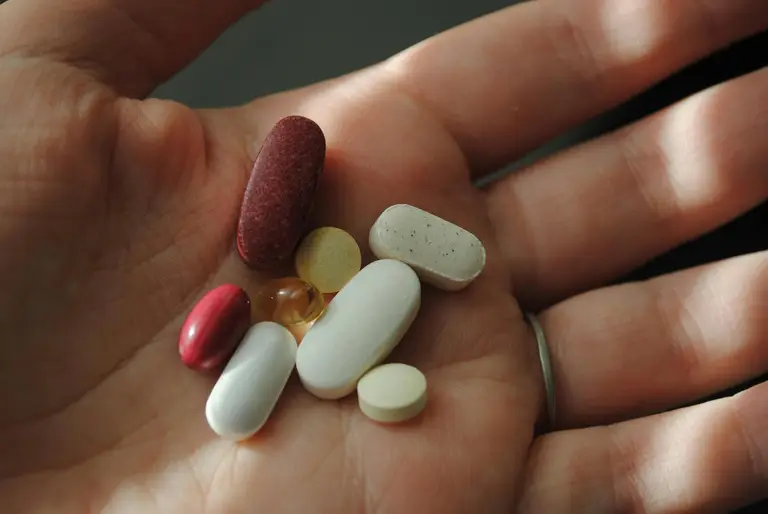
NAD⁺ levels drop naturally as you age, especially after your 30s. As a result, supplementation becomes increasingly important over time. In these cases, NMN supplementation can help support your body’s ability to restore NAD⁺ and maintain cellular function.
Consider NMN if | When NMN May Not Be Necessary |
|
|
How to Use NMN Strategically
Start with 250, 500 mg daily
Take in the morning
Stay consistent
Then repeat your NAD levels test after 4, 12 weeks.
Supplementation works best when it is targeted and data-driven. Diet and exercise provide the foundation for cellular health. These habits are your primary maintenance tools if your NAD levels are already optimal.
Testing before and after taking NMN shows if the supplement effectively increases your NAD levels.
How NAD Testing Fits Into Preventive Health
NAD is only one part of your health picture. For a complete view, it should be combined with other markers like blood sugar, inflammation, and nutrient levels. This is where comprehensive testing becomes valuable.
Mito Health’s core blood panel offers testing for over 100 biomarkers that support NAD testing. This gives you a deeper understanding of your health and how long you live. Sign up at Mito Health and explore a better way to monitor your NAD levels.
Frequently Asked Questions
Is a blood test for NAD levels accurate?
An NAD blood test result shows how much NAD⁺ is available for energy production and cellular repair. It helps assess metabolic and cellular health.
What does a NAD blood test result show?
A NAD blood test result shows how much NAD⁺ is available for energy production and cellular repair. It helps assess metabolic and cellular health.
How often should I test NAD levels?
Testing every 2 to 3 months is common when tracking changes, especially after starting NMN or making lifestyle adjustments.
Can I increase NAD levels without supplements?
Yes. Exercise, sleep, nutrition, and reducing alcohol intake can all naturally improve NAD levels.
Do I need NMN if my NAD levels are normal?
Not necessarily. If your NAD levels are already in a good range, lifestyle optimization may be enough.
Related Articles
Resources
Covarrubias, A. J., Perrone, R., Grozio, A., & Verdin, E. (2021). NAD+ metabolism and its roles in cellular processes during ageing. Nature reviews. Molecular cell biology, 22(2), 119, 141. https://doi.org/10.1038/s41580-020-00313-x
McReynolds, M. R., Chellappa, K., & Baur, J. A. (2020). Age-related NAD+ decline. Experimental gerontology, 134, 110888. https://doi.org/10.1016/j.exger.2020.110888
Giner, M. P., Christen, S., Bartova, S., Makarov, M. V., Migaud, M. E., Canto, C., & Moco, S. (2021). A Method to Monitor the NAD+ Metabolome-From Mechanistic to Clinical Applications. International journal of molecular sciences, 22(19), 10598. https://doi.org/10.3390/ijms221910598
Balashova, N. V., Zavileyskiy, L. G., Artiukhov, A. V., Shaposhnikov, L. A., Sidorova, O. P., Tishkov, V. I., Tramonti, A., Pometun, A. A., & Bunik, V. I. (2022). Efficient Assay and Marker Significance of NAD+ in Human Blood. Frontiers in medicine, 9, 886485. https://doi.org/10.3389/fmed.2022.886485
Order homocysteine testing from $44.
Schedule online, results in a week
Clear guidance, follow-up care available
HSA/FSA Eligible

Comments
Order homocysteine testing from $44.
Schedule online, results in a week
Clear guidance, follow-up care available
HSA/FSA Eligible
How to Test NAD⁺ Levels: A Guide to Longevity, Energy, and NMN Supplementation
An NAD⁺ levels test gives you a baseline and determines whether your body may benefit from targeted supplements

Written by
Mito Health

An NAD⁺ levels test gives you a baseline and determines whether your body may benefit from targeted supplements
NAD⁺ plays a key role in how your body produces energy, repairs DNA, and maintains overall cellular health. However, these levels decline over time, impacting energy, recovery, and long-term health. This decline explains the growing interest in longevity science and testing NAD⁺ levels before starting supplements like NMN.
Why NAD⁺ Levels Matter for Longevity
NAD⁺ powers your metabolism, repairs damaged DNA, and maintains cellular function. It also activates sirtuins, which help regulate inflammation, stress response, and metabolic health.
And as we age, NAD⁺ levels drop by 40 to 50%, making biological processes less efficient. As a result, we feel more tired, recover slowly, and experience more cellular damage.
From a longevity standpoint, NAD⁺ levels reflect how well your body can sustain and repair itself. Lower levels are often associated with reduced mitochondrial function, increased oxidative stress, and a higher risk of age-related functional decline. Because these levels directly impact your cellular health, monitoring them is a vital step in managing the aging process.
What an NAD⁺ Levels Test Measures
NAD⁺ testing measures the amount of NAD⁺ available in your body for essential cellular functions. Most tests measure:
NAD⁺ (active form)
NADH (energy-carrying form)
NAD⁺/NADH ratio
Some advanced tests check NAD⁺ levels in your cells. Measuring intracellular NAD⁺ gives a clearer picture of how your body is working than standard metabolic panels. Because NAD⁺ is crucial for mitochondrial function, your levels indicate the cellular environment needed for energy production.
How to Test NAD⁺ Levels
1. Blood Test
A blood test is the most common way to measure NAD⁺ levels. You can use a standard venous blood draw or a finger-prick test with an at-home kit, making testing accessible to most people. This test helps you find your baseline and track progress after adjusting your lifestyle or supplements.
2. At-Home Dried Blood Spot Test
This method offers a convenient way to test your levels without visiting a clinic. You collect a small blood sample using a finger prick and send it to a lab, with results usually ready within one to two weeks. While slightly less precise than traditional lab draws, this method is widely used for ongoing monitoring.
3. Intracellular NAD⁺ Testing
Intracellular NAD⁺ testing is a more precise method to measure cellular NAD⁺, where the molecule is most active. This approach provides a clearer picture of metabolic health and cell activity.
Intracellular testing on cellular energy production helps longevity-focused individuals make better decisions about their supplements and lifestyle. Although less widely available, this approach offers a more accurate reflection of how NAD⁺ functions in the body.
Understanding Your NAD Blood Test Result

Your NAD blood test result shows how much NAD⁺ is present in your blood. NAD⁺ is important because it helps your cells make energy, repair DNA, and stay healthy. Interpreting this result is tricky. There is no agreed-upon “normal” or “optimal” range in medical guidelines.
Human studies show that NAD⁺ levels can vary depending on how the test is done. In healthy adults, whole-blood NAD⁺ levels usually range from about 10 to 20 μM. This can vary based on the study and method used. Other research shows that plasma NAD⁺ levels are much lower, often in the nanomolar range, because most NAD⁺ remains inside cells instead of circulating in the blood.
Some research also shows that NAD⁺ levels can change with age, health status, and metabolic conditions. Lower NAD⁺ levels appear in some diseases and with aging. This is why researchers study NAD⁺ in relation to healthy aging and metabolism.
Some longevity tests suggest wider reference ranges due to these differences. For whole blood, this range is about 40, 100 μM.
NAD Level Pattern | What Studies Suggest | What It May Mean |
Lower levels | Seen more often in aging and some disease states | May reflect reduced cellular energy or stress |
Typical range | Whole blood values are often around ~10, 20 μM in healthy adults | Normal variation between individuals |
Higher readings | Seen in some younger or metabolically healthier groups (varies widely) | May reflect stronger metabolic function |
So, instead of focusing on a single “ideal number,” researchers recommend looking at your results over time, your age, and lifestyle, and other health markers like energy, recovery, and metabolism
How to Boost NAD Levels Naturally
Exercise
Regular exercise is one of the most effective ways to increase NAD⁺ levels. Physical activity stimulates mitochondrial activity and encourages your body to produce more NAD⁺ to meet energy demands. Both resistance training and high-intensity workouts have been shown to support this process.
Sleep
Sleep supports NAD⁺ levels by aligning with your circadian rhythm. Poor or inconsistent sleep increases cellular stress and reduces your body’s ability to replenish NAD⁺. Prioritizing consistent, high-quality sleep supports recovery and maintains healthy NAD⁺ levels.
Nutrition and diet
Nutrition also supports NAD⁺ production, especially through vitamin B3 (niacin). Foods like meat, fish, and whole grains provide the building blocks your body needs to produce NAD⁺. A balanced diet ensures your system receives consistent support to maintain healthy levels.
Calorie restriction and intermittent fasting can help increase NAD⁺ levels by activating processes like autophagy. This process improves cellular repair and efficiency, which helps preserve NAD⁺ over time. Even small adjustments in meal timing can make a difference.
Alcohol limitation
Reducing alcohol intake is another important factor. Alcohol metabolism requires NAD⁺, which can quickly deplete your NAD⁺ levels if intake is frequent or excessive. Limiting alcohol helps preserve NAD⁺ for more essential cellular functions.
When to Consider NMN Supplementation

NAD⁺ levels drop naturally as you age, especially after your 30s. As a result, supplementation becomes increasingly important over time. In these cases, NMN supplementation can help support your body’s ability to restore NAD⁺ and maintain cellular function.
Consider NMN if | When NMN May Not Be Necessary |
|
|
How to Use NMN Strategically
Start with 250, 500 mg daily
Take in the morning
Stay consistent
Then repeat your NAD levels test after 4, 12 weeks.
Supplementation works best when it is targeted and data-driven. Diet and exercise provide the foundation for cellular health. These habits are your primary maintenance tools if your NAD levels are already optimal.
Testing before and after taking NMN shows if the supplement effectively increases your NAD levels.
How NAD Testing Fits Into Preventive Health
NAD is only one part of your health picture. For a complete view, it should be combined with other markers like blood sugar, inflammation, and nutrient levels. This is where comprehensive testing becomes valuable.
Mito Health’s core blood panel offers testing for over 100 biomarkers that support NAD testing. This gives you a deeper understanding of your health and how long you live. Sign up at Mito Health and explore a better way to monitor your NAD levels.
Frequently Asked Questions
Is a blood test for NAD levels accurate?
An NAD blood test result shows how much NAD⁺ is available for energy production and cellular repair. It helps assess metabolic and cellular health.
What does a NAD blood test result show?
A NAD blood test result shows how much NAD⁺ is available for energy production and cellular repair. It helps assess metabolic and cellular health.
How often should I test NAD levels?
Testing every 2 to 3 months is common when tracking changes, especially after starting NMN or making lifestyle adjustments.
Can I increase NAD levels without supplements?
Yes. Exercise, sleep, nutrition, and reducing alcohol intake can all naturally improve NAD levels.
Do I need NMN if my NAD levels are normal?
Not necessarily. If your NAD levels are already in a good range, lifestyle optimization may be enough.
Related Articles
Resources
Covarrubias, A. J., Perrone, R., Grozio, A., & Verdin, E. (2021). NAD+ metabolism and its roles in cellular processes during ageing. Nature reviews. Molecular cell biology, 22(2), 119, 141. https://doi.org/10.1038/s41580-020-00313-x
McReynolds, M. R., Chellappa, K., & Baur, J. A. (2020). Age-related NAD+ decline. Experimental gerontology, 134, 110888. https://doi.org/10.1016/j.exger.2020.110888
Giner, M. P., Christen, S., Bartova, S., Makarov, M. V., Migaud, M. E., Canto, C., & Moco, S. (2021). A Method to Monitor the NAD+ Metabolome-From Mechanistic to Clinical Applications. International journal of molecular sciences, 22(19), 10598. https://doi.org/10.3390/ijms221910598
Balashova, N. V., Zavileyskiy, L. G., Artiukhov, A. V., Shaposhnikov, L. A., Sidorova, O. P., Tishkov, V. I., Tramonti, A., Pometun, A. A., & Bunik, V. I. (2022). Efficient Assay and Marker Significance of NAD+ in Human Blood. Frontiers in medicine, 9, 886485. https://doi.org/10.3389/fmed.2022.886485
Order homocysteine testing from $44.
Schedule online, results in a week
Clear guidance, follow-up care available
HSA/FSA Eligible

Comments
How to Test NAD⁺ Levels: A Guide to Longevity, Energy, and NMN Supplementation
An NAD⁺ levels test gives you a baseline and determines whether your body may benefit from targeted supplements

Written by
Mito Health

An NAD⁺ levels test gives you a baseline and determines whether your body may benefit from targeted supplements
NAD⁺ plays a key role in how your body produces energy, repairs DNA, and maintains overall cellular health. However, these levels decline over time, impacting energy, recovery, and long-term health. This decline explains the growing interest in longevity science and testing NAD⁺ levels before starting supplements like NMN.
Why NAD⁺ Levels Matter for Longevity
NAD⁺ powers your metabolism, repairs damaged DNA, and maintains cellular function. It also activates sirtuins, which help regulate inflammation, stress response, and metabolic health.
And as we age, NAD⁺ levels drop by 40 to 50%, making biological processes less efficient. As a result, we feel more tired, recover slowly, and experience more cellular damage.
From a longevity standpoint, NAD⁺ levels reflect how well your body can sustain and repair itself. Lower levels are often associated with reduced mitochondrial function, increased oxidative stress, and a higher risk of age-related functional decline. Because these levels directly impact your cellular health, monitoring them is a vital step in managing the aging process.
What an NAD⁺ Levels Test Measures
NAD⁺ testing measures the amount of NAD⁺ available in your body for essential cellular functions. Most tests measure:
NAD⁺ (active form)
NADH (energy-carrying form)
NAD⁺/NADH ratio
Some advanced tests check NAD⁺ levels in your cells. Measuring intracellular NAD⁺ gives a clearer picture of how your body is working than standard metabolic panels. Because NAD⁺ is crucial for mitochondrial function, your levels indicate the cellular environment needed for energy production.
How to Test NAD⁺ Levels
1. Blood Test
A blood test is the most common way to measure NAD⁺ levels. You can use a standard venous blood draw or a finger-prick test with an at-home kit, making testing accessible to most people. This test helps you find your baseline and track progress after adjusting your lifestyle or supplements.
2. At-Home Dried Blood Spot Test
This method offers a convenient way to test your levels without visiting a clinic. You collect a small blood sample using a finger prick and send it to a lab, with results usually ready within one to two weeks. While slightly less precise than traditional lab draws, this method is widely used for ongoing monitoring.
3. Intracellular NAD⁺ Testing
Intracellular NAD⁺ testing is a more precise method to measure cellular NAD⁺, where the molecule is most active. This approach provides a clearer picture of metabolic health and cell activity.
Intracellular testing on cellular energy production helps longevity-focused individuals make better decisions about their supplements and lifestyle. Although less widely available, this approach offers a more accurate reflection of how NAD⁺ functions in the body.
Understanding Your NAD Blood Test Result

Your NAD blood test result shows how much NAD⁺ is present in your blood. NAD⁺ is important because it helps your cells make energy, repair DNA, and stay healthy. Interpreting this result is tricky. There is no agreed-upon “normal” or “optimal” range in medical guidelines.
Human studies show that NAD⁺ levels can vary depending on how the test is done. In healthy adults, whole-blood NAD⁺ levels usually range from about 10 to 20 μM. This can vary based on the study and method used. Other research shows that plasma NAD⁺ levels are much lower, often in the nanomolar range, because most NAD⁺ remains inside cells instead of circulating in the blood.
Some research also shows that NAD⁺ levels can change with age, health status, and metabolic conditions. Lower NAD⁺ levels appear in some diseases and with aging. This is why researchers study NAD⁺ in relation to healthy aging and metabolism.
Some longevity tests suggest wider reference ranges due to these differences. For whole blood, this range is about 40, 100 μM.
NAD Level Pattern | What Studies Suggest | What It May Mean |
Lower levels | Seen more often in aging and some disease states | May reflect reduced cellular energy or stress |
Typical range | Whole blood values are often around ~10, 20 μM in healthy adults | Normal variation between individuals |
Higher readings | Seen in some younger or metabolically healthier groups (varies widely) | May reflect stronger metabolic function |
So, instead of focusing on a single “ideal number,” researchers recommend looking at your results over time, your age, and lifestyle, and other health markers like energy, recovery, and metabolism
How to Boost NAD Levels Naturally
Exercise
Regular exercise is one of the most effective ways to increase NAD⁺ levels. Physical activity stimulates mitochondrial activity and encourages your body to produce more NAD⁺ to meet energy demands. Both resistance training and high-intensity workouts have been shown to support this process.
Sleep
Sleep supports NAD⁺ levels by aligning with your circadian rhythm. Poor or inconsistent sleep increases cellular stress and reduces your body’s ability to replenish NAD⁺. Prioritizing consistent, high-quality sleep supports recovery and maintains healthy NAD⁺ levels.
Nutrition and diet
Nutrition also supports NAD⁺ production, especially through vitamin B3 (niacin). Foods like meat, fish, and whole grains provide the building blocks your body needs to produce NAD⁺. A balanced diet ensures your system receives consistent support to maintain healthy levels.
Calorie restriction and intermittent fasting can help increase NAD⁺ levels by activating processes like autophagy. This process improves cellular repair and efficiency, which helps preserve NAD⁺ over time. Even small adjustments in meal timing can make a difference.
Alcohol limitation
Reducing alcohol intake is another important factor. Alcohol metabolism requires NAD⁺, which can quickly deplete your NAD⁺ levels if intake is frequent or excessive. Limiting alcohol helps preserve NAD⁺ for more essential cellular functions.
When to Consider NMN Supplementation

NAD⁺ levels drop naturally as you age, especially after your 30s. As a result, supplementation becomes increasingly important over time. In these cases, NMN supplementation can help support your body’s ability to restore NAD⁺ and maintain cellular function.
Consider NMN if | When NMN May Not Be Necessary |
|
|
How to Use NMN Strategically
Start with 250, 500 mg daily
Take in the morning
Stay consistent
Then repeat your NAD levels test after 4, 12 weeks.
Supplementation works best when it is targeted and data-driven. Diet and exercise provide the foundation for cellular health. These habits are your primary maintenance tools if your NAD levels are already optimal.
Testing before and after taking NMN shows if the supplement effectively increases your NAD levels.
How NAD Testing Fits Into Preventive Health
NAD is only one part of your health picture. For a complete view, it should be combined with other markers like blood sugar, inflammation, and nutrient levels. This is where comprehensive testing becomes valuable.
Mito Health’s core blood panel offers testing for over 100 biomarkers that support NAD testing. This gives you a deeper understanding of your health and how long you live. Sign up at Mito Health and explore a better way to monitor your NAD levels.
Frequently Asked Questions
Is a blood test for NAD levels accurate?
An NAD blood test result shows how much NAD⁺ is available for energy production and cellular repair. It helps assess metabolic and cellular health.
What does a NAD blood test result show?
A NAD blood test result shows how much NAD⁺ is available for energy production and cellular repair. It helps assess metabolic and cellular health.
How often should I test NAD levels?
Testing every 2 to 3 months is common when tracking changes, especially after starting NMN or making lifestyle adjustments.
Can I increase NAD levels without supplements?
Yes. Exercise, sleep, nutrition, and reducing alcohol intake can all naturally improve NAD levels.
Do I need NMN if my NAD levels are normal?
Not necessarily. If your NAD levels are already in a good range, lifestyle optimization may be enough.
Related Articles
Resources
Covarrubias, A. J., Perrone, R., Grozio, A., & Verdin, E. (2021). NAD+ metabolism and its roles in cellular processes during ageing. Nature reviews. Molecular cell biology, 22(2), 119, 141. https://doi.org/10.1038/s41580-020-00313-x
McReynolds, M. R., Chellappa, K., & Baur, J. A. (2020). Age-related NAD+ decline. Experimental gerontology, 134, 110888. https://doi.org/10.1016/j.exger.2020.110888
Giner, M. P., Christen, S., Bartova, S., Makarov, M. V., Migaud, M. E., Canto, C., & Moco, S. (2021). A Method to Monitor the NAD+ Metabolome-From Mechanistic to Clinical Applications. International journal of molecular sciences, 22(19), 10598. https://doi.org/10.3390/ijms221910598
Balashova, N. V., Zavileyskiy, L. G., Artiukhov, A. V., Shaposhnikov, L. A., Sidorova, O. P., Tishkov, V. I., Tramonti, A., Pometun, A. A., & Bunik, V. I. (2022). Efficient Assay and Marker Significance of NAD+ in Human Blood. Frontiers in medicine, 9, 886485. https://doi.org/10.3389/fmed.2022.886485
Order homocysteine testing from $44.
Schedule online, results in a week
Clear guidance, follow-up care available
HSA/FSA Eligible

Comments
How to Test NAD⁺ Levels: A Guide to Longevity, Energy, and NMN Supplementation
An NAD⁺ levels test gives you a baseline and determines whether your body may benefit from targeted supplements

Written by
Mito Health

An NAD⁺ levels test gives you a baseline and determines whether your body may benefit from targeted supplements
NAD⁺ plays a key role in how your body produces energy, repairs DNA, and maintains overall cellular health. However, these levels decline over time, impacting energy, recovery, and long-term health. This decline explains the growing interest in longevity science and testing NAD⁺ levels before starting supplements like NMN.
Why NAD⁺ Levels Matter for Longevity
NAD⁺ powers your metabolism, repairs damaged DNA, and maintains cellular function. It also activates sirtuins, which help regulate inflammation, stress response, and metabolic health.
And as we age, NAD⁺ levels drop by 40 to 50%, making biological processes less efficient. As a result, we feel more tired, recover slowly, and experience more cellular damage.
From a longevity standpoint, NAD⁺ levels reflect how well your body can sustain and repair itself. Lower levels are often associated with reduced mitochondrial function, increased oxidative stress, and a higher risk of age-related functional decline. Because these levels directly impact your cellular health, monitoring them is a vital step in managing the aging process.
What an NAD⁺ Levels Test Measures
NAD⁺ testing measures the amount of NAD⁺ available in your body for essential cellular functions. Most tests measure:
NAD⁺ (active form)
NADH (energy-carrying form)
NAD⁺/NADH ratio
Some advanced tests check NAD⁺ levels in your cells. Measuring intracellular NAD⁺ gives a clearer picture of how your body is working than standard metabolic panels. Because NAD⁺ is crucial for mitochondrial function, your levels indicate the cellular environment needed for energy production.
How to Test NAD⁺ Levels
1. Blood Test
A blood test is the most common way to measure NAD⁺ levels. You can use a standard venous blood draw or a finger-prick test with an at-home kit, making testing accessible to most people. This test helps you find your baseline and track progress after adjusting your lifestyle or supplements.
2. At-Home Dried Blood Spot Test
This method offers a convenient way to test your levels without visiting a clinic. You collect a small blood sample using a finger prick and send it to a lab, with results usually ready within one to two weeks. While slightly less precise than traditional lab draws, this method is widely used for ongoing monitoring.
3. Intracellular NAD⁺ Testing
Intracellular NAD⁺ testing is a more precise method to measure cellular NAD⁺, where the molecule is most active. This approach provides a clearer picture of metabolic health and cell activity.
Intracellular testing on cellular energy production helps longevity-focused individuals make better decisions about their supplements and lifestyle. Although less widely available, this approach offers a more accurate reflection of how NAD⁺ functions in the body.
Understanding Your NAD Blood Test Result

Your NAD blood test result shows how much NAD⁺ is present in your blood. NAD⁺ is important because it helps your cells make energy, repair DNA, and stay healthy. Interpreting this result is tricky. There is no agreed-upon “normal” or “optimal” range in medical guidelines.
Human studies show that NAD⁺ levels can vary depending on how the test is done. In healthy adults, whole-blood NAD⁺ levels usually range from about 10 to 20 μM. This can vary based on the study and method used. Other research shows that plasma NAD⁺ levels are much lower, often in the nanomolar range, because most NAD⁺ remains inside cells instead of circulating in the blood.
Some research also shows that NAD⁺ levels can change with age, health status, and metabolic conditions. Lower NAD⁺ levels appear in some diseases and with aging. This is why researchers study NAD⁺ in relation to healthy aging and metabolism.
Some longevity tests suggest wider reference ranges due to these differences. For whole blood, this range is about 40, 100 μM.
NAD Level Pattern | What Studies Suggest | What It May Mean |
Lower levels | Seen more often in aging and some disease states | May reflect reduced cellular energy or stress |
Typical range | Whole blood values are often around ~10, 20 μM in healthy adults | Normal variation between individuals |
Higher readings | Seen in some younger or metabolically healthier groups (varies widely) | May reflect stronger metabolic function |
So, instead of focusing on a single “ideal number,” researchers recommend looking at your results over time, your age, and lifestyle, and other health markers like energy, recovery, and metabolism
How to Boost NAD Levels Naturally
Exercise
Regular exercise is one of the most effective ways to increase NAD⁺ levels. Physical activity stimulates mitochondrial activity and encourages your body to produce more NAD⁺ to meet energy demands. Both resistance training and high-intensity workouts have been shown to support this process.
Sleep
Sleep supports NAD⁺ levels by aligning with your circadian rhythm. Poor or inconsistent sleep increases cellular stress and reduces your body’s ability to replenish NAD⁺. Prioritizing consistent, high-quality sleep supports recovery and maintains healthy NAD⁺ levels.
Nutrition and diet
Nutrition also supports NAD⁺ production, especially through vitamin B3 (niacin). Foods like meat, fish, and whole grains provide the building blocks your body needs to produce NAD⁺. A balanced diet ensures your system receives consistent support to maintain healthy levels.
Calorie restriction and intermittent fasting can help increase NAD⁺ levels by activating processes like autophagy. This process improves cellular repair and efficiency, which helps preserve NAD⁺ over time. Even small adjustments in meal timing can make a difference.
Alcohol limitation
Reducing alcohol intake is another important factor. Alcohol metabolism requires NAD⁺, which can quickly deplete your NAD⁺ levels if intake is frequent or excessive. Limiting alcohol helps preserve NAD⁺ for more essential cellular functions.
When to Consider NMN Supplementation

NAD⁺ levels drop naturally as you age, especially after your 30s. As a result, supplementation becomes increasingly important over time. In these cases, NMN supplementation can help support your body’s ability to restore NAD⁺ and maintain cellular function.
Consider NMN if | When NMN May Not Be Necessary |
|
|
How to Use NMN Strategically
Start with 250, 500 mg daily
Take in the morning
Stay consistent
Then repeat your NAD levels test after 4, 12 weeks.
Supplementation works best when it is targeted and data-driven. Diet and exercise provide the foundation for cellular health. These habits are your primary maintenance tools if your NAD levels are already optimal.
Testing before and after taking NMN shows if the supplement effectively increases your NAD levels.
How NAD Testing Fits Into Preventive Health
NAD is only one part of your health picture. For a complete view, it should be combined with other markers like blood sugar, inflammation, and nutrient levels. This is where comprehensive testing becomes valuable.
Mito Health’s core blood panel offers testing for over 100 biomarkers that support NAD testing. This gives you a deeper understanding of your health and how long you live. Sign up at Mito Health and explore a better way to monitor your NAD levels.
Frequently Asked Questions
Is a blood test for NAD levels accurate?
An NAD blood test result shows how much NAD⁺ is available for energy production and cellular repair. It helps assess metabolic and cellular health.
What does a NAD blood test result show?
A NAD blood test result shows how much NAD⁺ is available for energy production and cellular repair. It helps assess metabolic and cellular health.
How often should I test NAD levels?
Testing every 2 to 3 months is common when tracking changes, especially after starting NMN or making lifestyle adjustments.
Can I increase NAD levels without supplements?
Yes. Exercise, sleep, nutrition, and reducing alcohol intake can all naturally improve NAD levels.
Do I need NMN if my NAD levels are normal?
Not necessarily. If your NAD levels are already in a good range, lifestyle optimization may be enough.
Related Articles
Resources
Covarrubias, A. J., Perrone, R., Grozio, A., & Verdin, E. (2021). NAD+ metabolism and its roles in cellular processes during ageing. Nature reviews. Molecular cell biology, 22(2), 119, 141. https://doi.org/10.1038/s41580-020-00313-x
McReynolds, M. R., Chellappa, K., & Baur, J. A. (2020). Age-related NAD+ decline. Experimental gerontology, 134, 110888. https://doi.org/10.1016/j.exger.2020.110888
Giner, M. P., Christen, S., Bartova, S., Makarov, M. V., Migaud, M. E., Canto, C., & Moco, S. (2021). A Method to Monitor the NAD+ Metabolome-From Mechanistic to Clinical Applications. International journal of molecular sciences, 22(19), 10598. https://doi.org/10.3390/ijms221910598
Balashova, N. V., Zavileyskiy, L. G., Artiukhov, A. V., Shaposhnikov, L. A., Sidorova, O. P., Tishkov, V. I., Tramonti, A., Pometun, A. A., & Bunik, V. I. (2022). Efficient Assay and Marker Significance of NAD+ in Human Blood. Frontiers in medicine, 9, 886485. https://doi.org/10.3389/fmed.2022.886485
Order homocysteine testing from $44.
Schedule online, results in a week
Clear guidance, follow-up care available
HSA/FSA Eligible

Order homocysteine testing from $44.
Schedule online, results in a week
Clear guidance, follow-up care available
HSA/FSA Eligible
Comments
Recently published
What's included

1 Comprehensive lab test with over 100+ biomarkers
One appointment, test at 2,000+ labs nationwide

Insights calibrated to your biology
Recommendations informed by your ethnicity, lifestyle, and history. Not generic ranges.

1:1 Consultation
Meet with your dedicated care team to review your results and define next steps

Lifetime health record tracking
Upload past labs and monitor your progress over time

Biological age analysis
See how your body is aging and what’s driving it

Order add-on tests and scans anytime
Access to advanced diagnostics at discounted rates for members
Concierge-level care, made accessible.
Mito Health Membership
Codeveloped with experts at MIT & Stanford
Less than $1/ day
Billed annually - cancel anytime
Bundle options:
Individual
$399
$349
/year
or 4 interest-free payments of $87.25*
Duo Bundle
(For 2)
$798
$660
/year
or 4 interest-free payments of $167*
Pricing for members in NY, NJ & RI may vary.

Checkout with HSA/FSA
Secure, private platform
What's included

1 Comprehensive lab test with over 100+ biomarkers
One appointment, test at 2,000+ labs nationwide

Insights calibrated to your biology
Recommendations informed by your ethnicity, lifestyle, and history. Not generic ranges.

1:1 Consultation
Meet with your dedicated care team to review your results and define next steps

Lifetime health record tracking
Upload past labs and monitor your progress over time

Biological age analysis
See how your body is aging and what’s driving it

Order add-on tests and scans anytime
Access to advanced diagnostics at discounted rates for members
Concierge-level care, made accessible.
Mito Health Membership
Codeveloped with experts at MIT & Stanford
Less than $1/ day
Billed annually - cancel anytime
Bundle options:
Individual
$399
$349
/year
or 4 interest-free payments of $87.25*
Duo Bundle (For 2)
$798
$660
/year
or 4 interest-free payments of $167*
Pricing for members in NY, NJ & RI may vary.

Checkout with HSA/FSA
Secure, private platform
What's included

1 Comprehensive lab test with over 100+ biomarkers
One appointment, test at 2,000+ labs nationwide

Insights calibrated to your biology
Recommendations informed by your ethnicity, lifestyle, and history. Not generic ranges.

1:1 Consultation
Meet with your dedicated care team to review your results and define next steps

Lifetime health record tracking
Upload past labs and monitor your progress over time

Biological age analysis
See how your body is aging and what’s driving it

Order add-on tests and scans anytime
Access to advanced diagnostics at discounted rates for members
Concierge-level care, made accessible.
Mito Health Membership
Codeveloped with experts at MIT & Stanford
Less than $1/ day
Billed annually - cancel anytime
Bundle options:
Individual
$399
$349
/year
or 4 payments of $87.25*
Duo Bundle
(For 2)
$798
$660
/year
or 4 payments of $167*
Pricing for members in NY, NJ & RI may vary.

Checkout with HSA/FSA
Secure, private platform