Get a deeper look into your health.
Schedule online, results in a week
Clear guidance, follow-up care available
HSA/FSA Eligible
Dawn Phenomenon Explained Why Your Morning Blood Sugar Spikes and How to Fix It
You wake up without eating a single thing overnight—and somehow your blood sugar is higher than when you went to bed. No late-night snacks. No sugary drinks. Just sleep. So what's going on?

Written by
Mito Health

You wake up without eating a single thing overnight—and somehow your blood sugar is higher than when you went to bed. No late-night snacks. No sugary drinks. Just sleep. So what's going on?
This isn't a fluke. It's called the dawn phenomenon, and it affects millions of people—including many who have no idea it's happening. Here's the thing: your body deliberately raises blood sugar every morning as part of its natural wake-up routine. For most people, that's not a problem. But for others, that daily hormonal surge tips blood glucose into a range that silently chips away at metabolic health over time.
Understanding the dawn phenomenon means understanding something fundamental about how your biology works—and what you can do to keep it working for you, not against you.
What Is the Dawn Phenomenon?

The dawn phenomenon is a natural rise in blood glucose that occurs in the early morning hours, typically between 2 a.m. and 8 a.m., even without any food intake. It's driven by a coordinated hormonal surge your body triggers to prepare you for waking. Think of it as your internal alarm clock—one that runs on hormones instead of batteries.
During these predawn hours, your body releases a cascade of counter-regulatory hormones: cortisol, growth hormone, glucagon, and epinephrine. These signals instruct your liver to release stored glucose into the bloodstream, ensuring you have energy ready to go the moment you open your eyes. In people with healthy insulin sensitivity, a compensatory insulin response quickly brings that glucose back into range. But when insulin sensitivity is impaired, that morning glucose can stay elevated well into the day [1].
The dawn phenomenon was first described in clinical literature in the 1980s and has since been recognized as a meaningful contributor to overall glycemic control—particularly for people managing insulin resistance or type 2 diabetes.
Why Does Morning Blood Sugar Rise While You Sleep?

The mechanism behind the dawn phenomenon is rooted in your circadian biology. As your body approaches the final phase of sleep, it begins the biological process of waking—long before your eyes open. Part of that process involves signaling the adrenal glands to release cortisol, which peaks in the early morning hours and plays a central role in mobilizing energy reserves.
Cortisol isn't the only player. Growth hormone, which surges during deep sleep, also promotes gluconeogenesis—the liver's process of manufacturing new glucose from non-carbohydrate sources. Glucagon, released by the pancreas, adds to this effect by triggering the breakdown of glycogen stored in the liver. The result is a steady rise in circulating blood glucose through the early morning hours [2].
In a metabolically healthy person, the pancreas responds by releasing enough insulin to usher that glucose into cells efficiently. The reality is that when insulin sensitivity is low—whether from lifestyle factors, poor sleep, or chronic stress—that compensatory response falls short. Blood glucose climbs, stays elevated, and sets the tone for the entire day's glycemic pattern.
Dawn Phenomenon vs. the Somogyi Effect: What's the Difference?
These two patterns are often confused, and it's worth understanding the distinction. The Somogyi effect—also called rebound hyperglycemia—involves a nocturnal blood sugar drop (hypoglycemia) that triggers a counter-regulatory hormonal response, pushing glucose back up. It's essentially your body overcorrecting from a low. The dawn phenomenon, by contrast, happens without any preceding low—it's purely a proactive hormonal surge.
Clinically, the distinction matters because the interventions are different. Treating the Somogyi effect incorrectly as a dawn phenomenon—or vice versa—can worsen the problem. The most reliable way to differentiate them is to monitor blood glucose at multiple points overnight: around 2–3 a.m. and again upon waking [3]. If glucose is normal or elevated at 3 a.m. and rises further by morning, you're likely dealing with the dawn phenomenon. If it drops at 3 a.m. before rebounding, that's the Somogyi pattern.
This is one reason continuous glucose monitoring (CGM) and targeted biomarker testing have become so valuable—they reveal what's actually happening in your body while you sleep, not just what the morning number shows.
Who Is Most Affected by the Dawn Phenomenon?
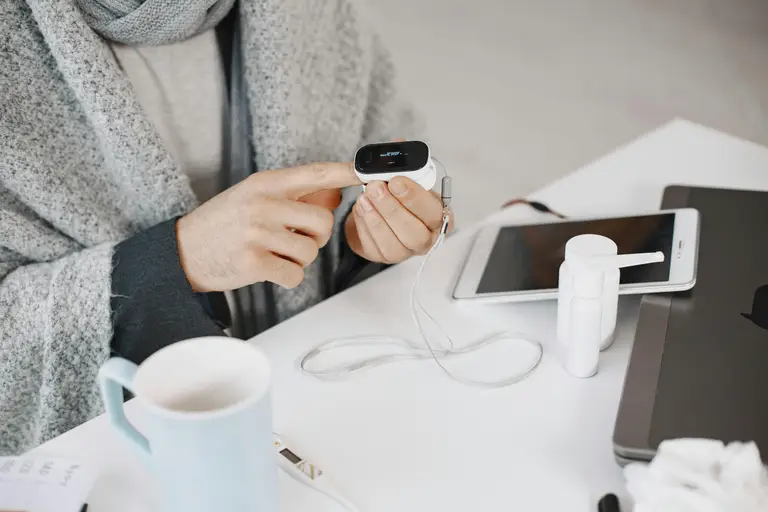
Almost everyone experiences some degree of morning glucose elevation—it's a normal part of circadian physiology. But the phenomenon becomes clinically significant when the rise is pronounced or when the body struggles to bring glucose back into range quickly. Several factors influence how significant the effect is for you:
Insulin resistance or prediabetes, where the compensatory insulin response is blunted
Type 1 or type 2 diabetes, where insulin production or sensitivity is compromised
Poor sleep quality or short sleep duration, which increases cortisol and disrupts glucose regulation
Chronic stress, which elevates baseline cortisol and keeps counter-regulatory hormones activated
Sedentary lifestyle, which reduces muscle glucose uptake and worsens insulin sensitivity
Late-night eating, which can amplify liver glucose output the following morning
Research shows that the magnitude of the dawn phenomenon is strongly correlated with overall glycemic control. In people with type 2 diabetes, morning glucose spikes can account for up to 55% of daily hyperglycemia [4]. That's a significant contribution from a process most people aren't even aware of.
How the Dawn Phenomenon Affects Your Long-Term Health
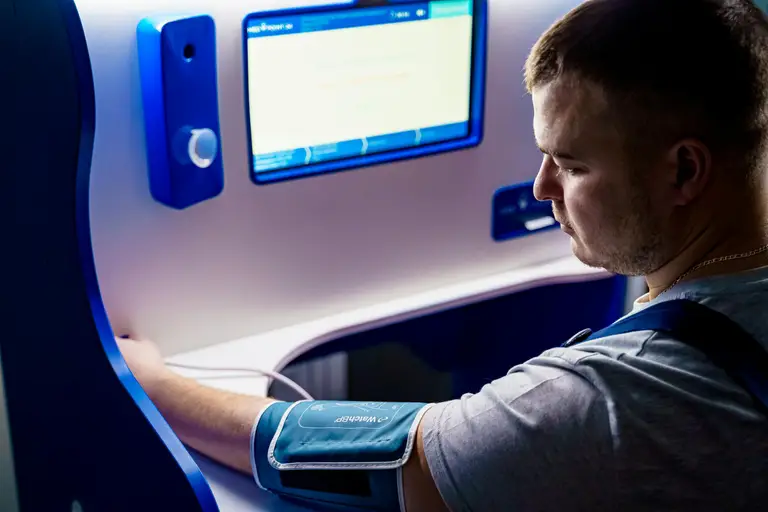
A single elevated morning glucose reading isn't cause for alarm. But a pattern of repeated morning spikes—day after day, year after year—adds up in ways that matter for longevity. Chronically elevated fasting glucose drives higher HbA1c levels, the three-month average of blood sugar that serves as one of the most important biomarkers for metabolic health.
Beyond HbA1c, sustained morning hyperglycemia contributes to oxidative stress and low-grade inflammation—two of the core mechanisms underlying cardiovascular disease, cognitive decline, and accelerated biological aging. The metabolic health picture is interconnected: when morning glucose stays high, it strains the pancreas, promotes fat storage, and disrupts energy regulation throughout the day.
What most people don't realize is that optimizing your dawn phenomenon response isn't just about blood sugar control—it's a lever for broader longevity. Keeping morning glucose in a healthy range supports better energy, clearer cognition, lower inflammation, and a more resilient metabolic foundation for the decades ahead.
Want to see how your fasting glucose, insulin, and HbA1c are trending? Our Metabolic Health Panel measures fasting glucose, insulin, HbA1c, and cortisol—plus you get a detailed analysis from our longevity doctors. Plans start at $349. Learn more about our testing.
How to Reduce Morning Blood Sugar Spikes Naturally
The good news: the dawn phenomenon is highly responsive to lifestyle optimization. You don't need medication to make a meaningful difference. Small changes, big impact—that's the reality with most metabolic interventions when applied consistently.
Here are the most evidence-supported strategies for managing your morning glucose response:
Evening exercise: A 20–30 minute walk or light resistance training after dinner can significantly blunt the dawn glucose rise by increasing overnight insulin sensitivity in muscle tissue
Protein-forward dinner: Higher-protein, lower-carbohydrate evening meals reduce the liver's overnight glucose output by minimizing insulin spikes before sleep
Consistent sleep schedule: Going to bed and waking at the same time each day stabilizes cortisol rhythms and reduces the magnitude of the early-morning hormonal surge
Stress management: Chronic psychological stress elevates baseline cortisol, amplifying the dawn phenomenon—practices like meditation, breathwork, or even a short evening wind-down routine can help regulate this
Time-restricted eating: Aligning your eating window with daylight hours and finishing your last meal 2–3 hours before bed reduces overnight hepatic glucose production
Apple cider vinegar at night: Some research suggests that 1–2 tablespoons diluted in water before bed can modestly reduce fasting glucose by slowing overnight gluconeogenesis [5]
Magnesium supplementation: Magnesium plays a role in insulin signaling, and deficiency is associated with impaired glucose regulation—a common oversight in metabolic optimization
These interventions work synergistically. Combining better sleep quality with an evening movement habit and a protein-forward dinner creates a meaningful cumulative effect on morning glucose patterns.
What Your Biomarkers Can Tell You About the Dawn Phenomenon
Here's where it gets interesting: the dawn phenomenon doesn't exist in isolation. It's one signal within a broader metabolic picture that biomarkers can help you decode. Fasting glucose is the most obvious measurement, but it's only part of the story.
Understanding your insulin levels alongside fasting glucose gives you the HOMA-IR score—a calculated measure of insulin resistance that's far more revealing than glucose alone. Elevated fasting insulin with normal fasting glucose is often the earliest sign that your metabolic compensation is working harder than it should be. HbA1c adds the time dimension, showing whether your morning spikes are accumulating into sustained elevation over weeks and months.
Cortisol testing adds another layer. If your cortisol rhythm is dysregulated—peaking too high in the morning or failing to decline properly through the day—that directly amplifies the dawn phenomenon's magnitude. Research shows that cortisol and glucose regulation are deeply intertwined, with cortisol-driven glucose elevation representing a significant driver of fasting hyperglycemia in people with metabolic concerns [6].
Your biology is unique. What drives an elevated fasting glucose in one person may be a completely different mechanism in another. Targeted testing is one way to understand which levers are most relevant for your specific situation—and where to focus your optimization efforts.
Curious about your cortisol rhythm, fasting insulin, and HbA1c? Our Advanced Longevity Panel measures cortisol, fasting glucose, insulin, HbA1c, and more—with expert interpretation from our longevity physicians. Individual plans start at $349, or test as a couple from $668 with our Duo Panel. Learn more about our testing.
When Should You Be Concerned About Morning Blood Sugar?
A fasting glucose reading between 70–99 mg/dL is generally considered optimal. Readings between 100–125 mg/dL fall into the prediabetes range and warrant closer attention—particularly if they're consistently above 110 mg/dL in the morning. But there's a catch: single readings don't tell the full story.
Context matters enormously. A 108 mg/dL reading after a high-stress week and poor sleep is very different from a 108 mg/dL reading on an average day. This is why tracking trends over time—not reacting to isolated data points—is the more useful approach. If your fasting blood glucose is consistently elevated in the morning, or if you notice it trending upward over months, that's meaningful signal worth investigating.
Prevention over intervention is always the more powerful strategy. Catching metabolic dysregulation early—before it progresses to diagnosed insulin resistance or type 2 diabetes—gives you the widest window for lifestyle-driven reversal.
Your Morning Blood Sugar Is a Window Into Your Metabolic Health
The dawn phenomenon is your body doing exactly what it's designed to do. The question isn't whether it happens—it's whether your metabolism can handle it gracefully. And for most people reading this, the answer is: it can, with the right inputs.
Start with the fundamentals: consistent sleep, an evening walk, a protein-forward dinner, and stress management that actually fits your life. These aren't dramatic interventions—they're the small, compounding habits that shift your metabolic baseline over time. Longevity isn't just about living longer—it's about living better, and your morning glucose is one of the clearest windows into how well your biology is functioning right now.
Data-driven insights make the picture clearer. If you're serious about understanding what your morning numbers actually mean and which specific biomarkers are driving them, that's where targeted testing becomes genuinely valuable—not as a source of anxiety, but as a compass for optimization.
References
Monnier L, et al. "Contributions of fasting and postprandial plasma glucose increments to the overall diurnal hyperglycemia of type 2 diabetic patients." Diabetes Care. 2003. PubMed
Bolli GB, et al. "Glucose counterregulation and waning of insulin in the Somogyi phenomenon (posthypoglycemic hyperglycemia)." New England Journal of Medicine. 1984. PubMed
Perriello G, et al. "The dawn phenomenon in type 2 (non-insulin-dependent) diabetes mellitus: magnitude, frequency, variability, and dependency on glucose counterregulation and insulin resistance." Diabetologia. 1991. PubMed
Carroll MF, Schade DS. "The dawn phenomenon revisited: implications for diabetes therapy." Endocrine Practice. 2005. PubMed
Johnston CS, Gaas CA. "Vinegar: medicinal uses and antiglycemic effect." MedGenMed. 2006. PubMed
Hewagalamulage SD, et al. "Stress, cortisol, and obesity: a role for cortisol responsiveness in identifying individuals prone to obesity." Domestic Animal Endocrinology. 2016. PubMed
Related Articles
Get a deeper look into your health.
Schedule online, results in a week
Clear guidance, follow-up care available
HSA/FSA Eligible

Comments
Get a deeper look into your health.
Schedule online, results in a week
Clear guidance, follow-up care available
HSA/FSA Eligible
Dawn Phenomenon Explained Why Your Morning Blood Sugar Spikes and How to Fix It
You wake up without eating a single thing overnight—and somehow your blood sugar is higher than when you went to bed. No late-night snacks. No sugary drinks. Just sleep. So what's going on?

Written by
Mito Health

You wake up without eating a single thing overnight—and somehow your blood sugar is higher than when you went to bed. No late-night snacks. No sugary drinks. Just sleep. So what's going on?
This isn't a fluke. It's called the dawn phenomenon, and it affects millions of people—including many who have no idea it's happening. Here's the thing: your body deliberately raises blood sugar every morning as part of its natural wake-up routine. For most people, that's not a problem. But for others, that daily hormonal surge tips blood glucose into a range that silently chips away at metabolic health over time.
Understanding the dawn phenomenon means understanding something fundamental about how your biology works—and what you can do to keep it working for you, not against you.
What Is the Dawn Phenomenon?
The dawn phenomenon is a natural rise in blood glucose that occurs in the early morning hours, typically between 2 a.m. and 8 a.m., even without any food intake. It's driven by a coordinated hormonal surge your body triggers to prepare you for waking. Think of it as your internal alarm clock—one that runs on hormones instead of batteries.
During these predawn hours, your body releases a cascade of counter-regulatory hormones: cortisol, growth hormone, glucagon, and epinephrine. These signals instruct your liver to release stored glucose into the bloodstream, ensuring you have energy ready to go the moment you open your eyes. In people with healthy insulin sensitivity, a compensatory insulin response quickly brings that glucose back into range. But when insulin sensitivity is impaired, that morning glucose can stay elevated well into the day [1].
The dawn phenomenon was first described in clinical literature in the 1980s and has since been recognized as a meaningful contributor to overall glycemic control—particularly for people managing insulin resistance or type 2 diabetes.
Why Does Morning Blood Sugar Rise While You Sleep?
The mechanism behind the dawn phenomenon is rooted in your circadian biology. As your body approaches the final phase of sleep, it begins the biological process of waking—long before your eyes open. Part of that process involves signaling the adrenal glands to release cortisol, which peaks in the early morning hours and plays a central role in mobilizing energy reserves.
Cortisol isn't the only player. Growth hormone, which surges during deep sleep, also promotes gluconeogenesis—the liver's process of manufacturing new glucose from non-carbohydrate sources. Glucagon, released by the pancreas, adds to this effect by triggering the breakdown of glycogen stored in the liver. The result is a steady rise in circulating blood glucose through the early morning hours [2].
In a metabolically healthy person, the pancreas responds by releasing enough insulin to usher that glucose into cells efficiently. The reality is that when insulin sensitivity is low—whether from lifestyle factors, poor sleep, or chronic stress—that compensatory response falls short. Blood glucose climbs, stays elevated, and sets the tone for the entire day's glycemic pattern.
Dawn Phenomenon vs. the Somogyi Effect: What's the Difference?
These two patterns are often confused, and it's worth understanding the distinction. The Somogyi effect—also called rebound hyperglycemia—involves a nocturnal blood sugar drop (hypoglycemia) that triggers a counter-regulatory hormonal response, pushing glucose back up. It's essentially your body overcorrecting from a low. The dawn phenomenon, by contrast, happens without any preceding low—it's purely a proactive hormonal surge.
Clinically, the distinction matters because the interventions are different. Treating the Somogyi effect incorrectly as a dawn phenomenon—or vice versa—can worsen the problem. The most reliable way to differentiate them is to monitor blood glucose at multiple points overnight: around 2–3 a.m. and again upon waking [3]. If glucose is normal or elevated at 3 a.m. and rises further by morning, you're likely dealing with the dawn phenomenon. If it drops at 3 a.m. before rebounding, that's the Somogyi pattern.
This is one reason continuous glucose monitoring (CGM) and targeted biomarker testing have become so valuable—they reveal what's actually happening in your body while you sleep, not just what the morning number shows.
Who Is Most Affected by the Dawn Phenomenon?
Almost everyone experiences some degree of morning glucose elevation—it's a normal part of circadian physiology. But the phenomenon becomes clinically significant when the rise is pronounced or when the body struggles to bring glucose back into range quickly. Several factors influence how significant the effect is for you:
Insulin resistance or prediabetes, where the compensatory insulin response is blunted
Type 1 or type 2 diabetes, where insulin production or sensitivity is compromised
Poor sleep quality or short sleep duration, which increases cortisol and disrupts glucose regulation
Chronic stress, which elevates baseline cortisol and keeps counter-regulatory hormones activated
Sedentary lifestyle, which reduces muscle glucose uptake and worsens insulin sensitivity
Late-night eating, which can amplify liver glucose output the following morning
Research shows that the magnitude of the dawn phenomenon is strongly correlated with overall glycemic control. In people with type 2 diabetes, morning glucose spikes can account for up to 55% of daily hyperglycemia [4]. That's a significant contribution from a process most people aren't even aware of.
How the Dawn Phenomenon Affects Your Long-Term Health
A single elevated morning glucose reading isn't cause for alarm. But a pattern of repeated morning spikes—day after day, year after year—adds up in ways that matter for longevity. Chronically elevated fasting glucose drives higher HbA1c levels, the three-month average of blood sugar that serves as one of the most important biomarkers for metabolic health.
Beyond HbA1c, sustained morning hyperglycemia contributes to oxidative stress and low-grade inflammation—two of the core mechanisms underlying cardiovascular disease, cognitive decline, and accelerated biological aging. The metabolic health picture is interconnected: when morning glucose stays high, it strains the pancreas, promotes fat storage, and disrupts energy regulation throughout the day.
What most people don't realize is that optimizing your dawn phenomenon response isn't just about blood sugar control—it's a lever for broader longevity. Keeping morning glucose in a healthy range supports better energy, clearer cognition, lower inflammation, and a more resilient metabolic foundation for the decades ahead.
Want to see how your fasting glucose, insulin, and HbA1c are trending? Our Metabolic Health Panel measures fasting glucose, insulin, HbA1c, and cortisol—plus you get a detailed analysis from our longevity doctors. Plans start at $349. Learn more about our testing.
How to Reduce Morning Blood Sugar Spikes Naturally
The good news: the dawn phenomenon is highly responsive to lifestyle optimization. You don't need medication to make a meaningful difference. Small changes, big impact—that's the reality with most metabolic interventions when applied consistently.
Here are the most evidence-supported strategies for managing your morning glucose response:
Evening exercise: A 20–30 minute walk or light resistance training after dinner can significantly blunt the dawn glucose rise by increasing overnight insulin sensitivity in muscle tissue
Protein-forward dinner: Higher-protein, lower-carbohydrate evening meals reduce the liver's overnight glucose output by minimizing insulin spikes before sleep
Consistent sleep schedule: Going to bed and waking at the same time each day stabilizes cortisol rhythms and reduces the magnitude of the early-morning hormonal surge
Stress management: Chronic psychological stress elevates baseline cortisol, amplifying the dawn phenomenon—practices like meditation, breathwork, or even a short evening wind-down routine can help regulate this
Time-restricted eating: Aligning your eating window with daylight hours and finishing your last meal 2–3 hours before bed reduces overnight hepatic glucose production
Apple cider vinegar at night: Some research suggests that 1–2 tablespoons diluted in water before bed can modestly reduce fasting glucose by slowing overnight gluconeogenesis [5]
Magnesium supplementation: Magnesium plays a role in insulin signaling, and deficiency is associated with impaired glucose regulation—a common oversight in metabolic optimization
These interventions work synergistically. Combining better sleep quality with an evening movement habit and a protein-forward dinner creates a meaningful cumulative effect on morning glucose patterns.
What Your Biomarkers Can Tell You About the Dawn Phenomenon
Here's where it gets interesting: the dawn phenomenon doesn't exist in isolation. It's one signal within a broader metabolic picture that biomarkers can help you decode. Fasting glucose is the most obvious measurement, but it's only part of the story.
Understanding your insulin levels alongside fasting glucose gives you the HOMA-IR score—a calculated measure of insulin resistance that's far more revealing than glucose alone. Elevated fasting insulin with normal fasting glucose is often the earliest sign that your metabolic compensation is working harder than it should be. HbA1c adds the time dimension, showing whether your morning spikes are accumulating into sustained elevation over weeks and months.
Cortisol testing adds another layer. If your cortisol rhythm is dysregulated—peaking too high in the morning or failing to decline properly through the day—that directly amplifies the dawn phenomenon's magnitude. Research shows that cortisol and glucose regulation are deeply intertwined, with cortisol-driven glucose elevation representing a significant driver of fasting hyperglycemia in people with metabolic concerns [6].
Your biology is unique. What drives an elevated fasting glucose in one person may be a completely different mechanism in another. Targeted testing is one way to understand which levers are most relevant for your specific situation—and where to focus your optimization efforts.
Curious about your cortisol rhythm, fasting insulin, and HbA1c? Our Advanced Longevity Panel measures cortisol, fasting glucose, insulin, HbA1c, and more—with expert interpretation from our longevity physicians. Individual plans start at $349, or test as a couple from $668 with our Duo Panel. Learn more about our testing.
When Should You Be Concerned About Morning Blood Sugar?
A fasting glucose reading between 70–99 mg/dL is generally considered optimal. Readings between 100–125 mg/dL fall into the prediabetes range and warrant closer attention—particularly if they're consistently above 110 mg/dL in the morning. But there's a catch: single readings don't tell the full story.
Context matters enormously. A 108 mg/dL reading after a high-stress week and poor sleep is very different from a 108 mg/dL reading on an average day. This is why tracking trends over time—not reacting to isolated data points—is the more useful approach. If your fasting blood glucose is consistently elevated in the morning, or if you notice it trending upward over months, that's meaningful signal worth investigating.
Prevention over intervention is always the more powerful strategy. Catching metabolic dysregulation early—before it progresses to diagnosed insulin resistance or type 2 diabetes—gives you the widest window for lifestyle-driven reversal.
Your Morning Blood Sugar Is a Window Into Your Metabolic Health
The dawn phenomenon is your body doing exactly what it's designed to do. The question isn't whether it happens—it's whether your metabolism can handle it gracefully. And for most people reading this, the answer is: it can, with the right inputs.
Start with the fundamentals: consistent sleep, an evening walk, a protein-forward dinner, and stress management that actually fits your life. These aren't dramatic interventions—they're the small, compounding habits that shift your metabolic baseline over time. Longevity isn't just about living longer—it's about living better, and your morning glucose is one of the clearest windows into how well your biology is functioning right now.
Data-driven insights make the picture clearer. If you're serious about understanding what your morning numbers actually mean and which specific biomarkers are driving them, that's where targeted testing becomes genuinely valuable—not as a source of anxiety, but as a compass for optimization.
References
Monnier L, et al. "Contributions of fasting and postprandial plasma glucose increments to the overall diurnal hyperglycemia of type 2 diabetic patients." Diabetes Care. 2003. PubMed
Bolli GB, et al. "Glucose counterregulation and waning of insulin in the Somogyi phenomenon (posthypoglycemic hyperglycemia)." New England Journal of Medicine. 1984. PubMed
Perriello G, et al. "The dawn phenomenon in type 2 (non-insulin-dependent) diabetes mellitus: magnitude, frequency, variability, and dependency on glucose counterregulation and insulin resistance." Diabetologia. 1991. PubMed
Carroll MF, Schade DS. "The dawn phenomenon revisited: implications for diabetes therapy." Endocrine Practice. 2005. PubMed
Johnston CS, Gaas CA. "Vinegar: medicinal uses and antiglycemic effect." MedGenMed. 2006. PubMed
Hewagalamulage SD, et al. "Stress, cortisol, and obesity: a role for cortisol responsiveness in identifying individuals prone to obesity." Domestic Animal Endocrinology. 2016. PubMed
Related Articles
Get a deeper look into your health.
Schedule online, results in a week
Clear guidance, follow-up care available
HSA/FSA Eligible

Comments
Dawn Phenomenon Explained Why Your Morning Blood Sugar Spikes and How to Fix It
You wake up without eating a single thing overnight—and somehow your blood sugar is higher than when you went to bed. No late-night snacks. No sugary drinks. Just sleep. So what's going on?

Written by
Mito Health

You wake up without eating a single thing overnight—and somehow your blood sugar is higher than when you went to bed. No late-night snacks. No sugary drinks. Just sleep. So what's going on?
This isn't a fluke. It's called the dawn phenomenon, and it affects millions of people—including many who have no idea it's happening. Here's the thing: your body deliberately raises blood sugar every morning as part of its natural wake-up routine. For most people, that's not a problem. But for others, that daily hormonal surge tips blood glucose into a range that silently chips away at metabolic health over time.
Understanding the dawn phenomenon means understanding something fundamental about how your biology works—and what you can do to keep it working for you, not against you.
What Is the Dawn Phenomenon?
The dawn phenomenon is a natural rise in blood glucose that occurs in the early morning hours, typically between 2 a.m. and 8 a.m., even without any food intake. It's driven by a coordinated hormonal surge your body triggers to prepare you for waking. Think of it as your internal alarm clock—one that runs on hormones instead of batteries.
During these predawn hours, your body releases a cascade of counter-regulatory hormones: cortisol, growth hormone, glucagon, and epinephrine. These signals instruct your liver to release stored glucose into the bloodstream, ensuring you have energy ready to go the moment you open your eyes. In people with healthy insulin sensitivity, a compensatory insulin response quickly brings that glucose back into range. But when insulin sensitivity is impaired, that morning glucose can stay elevated well into the day [1].
The dawn phenomenon was first described in clinical literature in the 1980s and has since been recognized as a meaningful contributor to overall glycemic control—particularly for people managing insulin resistance or type 2 diabetes.
Why Does Morning Blood Sugar Rise While You Sleep?
The mechanism behind the dawn phenomenon is rooted in your circadian biology. As your body approaches the final phase of sleep, it begins the biological process of waking—long before your eyes open. Part of that process involves signaling the adrenal glands to release cortisol, which peaks in the early morning hours and plays a central role in mobilizing energy reserves.
Cortisol isn't the only player. Growth hormone, which surges during deep sleep, also promotes gluconeogenesis—the liver's process of manufacturing new glucose from non-carbohydrate sources. Glucagon, released by the pancreas, adds to this effect by triggering the breakdown of glycogen stored in the liver. The result is a steady rise in circulating blood glucose through the early morning hours [2].
In a metabolically healthy person, the pancreas responds by releasing enough insulin to usher that glucose into cells efficiently. The reality is that when insulin sensitivity is low—whether from lifestyle factors, poor sleep, or chronic stress—that compensatory response falls short. Blood glucose climbs, stays elevated, and sets the tone for the entire day's glycemic pattern.
Dawn Phenomenon vs. the Somogyi Effect: What's the Difference?
These two patterns are often confused, and it's worth understanding the distinction. The Somogyi effect—also called rebound hyperglycemia—involves a nocturnal blood sugar drop (hypoglycemia) that triggers a counter-regulatory hormonal response, pushing glucose back up. It's essentially your body overcorrecting from a low. The dawn phenomenon, by contrast, happens without any preceding low—it's purely a proactive hormonal surge.
Clinically, the distinction matters because the interventions are different. Treating the Somogyi effect incorrectly as a dawn phenomenon—or vice versa—can worsen the problem. The most reliable way to differentiate them is to monitor blood glucose at multiple points overnight: around 2–3 a.m. and again upon waking [3]. If glucose is normal or elevated at 3 a.m. and rises further by morning, you're likely dealing with the dawn phenomenon. If it drops at 3 a.m. before rebounding, that's the Somogyi pattern.
This is one reason continuous glucose monitoring (CGM) and targeted biomarker testing have become so valuable—they reveal what's actually happening in your body while you sleep, not just what the morning number shows.
Who Is Most Affected by the Dawn Phenomenon?
Almost everyone experiences some degree of morning glucose elevation—it's a normal part of circadian physiology. But the phenomenon becomes clinically significant when the rise is pronounced or when the body struggles to bring glucose back into range quickly. Several factors influence how significant the effect is for you:
Insulin resistance or prediabetes, where the compensatory insulin response is blunted
Type 1 or type 2 diabetes, where insulin production or sensitivity is compromised
Poor sleep quality or short sleep duration, which increases cortisol and disrupts glucose regulation
Chronic stress, which elevates baseline cortisol and keeps counter-regulatory hormones activated
Sedentary lifestyle, which reduces muscle glucose uptake and worsens insulin sensitivity
Late-night eating, which can amplify liver glucose output the following morning
Research shows that the magnitude of the dawn phenomenon is strongly correlated with overall glycemic control. In people with type 2 diabetes, morning glucose spikes can account for up to 55% of daily hyperglycemia [4]. That's a significant contribution from a process most people aren't even aware of.
How the Dawn Phenomenon Affects Your Long-Term Health
A single elevated morning glucose reading isn't cause for alarm. But a pattern of repeated morning spikes—day after day, year after year—adds up in ways that matter for longevity. Chronically elevated fasting glucose drives higher HbA1c levels, the three-month average of blood sugar that serves as one of the most important biomarkers for metabolic health.
Beyond HbA1c, sustained morning hyperglycemia contributes to oxidative stress and low-grade inflammation—two of the core mechanisms underlying cardiovascular disease, cognitive decline, and accelerated biological aging. The metabolic health picture is interconnected: when morning glucose stays high, it strains the pancreas, promotes fat storage, and disrupts energy regulation throughout the day.
What most people don't realize is that optimizing your dawn phenomenon response isn't just about blood sugar control—it's a lever for broader longevity. Keeping morning glucose in a healthy range supports better energy, clearer cognition, lower inflammation, and a more resilient metabolic foundation for the decades ahead.
Want to see how your fasting glucose, insulin, and HbA1c are trending? Our Metabolic Health Panel measures fasting glucose, insulin, HbA1c, and cortisol—plus you get a detailed analysis from our longevity doctors. Plans start at $349. Learn more about our testing.
How to Reduce Morning Blood Sugar Spikes Naturally
The good news: the dawn phenomenon is highly responsive to lifestyle optimization. You don't need medication to make a meaningful difference. Small changes, big impact—that's the reality with most metabolic interventions when applied consistently.
Here are the most evidence-supported strategies for managing your morning glucose response:
Evening exercise: A 20–30 minute walk or light resistance training after dinner can significantly blunt the dawn glucose rise by increasing overnight insulin sensitivity in muscle tissue
Protein-forward dinner: Higher-protein, lower-carbohydrate evening meals reduce the liver's overnight glucose output by minimizing insulin spikes before sleep
Consistent sleep schedule: Going to bed and waking at the same time each day stabilizes cortisol rhythms and reduces the magnitude of the early-morning hormonal surge
Stress management: Chronic psychological stress elevates baseline cortisol, amplifying the dawn phenomenon—practices like meditation, breathwork, or even a short evening wind-down routine can help regulate this
Time-restricted eating: Aligning your eating window with daylight hours and finishing your last meal 2–3 hours before bed reduces overnight hepatic glucose production
Apple cider vinegar at night: Some research suggests that 1–2 tablespoons diluted in water before bed can modestly reduce fasting glucose by slowing overnight gluconeogenesis [5]
Magnesium supplementation: Magnesium plays a role in insulin signaling, and deficiency is associated with impaired glucose regulation—a common oversight in metabolic optimization
These interventions work synergistically. Combining better sleep quality with an evening movement habit and a protein-forward dinner creates a meaningful cumulative effect on morning glucose patterns.
What Your Biomarkers Can Tell You About the Dawn Phenomenon
Here's where it gets interesting: the dawn phenomenon doesn't exist in isolation. It's one signal within a broader metabolic picture that biomarkers can help you decode. Fasting glucose is the most obvious measurement, but it's only part of the story.
Understanding your insulin levels alongside fasting glucose gives you the HOMA-IR score—a calculated measure of insulin resistance that's far more revealing than glucose alone. Elevated fasting insulin with normal fasting glucose is often the earliest sign that your metabolic compensation is working harder than it should be. HbA1c adds the time dimension, showing whether your morning spikes are accumulating into sustained elevation over weeks and months.
Cortisol testing adds another layer. If your cortisol rhythm is dysregulated—peaking too high in the morning or failing to decline properly through the day—that directly amplifies the dawn phenomenon's magnitude. Research shows that cortisol and glucose regulation are deeply intertwined, with cortisol-driven glucose elevation representing a significant driver of fasting hyperglycemia in people with metabolic concerns [6].
Your biology is unique. What drives an elevated fasting glucose in one person may be a completely different mechanism in another. Targeted testing is one way to understand which levers are most relevant for your specific situation—and where to focus your optimization efforts.
Curious about your cortisol rhythm, fasting insulin, and HbA1c? Our Advanced Longevity Panel measures cortisol, fasting glucose, insulin, HbA1c, and more—with expert interpretation from our longevity physicians. Individual plans start at $349, or test as a couple from $668 with our Duo Panel. Learn more about our testing.
When Should You Be Concerned About Morning Blood Sugar?
A fasting glucose reading between 70–99 mg/dL is generally considered optimal. Readings between 100–125 mg/dL fall into the prediabetes range and warrant closer attention—particularly if they're consistently above 110 mg/dL in the morning. But there's a catch: single readings don't tell the full story.
Context matters enormously. A 108 mg/dL reading after a high-stress week and poor sleep is very different from a 108 mg/dL reading on an average day. This is why tracking trends over time—not reacting to isolated data points—is the more useful approach. If your fasting blood glucose is consistently elevated in the morning, or if you notice it trending upward over months, that's meaningful signal worth investigating.
Prevention over intervention is always the more powerful strategy. Catching metabolic dysregulation early—before it progresses to diagnosed insulin resistance or type 2 diabetes—gives you the widest window for lifestyle-driven reversal.
Your Morning Blood Sugar Is a Window Into Your Metabolic Health
The dawn phenomenon is your body doing exactly what it's designed to do. The question isn't whether it happens—it's whether your metabolism can handle it gracefully. And for most people reading this, the answer is: it can, with the right inputs.
Start with the fundamentals: consistent sleep, an evening walk, a protein-forward dinner, and stress management that actually fits your life. These aren't dramatic interventions—they're the small, compounding habits that shift your metabolic baseline over time. Longevity isn't just about living longer—it's about living better, and your morning glucose is one of the clearest windows into how well your biology is functioning right now.
Data-driven insights make the picture clearer. If you're serious about understanding what your morning numbers actually mean and which specific biomarkers are driving them, that's where targeted testing becomes genuinely valuable—not as a source of anxiety, but as a compass for optimization.
References
Monnier L, et al. "Contributions of fasting and postprandial plasma glucose increments to the overall diurnal hyperglycemia of type 2 diabetic patients." Diabetes Care. 2003. PubMed
Bolli GB, et al. "Glucose counterregulation and waning of insulin in the Somogyi phenomenon (posthypoglycemic hyperglycemia)." New England Journal of Medicine. 1984. PubMed
Perriello G, et al. "The dawn phenomenon in type 2 (non-insulin-dependent) diabetes mellitus: magnitude, frequency, variability, and dependency on glucose counterregulation and insulin resistance." Diabetologia. 1991. PubMed
Carroll MF, Schade DS. "The dawn phenomenon revisited: implications for diabetes therapy." Endocrine Practice. 2005. PubMed
Johnston CS, Gaas CA. "Vinegar: medicinal uses and antiglycemic effect." MedGenMed. 2006. PubMed
Hewagalamulage SD, et al. "Stress, cortisol, and obesity: a role for cortisol responsiveness in identifying individuals prone to obesity." Domestic Animal Endocrinology. 2016. PubMed
Related Articles
Get a deeper look into your health.
Schedule online, results in a week
Clear guidance, follow-up care available
HSA/FSA Eligible

Comments
Dawn Phenomenon Explained Why Your Morning Blood Sugar Spikes and How to Fix It
You wake up without eating a single thing overnight—and somehow your blood sugar is higher than when you went to bed. No late-night snacks. No sugary drinks. Just sleep. So what's going on?

Written by
Mito Health

You wake up without eating a single thing overnight—and somehow your blood sugar is higher than when you went to bed. No late-night snacks. No sugary drinks. Just sleep. So what's going on?
This isn't a fluke. It's called the dawn phenomenon, and it affects millions of people—including many who have no idea it's happening. Here's the thing: your body deliberately raises blood sugar every morning as part of its natural wake-up routine. For most people, that's not a problem. But for others, that daily hormonal surge tips blood glucose into a range that silently chips away at metabolic health over time.
Understanding the dawn phenomenon means understanding something fundamental about how your biology works—and what you can do to keep it working for you, not against you.
What Is the Dawn Phenomenon?
The dawn phenomenon is a natural rise in blood glucose that occurs in the early morning hours, typically between 2 a.m. and 8 a.m., even without any food intake. It's driven by a coordinated hormonal surge your body triggers to prepare you for waking. Think of it as your internal alarm clock—one that runs on hormones instead of batteries.
During these predawn hours, your body releases a cascade of counter-regulatory hormones: cortisol, growth hormone, glucagon, and epinephrine. These signals instruct your liver to release stored glucose into the bloodstream, ensuring you have energy ready to go the moment you open your eyes. In people with healthy insulin sensitivity, a compensatory insulin response quickly brings that glucose back into range. But when insulin sensitivity is impaired, that morning glucose can stay elevated well into the day [1].
The dawn phenomenon was first described in clinical literature in the 1980s and has since been recognized as a meaningful contributor to overall glycemic control—particularly for people managing insulin resistance or type 2 diabetes.
Why Does Morning Blood Sugar Rise While You Sleep?
The mechanism behind the dawn phenomenon is rooted in your circadian biology. As your body approaches the final phase of sleep, it begins the biological process of waking—long before your eyes open. Part of that process involves signaling the adrenal glands to release cortisol, which peaks in the early morning hours and plays a central role in mobilizing energy reserves.
Cortisol isn't the only player. Growth hormone, which surges during deep sleep, also promotes gluconeogenesis—the liver's process of manufacturing new glucose from non-carbohydrate sources. Glucagon, released by the pancreas, adds to this effect by triggering the breakdown of glycogen stored in the liver. The result is a steady rise in circulating blood glucose through the early morning hours [2].
In a metabolically healthy person, the pancreas responds by releasing enough insulin to usher that glucose into cells efficiently. The reality is that when insulin sensitivity is low—whether from lifestyle factors, poor sleep, or chronic stress—that compensatory response falls short. Blood glucose climbs, stays elevated, and sets the tone for the entire day's glycemic pattern.
Dawn Phenomenon vs. the Somogyi Effect: What's the Difference?
These two patterns are often confused, and it's worth understanding the distinction. The Somogyi effect—also called rebound hyperglycemia—involves a nocturnal blood sugar drop (hypoglycemia) that triggers a counter-regulatory hormonal response, pushing glucose back up. It's essentially your body overcorrecting from a low. The dawn phenomenon, by contrast, happens without any preceding low—it's purely a proactive hormonal surge.
Clinically, the distinction matters because the interventions are different. Treating the Somogyi effect incorrectly as a dawn phenomenon—or vice versa—can worsen the problem. The most reliable way to differentiate them is to monitor blood glucose at multiple points overnight: around 2–3 a.m. and again upon waking [3]. If glucose is normal or elevated at 3 a.m. and rises further by morning, you're likely dealing with the dawn phenomenon. If it drops at 3 a.m. before rebounding, that's the Somogyi pattern.
This is one reason continuous glucose monitoring (CGM) and targeted biomarker testing have become so valuable—they reveal what's actually happening in your body while you sleep, not just what the morning number shows.
Who Is Most Affected by the Dawn Phenomenon?
Almost everyone experiences some degree of morning glucose elevation—it's a normal part of circadian physiology. But the phenomenon becomes clinically significant when the rise is pronounced or when the body struggles to bring glucose back into range quickly. Several factors influence how significant the effect is for you:
Insulin resistance or prediabetes, where the compensatory insulin response is blunted
Type 1 or type 2 diabetes, where insulin production or sensitivity is compromised
Poor sleep quality or short sleep duration, which increases cortisol and disrupts glucose regulation
Chronic stress, which elevates baseline cortisol and keeps counter-regulatory hormones activated
Sedentary lifestyle, which reduces muscle glucose uptake and worsens insulin sensitivity
Late-night eating, which can amplify liver glucose output the following morning
Research shows that the magnitude of the dawn phenomenon is strongly correlated with overall glycemic control. In people with type 2 diabetes, morning glucose spikes can account for up to 55% of daily hyperglycemia [4]. That's a significant contribution from a process most people aren't even aware of.
How the Dawn Phenomenon Affects Your Long-Term Health
A single elevated morning glucose reading isn't cause for alarm. But a pattern of repeated morning spikes—day after day, year after year—adds up in ways that matter for longevity. Chronically elevated fasting glucose drives higher HbA1c levels, the three-month average of blood sugar that serves as one of the most important biomarkers for metabolic health.
Beyond HbA1c, sustained morning hyperglycemia contributes to oxidative stress and low-grade inflammation—two of the core mechanisms underlying cardiovascular disease, cognitive decline, and accelerated biological aging. The metabolic health picture is interconnected: when morning glucose stays high, it strains the pancreas, promotes fat storage, and disrupts energy regulation throughout the day.
What most people don't realize is that optimizing your dawn phenomenon response isn't just about blood sugar control—it's a lever for broader longevity. Keeping morning glucose in a healthy range supports better energy, clearer cognition, lower inflammation, and a more resilient metabolic foundation for the decades ahead.
Want to see how your fasting glucose, insulin, and HbA1c are trending? Our Metabolic Health Panel measures fasting glucose, insulin, HbA1c, and cortisol—plus you get a detailed analysis from our longevity doctors. Plans start at $349. Learn more about our testing.
How to Reduce Morning Blood Sugar Spikes Naturally
The good news: the dawn phenomenon is highly responsive to lifestyle optimization. You don't need medication to make a meaningful difference. Small changes, big impact—that's the reality with most metabolic interventions when applied consistently.
Here are the most evidence-supported strategies for managing your morning glucose response:
Evening exercise: A 20–30 minute walk or light resistance training after dinner can significantly blunt the dawn glucose rise by increasing overnight insulin sensitivity in muscle tissue
Protein-forward dinner: Higher-protein, lower-carbohydrate evening meals reduce the liver's overnight glucose output by minimizing insulin spikes before sleep
Consistent sleep schedule: Going to bed and waking at the same time each day stabilizes cortisol rhythms and reduces the magnitude of the early-morning hormonal surge
Stress management: Chronic psychological stress elevates baseline cortisol, amplifying the dawn phenomenon—practices like meditation, breathwork, or even a short evening wind-down routine can help regulate this
Time-restricted eating: Aligning your eating window with daylight hours and finishing your last meal 2–3 hours before bed reduces overnight hepatic glucose production
Apple cider vinegar at night: Some research suggests that 1–2 tablespoons diluted in water before bed can modestly reduce fasting glucose by slowing overnight gluconeogenesis [5]
Magnesium supplementation: Magnesium plays a role in insulin signaling, and deficiency is associated with impaired glucose regulation—a common oversight in metabolic optimization
These interventions work synergistically. Combining better sleep quality with an evening movement habit and a protein-forward dinner creates a meaningful cumulative effect on morning glucose patterns.
What Your Biomarkers Can Tell You About the Dawn Phenomenon
Here's where it gets interesting: the dawn phenomenon doesn't exist in isolation. It's one signal within a broader metabolic picture that biomarkers can help you decode. Fasting glucose is the most obvious measurement, but it's only part of the story.
Understanding your insulin levels alongside fasting glucose gives you the HOMA-IR score—a calculated measure of insulin resistance that's far more revealing than glucose alone. Elevated fasting insulin with normal fasting glucose is often the earliest sign that your metabolic compensation is working harder than it should be. HbA1c adds the time dimension, showing whether your morning spikes are accumulating into sustained elevation over weeks and months.
Cortisol testing adds another layer. If your cortisol rhythm is dysregulated—peaking too high in the morning or failing to decline properly through the day—that directly amplifies the dawn phenomenon's magnitude. Research shows that cortisol and glucose regulation are deeply intertwined, with cortisol-driven glucose elevation representing a significant driver of fasting hyperglycemia in people with metabolic concerns [6].
Your biology is unique. What drives an elevated fasting glucose in one person may be a completely different mechanism in another. Targeted testing is one way to understand which levers are most relevant for your specific situation—and where to focus your optimization efforts.
Curious about your cortisol rhythm, fasting insulin, and HbA1c? Our Advanced Longevity Panel measures cortisol, fasting glucose, insulin, HbA1c, and more—with expert interpretation from our longevity physicians. Individual plans start at $349, or test as a couple from $668 with our Duo Panel. Learn more about our testing.
When Should You Be Concerned About Morning Blood Sugar?
A fasting glucose reading between 70–99 mg/dL is generally considered optimal. Readings between 100–125 mg/dL fall into the prediabetes range and warrant closer attention—particularly if they're consistently above 110 mg/dL in the morning. But there's a catch: single readings don't tell the full story.
Context matters enormously. A 108 mg/dL reading after a high-stress week and poor sleep is very different from a 108 mg/dL reading on an average day. This is why tracking trends over time—not reacting to isolated data points—is the more useful approach. If your fasting blood glucose is consistently elevated in the morning, or if you notice it trending upward over months, that's meaningful signal worth investigating.
Prevention over intervention is always the more powerful strategy. Catching metabolic dysregulation early—before it progresses to diagnosed insulin resistance or type 2 diabetes—gives you the widest window for lifestyle-driven reversal.
Your Morning Blood Sugar Is a Window Into Your Metabolic Health
The dawn phenomenon is your body doing exactly what it's designed to do. The question isn't whether it happens—it's whether your metabolism can handle it gracefully. And for most people reading this, the answer is: it can, with the right inputs.
Start with the fundamentals: consistent sleep, an evening walk, a protein-forward dinner, and stress management that actually fits your life. These aren't dramatic interventions—they're the small, compounding habits that shift your metabolic baseline over time. Longevity isn't just about living longer—it's about living better, and your morning glucose is one of the clearest windows into how well your biology is functioning right now.
Data-driven insights make the picture clearer. If you're serious about understanding what your morning numbers actually mean and which specific biomarkers are driving them, that's where targeted testing becomes genuinely valuable—not as a source of anxiety, but as a compass for optimization.
References
Monnier L, et al. "Contributions of fasting and postprandial plasma glucose increments to the overall diurnal hyperglycemia of type 2 diabetic patients." Diabetes Care. 2003. PubMed
Bolli GB, et al. "Glucose counterregulation and waning of insulin in the Somogyi phenomenon (posthypoglycemic hyperglycemia)." New England Journal of Medicine. 1984. PubMed
Perriello G, et al. "The dawn phenomenon in type 2 (non-insulin-dependent) diabetes mellitus: magnitude, frequency, variability, and dependency on glucose counterregulation and insulin resistance." Diabetologia. 1991. PubMed
Carroll MF, Schade DS. "The dawn phenomenon revisited: implications for diabetes therapy." Endocrine Practice. 2005. PubMed
Johnston CS, Gaas CA. "Vinegar: medicinal uses and antiglycemic effect." MedGenMed. 2006. PubMed
Hewagalamulage SD, et al. "Stress, cortisol, and obesity: a role for cortisol responsiveness in identifying individuals prone to obesity." Domestic Animal Endocrinology. 2016. PubMed
Related Articles
Get a deeper look into your health.
Schedule online, results in a week
Clear guidance, follow-up care available
HSA/FSA Eligible

Get a deeper look into your health.
Schedule online, results in a week
Clear guidance, follow-up care available
HSA/FSA Eligible
Comments
Recently published
What's included

1 Comprehensive lab test with over 100+ biomarkers
One appointment, test at 2,000+ labs nationwide

Insights calibrated to your biology
Recommendations informed by your ethnicity, lifestyle, and history. Not generic ranges.

1:1 Consultation
Meet with your dedicated care team to review your results and define next steps

Lifetime health record tracking
Upload past labs and monitor your progress over time

Biological age analysis
See how your body is aging and what’s driving it

Order add-on tests and scans anytime
Access to advanced diagnostics at discounted rates for members
Concierge-level care, made accessible.
Mito Health Membership
Codeveloped with experts at MIT & Stanford
Less than $1/ day
Billed annually - cancel anytime
Bundle options:
Individual
$399
$349
/year
or 4 interest-free payments of $87.25*
Duo Bundle
(For 2)
$798
$660
/year
or 4 interest-free payments of $167*
Pricing for members in NY, NJ & RI may vary.

Checkout with HSA/FSA
Secure, private platform
What's included

1 Comprehensive lab test with over 100+ biomarkers
One appointment, test at 2,000+ labs nationwide

Insights calibrated to your biology
Recommendations informed by your ethnicity, lifestyle, and history. Not generic ranges.

1:1 Consultation
Meet with your dedicated care team to review your results and define next steps

Lifetime health record tracking
Upload past labs and monitor your progress over time

Biological age analysis
See how your body is aging and what’s driving it

Order add-on tests and scans anytime
Access to advanced diagnostics at discounted rates for members
Concierge-level care, made accessible.
Mito Health Membership
Codeveloped with experts at MIT & Stanford
Less than $1/ day
Billed annually - cancel anytime
Bundle options:
Individual
$399
$349
/year
or 4 interest-free payments of $87.25*
Duo Bundle (For 2)
$798
$660
/year
or 4 interest-free payments of $167*
Pricing for members in NY, NJ & RI may vary.

Checkout with HSA/FSA
Secure, private platform
What's included

1 Comprehensive lab test with over 100+ biomarkers
One appointment, test at 2,000+ labs nationwide

Insights calibrated to your biology
Recommendations informed by your ethnicity, lifestyle, and history. Not generic ranges.

1:1 Consultation
Meet with your dedicated care team to review your results and define next steps

Lifetime health record tracking
Upload past labs and monitor your progress over time

Biological age analysis
See how your body is aging and what’s driving it

Order add-on tests and scans anytime
Access to advanced diagnostics at discounted rates for members
Concierge-level care, made accessible.
Mito Health Membership
Codeveloped with experts at MIT & Stanford
Less than $1/ day
Billed annually - cancel anytime
Bundle options:
Individual
$399
$349
/year
or 4 payments of $87.25*
Duo Bundle
(For 2)
$798
$660
/year
or 4 payments of $167*
Pricing for members in NY, NJ & RI may vary.

Checkout with HSA/FSA
Secure, private platform