Night Sweats in Pregnancy: Normal Hormone Shifts and the Limits
A higher metabolic rate, expanded blood volume, and large estrogen and progesterone shifts make sweating at night common in pregnancy, while fever and thyroid changes still deserve prompt attention.
- Published
- April 23, 2026
- Read time
- 2 min read

Why It Happens In Pregnancy
Night sweats in pregnancy are common, often most noticeable in the first trimester and again near term, and are usually a normal consequence of running a higher-output metabolism for two.
-
Higher metabolic rate and heat production. Pregnancy raises resting metabolic rate, so the body generates more heat and offloads it overnight through sweating.
-
Increased blood volume and skin blood flow. Plasma volume rises substantially, and more blood is directed to the skin to dissipate heat, increasing night sweats, particularly later in pregnancy.
-
Hormone shifts. Large estrogen and progesterone changes influence the hypothalamic temperature set point, producing vasomotor sweating in the first trimester and around delivery.
-
Early postpartum fluid offload. In the days after birth the body sheds accumulated fluid, much of it as drenching night sweats; this is expected and short-lived.
-
Causes that need attention. A true fever is not a night sweat and is time-sensitive in pregnancy: infection requires prompt care. Thyroid disease in pregnancy is actively managed, and disproportionate palpitations or breathlessness deserve assessment.
What Makes Pregnancy Night Sweats Different
The reference frame is normal adapted physiology, with higher stakes for the mimics. Most pregnancy night sweats are benign and self-limited. The clinical priority is separating them from fever (an infection question, urgent in pregnancy) and from thyroid dysfunction (managed within antenatal care), rather than fine hormonal tuning. This is handled with the maternity team, not self-directed.
How to Manage
-
Use simple cooling and hydration. A cooler room, lighter bedding and sleepwear, and good fluid intake address most normal pregnancy night sweats.
-
Check temperature when in doubt. A measured fever, or feeling unwell with the sweats, is an infection question and a reason to contact the maternity provider promptly.
-
Report disproportionate symptoms. Palpitations, breathlessness, tremor, or weight change with sweats should be raised for thyroid and cardiovascular assessment.
-
Expect early postpartum sweats. Heavy night sweats in the first days after birth are usually normal fluid offloading.
-
Do not start supplements or medications for sweats in pregnancy without clinician guidance.
Lab Markers Worth Checking
- Thyroid Stimulating Hormone (TSH), with pregnancy-specific ranges, within antenatal care
- Temperature and infection assessment clinically, when fever is possible
- Most normal pregnancy night sweats need only reassurance and cooling
Related Reads
- Female Hormone Testing: A Guide for Women at Every Stage
- Thyroid: Hyper vs Hypo Symptoms
- Perimenopause: Estradiol and Progesterone Symptoms
Related Symptoms
References
- Mayo Clinic, Pregnancy Week by Week
- NIDDK, Thyroid Disease and Pregnancy
- NIH NCBI Bookshelf, Night Sweats
- Cleveland Clinic, Night Sweats
Popular lab tests
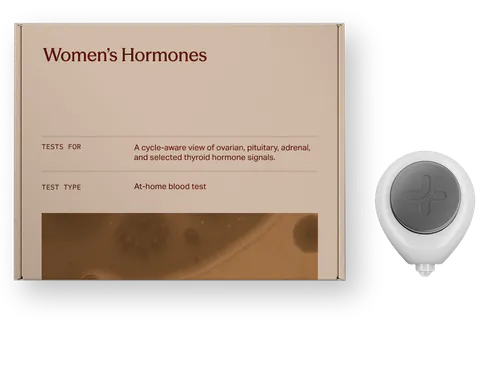
At-Home Women’s Hormone Test Kit
View current details, availability, and member pricing.
Comprehensive Metabolic Panel (CMP)
A 14-marker snapshot of kidney function, liver function, electrolytes, and blood sugar in one draw.
Complete Blood Count (CBC) with Differential and Platelet Count Test
A broad screen of red cells, white cells, and platelets that anchors most checkups.
The standard cholesterol workup for cardiovascular risk, and the baseline for tracking diet, exercise, or statin response.