
Postpartum Cravings: Sleep Debt, Breastfeeding, and Blood Sugar
Postpartum cravings are usually driven by severe sleep deprivation, breastfeeding energy demand, and erratic eating, not a lack of discipline. Iron deficiency and mood also matter. Here is how to read it.
- Published
- April 23, 2026
- Read time
- 2 min read

Why It Happens Postpartum
Strong cravings in the months after birth are largely physiological and circumstantial, not a discipline problem.
-
Severe sleep deprivation. Fragmented newborn sleep is one of the most powerful craving drivers known: it raises ghrelin and lowers leptin, sharply increasing appetite for energy-dense, sweet, and starchy food.
-
Breastfeeding energy demand. Lactation adds a substantial daily energy and fluid requirement. Cravings often reflect a genuine increased need, not excess.
-
Erratic eating around a newborn. Skipped or delayed meals cause glucose swings, and the rebound drives intense cravings later.
-
Iron and nutrient depletion. Pregnancy and delivery deplete iron; an ice craving (pagophagia) postpartum is a recognised sign of iron deficiency worth acting on. Fatigue blurs the picture.
-
Mood and the reward system. Postpartum mood changes and stress drive comfort-food seeking; persistent low mood with cravings is a reason to raise postpartum mental health.
What Makes Postpartum Cravings Different
The defining context is extreme sleep debt plus a real lactation energy demand, on top of erratic eating, which together make cravings expected rather than a failure. Two things should not be missed: an ice craving pointing to postpartum iron deficiency, and cravings travelling with persistent low mood pointing to postpartum mood disorder.
How to Manage
-
Treat sleep as the primary lever. Any recoverable sleep, and shared night duties where possible, blunts the ghrelin-driven surge more than dietary willpower.
-
Fuel breastfeeding adequately. Meeting the genuine energy and fluid demand reduces the drive to grab fast sugar.
-
Keep easy balanced food accessible. Protein- and fibre-containing snacks within reach prevents the skipped-meal glucose swing.
-
Check ferritin if there is ice craving or fatigue. Pagophagia warrants iron studies; repletion often resolves it.
-
Screen mood. Cravings with persistent low mood, anxiety, or intrusive worry is a reason to raise postpartum mental health with a clinician.
Lab Markers Worth Checking
- Ferritin, especially with ice craving or fatigue
- Hemoglobin, to confirm anemia where iron is low
- Glucose, if erratic eating and swings are prominent
- Thyroid Stimulating Hormone (TSH), as postpartum thyroiditis affects appetite and energy
Related Reads
- Heme vs Non-Heme Iron: How to Eat for Low Iron Levels
- Anxiety and Low Mood: What Your Blood Might Be Telling You
- Continuous Glucose Monitors for Non-Diabetics: Worth It?
Related Symptoms
References
- NIH NCBI Bookshelf, Sleep and Appetite Regulation
- NIH NCBI Bookshelf, Pica and Pagophagia
- Mayo Clinic, Postpartum Care
- Cleveland Clinic, Iron Deficiency Anemia
Blood sugar and metabolic tests
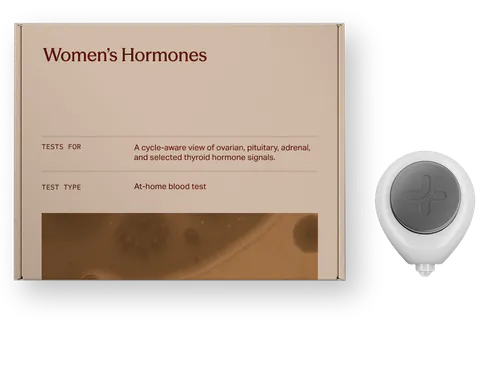
At-Home Women’s Hormone Test Kit
View current details, availability, and member pricing.
Hemoglobin A1c (HbA1c) with eAG Blood Test with Reflex to 1,5-Anhydroglucitol (1,5-AG)
Your average blood sugar over the past three months, the core marker for diabetes risk and control.
Measures circulating insulin to help interpret pancreatic insulin output alongside glucose and the clinical context.
A direct snapshot of blood sugar and the first-line screen for diabetes and prediabetes.