Weight Gain In Your 20s: Lifestyle Shifts and Treatable Causes
Most weight gain in your 20s reflects lifestyle transitions, sleep loss, alcohol, and stress, with thyroid, PCOS, and medication as the treatable medical causes worth excluding. Here is how to read it.
- Published
- April 23, 2026
- Read time
- 2 min read
Why It Happens In Your 20s
At this age weight gain is usually driven by major life transitions rather than a metabolic disorder, with a few medical causes worth excluding.
-
Lifestyle transitions. Leaving education, starting work, and a more sedentary routine commonly shift energy balance, the most frequent driver in this decade.
-
Alcohol and eating patterns. Higher alcohol intake, irregular meals, and calorie-dense convenience food add up over time.
-
Sleep debt and stress. Both disturb appetite-regulating hormones and increase intake independent of activity.
-
Medication. Some contraceptives, antidepressants, and other drugs are associated with weight change and are worth reviewing if gain coincides with starting them.
-
Thyroid and PCOS. Hypothyroidism and polycystic ovary syndrome genuinely drive weight gain and have recognisable features; they are the key treatable causes to exclude.
What Makes Weight Gain In Your 20s Different
Because metabolic decline is implausible at this age, gain is usually about modifiable lifestyle factors rather than a slow metabolism. The exceptions are thyroid disease, PCOS, and medication effects, which have identifiable patterns and warrant assessment rather than assumption.
How to Manage
-
Address activity and intake patterns. Rebuilding routine movement and regular balanced meals are the highest-yield levers.
-
Moderate alcohol and protect sleep. Both meaningfully influence energy balance at this age.
-
Review medication timing. If gain tracks starting a medication, discuss alternatives with the prescriber rather than stopping it independently.
-
Exclude thyroid and PCOS. Relevant symptom clusters warrant a TSH and clinician assessment.
Lab Markers Worth Checking
- Thyroid Stimulating Hormone (TSH), since hypothyroidism causes weight gain
- Glucose, for the metabolic picture and PCOS risk
- HbA1c, for longer-term glucose control
- Estradiol, if PCOS or cycle irregularity is suspected
Related Reads
- Continuous Glucose Monitors for Non-Diabetics: Worth It?
- Thyroid: Hyper vs Hypo Symptoms
- Anxiety and Low Mood: What Your Blood Might Be Telling You
Related Symptoms
References
- NIH NCBI Bookshelf, Obesity
- NIH NCBI Bookshelf, Hypothyroidism
- Cleveland Clinic, Weight Gain
- Mayo Clinic, Weight Gain
Popular lab tests
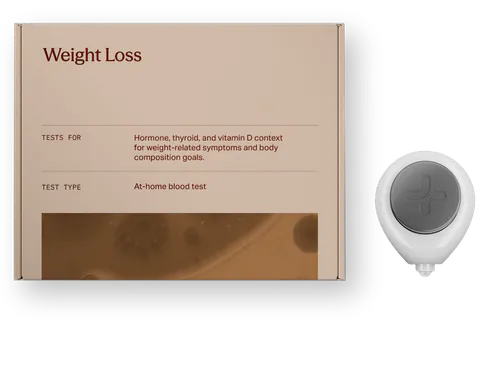
View current details, availability, and member pricing.

Comprehensive Metabolic Panel (CMP)
A 14-marker snapshot of kidney function, liver function, electrolytes, and blood sugar in one draw.
Complete Blood Count (CBC) with Differential and Platelet Count Test
A broad screen of red cells, white cells, and platelets that anchors most checkups.
The standard cholesterol workup for cardiovascular risk, and the baseline for tracking diet, exercise, or statin response.