
How to Optimize Vitamin E Levels: Deficiency, Supplementation, and the Right Form
Optimize your vitamin E status safely with guidance on food sources, supplementation, the difference between alpha-tocopherol and gamma-tocopherol, who actually needs to supplement, and the cardiovascular safety controversy around high-dose vitamin E. Includes optimal ranges, fat-malabsorption considerations, and testing guidance.
- Published
- May 20, 2026
- Last updated
- September 22, 2026
- Read time
- 14 min read
Quick Summary
Vitamin E is the umbrella name for a family of 8 fat-soluble compounds (4 tocopherols and 4 tocotrienols), but only alpha-tocopherol is recognized by the body’s main vitamin E transport protein and counted for blood-level reporting. Most adults consume less than the recommended 15 mg of alpha-tocopherol per day from diet alone, especially on low-fat diets. Suboptimal vitamin E is common but rarely produces obvious symptoms in adults with intact fat absorption. The trickier question is whether supplementing improves health outcomes: meta-analyses show that high-dose alpha-tocopherol alone (above 400 IU per day) does not reduce cardiovascular events and may slightly increase all-cause mortality, while mixed-tocopherol blends and food-based vitamin E remain neutral to mildly beneficial. The right strategy for most adults is food first, modest supplementation only if intake is documented as low or if a malabsorption condition exists, and testing before going above moderate doses.
You read that vitamin E is a powerful antioxidant, that low levels accelerate aging, and that 400 IU daily is the standard supplement dose. Then you read that high-dose vitamin E supplementation has been linked in some studies to increased mortality, and that the most common form sold in supplements (all-rac alpha-tocopherol, synthetic) is half as biologically active as the natural form. Now you do not know whether to supplement at all, what dose is safe, or whether your levels even need optimization.
Here is the honest summary the marketing usually skips. Frank vitamin E deficiency is rare in healthy adults eating a varied diet with some fat. Suboptimal status (low-normal blood levels with no overt symptoms) is common and probably benign in most cases. The interventional evidence for high-dose vitamin E supplementation is mixed at best and slightly negative at high doses for some outcomes. Where vitamin E supplementation has clear evidence is in specific groups: people with fat-malabsorption conditions, certain genetic disorders, and people on highly restrictive diets.
This guide gives you the optimization framework that respects this evidence: when to focus on food, when to consider testing, when to supplement and at what dose, and when to leave it alone.
What Is Vitamin E (and What “Vitamin E” Really Means)
Vitamin E is not a single compound. It is a family of 8 related fat-soluble molecules:
- 4 tocopherols (alpha, beta, gamma, delta)
- 4 tocotrienols (alpha, beta, gamma, delta)
Of these 8 forms, only alpha-tocopherol is selectively retained by the body. The liver’s alpha-tocopherol transfer protein (alpha-TTP) preferentially binds alpha-tocopherol and packages it into VLDL for distribution to tissues [1]. The other 7 forms are largely degraded and excreted.
This is why:
- Blood vitamin E levels almost always refer to serum alpha-tocopherol
- The official Recommended Dietary Allowance is set in alpha-tocopherol equivalents
- Mixed-tocopherol supplements still raise alpha-tocopherol the most, even though they contain other forms
Gamma-tocopherol has received increasing research attention as having distinct biological actions that alpha-tocopherol does not replicate. A 2004 review in Annals of Nutrition and Metabolism made the case that gamma-tocopherol is an underrecognized component of dietary vitamin E with separate anti-inflammatory and nitrogen-radical-scavenging functions [2]. High-dose alpha-tocopherol supplementation actually displaces gamma-tocopherol from tissues, which is one mechanism behind the mixed clinical results from alpha-tocopherol-only trials.
The practical implication: food sources of vitamin E are mixed-tocopherol natural blends, while most supplements are alpha-tocopherol alone (often synthetic). Food-based vitamin E gives a more biologically complete intake than isolated supplemental alpha-tocopherol.
Reference Ranges
Standard adult serum alpha-tocopherol:
- Deficient: under 11.6 μmol/L (under 500 μg/dL)
- Low-normal: 11.6 to 20 μmol/L (500 to 860 μg/dL)
- Normal: 20 to 35 μmol/L (860 to 1,500 μg/dL)
- Optimal (often cited): 30 to 50 μmol/L
- Suspicious of supplementation: over 50 μmol/L
A 2023 scoping review for the Nordic Nutrition Recommendations confirmed that frank deficiency below 12 μmol/L is uncommon in adults eating a varied Western diet, while low-normal status is widespread [3].
Why Vitamin E Status Becomes Suboptimal
The most common drivers of low vitamin E:
1. Low Dietary Intake
The most frequent cause. A 2023 study in Journal of Nutritional Science estimated that more than 80 percent of US adults consume less than the EAR for alpha-tocopherol [4]. The recommended intake is 15 mg per day for adults, and typical Western diets deliver 6 to 10 mg per day.
2. Fat-Malabsorption Conditions
Vitamin E is fat-soluble. Any condition that impairs fat digestion or absorption can drive deficiency:
- Celiac disease
- Crohn disease and inflammatory bowel disease
- Cystic fibrosis
- Pancreatic insufficiency
- Cholestatic liver disease
- Short bowel syndrome
- Chronic alcohol use disorder
- Bariatric surgery (especially malabsorptive procedures)
People with these conditions often need supplemental vitamin E in a form that bypasses normal fat absorption (water-soluble TPGS or specialized formulations).
3. Very Low-Fat Diets
Diets that derive less than 15 percent of calories from fat reduce vitamin E absorption substantially, regardless of intake. This is one reason ultra-low-fat dieting can produce subtle nutrient deficiencies.
4. Genetic Disorders
Rare but important:
- Ataxia with vitamin E deficiency (AVED) caused by alpha-TTP gene mutations [5]
- Abetalipoproteinemia
- Chylomicron retention disease
- Familial isolated vitamin E deficiency
A 2025 case series in Clinical Genetics documented the response to vitamin E therapy in AVED patients and confirmed that high-dose vitamin E (400 to 1,200 mg daily of alpha-tocopherol) can prevent neurological progression in these specific genetic conditions [6].
5. Increased Oxidative Stress
Conditions that increase systemic oxidative load can outpace vitamin E supply:
- Smoking (each pack-year reduces serum vitamin E)
- Chronic inflammation (autoimmune disease, untreated metabolic syndrome)
- Strenuous endurance training (transiently lowers vitamin E status during training cycles)
The 6 Methods to Optimize Vitamin E
Ranked from safest to riskiest:
1. Food Sources First
The most effective and safest approach for the general population.
High-vitamin-E foods (mg of alpha-tocopherol per 100g):
- Wheat germ oil: ~150 mg
- Sunflower oil: ~41 mg
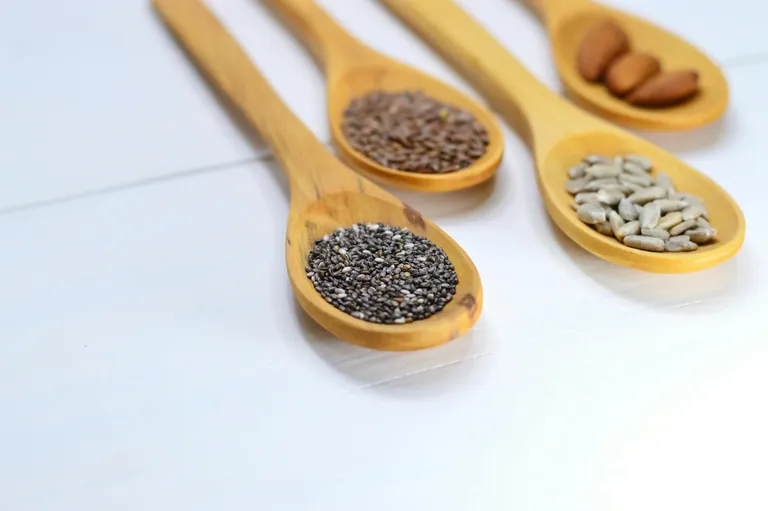
- Sunflower seeds: ~35 mg (per 100g; a 30g serving delivers ~10 mg, two thirds of the RDA)
- Almonds: ~26 mg (per 100g; a 30g handful delivers ~7-8 mg)
- Hazelnuts: ~15 mg
- Avocado: ~2.1 mg (per 100g; a whole avocado is ~4-5 mg)
- Spinach (cooked): ~2.1 mg
- Wheat germ: ~15 mg
- Olive oil: ~14 mg (per 100g; 1 tablespoon ~2 mg)
Practical eating pattern that hits 15 mg/day RDA from food alone:
- 30g almonds with breakfast (~8 mg)
- 1 tablespoon olive oil in cooking or salad (~2 mg)
- Half an avocado at lunch (~2 mg)
- 30g sunflower seeds on top of dinner (~10 mg)
- Background diet (~3 mg)
- Daily total: ~25 mg, comfortably above the 15 mg RDA
A 2022 study in Nutrition Research and Practice found that food-based dietary changes alone were sufficient to bring most adults from low-normal to optimal serum alpha-tocopherol within 8 to 12 weeks [7].
2. Cooking Oil Choice
If you cook with oil regularly, swapping to a vitamin-E-rich oil (sunflower, safflower, wheat germ) is a no-effort optimization. Olive oil is moderate (~14 mg/100g) and has other longevity benefits.
Cooking does degrade vitamin E modestly (10 to 30 percent loss at high temperatures), so eating some raw oil-containing foods like salad dressings preserves more of the original content.
3. Modest Mixed-Tocopherol Supplementation (If Needed)
For people with documented low intake or borderline status, a 50 to 200 IU daily mixed-tocopherol supplement is a reasonable addition. Mixed tocopherol formulations (containing alpha-, beta-, gamma-, and delta-) more closely mimic dietary vitamin E than alpha-tocopherol-only products.
Key spec to look for on the label:
- Natural d-alpha-tocopherol (not synthetic dl-alpha-tocopherol, which has half the biological activity)
- Mixed tocopherols included (gamma-tocopherol especially)
- Tocotrienols are not necessary for general optimization (limited evidence outside specific conditions)
4. Targeted Supplementation for Fat-Malabsorption
People with celiac disease, IBD, cystic fibrosis, pancreatic insufficiency, or post-bariatric malabsorption may need:
- Water-soluble vitamin E (TPGS-based, often prescription)
- Higher doses (200 to 800 IU daily) under physician guidance
- Co-supplementation with vitamins A, D, and K (the other fat-soluble vitamins)
This should always be physician-directed.
5. Co-Factor Optimization
Vitamin E works best when:
- Some fat is consumed at the same meal (improves absorption 3 to 5 fold)
- Vitamin C is available (regenerates oxidized vitamin E back to its active form)
- Selenium is sufficient (cofactor for glutathione peroxidase, which works alongside vitamin E in antioxidant defense)
6. High-Dose Supplementation (Caution Required)
Doses above 400 IU per day of alpha-tocopherol are where the evidence becomes uncertain or mildly negative.
A 2022 review in the Journal of the American College of Cardiology summarized the cardiovascular evidence on micronutrient supplementation and concluded that alpha-tocopherol alone above 400 IU does not reduce cardiovascular events and may slightly increase all-cause mortality in some populations [8]. A 2008 safety review in Critical Reviews in Food Science and Nutrition documented that doses above 800 IU per day raised concerns about bleeding risk (vitamin E has anticoagulant effects) and some all-cause mortality signals [9].
The exceptions where higher doses ARE evidence-supported:
- AVED and other genetic deficiency disorders (under specialist care)
- Documented severe deficiency under physician care
- Non-alcoholic steatohepatitis, where a hepatologist may prescribe vitamin E as part of a broader treatment plan
For routine optimization in healthy adults, do not exceed 400 IU per day of supplemental alpha-tocopherol without physician guidance.
Testing Protocols
Vitamin E (serum alpha-tocopherol) is not a routine annual panel test, but it is reasonable to check in specific situations:
Test if you have:
- Fat-malabsorption condition (celiac, IBD, cystic fibrosis, pancreatic disease, post-bariatric surgery)
- Long-term very low-fat diet
- Unexplained neurological symptoms (ataxia, peripheral neuropathy, muscle weakness)
- Long-term taking high-dose vitamin E supplements and want to confirm not in toxicity range
- Want a personalized baseline before optimizing intake
Test methods:
- Serum alpha-tocopherol (standard)
- Serum alpha-tocopherol-to-lipid ratio (better for accounting for vitamin E that is bound to lipoproteins; useful in dyslipidemia)
- Some specialty labs report gamma-tocopherol separately
Don’t test if:
- You are healthy, eat varied food with some fat, and have no symptoms suggesting deficiency
- You just started a supplement and are testing within 2 to 4 weeks (vitamin E status changes slowly)
A 2007 paper in Vitamins and Hormones established that alpha-TTP genetic variation contributes to individual differences in serum response to vitamin E intake, which is one reason testing can be useful when status seems out of proportion to intake [10].
Expected Timeline for Vitamin E Optimization
Vitamin E status changes slowly because it is stored in fat tissue.
- Dietary increase: detectable rise in serum alpha-tocopherol in 4 to 8 weeks
- Supplementation: serum levels stabilize at new value within 6 to 12 weeks
- Correction of severe deficiency: 3 to 6 months for full tissue saturation
- Withdrawal: serum levels remain elevated for weeks after stopping supplements
- Tissue stores: take many months to years to fully equilibrate
Practical implication: retest 12 weeks after starting an intervention, not earlier.
The Bottom Line
Vitamin E optimization is mostly a diet problem, not a supplement problem. Most adults can get to comfortable serum status by including a daily handful of almonds or sunflower seeds, using olive oil regularly, and eating a varied diet with some fat at most meals.
Supplementation has a narrow window of clear benefit: documented low intake plus borderline serum levels, specific malabsorption conditions, or rare genetic disorders. For the general population, the evidence does not support high-dose vitamin E supplementation for cardiovascular protection, cancer prevention, or general longevity. The 2022 Journal of the American College of Cardiology review made this case cleanly [8].
If you do supplement, use natural d-alpha-tocopherol with mixed tocopherols at a moderate dose (50 to 200 IU daily), take it with food containing some fat, and pair it with vitamin C, selenium, and the broader fat-soluble vitamin family (A, D, K) for the most physiologic effect.
Test before going high. If your serum alpha-tocopherol is already at 35 to 50 μmol/L, you do not need to push it higher.
Test This with Mito
Vitamin E testing is most informative when paired with the related fat-soluble vitamins and oxidative-stress markers that share absorption pathways and downstream effects. Mito Health offers several testing options with physician-guided interpretation:
- Vitamin E Test: targeted serum alpha-tocopherol measurement. The right test if you have a fat-malabsorption condition, neurological symptoms with no other explanation, or are tracking high-dose supplementation safety. Available at $79.
- Mito Core Panel: 100+ biomarkers including vitamin D, hsCRP, fasting insulin, lipid panel, and other markers that contextualize vitamin E status (fat absorption proxies, oxidative stress proxies). See current per-test and panel pricing in the blood test price comparison.
- Vitamin A Test: the other fat-soluble vitamin most commonly suboptimal alongside vitamin E. Worth bundling if you have a malabsorption concern.
- Build Your Own panel: combine vitamin E with vitamin D, vitamin A, and lipid markers for a comprehensive fat-soluble vitamin retest. Pricing starts at $79 per marker.
- How Mito testing works: walks through sample collection, turnaround, and how the physician-guided interpretation report is delivered.
How to decide which panel fits your situation:
- Healthy adult, varied diet, no symptoms: you likely do not need vitamin E testing. Focus on food sources and revisit only if symptoms develop.
- Fat-malabsorption condition (celiac, IBD, cystic fibrosis, pancreatic disease, post-bariatric): Vitamin E Test plus Vitamin A Test plus vitamin D from the Mito Core Panel. Fat-soluble vitamins go down together in malabsorption.
- Unexplained ataxia, peripheral neuropathy, or muscle weakness with no clear cause: Vitamin E Test is part of the rare-but-treatable differential. Discuss with a neurologist alongside testing.
- Long-term taking 400+ IU daily vitamin E supplements: Vitamin E Test to confirm you are not over the optimal range. Above 50 μmol/L is not better.
Key Takeaways
- Vitamin E is a family of 8 compounds, but only alpha-tocopherol is selectively retained by the body and counted in blood-level reporting.
- The recommended intake is 15 mg per day; most Western adults consume 6 to 10 mg per day from diet alone.
- Frank deficiency is rare in adults with normal fat absorption. Suboptimal status is common but usually benign.
- Food-first optimization works for most adults: a daily handful of almonds or sunflower seeds plus olive oil regularly reaches the RDA comfortably.
- High-dose alpha-tocopherol supplementation alone (above 400 IU per day) does not reduce cardiovascular events and may slightly increase all-cause mortality.
- Mixed-tocopherol supplements are more physiologically complete than alpha-tocopherol-only formulations.
- Fat-malabsorption conditions, restrictive diets, and rare genetic disorders are the situations where targeted supplementation has clear benefit.
- Natural d-alpha-tocopherol is twice as bioavailable as synthetic dl-alpha-tocopherol; always check the label.
- Testing is useful for fat-malabsorption screening, unexplained neurological symptoms, or confirming safety on high-dose supplements; not necessary for routine wellness.
- Vitamin E status changes slowly: retest 12 weeks after starting any intervention.
Medical Disclaimer
This guide is for educational purposes and does not replace evaluation by a qualified healthcare professional. Vitamin E supplementation interacts with anticoagulant medications (warfarin, direct oral anticoagulants) and can increase bleeding risk at higher doses. If you take blood thinners, have a clotting disorder, or are scheduled for surgery, consult your physician before supplementing vitamin E. Severe vitamin E deficiency causing neurological symptoms requires specialist evaluation.
Track Your Progress
Vitamin E is most informative alongside the other fat-soluble vitamins and oxidative-stress markers:
- Vitamin D shares fat-soluble absorption pathways with vitamin E
- hsCRP as a downstream oxidative-stress and inflammation proxy
- LDL Cholesterol is one of the lipid fractions vitamin E protects from oxidation
Related Content
- How to Optimize Vitamin A Levels for the sister fat-soluble vitamin optimization guide
- Raising Vitamin D Levels Naturally for the most commonly suboptimal fat-soluble vitamin
- Lowering CRP and Chronic Inflammation Naturally for the broader oxidative-stress reduction framework
References
- Manor D, Morley S. The alpha-tocopherol transfer protein. Vitam Horm. 2007. PMID 17628171.
- Wagner KH et al. Gamma-tocopherol—an underestimated vitamin? Ann Nutr Metab. 2004. PMID 15256801.
- Vitamin E - a scoping review for Nordic Nutrition Recommendations 2023. Food Nutr Res. 2023. PMID 38187798.
- Prevalence of vitamin E inadequacy, dietary intake and sources of alpha-tocopherol. J Nutr Sci. 2023. PMID 38155808.
- Vitamin E Deficiency. StatPearls. 2026. PMID 30085593.
- Ataxia With Vitamin E Deficiency: Case Series, Vitamin E Therapy Response. Clin Genet. 2025. PMID 39702880.
- Dietary intake and major source foods of vitamin E among Koreans. Nutr Res Pract. 2022. PMID 36238383.
- Micronutrient Supplementation to Reduce Cardiovascular Risk. J Am Coll Cardiol. 2022. PMID 36480969.
- Brigelius-Flohé R. How safe is vitamin E supplementation? Crit Rev Food Sci Nutr. 2008. PMID 18756398.
- Manor D, Morley S. The alpha-tocopherol transfer protein. Vitam Horm. 2007. PMID 17628171.
Popular lab tests
View current details, availability, and member pricing.
Comprehensive Metabolic Panel (CMP)
A 14-marker snapshot of kidney function, liver function, electrolytes, and blood sugar in one draw.
Complete Blood Count (CBC) with Differential and Platelet Count Test
A broad screen of red cells, white cells, and platelets that anchors most checkups.
The standard cholesterol workup for cardiovascular risk, and the baseline for tracking diet, exercise, or statin response.