

Insulin Blood Test
Measures circulating insulin to help interpret pancreatic insulin output alongside glucose and the clinical context.
- No doctor visit or referral needed
- Members pay our cost on every test, never a markup
- Tracked over time alongside your other results
- HSA/FSA eligible
- Typical results in 1 day · Reviewed by a real clinician
Blood draw at 3,300+ lab locations nationwide
Why people order the Insulin Blood Test
-
Pair fasting insulin with fasting glucose for a metabolic baseline
A fasting insulin value is more interpretable when glucose is measured in the same physiologic state and the fasting duration is known.
-
Add earlier metabolic context before glucose or A1C changes
Fasting insulin can be elevated while established glycemic markers remain normal in some people, but it is not a standardized early-warning test or a diagnosis.
-
Track a clinician-directed nutrition, weight, exercise, or medication intervention
Use the same laboratory, fasting conditions, and paired glucose context when comparing serial results.
-
Recurrent shaking, sweating, confusion, or weakness with documented low glucose
Insulin may be part of a clinician-led hypoglycemia evaluation when symptoms occur with a confirmed low glucose. This is not a self-diagnosis use case.
Who may consider the Insulin Blood Test
-
Central adiposity, PCOS, acanthosis nigricans, fatty liver, or strong family history of type 2 diabetes
These factors can prompt a broader metabolic assessment. Insulin may add context, but established glucose and A1C testing remain the core evaluation.
-
Assess whether insulin is appropriately low or high during documented hypoglycemia
Interpretation may also require C-peptide, proinsulin, beta-hydroxybutyrate, and a screen for glucose-lowering medicines.
-
Assess pancreatic insulin secretion in a defined clinical context
Injected insulin and insulin antibodies can complicate this assay. C-peptide may be more useful when the question is endogenous insulin production.
Is this the right test for diagnosing diabetes or insulin resistance?
No, not by itself. Standalone insulin does not diagnose diabetes or establish insulin resistance on its own. Established glucose-related tests, symptoms, collection state, and clinical context are needed for those questions.
Should I order fasting glucose with insulin?
Usually, when the goal is to understand insulin in a fasting metabolic context. Glucose collected in the same state provides essential context that insulin alone cannot supply. Glucose and A1c are separate tests and are not included in this product.
Should I order C-peptide instead of insulin?
Choose C-peptide when the clinical question is endogenous insulin production, particularly when injected insulin could complicate interpretation. Insulin and C-peptide are different tests and are not interchangeable. A clinician should direct the choice when diabetes type, pancreatic function, or insulin treatment is the question.
How to prepare
- Fast for at least 8 hours before your test.
What members say on Trustpilot
What the Insulin Blood Test measures
Measures circulating insulin to help interpret pancreatic insulin output alongside glucose and the clinical context.
This is a standalone quantitative total insulin test performed on serum by immunoassay. Current matched US providers report µIU/mL under LOINC 20448-7. Labcorp uses electrochemiluminescence immunoassay, Quest uses immunoassay, and BioReference uses electrochemiluminescence immunoassay. Method and platform can affect results.
Insulin is released by pancreatic beta cells in response to glucose. A result is most informative when the time since food intake is known and a glucose result from the same physiologic state is available. A fasting result can contribute to an assessment of insulin secretion or possible insulin resistance, but it does not diagnose diabetes, prediabetes, or insulin resistance by itself. Diabetes is diagnosed with A1C or plasma glucose criteria, not an insulin concentration.
This product is not an insulin tolerance test, glucose tolerance test with serial insulin measurements, free or bioactive insulin assay, proinsulin assay, insulin antibody test, C-peptide test, or Insulin and C-Peptide Panel. It also does not distinguish endogenous insulin from injected insulin on its own.
- Specimen
- Serum or plasma
- Measures
- Concentration
- Reported biomarkers
- Insulin
- Biomarker count
- 1 biomarker
- Fasting
- See preparation instructions
- Results
- On your Mito dashboard in 1 day, with your range explained
- Provider reference information
-
Labcorp Test 004333 selected BioReference Test 0113-1 selected Quest Diagnostics Test 561 selected
Labcorp Test 004333
- Fasting 2.6-24.9 μIU/mL
BioReference Test 0113-1
- Total/Random 2.5-40.6 uIU/mL
Quest Diagnostics Test 561
- Optimal cardiovascular-risk framing ≤18.4 uIU/mL
- High cardiovascular-risk framing >18.4 uIU/mL

Your results
How to understand your Insulin Blood Test result
Insulin measures how much circulating insulin the assay detects at the time of collection. The result is meaningful only when fasting or meal timing is known and glucose from the same physiologic state is available. Insulin alone does not diagnose diabetes, prediabetes, or insulin resistance. Provider typography may show µIU/mL or uIU/mL for the same unit. Preserve the unit and reference context printed on the final laboratory report.
Higher fasting insulin
Can be compatible with compensatory hyperinsulinemia or insulin resistance when glucose is normal or mildly elevated, but it is not specific and there is no universal diagnostic cutoff. A1C, glucose, metabolic risk factors, and the clinical picture remain central.
Lower insulin with high glucose
Can occur when the pancreas is not producing enough insulin. Is not diagnostic by itself. C-peptide and established glucose tests may be more useful for clarifying insulin production and diabetes status.
Random or post-meal result
Should not be read against fasting expectations because insulin normally rises after eating. Is most useful for trends when meal timing, preparation, unit, and laboratory method remain consistent.
How much the Insulin Blood Test costs
Compare exact Mito member and non-member prices with recently checked comparable offers. Collection and lab fees are shown separately.
| Lab | Test price | Collection or lab fee |
|---|---|---|
| Mito member | $2.43 | $15.00 Added once per order |
| Mito non-member | $3.41 | $15.00 Added once per order |
| Goodlabs | $4.00 | $12.00 $12 per visit, included in the final checkout total |
| Marek Diagnostics | $10.00 | $10.00 $10 added at checkout for an individual biomarker or custom panel |
| DrSays | $9.99 | $9.99 $9.99 collection fee per order |
| Jason Health | $20.00 | $18.00 $18 lab collection fee per order |
| Ulta Lab Tests | $27.95 | $12.95 $12.95 standard draw fee; some locations may charge more |
| Walk-In Lab | $34.00 | $6.00 $6 per-order physician fee |
Mito prices come from the live catalog for the selected provider. Competitor prices were checked August 22, 2026. Published standalone item price plus the separately disclosed collection or checkout fee.
See the full Insulin Blood Test cost comparison for provider details and comparison notes.
How it works
What to expect from your Insulin Blood Test
- 1 Book instantly
Click, book, done. Choose a convenient lab location near you. Transparent, up-front pricing.
- 2 Quick lab visit
Testing to fit your schedule, usually 15 minutes or less. Walk-in and appointments available. Follow the preparation instructions for your order.
- 3 Results in 1 day
Your result posts straight to your dashboard as soon as the lab completes it.
- 4 Expert guidance
With membership, a clinician reviews your result and a personalized action plan follows, with clear next steps.

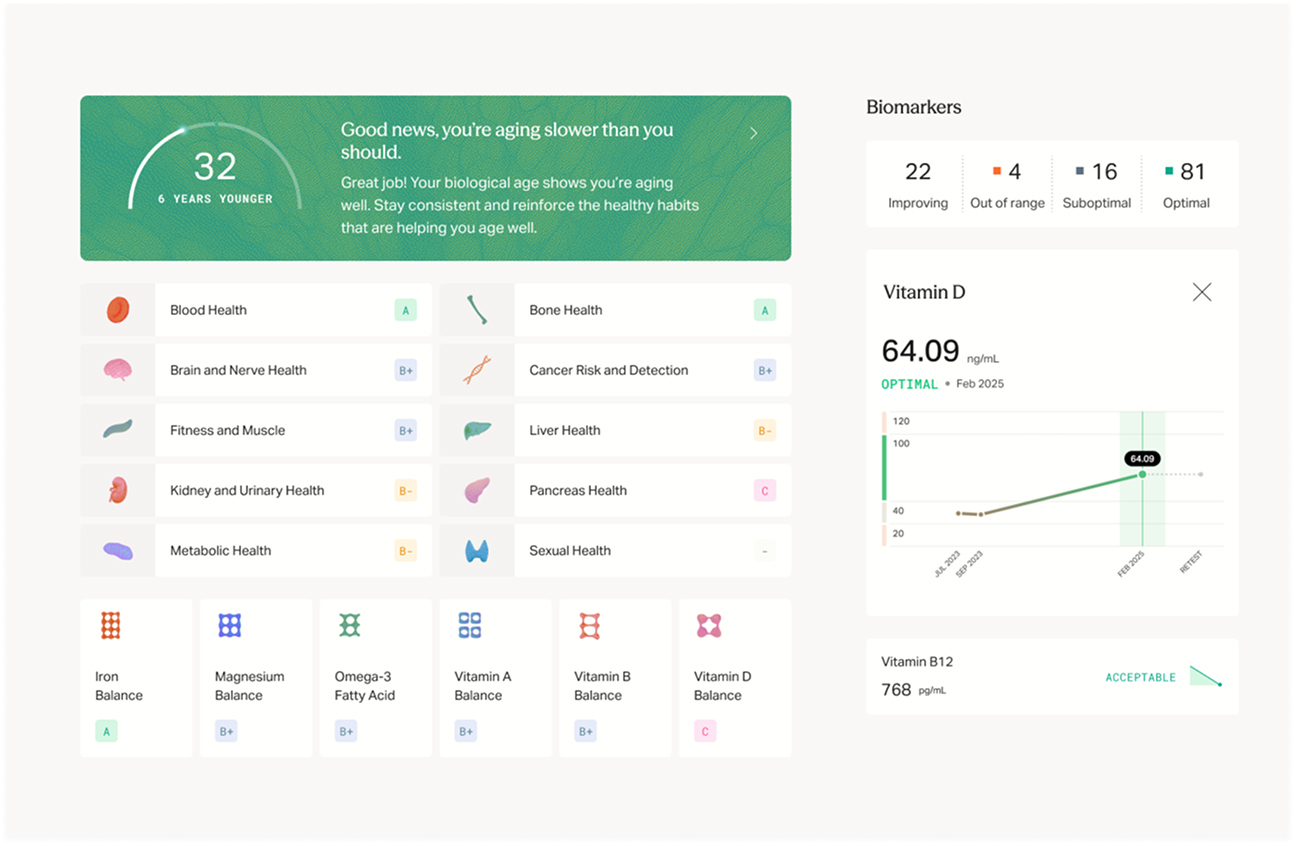
Every result comes with a plan
A number on its own does not tell you much. Membership is what turns it into next steps, and keeps track of what changes.
-
Insights that connect the dots. A clinician reads your whole picture, not one result in isolation, connecting family history, past results, and lifestyle into clear next steps.
-
Your personalized action plan. Nutrition, supplements, and training in one clinician-reviewed protocol, updated as your results change.
-
Track your trends. Upload results from any lab and see each biomarker trend over time, so you know what is working.
-
Never miss a recheck. Mito tells you what is worth retesting and when, then reminds you so nothing slips.
Insulin Blood testing you can trust
Run to clinical-grade standards



- Processed at the same CLIA and CAP-accredited national labs your doctor uses
- Order online, no doctor visit or referral needed
- Your data is encrypted, handled under HIPAA, and never sold

Overseen by our Care Team Lead
Every result, including your Mito Brain analysis, is checked by Rhonda Collins, FNP-C, our Care Team Lead and a board-certified Family Nurse Practitioner with over 15 years of nursing experience across cardiac ICU, primary care, and dermatology.
Meet RhondaWhat members are saying
-
@nasdaily
-
15/10 experience - I felt actually taken care of
Super impressed with my Mito experience - the thoroughness of the intake, the data tracking and the doctor's visit.
RS Reena Sudan -
@ellarosemcfadin
-
Helped show an overall picture
I would highly recommend this service to anyone that wants a more in-depth picture of their health and labs. The platform is super user friendly.
BS Bo Sal -
@katelyn_kim
-
Specific and actionable advice
It felt like, for the first time, I had real data guiding me to make meaningful changes and I've definitely noticed the difference.
MH Maya Hickey -
@bryce_witmer
-
Tired of arguing with my PCP
After extensive research, I decided Mito was the best option. The insights were clear and make sense. Mito gave me peace of mind and a path to follow.
JO Josh -
@alexandradawson
-
3x the tests for less money
A great alternative to the basic blood work at your local clinic. Love the report card format. Much better value.
P Page -
@daniklass
-
Best $9 a month I spend
The action plan changes every time new results come in. I've actually never had a health company recommend doing less. Refreshing.
DP Devi Patel -
@natalieefer
-
Finally, prices that make sense
Every test is published. I can see what it costs and what I save as a member. No surprises.
KT Kenji Tanaka -
@tyler_sarkisian
Everything your health needs,
in one membership
-

Every test at our cost
Members pay our cost on every test, with lab fees passed straight through. The full receipt is itemized, never padded.
-
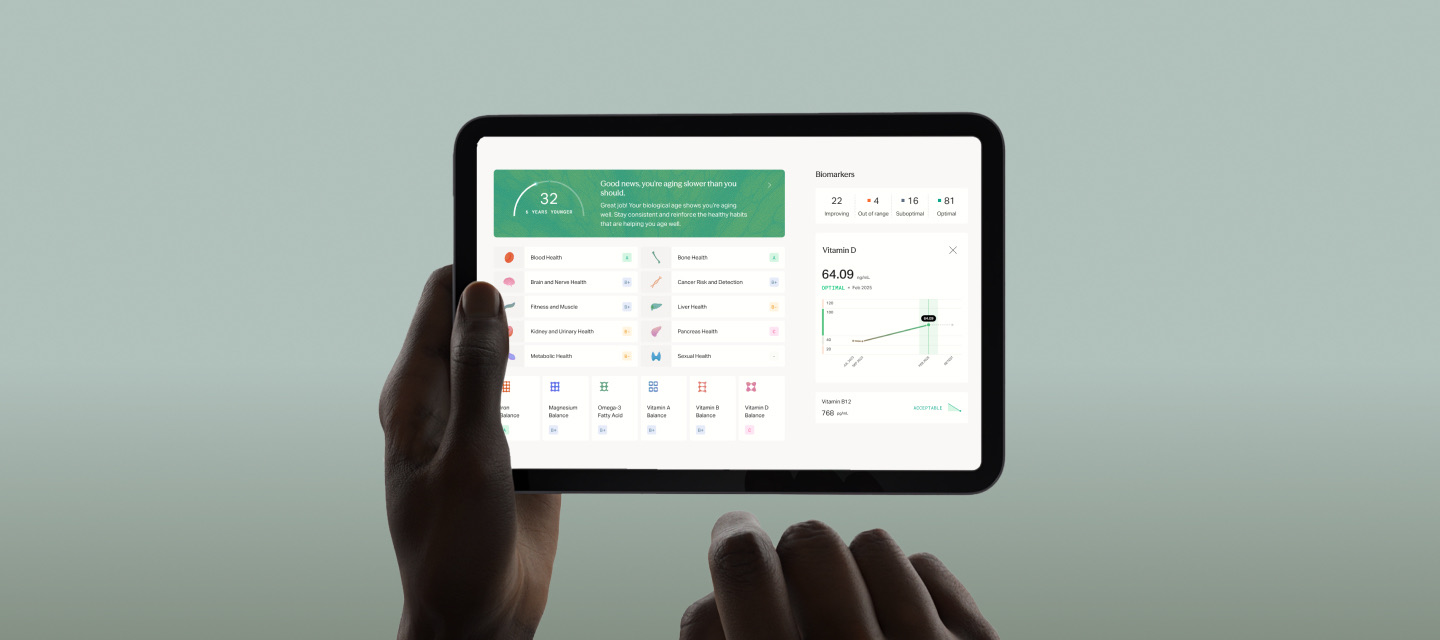
Continuous tracking, all in one place
Upload past labs and watch your trends over time. Every marker and visit lives in one longitudinal record, so all your care stays together.
-
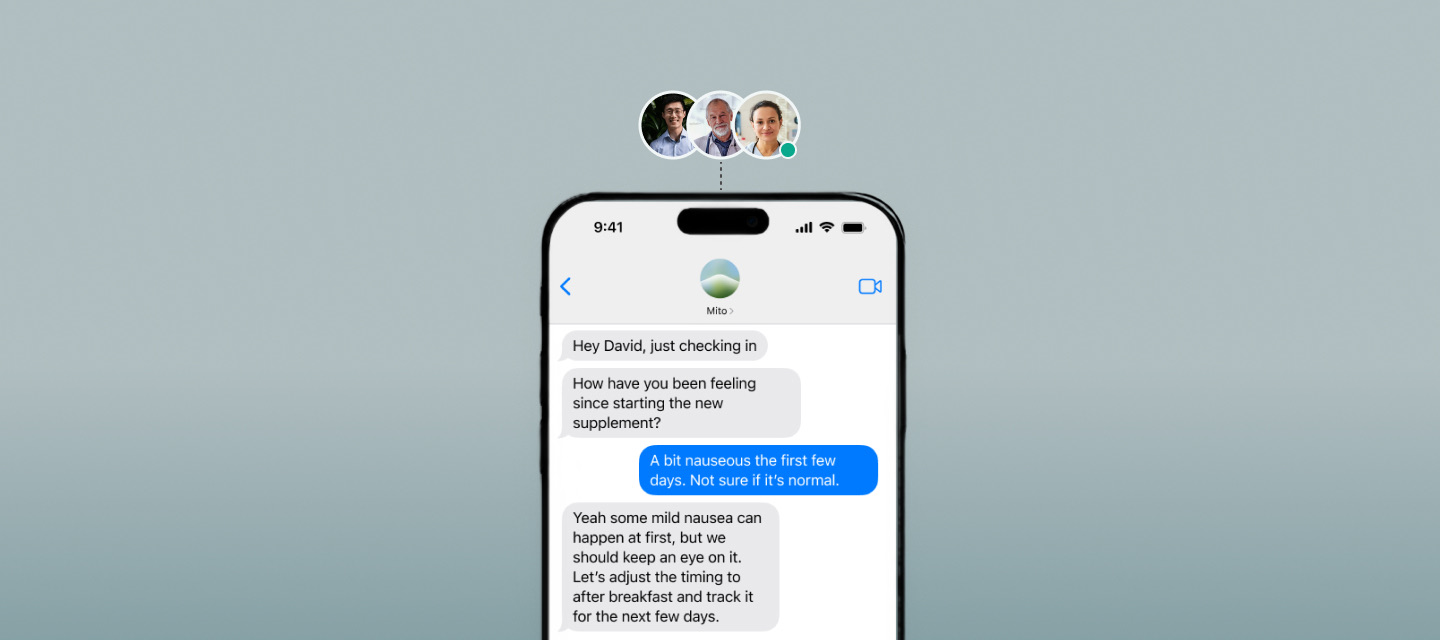
Year-round clinician support
Text anytime and get clinician-reviewed answers. When you want to go deeper, 1:1 consultations are available at affordable rates.
Common Insulin Blood Test questions
Does this test diagnose insulin resistance?
Can it diagnose diabetes or prediabetes?
Should glucose be tested at the same time?
Is this the same as C-peptide?
Can results be compared across laboratories?
What if symptoms suggest severe low blood sugar?
Why is fasting context important?
How does insulin differ from hemoglobin A1c?
How does pricing work?
Every test shows the member price next to the standard non-member price, so you can see what membership saves you. The member price is our cost, covering the lab and what it takes to run the service. It is never a profit on the test itself. Mito makes its money on the membership, not on marking up your tests. Membership is $9 per month or $99 per year, and any applicable lab order or draw fee is itemized before you pay.
Where do I get tested?
Choose an available partner lab at checkout. If your cart contains multiple blood tests, Mito helps consolidate the eligible tests at one lab when possible. At-home kits and scans follow the collection or appointment process shown on their product page.
Is this eligible for HSA/FSA?
Yes. Mito's lab tests are HSA/FSA eligible, so you can pay with pre-tax dollars.
Add the test to your cart and select "Pay with HSA/FSA" at checkout. You'll finish on the secure checkout page of Flex, our HSA/FSA payments partner, and Flex emails you an itemized receipt from notifications@withflex.com for your records.
Most Mito tests are auto-substantiated, so you usually won't need a Letter of Medical Necessity. If your HSA/FSA administrator asks for more, contact us and we'll help.
When will I get my results?
Your results appear in your Mito dashboard after the laboratory completes processing. A clinician then reviews them before your analysis and personalized action plan are finalized. Timing varies by test, and specialty assays and at-home kits may take longer.
Do I need a physician's order?
No. Mito provides the laboratory order when one is required, so you do not need to arrange a separate physician visit before purchasing.
How do availability and prices vary by state?
Available in 48 states and Washington, DC.
| States | Provider | Availability | Member price | Non-member price |
|---|---|---|---|---|
| All states and DC except HI, NJ, NY, and RI | Labcorp | Available | $9.26 | $12.97 |
| All states and DC except HI, NJ, NY, and RI | Quest Diagnostics | Available | $2.43 | $3.41 |
| NJ and NY | BioReference | Available | $12.35 | $17.29 |
| HI and RI | Not currently available |