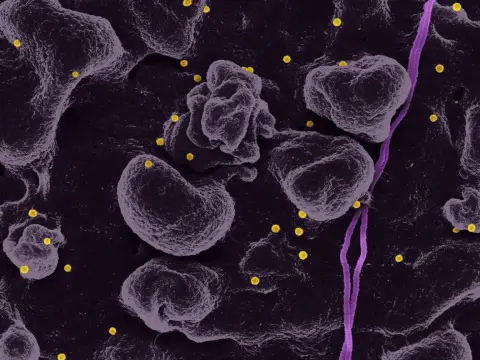
How to Improve Your Fasting glucose Level Naturally
Discover natural ways to improve your fasting glucose levels using diet, supplements, and holistic health strategies.
- Published
- April 23, 2026
- Last updated
- September 11, 2026
- Read time
- 2 min read
- Medically reviewed by
-
 Rhonda Collins, FNP-C

Natural Ways to Boost Fasting glucose Levels
-
Eat Fasting glucose-Rich Foods: Include whole foods like vegetables, fruits, lean proteins, and whole grains to help raise your levels.
-
Use Supplements If Needed: Consult with your doctor about safe supplementation.
-
Reduce Stress: Chronic stress can impact your biomarker levels—practice mindfulness, sleep well, and exercise regularly.
-
Address Underlying Health Issues: Poor absorption or chronic illnesses can contribute to imbalances.
FAQs
How do I know if my fasting glucose levels are low?
Blood tests and symptoms like fatigue, weakness, or inflammation can be indicators.
Can I increase my fasting glucose levels without supplements?
Yes, through a nutrient-rich diet and lifestyle changes tailored to your needs.
Where can I learn more?
Explore your Fasting glucose profile in detail to understand its role in your
health.
Related Glucose Resources
Clinical Evidence
The landmark Diabetes Prevention Program trial (PMID: 11832527) demonstrated that lifestyle intervention reduced the incidence of type 2 diabetes by 58% compared to placebo. Maintaining fasting glucose below 100 mg/dL significantly reduces long-term risk of microvascular and macrovascular complications.
Related Conditions
Frequently Asked Questions
What is a normal glucose level?
Normal fasting glucose is 70 to 99 mg/dL. Prediabetes is 100 to 125 mg/dL. Diabetes is diagnosed at 126 mg/dL or above on two separate occasions.
How long does it take to improve glucose levels?
Dietary changes can lower fasting glucose within 2 to 4 weeks. A structured exercise program shows measurable glucose improvements within 6 to 8 weeks.
Should I take supplements to improve my glucose?
Berberine has shown modest glucose-lowering effects in small trials, though that evidence is low quality and it has not been shown to be equivalent to any prescribed diabetes medication. It also interacts with many drugs, so discuss it with your prescribing clinician rather than starting it on your own. Chromium and alpha-lipoic acid have modest evidence. No supplement replaces diet, exercise, and medical treatment.
Blood sugar and metabolic tests
A direct snapshot of blood sugar and the first-line screen for diabetes and prediabetes.
Hemoglobin A1c (HbA1c) with eAG Blood Test with Reflex to 1,5-Anhydroglucitol (1,5-AG)
Your average blood sugar over the past three months, the core marker for diabetes risk and control.
Measures circulating insulin to help interpret pancreatic insulin output alongside glucose and the clinical context.
Comprehensive Metabolic Panel (CMP)
A 14-marker snapshot of kidney function, liver function, electrolytes, and blood sugar in one draw.