Get a deeper look into your health.

Schedule online, results in a week

Clear guidance, follow-up care available

HSA/FSA Eligible

How to Lower LDL Cholesterol Naturally: 8 Evidence-Based Methods

Lower your LDL cholesterol with proven methods including dietary changes, exercise, and targeted supplements. Includes advanced lipid testing guidance, ApoB context, and expected timelines.

Written by

Mito Health

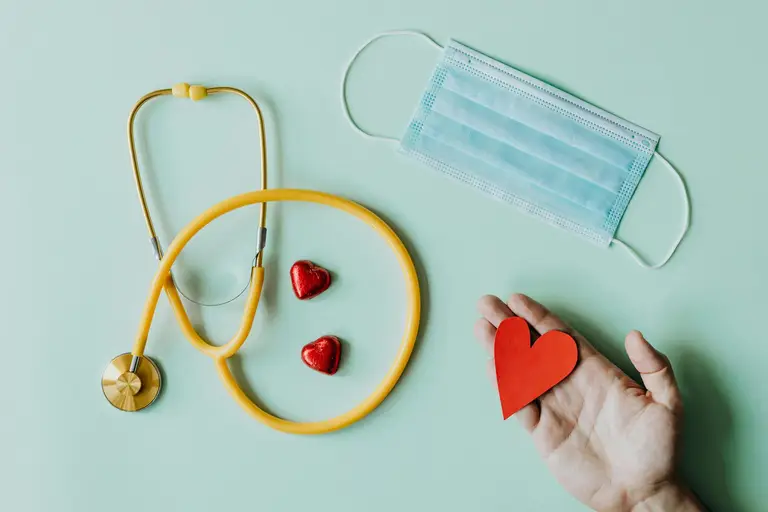
Red paper heart with stethoscope representing cardiovascular health

Quick Summary

Lower your LDL cholesterol with proven methods including dietary changes, exercise, and targeted supplements. Includes advanced lipid testing guidance, ApoB context, and expected timelines.

Your total cholesterol came back at 240. Your doctor handed you a statin prescription before you could ask a single question. You're 38, you exercise, you don't smoke — and now you're wondering whether medication is really the only option.

Here's the problem — most conventional cholesterol advice stops at "eat less saturated fat and take a statin." That's incomplete at best. LDL cholesterol is not one thing. There's a spectrum between large buoyant LDL particles (relatively benign) and small dense LDL particles (strongly atherogenic). Your total LDL number tells you almost nothing about actual cardiovascular risk without particle size, ApoB, and inflammatory context.

The other problem — lifestyle interventions actually work, but they need to be specific. "Eat healthy and exercise" is useless advice. The difference between someone doing random cardio and someone following an evidence-based protocol can be a 15–30% LDL reduction without medication.

This guide gives you the 8 most effective methods to lower LDL cholesterol naturally — ranked by evidence strength and expected magnitude of effect. Each method includes specific protocols, dose ranges, expected response windows, and the research behind it. We'll also cover when lifestyle alone isn't enough and medication genuinely makes sense. No ideology. Just data.

What Is LDL Cholesterol?

LDL (low-density lipoprotein) is a particle that carries cholesterol through your bloodstream. It's often called "bad cholesterol," but that label oversimplifies a complex system.

Your body needs cholesterol — it's essential for cell membranes, hormone production, and vitamin D synthesis. The problem isn't cholesterol itself. The problem is when too many LDL particles circulate for too long, penetrate the arterial wall, oxidize, and trigger the inflammatory cascade that builds plaque.

What most people don't realize is that standard LDL-C (cholesterol concentration) is a proxy measurement. It tells you the amount of cholesterol carried by LDL particles — not the number of particles. Two people with identical LDL-C of 130 mg/dL can have dramatically different cardiovascular risk depending on whether those particles are large and buoyant or small and dense [1].

This is why advanced lipid testing matters. ApoB (apolipoprotein B) gives you the actual particle count — one ApoB molecule per atherogenic particle. An ApoB of 90 mg/dL with an LDL-C of 130 is a very different risk profile than an ApoB of 130 mg/dL with the same LDL-C.

Why Does LDL Cholesterol Rise?

LDL levels are determined by a balance between production and clearance. When clearance slows down or production ramps up, LDL accumulates.

Dietary Factors

Saturated fat increases LDL by downregulating LDL receptors on liver cells — fewer receptors means slower clearance from the bloodstream. Trans fats are worse: they both increase LDL and decrease HDL. Dietary cholesterol has a smaller effect than previously thought, but it's not zero — high-responders (about 25% of people) see meaningful LDL increases from dietary cholesterol [2].

Metabolic Dysfunction

Insulin resistance and metabolic syndrome shift your lipid profile toward the atherogenic pattern: high triglycerides, low HDL, and small dense LDL particles. This is the most dangerous lipid pattern and the most common — it's driven by visceral fat, chronically elevated insulin, and hepatic fat accumulation. If your triglyceride-to-HDL ratio is above 3.5, this pattern is likely present regardless of what your total LDL says.

Genetic Factors

Familial hypercholesterolemia (FH) affects roughly 1 in 250 people and results in very high LDL (usually > 190 mg/dL) from birth. Heterozygous FH is manageable with aggressive intervention. If your LDL has always been elevated despite a clean lifestyle, genetic screening is worth considering — these individuals almost always need medication, and lifestyle alone won't be sufficient.

Other Contributors

Hypothyroidism reduces LDL receptor activity. Chronic kidney disease impairs lipid clearance. Certain medications (thiazide diuretics, beta-blockers, retinoids) can raise LDL. Rule these out before attributing elevated LDL entirely to diet.

The 8 Methods — Ranked by Evidence and Expected LDL Reduction

1. Reduce Saturated Fat Intake (Expected: 8–15% LDL Reduction)

This is the single most impactful dietary change for most people. Replacing saturated fat with unsaturated fat (particularly polyunsaturated) consistently reduces LDL-C in controlled trials.

  • Reduce saturated fat to less than 7% of total calories (about 15g on a 2,000-calorie diet)

  • Replace with olive oil, avocado, nuts, and fatty fish — not with refined carbohydrates

  • Specific swaps: butter to olive oil, red meat to fish 3–4x/week, full-fat dairy to moderate portions of fermented dairy

  • The replacement matters — swapping saturated fat for sugar or refined carbs can worsen your triglyceride-to-HDL ratio while lowering LDL, which doesn't actually reduce risk

Research shows that replacing 5% of calories from saturated fat with polyunsaturated fat reduces cardiovascular events by approximately 10% [3]. The mechanism is straightforward: less saturated fat means more LDL receptors on liver cells, which means faster clearance.

2. Soluble Fiber (Expected: 5–15% LDL Reduction)

Soluble fiber binds to bile acids in the gut, forcing the liver to pull cholesterol from the bloodstream to make more bile. It's one of the most reliable LDL-lowering interventions.

  • Target: 10–25g of soluble fiber daily (most people get 3–4g)

  • Best sources: oats (3g per cup), psyllium husk (5g per tablespoon), beans and lentils (4–6g per cup), barley, Brussels sprouts, flaxseed

  • Psyllium husk is the easiest to titrate: start with 5g daily and increase to 10–15g over two weeks

  • Take with plenty of water — soluble fiber without adequate hydration causes constipation

A meta-analysis of 67 trials found that each additional gram of soluble fiber reduces LDL-C by approximately 2.2 mg/dL. At 10g daily, that's a potential 22 mg/dL reduction [4]. The effect plateaus around 15g.

3. Plant Sterols and Stanols (Expected: 6–12% LDL Reduction)

Plant sterols are structurally similar to cholesterol and compete for absorption in the gut. They're one of the few supplements with consistent evidence for LDL reduction.

  • Target dose: 2–3g daily

  • Sources: fortified foods (spreads, yogurt, orange juice) or standalone supplements

  • Timing: split across meals for maximum effect — sterols work at the point of cholesterol absorption

  • Effect is additive to dietary changes and statin therapy

  • Does not affect HDL or triglycerides

The European Atherosclerosis Society endorses plant sterols as an adjunct to dietary changes. At 2g/day, the average LDL reduction is 8–10% [5]. Beyond 3g/day, there's minimal additional benefit.

4. Regular Aerobic Exercise (Expected: 3–10% LDL Reduction, 5–15% Triglyceride Reduction)

Exercise doesn't reduce LDL as dramatically as dietary changes, but it shifts your lipid profile in ways that standard LDL-C doesn't capture. Specifically, exercise increases LDL particle size (from small dense to large buoyant), raises HDL, and lowers triglycerides.

  • Minimum effective dose: 150 minutes/week of moderate-intensity aerobic exercise (brisk walking, cycling, swimming)

  • Higher intensity yields larger particle-size shifts: 3–4 sessions of 30–45 minutes at Zone 2–3 intensity

  • Resistance training adds benefit through improved insulin sensitivity and reduced visceral fat

  • Combined aerobic + resistance shows the best overall lipid improvement

The STRRIDE trial showed that the equivalent of jogging 20 miles per week significantly improved LDL particle distribution and reduced small dense LDL — even when total LDL-C didn't change dramatically [6]. This is why exercise is more impactful than the LDL number alone suggests.

5. Lose Visceral Fat (Expected: 5–20% LDL Improvement, Depending on Starting Point)

Visceral fat — the metabolically active fat surrounding your organs — drives the atherogenic lipid triad: high triglycerides, low HDL, small dense LDL. Reducing visceral fat can restructure your entire lipid profile.

  • Every 10 lbs of weight loss typically reduces LDL-C by 5–8 mg/dL

  • The effect is proportionally larger if you're carrying significant visceral fat (waist circumference > 40 inches for men, > 35 inches for women)

  • Weight loss also raises HDL and lowers triglycerides, improving the TG/HDL ratio

  • The method matters less than the deficit — caloric restriction, Mediterranean diet, and time-restricted eating all produce similar lipid improvements at equivalent weight loss

  • The first 5–10% of body weight lost produces the most dramatic lipid changes

If your TG/HDL ratio is above 3.5 and your waist circumference is elevated, visceral fat reduction will likely do more for your cardiovascular risk than any supplement.

6. Omega-3 Fatty Acids (Expected: Primarily Triglyceride Reduction, Minimal Direct LDL Effect)

Omega-3s (EPA and DHA) are powerful triglyceride-lowering agents but have a complex relationship with LDL. High-dose EPA (2–4g/day) lowers triglycerides by 20–45% and may slightly raise LDL-C while improving particle quality.

  • Prescription-grade EPA (icosapent ethyl, 4g/day) reduced cardiovascular events by 25% in the REDUCE-IT trial regardless of LDL levels

  • Standard fish oil (combined EPA/DHA): 2–4g daily for triglyceride reduction

  • Focus on EPA-dominant formulations — DHA tends to raise LDL-C more than EPA

  • Food-first approach: fatty fish 3–4x/week (salmon, mackerel, sardines) provides roughly 1–2g omega-3 daily

  • Check your omega-3 index — target above 8%

Include omega-3s not primarily for direct LDL lowering, but because they address the broader cardiovascular picture — triglycerides, inflammation, and endothelial function. If your triglycerides are above 150 mg/dL, this is a priority intervention.

7. Red Yeast Rice (Expected: 15–25% LDL Reduction)

Red yeast rice contains monacolin K, which is chemically identical to lovastatin. It's essentially a low-dose natural statin — and it works.

  • Effective dose: formulations providing 10–20mg monacolin K daily

  • LDL reductions comparable to low-dose statins (20–40mg lovastatin)

  • Same mechanism as statins: inhibits HMG-CoA reductase, the rate-limiting enzyme in cholesterol synthesis

  • Same potential side effects: monitor liver enzymes and watch for myalgia

  • Quality varies enormously between brands — monacolin K content can vary 100-fold between products

  • Add CoQ10 (100–200mg daily) if using red yeast rice, just as you would with a statin — it may reduce the risk of muscle-related side effects

The caveat: because it works the same way as a statin, if you need a statin-level intervention, you might as well use a pharmaceutical statin with standardized dosing and quality control. Red yeast rice occupies a middle ground for people who want statin-level effects without the prescription.

8. Niacin (Vitamin B3) (Expected: 10–20% LDL Reduction, 15–35% HDL Increase)

Niacin is one of the most potent natural HDL-raising and LDL-lowering agents available. But its side effect profile limits its use.

  • Effective dose: 1,500–2,000mg/day (extended-release preferred)

  • Must be titrated slowly: start at 250–500mg/day, increase by 250mg every 2–4 weeks

  • Flushing is the main side effect — aspirin 325mg taken 30 minutes before can reduce it

  • Raises HDL by 15–35%, a magnitude no other intervention matches

  • Also lowers Lp(a), a genetic cardiovascular risk marker that statins don't affect

  • No-flush niacin (inositol hexanicotinate) has minimal lipid-modifying effect — avoid if lipid improvement is the goal

The AIM-HIGH and HPS2-THRIVE trials showed no additional cardiovascular benefit when niacin was added to statin therapy, which dampened enthusiasm. However, as a standalone intervention for people who can't tolerate statins, or specifically for Lp(a) reduction, niacin still has a role [7].

Testing Protocols — When and What to Measure

Standard lipid panels are a start but don't tell the full story. Here's what to test and when.

Essential Markers

Marker

What It Tells You

Optimal Range

LDL-C

Cholesterol carried by LDL particles

< 100 mg/dL (< 70 if high risk)

HDL-C

Cholesterol carried by HDL particles

> 60 mg/dL

Triglycerides

Circulating blood fats

< 100 mg/dL (optimal)

Total Cholesterol

Sum of all cholesterol

< 200 mg/dL

ApoB

Actual atherogenic particle count

< 90 mg/dL (< 80 optimal)

Non-HDL-C

Total cholesterol minus HDL

< 130 mg/dL

Advanced Markers (When Standard Panel Isn't Enough)

Marker

Why It Matters

When to Order

LDL Particle Count

Particle number, not just cholesterol content

When LDL-C is discordant with clinical risk

LDL Size

Small dense vs large buoyant pattern

High TG/low HDL pattern

Lp(a)

Genetic risk marker statins don't affect

Once in a lifetime (it's genetic)

hsCRP

Vascular inflammation

Elevated LDL with family history

TG/HDL Ratio

Insulin resistance proxy

Metabolic syndrome screening

Small LDL-P

Atherogenic particle subfraction

High LDL-P with normal LDL-C

Testing Timeline

  • Baseline: full lipid panel + ApoB + hsCRP before starting interventions

  • 8–12 weeks: retest after implementing dietary and lifestyle changes

  • 6 months: comprehensive retest including advanced markers if initial improvement is insufficient

  • Annual: standard lipid panel + ApoB for ongoing monitoring

Track Your Cholesterol

Mito Health tests 100+ biomarkers including LDL-C, HDL-C, triglycerides, ApoB, LDL particle count, LDL size, Lp(a), hsCRP, and related cardiovascular markers with physician-guided interpretation. You get the full atherogenic picture — not just a single total cholesterol number. Individual testing starts at $349 and duo testing starts at $668.

View Testing Options →

Expected Timeline for LDL Cholesterol Reduction

How quickly each method works and what to expect:

Intervention

First Effect

Full Effect

Magnitude

Saturated fat reduction

2–3 weeks

6–8 weeks

8–15% LDL reduction

Soluble fiber (10–15g/day)

3–4 weeks

8–12 weeks

5–15% LDL reduction

Plant sterols (2–3g/day)

2–3 weeks

4–6 weeks

6–12% LDL reduction

Aerobic exercise

4–8 weeks

12–16 weeks

3–10% LDL, particle shift

Visceral fat loss (> 5%)

4–8 weeks

12–24 weeks

5–20% depending on start

Omega-3s (2–4g/day)

4–6 weeks

8–12 weeks

20–45% TG reduction

Red yeast rice

4–6 weeks

8–12 weeks

15–25% LDL reduction

Niacin (1,500–2,000mg)

4–8 weeks

12–16 weeks

10–20% LDL, 15–35% HDL increase

Combined approach: Stacking dietary changes + soluble fiber + plant sterols + exercise can produce a 25–40% LDL reduction in compliant individuals — approaching low-dose statin territory.

When Lifestyle Alone Isn't Enough

Not everyone can achieve target LDL through lifestyle changes alone. Be honest about this.

Medication is likely necessary if:

  • Your LDL remains above 160 mg/dL after 12 weeks of aggressive lifestyle intervention

  • You have familial hypercholesterolemia (LDL consistently > 190 mg/dL)

  • You have established cardiovascular disease and need LDL below 70 mg/dL

  • Your 10-year ASCVD risk score exceeds 7.5% with borderline-elevated LDL

  • You have multiple risk factors (diabetes, smoking, hypertension, family history) plus elevated LDL

Statin therapy reduces cardiovascular events by 25–35% in primary prevention and 30–45% in secondary prevention [8]. If you're in a high-risk category, a statin isn't failure — it's appropriate medicine. Lifestyle modifications remain important alongside medication because they address metabolic health, inflammation, and risk factors that statins don't.

The Bottom Line

LDL cholesterol management is not a one-variable problem. Standard LDL-C is a starting point, but particle count (ApoB), particle size, triglyceride-to-HDL ratio, and inflammatory markers tell the real story.

The most impactful lifestyle stack for most people: reduce saturated fat intake + add 10g+ of soluble fiber daily + 2g plant sterols + 150 minutes aerobic exercise per week. That combination can reduce LDL by 25–40% in 8–12 weeks if you're starting from a typical Western baseline.

But context matters. If your LDL is 150 with large buoyant particles, low ApoB, low hsCRP, and no family history — your actual risk may be moderate. If your LDL is 130 with high ApoB, small dense particles, elevated Lp(a), and a family history of early heart disease — you need aggressive intervention. The number alone doesn't tell you.

Test beyond the standard panel. Implement the methods that match your risk profile. Retest in 8–12 weeks. Then make data-driven decisions about whether medication is necessary — not fear-driven ones.

Key Takeaways

  • ApoB is a better risk marker than LDL-C alone — it counts actual atherogenic particles, and two people with identical LDL-C can have very different cardiovascular risk depending on ApoB

  • Reducing saturated fat is the highest-impact dietary change — replacing 5% of calories from saturated fat with polyunsaturated fat reduces cardiovascular events by approximately 10%

  • Soluble fiber at 10–15g daily reliably reduces LDL by 5–15% — psyllium husk is the easiest to dose, start at 5g and increase over two weeks

  • Plant sterols (2–3g/day) are additive to dietary changes — they compete with cholesterol for absorption in the gut and work alongside statins

  • Exercise improves LDL particle quality more than LDL-C number — 150 minutes/week shifts particles from small dense to large buoyant

  • The combined lifestyle stack (diet + fiber + sterols + exercise) can approach low-dose statin territory — 25–40% LDL reduction in compliant individuals

  • Red yeast rice is essentially a natural low-dose statin — effective but with the same monitoring requirements and side effect profile

  • Triglyceride-to-HDL ratio above 3.5 signals metabolic dysfunction — this pattern drives small dense LDL and often means visceral fat loss is more important than LDL-focused interventions

  • Medication is appropriate when lifestyle isn't enough — familial hypercholesterolemia, established CVD, or persistent LDL > 160 despite 12 weeks of intervention

Medical Disclaimer

This article is for educational and informational purposes only and does not constitute medical advice. The information provided should not be used for diagnosing or treating a health condition. Always consult with your doctor or qualified healthcare provider before making changes to your diet, starting any new supplement protocol, or modifying existing medications.

Individual results may vary. Cholesterol management should be personalized under medical supervision, especially if you have existing cardiovascular disease, take medications, or have a family history of heart disease. Never stop or adjust statin therapy without consulting your physician.

Track Your Progress

Related Content

References

[1] Krauss RM. Lipoprotein subfractions and cardiovascular disease risk. Curr Opin Lipidol. 2010;21(4):305-311. PMID: 20531184

[2] Vincent MJ, et al. Meta-regression analysis of the effects of dietary cholesterol intake on LDL and HDL cholesterol. Am J Clin Nutr. 2019;109(1):7-16. PMID: 30596814

[3] Sacks FM, et al. Dietary Fats and Cardiovascular Disease: A Presidential Advisory From the American Heart Association. Circulation. 2017;136(3):e1-e23. PMID: 28620111

[4] Brown L, et al. Cholesterol-lowering effects of dietary fiber: a meta-analysis. Am J Clin Nutr. 1999;69(1):30-42. PMID: 9925120

[5] Gylling H, et al. Plant sterols and plant stanols in the management of dyslipidaemia and prevention of cardiovascular disease. Atherosclerosis. 2014;232(2):346-360. PMID: 24468148

[6] Kraus WE, et al. Effects of the amount and intensity of exercise on plasma lipoproteins. N Engl J Med. 2002;347(19):1483-1492. PMID: 12421890

[7] AIM-HIGH Investigators. Niacin in patients with low HDL cholesterol levels receiving intensive statin therapy. N Engl J Med. 2011;365(24):2255-2267. PMID: 22085343

[8] Cholesterol Treatment Trialists' (CTT) Collaboration. Efficacy and safety of more intensive lowering of LDL cholesterol: a meta-analysis of data from 170,000 participants in 26 randomised trials. Lancet. 2010;376(9753):1670-1681. PMID: 21067804

Get a deeper look into your health.

Schedule online, results in a week

Clear guidance, follow-up care available

HSA/FSA Eligible

Comments

Get a deeper look into your health.

Schedule online, results in a week

Clear guidance, follow-up care available

HSA/FSA Eligible

How to Lower LDL Cholesterol Naturally: 8 Evidence-Based Methods

Lower your LDL cholesterol with proven methods including dietary changes, exercise, and targeted supplements. Includes advanced lipid testing guidance, ApoB context, and expected timelines.

Written by

Mito Health

Red paper heart with stethoscope representing cardiovascular health

Quick Summary

Lower your LDL cholesterol with proven methods including dietary changes, exercise, and targeted supplements. Includes advanced lipid testing guidance, ApoB context, and expected timelines.

Your total cholesterol came back at 240. Your doctor handed you a statin prescription before you could ask a single question. You're 38, you exercise, you don't smoke — and now you're wondering whether medication is really the only option.

Here's the problem — most conventional cholesterol advice stops at "eat less saturated fat and take a statin." That's incomplete at best. LDL cholesterol is not one thing. There's a spectrum between large buoyant LDL particles (relatively benign) and small dense LDL particles (strongly atherogenic). Your total LDL number tells you almost nothing about actual cardiovascular risk without particle size, ApoB, and inflammatory context.

The other problem — lifestyle interventions actually work, but they need to be specific. "Eat healthy and exercise" is useless advice. The difference between someone doing random cardio and someone following an evidence-based protocol can be a 15–30% LDL reduction without medication.

This guide gives you the 8 most effective methods to lower LDL cholesterol naturally — ranked by evidence strength and expected magnitude of effect. Each method includes specific protocols, dose ranges, expected response windows, and the research behind it. We'll also cover when lifestyle alone isn't enough and medication genuinely makes sense. No ideology. Just data.

What Is LDL Cholesterol?

LDL (low-density lipoprotein) is a particle that carries cholesterol through your bloodstream. It's often called "bad cholesterol," but that label oversimplifies a complex system.

Your body needs cholesterol — it's essential for cell membranes, hormone production, and vitamin D synthesis. The problem isn't cholesterol itself. The problem is when too many LDL particles circulate for too long, penetrate the arterial wall, oxidize, and trigger the inflammatory cascade that builds plaque.

What most people don't realize is that standard LDL-C (cholesterol concentration) is a proxy measurement. It tells you the amount of cholesterol carried by LDL particles — not the number of particles. Two people with identical LDL-C of 130 mg/dL can have dramatically different cardiovascular risk depending on whether those particles are large and buoyant or small and dense [1].

This is why advanced lipid testing matters. ApoB (apolipoprotein B) gives you the actual particle count — one ApoB molecule per atherogenic particle. An ApoB of 90 mg/dL with an LDL-C of 130 is a very different risk profile than an ApoB of 130 mg/dL with the same LDL-C.

Why Does LDL Cholesterol Rise?

LDL levels are determined by a balance between production and clearance. When clearance slows down or production ramps up, LDL accumulates.

Dietary Factors

Saturated fat increases LDL by downregulating LDL receptors on liver cells — fewer receptors means slower clearance from the bloodstream. Trans fats are worse: they both increase LDL and decrease HDL. Dietary cholesterol has a smaller effect than previously thought, but it's not zero — high-responders (about 25% of people) see meaningful LDL increases from dietary cholesterol [2].

Metabolic Dysfunction

Insulin resistance and metabolic syndrome shift your lipid profile toward the atherogenic pattern: high triglycerides, low HDL, and small dense LDL particles. This is the most dangerous lipid pattern and the most common — it's driven by visceral fat, chronically elevated insulin, and hepatic fat accumulation. If your triglyceride-to-HDL ratio is above 3.5, this pattern is likely present regardless of what your total LDL says.

Genetic Factors

Familial hypercholesterolemia (FH) affects roughly 1 in 250 people and results in very high LDL (usually > 190 mg/dL) from birth. Heterozygous FH is manageable with aggressive intervention. If your LDL has always been elevated despite a clean lifestyle, genetic screening is worth considering — these individuals almost always need medication, and lifestyle alone won't be sufficient.

Other Contributors

Hypothyroidism reduces LDL receptor activity. Chronic kidney disease impairs lipid clearance. Certain medications (thiazide diuretics, beta-blockers, retinoids) can raise LDL. Rule these out before attributing elevated LDL entirely to diet.

The 8 Methods — Ranked by Evidence and Expected LDL Reduction

1. Reduce Saturated Fat Intake (Expected: 8–15% LDL Reduction)

This is the single most impactful dietary change for most people. Replacing saturated fat with unsaturated fat (particularly polyunsaturated) consistently reduces LDL-C in controlled trials.

  • Reduce saturated fat to less than 7% of total calories (about 15g on a 2,000-calorie diet)

  • Replace with olive oil, avocado, nuts, and fatty fish — not with refined carbohydrates

  • Specific swaps: butter to olive oil, red meat to fish 3–4x/week, full-fat dairy to moderate portions of fermented dairy

  • The replacement matters — swapping saturated fat for sugar or refined carbs can worsen your triglyceride-to-HDL ratio while lowering LDL, which doesn't actually reduce risk

Research shows that replacing 5% of calories from saturated fat with polyunsaturated fat reduces cardiovascular events by approximately 10% [3]. The mechanism is straightforward: less saturated fat means more LDL receptors on liver cells, which means faster clearance.

2. Soluble Fiber (Expected: 5–15% LDL Reduction)

Soluble fiber binds to bile acids in the gut, forcing the liver to pull cholesterol from the bloodstream to make more bile. It's one of the most reliable LDL-lowering interventions.

  • Target: 10–25g of soluble fiber daily (most people get 3–4g)

  • Best sources: oats (3g per cup), psyllium husk (5g per tablespoon), beans and lentils (4–6g per cup), barley, Brussels sprouts, flaxseed

  • Psyllium husk is the easiest to titrate: start with 5g daily and increase to 10–15g over two weeks

  • Take with plenty of water — soluble fiber without adequate hydration causes constipation

A meta-analysis of 67 trials found that each additional gram of soluble fiber reduces LDL-C by approximately 2.2 mg/dL. At 10g daily, that's a potential 22 mg/dL reduction [4]. The effect plateaus around 15g.

3. Plant Sterols and Stanols (Expected: 6–12% LDL Reduction)

Plant sterols are structurally similar to cholesterol and compete for absorption in the gut. They're one of the few supplements with consistent evidence for LDL reduction.

  • Target dose: 2–3g daily

  • Sources: fortified foods (spreads, yogurt, orange juice) or standalone supplements

  • Timing: split across meals for maximum effect — sterols work at the point of cholesterol absorption

  • Effect is additive to dietary changes and statin therapy

  • Does not affect HDL or triglycerides

The European Atherosclerosis Society endorses plant sterols as an adjunct to dietary changes. At 2g/day, the average LDL reduction is 8–10% [5]. Beyond 3g/day, there's minimal additional benefit.

4. Regular Aerobic Exercise (Expected: 3–10% LDL Reduction, 5–15% Triglyceride Reduction)

Exercise doesn't reduce LDL as dramatically as dietary changes, but it shifts your lipid profile in ways that standard LDL-C doesn't capture. Specifically, exercise increases LDL particle size (from small dense to large buoyant), raises HDL, and lowers triglycerides.

  • Minimum effective dose: 150 minutes/week of moderate-intensity aerobic exercise (brisk walking, cycling, swimming)

  • Higher intensity yields larger particle-size shifts: 3–4 sessions of 30–45 minutes at Zone 2–3 intensity

  • Resistance training adds benefit through improved insulin sensitivity and reduced visceral fat

  • Combined aerobic + resistance shows the best overall lipid improvement

The STRRIDE trial showed that the equivalent of jogging 20 miles per week significantly improved LDL particle distribution and reduced small dense LDL — even when total LDL-C didn't change dramatically [6]. This is why exercise is more impactful than the LDL number alone suggests.

5. Lose Visceral Fat (Expected: 5–20% LDL Improvement, Depending on Starting Point)

Visceral fat — the metabolically active fat surrounding your organs — drives the atherogenic lipid triad: high triglycerides, low HDL, small dense LDL. Reducing visceral fat can restructure your entire lipid profile.

  • Every 10 lbs of weight loss typically reduces LDL-C by 5–8 mg/dL

  • The effect is proportionally larger if you're carrying significant visceral fat (waist circumference > 40 inches for men, > 35 inches for women)

  • Weight loss also raises HDL and lowers triglycerides, improving the TG/HDL ratio

  • The method matters less than the deficit — caloric restriction, Mediterranean diet, and time-restricted eating all produce similar lipid improvements at equivalent weight loss

  • The first 5–10% of body weight lost produces the most dramatic lipid changes

If your TG/HDL ratio is above 3.5 and your waist circumference is elevated, visceral fat reduction will likely do more for your cardiovascular risk than any supplement.

6. Omega-3 Fatty Acids (Expected: Primarily Triglyceride Reduction, Minimal Direct LDL Effect)

Omega-3s (EPA and DHA) are powerful triglyceride-lowering agents but have a complex relationship with LDL. High-dose EPA (2–4g/day) lowers triglycerides by 20–45% and may slightly raise LDL-C while improving particle quality.

  • Prescription-grade EPA (icosapent ethyl, 4g/day) reduced cardiovascular events by 25% in the REDUCE-IT trial regardless of LDL levels

  • Standard fish oil (combined EPA/DHA): 2–4g daily for triglyceride reduction

  • Focus on EPA-dominant formulations — DHA tends to raise LDL-C more than EPA

  • Food-first approach: fatty fish 3–4x/week (salmon, mackerel, sardines) provides roughly 1–2g omega-3 daily

  • Check your omega-3 index — target above 8%

Include omega-3s not primarily for direct LDL lowering, but because they address the broader cardiovascular picture — triglycerides, inflammation, and endothelial function. If your triglycerides are above 150 mg/dL, this is a priority intervention.

7. Red Yeast Rice (Expected: 15–25% LDL Reduction)

Red yeast rice contains monacolin K, which is chemically identical to lovastatin. It's essentially a low-dose natural statin — and it works.

  • Effective dose: formulations providing 10–20mg monacolin K daily

  • LDL reductions comparable to low-dose statins (20–40mg lovastatin)

  • Same mechanism as statins: inhibits HMG-CoA reductase, the rate-limiting enzyme in cholesterol synthesis

  • Same potential side effects: monitor liver enzymes and watch for myalgia

  • Quality varies enormously between brands — monacolin K content can vary 100-fold between products

  • Add CoQ10 (100–200mg daily) if using red yeast rice, just as you would with a statin — it may reduce the risk of muscle-related side effects

The caveat: because it works the same way as a statin, if you need a statin-level intervention, you might as well use a pharmaceutical statin with standardized dosing and quality control. Red yeast rice occupies a middle ground for people who want statin-level effects without the prescription.

8. Niacin (Vitamin B3) (Expected: 10–20% LDL Reduction, 15–35% HDL Increase)

Niacin is one of the most potent natural HDL-raising and LDL-lowering agents available. But its side effect profile limits its use.

  • Effective dose: 1,500–2,000mg/day (extended-release preferred)

  • Must be titrated slowly: start at 250–500mg/day, increase by 250mg every 2–4 weeks

  • Flushing is the main side effect — aspirin 325mg taken 30 minutes before can reduce it

  • Raises HDL by 15–35%, a magnitude no other intervention matches

  • Also lowers Lp(a), a genetic cardiovascular risk marker that statins don't affect

  • No-flush niacin (inositol hexanicotinate) has minimal lipid-modifying effect — avoid if lipid improvement is the goal

The AIM-HIGH and HPS2-THRIVE trials showed no additional cardiovascular benefit when niacin was added to statin therapy, which dampened enthusiasm. However, as a standalone intervention for people who can't tolerate statins, or specifically for Lp(a) reduction, niacin still has a role [7].

Testing Protocols — When and What to Measure

Standard lipid panels are a start but don't tell the full story. Here's what to test and when.

Essential Markers

Marker

What It Tells You

Optimal Range

LDL-C

Cholesterol carried by LDL particles

< 100 mg/dL (< 70 if high risk)

HDL-C

Cholesterol carried by HDL particles

> 60 mg/dL

Triglycerides

Circulating blood fats

< 100 mg/dL (optimal)

Total Cholesterol

Sum of all cholesterol

< 200 mg/dL

ApoB

Actual atherogenic particle count

< 90 mg/dL (< 80 optimal)

Non-HDL-C

Total cholesterol minus HDL

< 130 mg/dL

Advanced Markers (When Standard Panel Isn't Enough)

Marker

Why It Matters

When to Order

LDL Particle Count

Particle number, not just cholesterol content

When LDL-C is discordant with clinical risk

LDL Size

Small dense vs large buoyant pattern

High TG/low HDL pattern

Lp(a)

Genetic risk marker statins don't affect

Once in a lifetime (it's genetic)

hsCRP

Vascular inflammation

Elevated LDL with family history

TG/HDL Ratio

Insulin resistance proxy

Metabolic syndrome screening

Small LDL-P

Atherogenic particle subfraction

High LDL-P with normal LDL-C

Testing Timeline

  • Baseline: full lipid panel + ApoB + hsCRP before starting interventions

  • 8–12 weeks: retest after implementing dietary and lifestyle changes

  • 6 months: comprehensive retest including advanced markers if initial improvement is insufficient

  • Annual: standard lipid panel + ApoB for ongoing monitoring

Track Your Cholesterol

Mito Health tests 100+ biomarkers including LDL-C, HDL-C, triglycerides, ApoB, LDL particle count, LDL size, Lp(a), hsCRP, and related cardiovascular markers with physician-guided interpretation. You get the full atherogenic picture — not just a single total cholesterol number. Individual testing starts at $349 and duo testing starts at $668.

View Testing Options →

Expected Timeline for LDL Cholesterol Reduction

How quickly each method works and what to expect:

Intervention

First Effect

Full Effect

Magnitude

Saturated fat reduction

2–3 weeks

6–8 weeks

8–15% LDL reduction

Soluble fiber (10–15g/day)

3–4 weeks

8–12 weeks

5–15% LDL reduction

Plant sterols (2–3g/day)

2–3 weeks

4–6 weeks

6–12% LDL reduction

Aerobic exercise

4–8 weeks

12–16 weeks

3–10% LDL, particle shift

Visceral fat loss (> 5%)

4–8 weeks

12–24 weeks

5–20% depending on start

Omega-3s (2–4g/day)

4–6 weeks

8–12 weeks

20–45% TG reduction

Red yeast rice

4–6 weeks

8–12 weeks

15–25% LDL reduction

Niacin (1,500–2,000mg)

4–8 weeks

12–16 weeks

10–20% LDL, 15–35% HDL increase

Combined approach: Stacking dietary changes + soluble fiber + plant sterols + exercise can produce a 25–40% LDL reduction in compliant individuals — approaching low-dose statin territory.

When Lifestyle Alone Isn't Enough

Not everyone can achieve target LDL through lifestyle changes alone. Be honest about this.

Medication is likely necessary if:

  • Your LDL remains above 160 mg/dL after 12 weeks of aggressive lifestyle intervention

  • You have familial hypercholesterolemia (LDL consistently > 190 mg/dL)

  • You have established cardiovascular disease and need LDL below 70 mg/dL

  • Your 10-year ASCVD risk score exceeds 7.5% with borderline-elevated LDL

  • You have multiple risk factors (diabetes, smoking, hypertension, family history) plus elevated LDL

Statin therapy reduces cardiovascular events by 25–35% in primary prevention and 30–45% in secondary prevention [8]. If you're in a high-risk category, a statin isn't failure — it's appropriate medicine. Lifestyle modifications remain important alongside medication because they address metabolic health, inflammation, and risk factors that statins don't.

The Bottom Line

LDL cholesterol management is not a one-variable problem. Standard LDL-C is a starting point, but particle count (ApoB), particle size, triglyceride-to-HDL ratio, and inflammatory markers tell the real story.

The most impactful lifestyle stack for most people: reduce saturated fat intake + add 10g+ of soluble fiber daily + 2g plant sterols + 150 minutes aerobic exercise per week. That combination can reduce LDL by 25–40% in 8–12 weeks if you're starting from a typical Western baseline.

But context matters. If your LDL is 150 with large buoyant particles, low ApoB, low hsCRP, and no family history — your actual risk may be moderate. If your LDL is 130 with high ApoB, small dense particles, elevated Lp(a), and a family history of early heart disease — you need aggressive intervention. The number alone doesn't tell you.

Test beyond the standard panel. Implement the methods that match your risk profile. Retest in 8–12 weeks. Then make data-driven decisions about whether medication is necessary — not fear-driven ones.

Key Takeaways

  • ApoB is a better risk marker than LDL-C alone — it counts actual atherogenic particles, and two people with identical LDL-C can have very different cardiovascular risk depending on ApoB

  • Reducing saturated fat is the highest-impact dietary change — replacing 5% of calories from saturated fat with polyunsaturated fat reduces cardiovascular events by approximately 10%

  • Soluble fiber at 10–15g daily reliably reduces LDL by 5–15% — psyllium husk is the easiest to dose, start at 5g and increase over two weeks

  • Plant sterols (2–3g/day) are additive to dietary changes — they compete with cholesterol for absorption in the gut and work alongside statins

  • Exercise improves LDL particle quality more than LDL-C number — 150 minutes/week shifts particles from small dense to large buoyant

  • The combined lifestyle stack (diet + fiber + sterols + exercise) can approach low-dose statin territory — 25–40% LDL reduction in compliant individuals

  • Red yeast rice is essentially a natural low-dose statin — effective but with the same monitoring requirements and side effect profile

  • Triglyceride-to-HDL ratio above 3.5 signals metabolic dysfunction — this pattern drives small dense LDL and often means visceral fat loss is more important than LDL-focused interventions

  • Medication is appropriate when lifestyle isn't enough — familial hypercholesterolemia, established CVD, or persistent LDL > 160 despite 12 weeks of intervention

Medical Disclaimer

This article is for educational and informational purposes only and does not constitute medical advice. The information provided should not be used for diagnosing or treating a health condition. Always consult with your doctor or qualified healthcare provider before making changes to your diet, starting any new supplement protocol, or modifying existing medications.

Individual results may vary. Cholesterol management should be personalized under medical supervision, especially if you have existing cardiovascular disease, take medications, or have a family history of heart disease. Never stop or adjust statin therapy without consulting your physician.

Track Your Progress

Related Content

References

[1] Krauss RM. Lipoprotein subfractions and cardiovascular disease risk. Curr Opin Lipidol. 2010;21(4):305-311. PMID: 20531184

[2] Vincent MJ, et al. Meta-regression analysis of the effects of dietary cholesterol intake on LDL and HDL cholesterol. Am J Clin Nutr. 2019;109(1):7-16. PMID: 30596814

[3] Sacks FM, et al. Dietary Fats and Cardiovascular Disease: A Presidential Advisory From the American Heart Association. Circulation. 2017;136(3):e1-e23. PMID: 28620111

[4] Brown L, et al. Cholesterol-lowering effects of dietary fiber: a meta-analysis. Am J Clin Nutr. 1999;69(1):30-42. PMID: 9925120

[5] Gylling H, et al. Plant sterols and plant stanols in the management of dyslipidaemia and prevention of cardiovascular disease. Atherosclerosis. 2014;232(2):346-360. PMID: 24468148

[6] Kraus WE, et al. Effects of the amount and intensity of exercise on plasma lipoproteins. N Engl J Med. 2002;347(19):1483-1492. PMID: 12421890

[7] AIM-HIGH Investigators. Niacin in patients with low HDL cholesterol levels receiving intensive statin therapy. N Engl J Med. 2011;365(24):2255-2267. PMID: 22085343

[8] Cholesterol Treatment Trialists' (CTT) Collaboration. Efficacy and safety of more intensive lowering of LDL cholesterol: a meta-analysis of data from 170,000 participants in 26 randomised trials. Lancet. 2010;376(9753):1670-1681. PMID: 21067804

Get a deeper look into your health.

Schedule online, results in a week

Clear guidance, follow-up care available

HSA/FSA Eligible

Comments

How to Lower LDL Cholesterol Naturally: 8 Evidence-Based Methods

Lower your LDL cholesterol with proven methods including dietary changes, exercise, and targeted supplements. Includes advanced lipid testing guidance, ApoB context, and expected timelines.

Written by

Mito Health

Red paper heart with stethoscope representing cardiovascular health

Quick Summary

Lower your LDL cholesterol with proven methods including dietary changes, exercise, and targeted supplements. Includes advanced lipid testing guidance, ApoB context, and expected timelines.

Your total cholesterol came back at 240. Your doctor handed you a statin prescription before you could ask a single question. You're 38, you exercise, you don't smoke — and now you're wondering whether medication is really the only option.

Here's the problem — most conventional cholesterol advice stops at "eat less saturated fat and take a statin." That's incomplete at best. LDL cholesterol is not one thing. There's a spectrum between large buoyant LDL particles (relatively benign) and small dense LDL particles (strongly atherogenic). Your total LDL number tells you almost nothing about actual cardiovascular risk without particle size, ApoB, and inflammatory context.

The other problem — lifestyle interventions actually work, but they need to be specific. "Eat healthy and exercise" is useless advice. The difference between someone doing random cardio and someone following an evidence-based protocol can be a 15–30% LDL reduction without medication.

This guide gives you the 8 most effective methods to lower LDL cholesterol naturally — ranked by evidence strength and expected magnitude of effect. Each method includes specific protocols, dose ranges, expected response windows, and the research behind it. We'll also cover when lifestyle alone isn't enough and medication genuinely makes sense. No ideology. Just data.

What Is LDL Cholesterol?

LDL (low-density lipoprotein) is a particle that carries cholesterol through your bloodstream. It's often called "bad cholesterol," but that label oversimplifies a complex system.

Your body needs cholesterol — it's essential for cell membranes, hormone production, and vitamin D synthesis. The problem isn't cholesterol itself. The problem is when too many LDL particles circulate for too long, penetrate the arterial wall, oxidize, and trigger the inflammatory cascade that builds plaque.

What most people don't realize is that standard LDL-C (cholesterol concentration) is a proxy measurement. It tells you the amount of cholesterol carried by LDL particles — not the number of particles. Two people with identical LDL-C of 130 mg/dL can have dramatically different cardiovascular risk depending on whether those particles are large and buoyant or small and dense [1].

This is why advanced lipid testing matters. ApoB (apolipoprotein B) gives you the actual particle count — one ApoB molecule per atherogenic particle. An ApoB of 90 mg/dL with an LDL-C of 130 is a very different risk profile than an ApoB of 130 mg/dL with the same LDL-C.

Why Does LDL Cholesterol Rise?

LDL levels are determined by a balance between production and clearance. When clearance slows down or production ramps up, LDL accumulates.

Dietary Factors

Saturated fat increases LDL by downregulating LDL receptors on liver cells — fewer receptors means slower clearance from the bloodstream. Trans fats are worse: they both increase LDL and decrease HDL. Dietary cholesterol has a smaller effect than previously thought, but it's not zero — high-responders (about 25% of people) see meaningful LDL increases from dietary cholesterol [2].

Metabolic Dysfunction

Insulin resistance and metabolic syndrome shift your lipid profile toward the atherogenic pattern: high triglycerides, low HDL, and small dense LDL particles. This is the most dangerous lipid pattern and the most common — it's driven by visceral fat, chronically elevated insulin, and hepatic fat accumulation. If your triglyceride-to-HDL ratio is above 3.5, this pattern is likely present regardless of what your total LDL says.

Genetic Factors

Familial hypercholesterolemia (FH) affects roughly 1 in 250 people and results in very high LDL (usually > 190 mg/dL) from birth. Heterozygous FH is manageable with aggressive intervention. If your LDL has always been elevated despite a clean lifestyle, genetic screening is worth considering — these individuals almost always need medication, and lifestyle alone won't be sufficient.

Other Contributors

Hypothyroidism reduces LDL receptor activity. Chronic kidney disease impairs lipid clearance. Certain medications (thiazide diuretics, beta-blockers, retinoids) can raise LDL. Rule these out before attributing elevated LDL entirely to diet.

The 8 Methods — Ranked by Evidence and Expected LDL Reduction

1. Reduce Saturated Fat Intake (Expected: 8–15% LDL Reduction)

This is the single most impactful dietary change for most people. Replacing saturated fat with unsaturated fat (particularly polyunsaturated) consistently reduces LDL-C in controlled trials.

  • Reduce saturated fat to less than 7% of total calories (about 15g on a 2,000-calorie diet)

  • Replace with olive oil, avocado, nuts, and fatty fish — not with refined carbohydrates

  • Specific swaps: butter to olive oil, red meat to fish 3–4x/week, full-fat dairy to moderate portions of fermented dairy

  • The replacement matters — swapping saturated fat for sugar or refined carbs can worsen your triglyceride-to-HDL ratio while lowering LDL, which doesn't actually reduce risk

Research shows that replacing 5% of calories from saturated fat with polyunsaturated fat reduces cardiovascular events by approximately 10% [3]. The mechanism is straightforward: less saturated fat means more LDL receptors on liver cells, which means faster clearance.

2. Soluble Fiber (Expected: 5–15% LDL Reduction)

Soluble fiber binds to bile acids in the gut, forcing the liver to pull cholesterol from the bloodstream to make more bile. It's one of the most reliable LDL-lowering interventions.

  • Target: 10–25g of soluble fiber daily (most people get 3–4g)

  • Best sources: oats (3g per cup), psyllium husk (5g per tablespoon), beans and lentils (4–6g per cup), barley, Brussels sprouts, flaxseed

  • Psyllium husk is the easiest to titrate: start with 5g daily and increase to 10–15g over two weeks

  • Take with plenty of water — soluble fiber without adequate hydration causes constipation

A meta-analysis of 67 trials found that each additional gram of soluble fiber reduces LDL-C by approximately 2.2 mg/dL. At 10g daily, that's a potential 22 mg/dL reduction [4]. The effect plateaus around 15g.

3. Plant Sterols and Stanols (Expected: 6–12% LDL Reduction)

Plant sterols are structurally similar to cholesterol and compete for absorption in the gut. They're one of the few supplements with consistent evidence for LDL reduction.

  • Target dose: 2–3g daily

  • Sources: fortified foods (spreads, yogurt, orange juice) or standalone supplements

  • Timing: split across meals for maximum effect — sterols work at the point of cholesterol absorption

  • Effect is additive to dietary changes and statin therapy

  • Does not affect HDL or triglycerides

The European Atherosclerosis Society endorses plant sterols as an adjunct to dietary changes. At 2g/day, the average LDL reduction is 8–10% [5]. Beyond 3g/day, there's minimal additional benefit.

4. Regular Aerobic Exercise (Expected: 3–10% LDL Reduction, 5–15% Triglyceride Reduction)

Exercise doesn't reduce LDL as dramatically as dietary changes, but it shifts your lipid profile in ways that standard LDL-C doesn't capture. Specifically, exercise increases LDL particle size (from small dense to large buoyant), raises HDL, and lowers triglycerides.

  • Minimum effective dose: 150 minutes/week of moderate-intensity aerobic exercise (brisk walking, cycling, swimming)

  • Higher intensity yields larger particle-size shifts: 3–4 sessions of 30–45 minutes at Zone 2–3 intensity

  • Resistance training adds benefit through improved insulin sensitivity and reduced visceral fat

  • Combined aerobic + resistance shows the best overall lipid improvement

The STRRIDE trial showed that the equivalent of jogging 20 miles per week significantly improved LDL particle distribution and reduced small dense LDL — even when total LDL-C didn't change dramatically [6]. This is why exercise is more impactful than the LDL number alone suggests.

5. Lose Visceral Fat (Expected: 5–20% LDL Improvement, Depending on Starting Point)

Visceral fat — the metabolically active fat surrounding your organs — drives the atherogenic lipid triad: high triglycerides, low HDL, small dense LDL. Reducing visceral fat can restructure your entire lipid profile.

  • Every 10 lbs of weight loss typically reduces LDL-C by 5–8 mg/dL

  • The effect is proportionally larger if you're carrying significant visceral fat (waist circumference > 40 inches for men, > 35 inches for women)

  • Weight loss also raises HDL and lowers triglycerides, improving the TG/HDL ratio

  • The method matters less than the deficit — caloric restriction, Mediterranean diet, and time-restricted eating all produce similar lipid improvements at equivalent weight loss

  • The first 5–10% of body weight lost produces the most dramatic lipid changes

If your TG/HDL ratio is above 3.5 and your waist circumference is elevated, visceral fat reduction will likely do more for your cardiovascular risk than any supplement.

6. Omega-3 Fatty Acids (Expected: Primarily Triglyceride Reduction, Minimal Direct LDL Effect)

Omega-3s (EPA and DHA) are powerful triglyceride-lowering agents but have a complex relationship with LDL. High-dose EPA (2–4g/day) lowers triglycerides by 20–45% and may slightly raise LDL-C while improving particle quality.

  • Prescription-grade EPA (icosapent ethyl, 4g/day) reduced cardiovascular events by 25% in the REDUCE-IT trial regardless of LDL levels

  • Standard fish oil (combined EPA/DHA): 2–4g daily for triglyceride reduction

  • Focus on EPA-dominant formulations — DHA tends to raise LDL-C more than EPA

  • Food-first approach: fatty fish 3–4x/week (salmon, mackerel, sardines) provides roughly 1–2g omega-3 daily

  • Check your omega-3 index — target above 8%

Include omega-3s not primarily for direct LDL lowering, but because they address the broader cardiovascular picture — triglycerides, inflammation, and endothelial function. If your triglycerides are above 150 mg/dL, this is a priority intervention.

7. Red Yeast Rice (Expected: 15–25% LDL Reduction)

Red yeast rice contains monacolin K, which is chemically identical to lovastatin. It's essentially a low-dose natural statin — and it works.

  • Effective dose: formulations providing 10–20mg monacolin K daily

  • LDL reductions comparable to low-dose statins (20–40mg lovastatin)

  • Same mechanism as statins: inhibits HMG-CoA reductase, the rate-limiting enzyme in cholesterol synthesis

  • Same potential side effects: monitor liver enzymes and watch for myalgia

  • Quality varies enormously between brands — monacolin K content can vary 100-fold between products

  • Add CoQ10 (100–200mg daily) if using red yeast rice, just as you would with a statin — it may reduce the risk of muscle-related side effects

The caveat: because it works the same way as a statin, if you need a statin-level intervention, you might as well use a pharmaceutical statin with standardized dosing and quality control. Red yeast rice occupies a middle ground for people who want statin-level effects without the prescription.

8. Niacin (Vitamin B3) (Expected: 10–20% LDL Reduction, 15–35% HDL Increase)

Niacin is one of the most potent natural HDL-raising and LDL-lowering agents available. But its side effect profile limits its use.

  • Effective dose: 1,500–2,000mg/day (extended-release preferred)

  • Must be titrated slowly: start at 250–500mg/day, increase by 250mg every 2–4 weeks

  • Flushing is the main side effect — aspirin 325mg taken 30 minutes before can reduce it

  • Raises HDL by 15–35%, a magnitude no other intervention matches

  • Also lowers Lp(a), a genetic cardiovascular risk marker that statins don't affect

  • No-flush niacin (inositol hexanicotinate) has minimal lipid-modifying effect — avoid if lipid improvement is the goal

The AIM-HIGH and HPS2-THRIVE trials showed no additional cardiovascular benefit when niacin was added to statin therapy, which dampened enthusiasm. However, as a standalone intervention for people who can't tolerate statins, or specifically for Lp(a) reduction, niacin still has a role [7].

Testing Protocols — When and What to Measure

Standard lipid panels are a start but don't tell the full story. Here's what to test and when.

Essential Markers

Marker

What It Tells You

Optimal Range

LDL-C

Cholesterol carried by LDL particles

< 100 mg/dL (< 70 if high risk)

HDL-C

Cholesterol carried by HDL particles

> 60 mg/dL

Triglycerides

Circulating blood fats

< 100 mg/dL (optimal)

Total Cholesterol

Sum of all cholesterol

< 200 mg/dL

ApoB

Actual atherogenic particle count

< 90 mg/dL (< 80 optimal)

Non-HDL-C

Total cholesterol minus HDL

< 130 mg/dL

Advanced Markers (When Standard Panel Isn't Enough)

Marker

Why It Matters

When to Order

LDL Particle Count

Particle number, not just cholesterol content

When LDL-C is discordant with clinical risk

LDL Size

Small dense vs large buoyant pattern

High TG/low HDL pattern

Lp(a)

Genetic risk marker statins don't affect

Once in a lifetime (it's genetic)

hsCRP

Vascular inflammation

Elevated LDL with family history

TG/HDL Ratio

Insulin resistance proxy

Metabolic syndrome screening

Small LDL-P

Atherogenic particle subfraction

High LDL-P with normal LDL-C

Testing Timeline

  • Baseline: full lipid panel + ApoB + hsCRP before starting interventions

  • 8–12 weeks: retest after implementing dietary and lifestyle changes

  • 6 months: comprehensive retest including advanced markers if initial improvement is insufficient

  • Annual: standard lipid panel + ApoB for ongoing monitoring

Track Your Cholesterol

Mito Health tests 100+ biomarkers including LDL-C, HDL-C, triglycerides, ApoB, LDL particle count, LDL size, Lp(a), hsCRP, and related cardiovascular markers with physician-guided interpretation. You get the full atherogenic picture — not just a single total cholesterol number. Individual testing starts at $349 and duo testing starts at $668.

View Testing Options →

Expected Timeline for LDL Cholesterol Reduction

How quickly each method works and what to expect:

Intervention

First Effect

Full Effect

Magnitude

Saturated fat reduction

2–3 weeks

6–8 weeks

8–15% LDL reduction

Soluble fiber (10–15g/day)

3–4 weeks

8–12 weeks

5–15% LDL reduction

Plant sterols (2–3g/day)

2–3 weeks

4–6 weeks

6–12% LDL reduction

Aerobic exercise

4–8 weeks

12–16 weeks

3–10% LDL, particle shift

Visceral fat loss (> 5%)

4–8 weeks

12–24 weeks

5–20% depending on start

Omega-3s (2–4g/day)

4–6 weeks

8–12 weeks

20–45% TG reduction

Red yeast rice

4–6 weeks

8–12 weeks

15–25% LDL reduction

Niacin (1,500–2,000mg)

4–8 weeks

12–16 weeks

10–20% LDL, 15–35% HDL increase

Combined approach: Stacking dietary changes + soluble fiber + plant sterols + exercise can produce a 25–40% LDL reduction in compliant individuals — approaching low-dose statin territory.

When Lifestyle Alone Isn't Enough

Not everyone can achieve target LDL through lifestyle changes alone. Be honest about this.

Medication is likely necessary if:

  • Your LDL remains above 160 mg/dL after 12 weeks of aggressive lifestyle intervention

  • You have familial hypercholesterolemia (LDL consistently > 190 mg/dL)

  • You have established cardiovascular disease and need LDL below 70 mg/dL

  • Your 10-year ASCVD risk score exceeds 7.5% with borderline-elevated LDL

  • You have multiple risk factors (diabetes, smoking, hypertension, family history) plus elevated LDL

Statin therapy reduces cardiovascular events by 25–35% in primary prevention and 30–45% in secondary prevention [8]. If you're in a high-risk category, a statin isn't failure — it's appropriate medicine. Lifestyle modifications remain important alongside medication because they address metabolic health, inflammation, and risk factors that statins don't.

The Bottom Line

LDL cholesterol management is not a one-variable problem. Standard LDL-C is a starting point, but particle count (ApoB), particle size, triglyceride-to-HDL ratio, and inflammatory markers tell the real story.

The most impactful lifestyle stack for most people: reduce saturated fat intake + add 10g+ of soluble fiber daily + 2g plant sterols + 150 minutes aerobic exercise per week. That combination can reduce LDL by 25–40% in 8–12 weeks if you're starting from a typical Western baseline.

But context matters. If your LDL is 150 with large buoyant particles, low ApoB, low hsCRP, and no family history — your actual risk may be moderate. If your LDL is 130 with high ApoB, small dense particles, elevated Lp(a), and a family history of early heart disease — you need aggressive intervention. The number alone doesn't tell you.

Test beyond the standard panel. Implement the methods that match your risk profile. Retest in 8–12 weeks. Then make data-driven decisions about whether medication is necessary — not fear-driven ones.

Key Takeaways

  • ApoB is a better risk marker than LDL-C alone — it counts actual atherogenic particles, and two people with identical LDL-C can have very different cardiovascular risk depending on ApoB

  • Reducing saturated fat is the highest-impact dietary change — replacing 5% of calories from saturated fat with polyunsaturated fat reduces cardiovascular events by approximately 10%

  • Soluble fiber at 10–15g daily reliably reduces LDL by 5–15% — psyllium husk is the easiest to dose, start at 5g and increase over two weeks

  • Plant sterols (2–3g/day) are additive to dietary changes — they compete with cholesterol for absorption in the gut and work alongside statins

  • Exercise improves LDL particle quality more than LDL-C number — 150 minutes/week shifts particles from small dense to large buoyant

  • The combined lifestyle stack (diet + fiber + sterols + exercise) can approach low-dose statin territory — 25–40% LDL reduction in compliant individuals

  • Red yeast rice is essentially a natural low-dose statin — effective but with the same monitoring requirements and side effect profile

  • Triglyceride-to-HDL ratio above 3.5 signals metabolic dysfunction — this pattern drives small dense LDL and often means visceral fat loss is more important than LDL-focused interventions

  • Medication is appropriate when lifestyle isn't enough — familial hypercholesterolemia, established CVD, or persistent LDL > 160 despite 12 weeks of intervention

Medical Disclaimer

This article is for educational and informational purposes only and does not constitute medical advice. The information provided should not be used for diagnosing or treating a health condition. Always consult with your doctor or qualified healthcare provider before making changes to your diet, starting any new supplement protocol, or modifying existing medications.

Individual results may vary. Cholesterol management should be personalized under medical supervision, especially if you have existing cardiovascular disease, take medications, or have a family history of heart disease. Never stop or adjust statin therapy without consulting your physician.

Track Your Progress

Related Content

References

[1] Krauss RM. Lipoprotein subfractions and cardiovascular disease risk. Curr Opin Lipidol. 2010;21(4):305-311. PMID: 20531184

[2] Vincent MJ, et al. Meta-regression analysis of the effects of dietary cholesterol intake on LDL and HDL cholesterol. Am J Clin Nutr. 2019;109(1):7-16. PMID: 30596814

[3] Sacks FM, et al. Dietary Fats and Cardiovascular Disease: A Presidential Advisory From the American Heart Association. Circulation. 2017;136(3):e1-e23. PMID: 28620111

[4] Brown L, et al. Cholesterol-lowering effects of dietary fiber: a meta-analysis. Am J Clin Nutr. 1999;69(1):30-42. PMID: 9925120

[5] Gylling H, et al. Plant sterols and plant stanols in the management of dyslipidaemia and prevention of cardiovascular disease. Atherosclerosis. 2014;232(2):346-360. PMID: 24468148

[6] Kraus WE, et al. Effects of the amount and intensity of exercise on plasma lipoproteins. N Engl J Med. 2002;347(19):1483-1492. PMID: 12421890

[7] AIM-HIGH Investigators. Niacin in patients with low HDL cholesterol levels receiving intensive statin therapy. N Engl J Med. 2011;365(24):2255-2267. PMID: 22085343

[8] Cholesterol Treatment Trialists' (CTT) Collaboration. Efficacy and safety of more intensive lowering of LDL cholesterol: a meta-analysis of data from 170,000 participants in 26 randomised trials. Lancet. 2010;376(9753):1670-1681. PMID: 21067804

Get a deeper look into your health.

Schedule online, results in a week

Clear guidance, follow-up care available

HSA/FSA Eligible

Comments

How to Lower LDL Cholesterol Naturally: 8 Evidence-Based Methods

Lower your LDL cholesterol with proven methods including dietary changes, exercise, and targeted supplements. Includes advanced lipid testing guidance, ApoB context, and expected timelines.

Written by

Mito Health

Red paper heart with stethoscope representing cardiovascular health

Quick Summary

Lower your LDL cholesterol with proven methods including dietary changes, exercise, and targeted supplements. Includes advanced lipid testing guidance, ApoB context, and expected timelines.

Your total cholesterol came back at 240. Your doctor handed you a statin prescription before you could ask a single question. You're 38, you exercise, you don't smoke — and now you're wondering whether medication is really the only option.

Here's the problem — most conventional cholesterol advice stops at "eat less saturated fat and take a statin." That's incomplete at best. LDL cholesterol is not one thing. There's a spectrum between large buoyant LDL particles (relatively benign) and small dense LDL particles (strongly atherogenic). Your total LDL number tells you almost nothing about actual cardiovascular risk without particle size, ApoB, and inflammatory context.

The other problem — lifestyle interventions actually work, but they need to be specific. "Eat healthy and exercise" is useless advice. The difference between someone doing random cardio and someone following an evidence-based protocol can be a 15–30% LDL reduction without medication.

This guide gives you the 8 most effective methods to lower LDL cholesterol naturally — ranked by evidence strength and expected magnitude of effect. Each method includes specific protocols, dose ranges, expected response windows, and the research behind it. We'll also cover when lifestyle alone isn't enough and medication genuinely makes sense. No ideology. Just data.

What Is LDL Cholesterol?

LDL (low-density lipoprotein) is a particle that carries cholesterol through your bloodstream. It's often called "bad cholesterol," but that label oversimplifies a complex system.

Your body needs cholesterol — it's essential for cell membranes, hormone production, and vitamin D synthesis. The problem isn't cholesterol itself. The problem is when too many LDL particles circulate for too long, penetrate the arterial wall, oxidize, and trigger the inflammatory cascade that builds plaque.

What most people don't realize is that standard LDL-C (cholesterol concentration) is a proxy measurement. It tells you the amount of cholesterol carried by LDL particles — not the number of particles. Two people with identical LDL-C of 130 mg/dL can have dramatically different cardiovascular risk depending on whether those particles are large and buoyant or small and dense [1].

This is why advanced lipid testing matters. ApoB (apolipoprotein B) gives you the actual particle count — one ApoB molecule per atherogenic particle. An ApoB of 90 mg/dL with an LDL-C of 130 is a very different risk profile than an ApoB of 130 mg/dL with the same LDL-C.

Why Does LDL Cholesterol Rise?

LDL levels are determined by a balance between production and clearance. When clearance slows down or production ramps up, LDL accumulates.

Dietary Factors

Saturated fat increases LDL by downregulating LDL receptors on liver cells — fewer receptors means slower clearance from the bloodstream. Trans fats are worse: they both increase LDL and decrease HDL. Dietary cholesterol has a smaller effect than previously thought, but it's not zero — high-responders (about 25% of people) see meaningful LDL increases from dietary cholesterol [2].

Metabolic Dysfunction

Insulin resistance and metabolic syndrome shift your lipid profile toward the atherogenic pattern: high triglycerides, low HDL, and small dense LDL particles. This is the most dangerous lipid pattern and the most common — it's driven by visceral fat, chronically elevated insulin, and hepatic fat accumulation. If your triglyceride-to-HDL ratio is above 3.5, this pattern is likely present regardless of what your total LDL says.

Genetic Factors

Familial hypercholesterolemia (FH) affects roughly 1 in 250 people and results in very high LDL (usually > 190 mg/dL) from birth. Heterozygous FH is manageable with aggressive intervention. If your LDL has always been elevated despite a clean lifestyle, genetic screening is worth considering — these individuals almost always need medication, and lifestyle alone won't be sufficient.

Other Contributors

Hypothyroidism reduces LDL receptor activity. Chronic kidney disease impairs lipid clearance. Certain medications (thiazide diuretics, beta-blockers, retinoids) can raise LDL. Rule these out before attributing elevated LDL entirely to diet.

The 8 Methods — Ranked by Evidence and Expected LDL Reduction

1. Reduce Saturated Fat Intake (Expected: 8–15% LDL Reduction)

This is the single most impactful dietary change for most people. Replacing saturated fat with unsaturated fat (particularly polyunsaturated) consistently reduces LDL-C in controlled trials.

  • Reduce saturated fat to less than 7% of total calories (about 15g on a 2,000-calorie diet)

  • Replace with olive oil, avocado, nuts, and fatty fish — not with refined carbohydrates

  • Specific swaps: butter to olive oil, red meat to fish 3–4x/week, full-fat dairy to moderate portions of fermented dairy

  • The replacement matters — swapping saturated fat for sugar or refined carbs can worsen your triglyceride-to-HDL ratio while lowering LDL, which doesn't actually reduce risk

Research shows that replacing 5% of calories from saturated fat with polyunsaturated fat reduces cardiovascular events by approximately 10% [3]. The mechanism is straightforward: less saturated fat means more LDL receptors on liver cells, which means faster clearance.

2. Soluble Fiber (Expected: 5–15% LDL Reduction)

Soluble fiber binds to bile acids in the gut, forcing the liver to pull cholesterol from the bloodstream to make more bile. It's one of the most reliable LDL-lowering interventions.

  • Target: 10–25g of soluble fiber daily (most people get 3–4g)

  • Best sources: oats (3g per cup), psyllium husk (5g per tablespoon), beans and lentils (4–6g per cup), barley, Brussels sprouts, flaxseed

  • Psyllium husk is the easiest to titrate: start with 5g daily and increase to 10–15g over two weeks

  • Take with plenty of water — soluble fiber without adequate hydration causes constipation

A meta-analysis of 67 trials found that each additional gram of soluble fiber reduces LDL-C by approximately 2.2 mg/dL. At 10g daily, that's a potential 22 mg/dL reduction [4]. The effect plateaus around 15g.

3. Plant Sterols and Stanols (Expected: 6–12% LDL Reduction)

Plant sterols are structurally similar to cholesterol and compete for absorption in the gut. They're one of the few supplements with consistent evidence for LDL reduction.

  • Target dose: 2–3g daily

  • Sources: fortified foods (spreads, yogurt, orange juice) or standalone supplements

  • Timing: split across meals for maximum effect — sterols work at the point of cholesterol absorption

  • Effect is additive to dietary changes and statin therapy

  • Does not affect HDL or triglycerides

The European Atherosclerosis Society endorses plant sterols as an adjunct to dietary changes. At 2g/day, the average LDL reduction is 8–10% [5]. Beyond 3g/day, there's minimal additional benefit.

4. Regular Aerobic Exercise (Expected: 3–10% LDL Reduction, 5–15% Triglyceride Reduction)

Exercise doesn't reduce LDL as dramatically as dietary changes, but it shifts your lipid profile in ways that standard LDL-C doesn't capture. Specifically, exercise increases LDL particle size (from small dense to large buoyant), raises HDL, and lowers triglycerides.

  • Minimum effective dose: 150 minutes/week of moderate-intensity aerobic exercise (brisk walking, cycling, swimming)

  • Higher intensity yields larger particle-size shifts: 3–4 sessions of 30–45 minutes at Zone 2–3 intensity

  • Resistance training adds benefit through improved insulin sensitivity and reduced visceral fat

  • Combined aerobic + resistance shows the best overall lipid improvement

The STRRIDE trial showed that the equivalent of jogging 20 miles per week significantly improved LDL particle distribution and reduced small dense LDL — even when total LDL-C didn't change dramatically [6]. This is why exercise is more impactful than the LDL number alone suggests.

5. Lose Visceral Fat (Expected: 5–20% LDL Improvement, Depending on Starting Point)

Visceral fat — the metabolically active fat surrounding your organs — drives the atherogenic lipid triad: high triglycerides, low HDL, small dense LDL. Reducing visceral fat can restructure your entire lipid profile.

  • Every 10 lbs of weight loss typically reduces LDL-C by 5–8 mg/dL

  • The effect is proportionally larger if you're carrying significant visceral fat (waist circumference > 40 inches for men, > 35 inches for women)

  • Weight loss also raises HDL and lowers triglycerides, improving the TG/HDL ratio

  • The method matters less than the deficit — caloric restriction, Mediterranean diet, and time-restricted eating all produce similar lipid improvements at equivalent weight loss

  • The first 5–10% of body weight lost produces the most dramatic lipid changes

If your TG/HDL ratio is above 3.5 and your waist circumference is elevated, visceral fat reduction will likely do more for your cardiovascular risk than any supplement.

6. Omega-3 Fatty Acids (Expected: Primarily Triglyceride Reduction, Minimal Direct LDL Effect)

Omega-3s (EPA and DHA) are powerful triglyceride-lowering agents but have a complex relationship with LDL. High-dose EPA (2–4g/day) lowers triglycerides by 20–45% and may slightly raise LDL-C while improving particle quality.

  • Prescription-grade EPA (icosapent ethyl, 4g/day) reduced cardiovascular events by 25% in the REDUCE-IT trial regardless of LDL levels

  • Standard fish oil (combined EPA/DHA): 2–4g daily for triglyceride reduction

  • Focus on EPA-dominant formulations — DHA tends to raise LDL-C more than EPA

  • Food-first approach: fatty fish 3–4x/week (salmon, mackerel, sardines) provides roughly 1–2g omega-3 daily

  • Check your omega-3 index — target above 8%

Include omega-3s not primarily for direct LDL lowering, but because they address the broader cardiovascular picture — triglycerides, inflammation, and endothelial function. If your triglycerides are above 150 mg/dL, this is a priority intervention.

7. Red Yeast Rice (Expected: 15–25% LDL Reduction)

Red yeast rice contains monacolin K, which is chemically identical to lovastatin. It's essentially a low-dose natural statin — and it works.

  • Effective dose: formulations providing 10–20mg monacolin K daily

  • LDL reductions comparable to low-dose statins (20–40mg lovastatin)

  • Same mechanism as statins: inhibits HMG-CoA reductase, the rate-limiting enzyme in cholesterol synthesis

  • Same potential side effects: monitor liver enzymes and watch for myalgia

  • Quality varies enormously between brands — monacolin K content can vary 100-fold between products

  • Add CoQ10 (100–200mg daily) if using red yeast rice, just as you would with a statin — it may reduce the risk of muscle-related side effects

The caveat: because it works the same way as a statin, if you need a statin-level intervention, you might as well use a pharmaceutical statin with standardized dosing and quality control. Red yeast rice occupies a middle ground for people who want statin-level effects without the prescription.

8. Niacin (Vitamin B3) (Expected: 10–20% LDL Reduction, 15–35% HDL Increase)

Niacin is one of the most potent natural HDL-raising and LDL-lowering agents available. But its side effect profile limits its use.

  • Effective dose: 1,500–2,000mg/day (extended-release preferred)

  • Must be titrated slowly: start at 250–500mg/day, increase by 250mg every 2–4 weeks

  • Flushing is the main side effect — aspirin 325mg taken 30 minutes before can reduce it

  • Raises HDL by 15–35%, a magnitude no other intervention matches

  • Also lowers Lp(a), a genetic cardiovascular risk marker that statins don't affect

  • No-flush niacin (inositol hexanicotinate) has minimal lipid-modifying effect — avoid if lipid improvement is the goal

The AIM-HIGH and HPS2-THRIVE trials showed no additional cardiovascular benefit when niacin was added to statin therapy, which dampened enthusiasm. However, as a standalone intervention for people who can't tolerate statins, or specifically for Lp(a) reduction, niacin still has a role [7].

Testing Protocols — When and What to Measure

Standard lipid panels are a start but don't tell the full story. Here's what to test and when.

Essential Markers

Marker

What It Tells You

Optimal Range

LDL-C

Cholesterol carried by LDL particles

< 100 mg/dL (< 70 if high risk)

HDL-C

Cholesterol carried by HDL particles

> 60 mg/dL

Triglycerides

Circulating blood fats

< 100 mg/dL (optimal)

Total Cholesterol

Sum of all cholesterol

< 200 mg/dL

ApoB

Actual atherogenic particle count

< 90 mg/dL (< 80 optimal)

Non-HDL-C

Total cholesterol minus HDL

< 130 mg/dL

Advanced Markers (When Standard Panel Isn't Enough)

Marker

Why It Matters

When to Order

LDL Particle Count

Particle number, not just cholesterol content

When LDL-C is discordant with clinical risk

LDL Size

Small dense vs large buoyant pattern

High TG/low HDL pattern

Lp(a)

Genetic risk marker statins don't affect

Once in a lifetime (it's genetic)

hsCRP

Vascular inflammation

Elevated LDL with family history

TG/HDL Ratio

Insulin resistance proxy

Metabolic syndrome screening

Small LDL-P

Atherogenic particle subfraction

High LDL-P with normal LDL-C

Testing Timeline

  • Baseline: full lipid panel + ApoB + hsCRP before starting interventions

  • 8–12 weeks: retest after implementing dietary and lifestyle changes

  • 6 months: comprehensive retest including advanced markers if initial improvement is insufficient

  • Annual: standard lipid panel + ApoB for ongoing monitoring

Track Your Cholesterol

Mito Health tests 100+ biomarkers including LDL-C, HDL-C, triglycerides, ApoB, LDL particle count, LDL size, Lp(a), hsCRP, and related cardiovascular markers with physician-guided interpretation. You get the full atherogenic picture — not just a single total cholesterol number. Individual testing starts at $349 and duo testing starts at $668.

View Testing Options →

Expected Timeline for LDL Cholesterol Reduction

How quickly each method works and what to expect:

Intervention

First Effect

Full Effect

Magnitude

Saturated fat reduction

2–3 weeks

6–8 weeks

8–15% LDL reduction

Soluble fiber (10–15g/day)

3–4 weeks

8–12 weeks

5–15% LDL reduction

Plant sterols (2–3g/day)

2–3 weeks

4–6 weeks

6–12% LDL reduction

Aerobic exercise

4–8 weeks

12–16 weeks

3–10% LDL, particle shift

Visceral fat loss (> 5%)

4–8 weeks

12–24 weeks

5–20% depending on start

Omega-3s (2–4g/day)

4–6 weeks

8–12 weeks

20–45% TG reduction

Red yeast rice

4–6 weeks

8–12 weeks

15–25% LDL reduction

Niacin (1,500–2,000mg)

4–8 weeks

12–16 weeks

10–20% LDL, 15–35% HDL increase

Combined approach: Stacking dietary changes + soluble fiber + plant sterols + exercise can produce a 25–40% LDL reduction in compliant individuals — approaching low-dose statin territory.

When Lifestyle Alone Isn't Enough

Not everyone can achieve target LDL through lifestyle changes alone. Be honest about this.

Medication is likely necessary if:

  • Your LDL remains above 160 mg/dL after 12 weeks of aggressive lifestyle intervention

  • You have familial hypercholesterolemia (LDL consistently > 190 mg/dL)

  • You have established cardiovascular disease and need LDL below 70 mg/dL

  • Your 10-year ASCVD risk score exceeds 7.5% with borderline-elevated LDL

  • You have multiple risk factors (diabetes, smoking, hypertension, family history) plus elevated LDL

Statin therapy reduces cardiovascular events by 25–35% in primary prevention and 30–45% in secondary prevention [8]. If you're in a high-risk category, a statin isn't failure — it's appropriate medicine. Lifestyle modifications remain important alongside medication because they address metabolic health, inflammation, and risk factors that statins don't.

The Bottom Line

LDL cholesterol management is not a one-variable problem. Standard LDL-C is a starting point, but particle count (ApoB), particle size, triglyceride-to-HDL ratio, and inflammatory markers tell the real story.

The most impactful lifestyle stack for most people: reduce saturated fat intake + add 10g+ of soluble fiber daily + 2g plant sterols + 150 minutes aerobic exercise per week. That combination can reduce LDL by 25–40% in 8–12 weeks if you're starting from a typical Western baseline.

But context matters. If your LDL is 150 with large buoyant particles, low ApoB, low hsCRP, and no family history — your actual risk may be moderate. If your LDL is 130 with high ApoB, small dense particles, elevated Lp(a), and a family history of early heart disease — you need aggressive intervention. The number alone doesn't tell you.

Test beyond the standard panel. Implement the methods that match your risk profile. Retest in 8–12 weeks. Then make data-driven decisions about whether medication is necessary — not fear-driven ones.

Key Takeaways

  • ApoB is a better risk marker than LDL-C alone — it counts actual atherogenic particles, and two people with identical LDL-C can have very different cardiovascular risk depending on ApoB

  • Reducing saturated fat is the highest-impact dietary change — replacing 5% of calories from saturated fat with polyunsaturated fat reduces cardiovascular events by approximately 10%

  • Soluble fiber at 10–15g daily reliably reduces LDL by 5–15% — psyllium husk is the easiest to dose, start at 5g and increase over two weeks

  • Plant sterols (2–3g/day) are additive to dietary changes — they compete with cholesterol for absorption in the gut and work alongside statins

  • Exercise improves LDL particle quality more than LDL-C number — 150 minutes/week shifts particles from small dense to large buoyant

  • The combined lifestyle stack (diet + fiber + sterols + exercise) can approach low-dose statin territory — 25–40% LDL reduction in compliant individuals

  • Red yeast rice is essentially a natural low-dose statin — effective but with the same monitoring requirements and side effect profile

  • Triglyceride-to-HDL ratio above 3.5 signals metabolic dysfunction — this pattern drives small dense LDL and often means visceral fat loss is more important than LDL-focused interventions

  • Medication is appropriate when lifestyle isn't enough — familial hypercholesterolemia, established CVD, or persistent LDL > 160 despite 12 weeks of intervention

Medical Disclaimer

This article is for educational and informational purposes only and does not constitute medical advice. The information provided should not be used for diagnosing or treating a health condition. Always consult with your doctor or qualified healthcare provider before making changes to your diet, starting any new supplement protocol, or modifying existing medications.

Individual results may vary. Cholesterol management should be personalized under medical supervision, especially if you have existing cardiovascular disease, take medications, or have a family history of heart disease. Never stop or adjust statin therapy without consulting your physician.

Track Your Progress

Related Content

References

[1] Krauss RM. Lipoprotein subfractions and cardiovascular disease risk. Curr Opin Lipidol. 2010;21(4):305-311. PMID: 20531184

[2] Vincent MJ, et al. Meta-regression analysis of the effects of dietary cholesterol intake on LDL and HDL cholesterol. Am J Clin Nutr. 2019;109(1):7-16. PMID: 30596814

[3] Sacks FM, et al. Dietary Fats and Cardiovascular Disease: A Presidential Advisory From the American Heart Association. Circulation. 2017;136(3):e1-e23. PMID: 28620111

[4] Brown L, et al. Cholesterol-lowering effects of dietary fiber: a meta-analysis. Am J Clin Nutr. 1999;69(1):30-42. PMID: 9925120

[5] Gylling H, et al. Plant sterols and plant stanols in the management of dyslipidaemia and prevention of cardiovascular disease. Atherosclerosis. 2014;232(2):346-360. PMID: 24468148

[6] Kraus WE, et al. Effects of the amount and intensity of exercise on plasma lipoproteins. N Engl J Med. 2002;347(19):1483-1492. PMID: 12421890

[7] AIM-HIGH Investigators. Niacin in patients with low HDL cholesterol levels receiving intensive statin therapy. N Engl J Med. 2011;365(24):2255-2267. PMID: 22085343

[8] Cholesterol Treatment Trialists' (CTT) Collaboration. Efficacy and safety of more intensive lowering of LDL cholesterol: a meta-analysis of data from 170,000 participants in 26 randomised trials. Lancet. 2010;376(9753):1670-1681. PMID: 21067804

Get a deeper look into your health.

Schedule online, results in a week

Clear guidance, follow-up care available

HSA/FSA Eligible

Get a deeper look into your health.

Schedule online, results in a week

Clear guidance, follow-up care available

HSA/FSA Eligible

Comments

What's included

1 Comprehensive lab test (Core Panel - 100+ biomarkers)

One appointment, test at 2,000+ labs nationwide

Personalized health insights & action plan

In-depth recommendations across exercise, nutrition, and supplements

1:1 Consultation

Meet with your dedicated care team to review your results and define next steps

Lifetime health record tracking

Upload past labs and monitor your progress over time

Biological age analysis

See how your body is aging and what’s driving it

Order add-on tests and scans anytime

Access to advanced diagnostics at discounted rates for members

Concierge-level care, made accessible.

Mito Health Membership

Codeveloped with experts at MIT & Stanford

Less than $1/ day

Billed annually - cancel anytime

Bundle options:

Individual

$399

$349

/year

or 4 interest-free payments of $87.25*

Duo Bundle

(For 2)

$798

$660

/year

or 4 interest-free payments of $167*

Pricing for members in NY, NJ & RI may vary.

Checkout with HSA/FSA

Secure, private platform

What's included

1 Comprehensive lab test (Core Panel - 100+ biomarkers)

One appointment, test at 2,000+ labs nationwide

Personalized health insights & action plan

In-depth recommendations across exercise, nutrition, and supplements

1:1 Consultation

Meet with your dedicated care team to review your results and define next steps

Lifetime health record tracking

Upload past labs and monitor your progress over time

Biological age analysis

See how your body is aging and what’s driving it

Order add-on tests and scans anytime

Access to advanced diagnostics at discounted rates for members

Concierge-level care, made accessible.

Mito Health Membership

Codeveloped with experts at MIT & Stanford

Less than $1/ day

Billed annually - cancel anytime

Bundle options:

Individual

$399

$349

/year

or 4 interest-free payments of $87.25*

Duo Bundle

(For 2)

$798

$660

/year

or 4 interest-free payments of $167*

Pricing for members in NY, NJ & RI may vary.

Checkout with HSA/FSA

Secure, private platform

What's included

1 Comprehensive lab test (Core Panel - 100+ biomarkers)

One appointment, test at 2,000+ labs nationwide

Personalized health insights & action plan

In-depth recommendations across exercise, nutrition, and supplements

1:1 Consultation

Meet with your dedicated care team to review your results and define next steps

Lifetime health record tracking

Upload past labs and monitor your progress over time

Biological age analysis

See how your body is aging and what’s driving it

Order add-on tests and scans anytime

Access to advanced diagnostics at discounted rates for members

Concierge-level care, made accessible.

Mito Health Membership

Codeveloped with experts at MIT & Stanford

Less than $1/ day

Billed annually - cancel anytime

Bundle options:

Individual

$399

$349

/year

or 4 interest-free payments of $87.25*

Duo Bundle (For 2)

$798

$660

/year

or 4 interest-free payments of $167*

Pricing for members in NY, NJ & RI may vary.

Checkout with HSA/FSA

Secure, private platform

What's included

1 Comprehensive lab test (Core Panel - 100+ biomarkers)

One appointment, test at 2,000+ labs nationwide

Personalized health insights & action plan

In-depth recommendations across exercise, nutrition, and supplements

1:1 Consultation

Meet with your dedicated care team to review your results and define next steps

Lifetime health record tracking

Upload past labs and monitor your progress over time

Biological age analysis

See how your body is aging and what’s driving it

Order add-on tests and scans anytime

Access to advanced diagnostics at discounted rates for members

Concierge-level care, made accessible.

Mito Health Membership

Codeveloped with experts at MIT & Stanford

Less than $1/ day

Billed annually - cancel anytime

Bundle options:

Individual

$399

$349

/year

or 4 payments of $87.25*

Duo Bundle
(For 2)

$798

$660

/year

or 4 payments of $167*

Pricing for members in NY, NJ & RI may vary.

Checkout with HSA/FSA

Secure, private platform

10x more value at a fraction of the walk-in price.

10x more value at a fraction of
the walk-in price.

10x more value at a fraction of the walk-in price.

10x more value at a fraction of the walk-in price.

The information provided by Mito Health is for improving your overall health and wellness only and is not intended to provide medical advice, diagnosis, or treatment. We engage the services of partner clinics authorised to order the tests and to receive your blood test results prior to making Mito Health analytics and recommendations available to you. These interactions are not intended to create, nor do they create, a doctor-patient relationship. You should seek the advice of a doctor or other qualified health provider with whom you have such a relationship if you are experiencing any symptoms of, or believe you may have, any medical or psychiatric condition. You should not ignore professional medical advice or delay in seeking it because of Mito Health recommendations or analysis. This service should not be used for medical diagnosis or treatment. The recommendations contained herein are not intended to diagnose, treat, cure or prevent any disease. You should always consult your clinician or other qualified health provider before starting any new treatment or stopping any treatment that has been prescribed for you by your clinician or other qualified health provider.

The information provided by Mito Health is for improving your overall health and wellness only and is not intended to provide medical advice, diagnosis, or treatment. We engage the services of partner clinics authorised to order the tests and to receive your blood test results prior to making Mito Health analytics and recommendations available to you. These interactions are not intended to create, nor do they create, a doctor-patient relationship. You should seek the advice of a doctor or other qualified health provider with whom you have such a relationship if you are experiencing any symptoms of, or believe you may have, any medical or psychiatric condition. You should not ignore professional medical advice or delay in seeking it because of Mito Health recommendations or analysis. This service should not be used for medical diagnosis or treatment. The recommendations contained herein are not intended to diagnose, treat, cure or prevent any disease. You should always consult your clinician or other qualified health provider before starting any new treatment or stopping any treatment that has been prescribed for you by your clinician or other qualified health provider.

The information provided by Mito Health is for improving your overall health and wellness only and is not intended to provide medical advice, diagnosis, or treatment. We engage the services of partner clinics authorised to order the tests and to receive your blood test results prior to making Mito Health analytics and recommendations available to you. These interactions are not intended to create, nor do they create, a doctor-patient relationship. You should seek the advice of a doctor or other qualified health provider with whom you have such a relationship if you are experiencing any symptoms of, or believe you may have, any medical or psychiatric condition. You should not ignore professional medical advice or delay in seeking it because of Mito Health recommendations or analysis. This service should not be used for medical diagnosis or treatment. The recommendations contained herein are not intended to diagnose, treat, cure or prevent any disease. You should always consult your clinician or other qualified health provider before starting any new treatment or stopping any treatment that has been prescribed for you by your clinician or other qualified health provider.