

Electrolyte Panel
The four electrolytes that govern hydration, nerve and muscle function, and acid-base balance.
Consider this test if:
- Symptoms of fluid or electrolyte imbalance: persistent nausea, weakness, confusion, swelling, or palpitations
- Taking diuretics, blood pressure medication, or other drugs that shift potassium and sodium
- Monitoring known kidney disease or a metabolic condition that affects acid-base balance
- Tracking hydration and electrolyte status during heavy training or after significant fluid loss
- HSA/FSA eligible
- Typical results in 1 day · Reviewed by a real clinician
Blood draw at 3,300+ lab locations nationwide
Pre-test considerations
No fasting required. Prolonged tourniquet time, fist clenching, or a hemolyzed sample can falsely raise potassium, so a clean blood draw matters for accurate results.

Video consult with your Care Team
A 1:1 call to discuss your health.
What members say on Trustpilot
What this test is for
The electrolyte panel measures sodium, potassium, chloride, and total carbon dioxide (bicarbonate), the minerals that control fluid distribution, nerve and muscle signaling, and the body's acid-base balance. Sodium and chloride track hydration and fluid volume; potassium is essential for steady heart rhythm and muscle function; bicarbonate reflects the buffering system that keeps blood pH in range. Imbalances show up as dehydration, swelling, weakness, confusion, nausea, or cardiac arrhythmias, and often point to kidney disease, metabolic disorders, or the effects of medications like diuretics. The results are read together as a pattern rather than one value at a time.
This is the focused four-analyte version. If you also want kidney function and blood sugar in the same draw, the Basic Metabolic Panel adds calcium, glucose, creatinine, and urea nitrogen.
Biomarkers tested
Includes 4 biomarkers
Total CO2 measures the bicarbonate-based buffer your blood uses to keep pH stable, reflecting how your lungs and kidneys balance acid and base. Low levels point toward metabolic acidosis (from kidney disease, uncontrolled diabetes, or chronic diarrhea) while high levels suggest metabolic alkalosis or a compensated respiratory condition, both worth clarifying if you're dealing with unexplained fatigue, rapid breathing, or confusion. It's part of the standard electrolyte panel, so most people track it as a baseline metabolic marker alongside sodium, potassium, and chloride rather than ordering it alone.
- Specimen
- Serum or plasma
- Measures
- Substance concentration
Chloride is the main negative ion in your blood, working alongside sodium and bicarbonate to hold fluid balance, blood volume, and acid-base status steady. Low levels track with vomiting, dehydration, or metabolic alkalosis, while high levels point toward dehydration or metabolic acidosis, often from kidney or GI losses. Ordered as part of a basic metabolic panel, it mainly serves as a baseline check and a way to make sense of symptoms like dizziness, muscle cramps, or persistent fatigue tied to fluid or electrolyte shifts.
- Specimen
- Serum or plasma
- Measures
- Substance concentration
Potassium regulates the electrical signaling that fires your heart muscle, contracts your muscles, and controls nerve conduction, with cells and kidneys working together to keep it in a tight range. Levels that drift high or low show up as muscle weakness, cramping, palpitations, or fatigue, and can result from dehydration, kidney function changes, certain blood pressure medications, or heavy sweating from training. It's a core piece of any electrolyte or kidney panel, useful for a baseline check and essential context if you're on diuretics, ACE inhibitors, or pushing hard in endurance training where fluid and mineral losses run high.
- Specimen
- Serum or plasma
- Measures
- Substance concentration
Sodium is the main electrolyte outside your cells and it controls how water distributes across your body, keeping blood volume and blood pressure stable while nerves and muscles fire correctly. Low sodium shows up as fatigue, headache, confusion, nausea, or muscle cramps, and points to excess water retention, heavy sweating, certain medications, or kidney and hormone issues, while high sodium usually signals dehydration. It's a core part of any metabolic panel, useful as a baseline check and essential for investigating unexplained fatigue, dizziness, or muscle cramping, especially in endurance athletes or anyone on diuretics.
- Specimen
- Serum or plasma
- Measures
- Substance concentration

What you'll learn
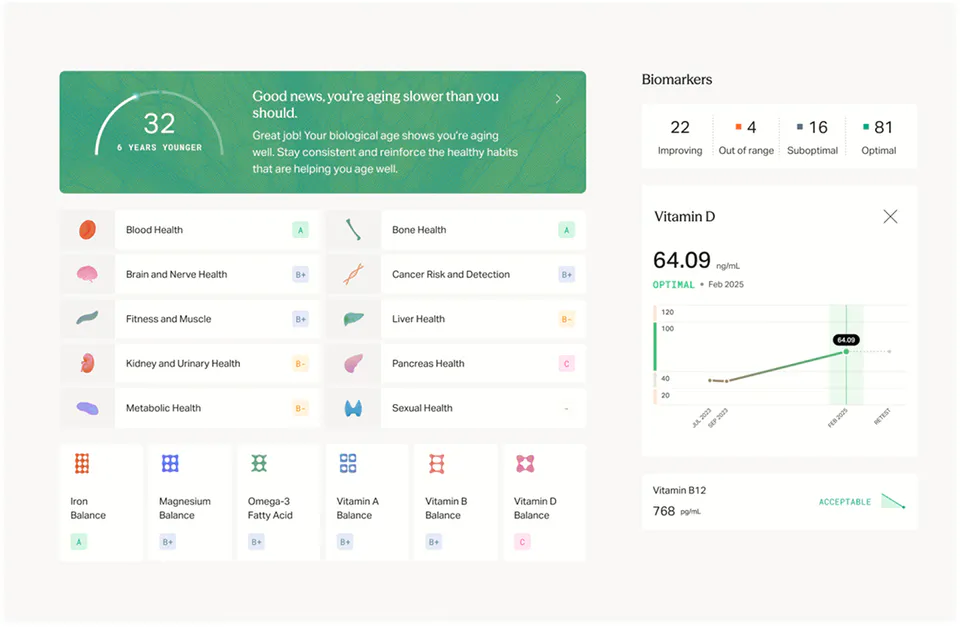
Insights that connect the dots. A clinician reads your whole picture, not one result in isolation, connecting family history, past results, and lifestyle into clear next steps.
Your personalized action plan. Nutrition, supplements, and training in one clinician-reviewed protocol, updated as your results change.
Track your trends. Upload results from any lab and see each biomarker trend over time, so you know what is working.
Never miss a recheck. Mito tells you what is worth retesting and when, then reminds you so nothing slips.
What to expect
- 1 Book instantly
Click, book, done. Choose a convenient lab location near you. Transparent, up-front pricing.
- 2 Quick lab visit
Testing to fit your busy schedule, usually 15 minutes or less. Walk-in and appointments available.
- 3 Typical results in 1 day
Your results post straight to your dashboard as soon as the lab completes them.
- 4 Expert guidance
Included with Mito membership. A clinician reviews your results and your personalized action plan follows, with clear next steps.
What members are saying
-
@nasdaily
-
15/10 experience - I felt actually taken care of
Super impressed with my Mito experience - the thoroughness of the intake, the data tracking and the doctor's visit.
RS Reena Sudan -
@ellarosemcfadin
-
Helped show an overall picture
I would highly recommend this service to anyone that wants a more in-depth picture of their health and labs. The platform is super user friendly.
BS Bo Sal -
@katelyn_kim
-
Specific and actionable advice
It felt like, for the first time, I had real data guiding me to make meaningful changes and I've definitely noticed the difference.
MH Maya Hickey -
@bryce_witmer
-
Tired of arguing with my PCP
After extensive research, I decided Mito was the best option. The insights were clear and make sense. Mito gave me peace of mind and a path to follow.
JO Josh -
@alexandradawson
-
3x the tests for less money
A great alternative to the basic blood work at your local clinic. Love the report card format. Much better value.
P Page -
@daniklass
-
Best $9 a month I spend
The action plan changes every time new results come in. I've actually never had a health company recommend doing less. Refreshing.
DP Devi Patel -
@natalieefer
-
Finally, prices that make sense
Every test is published. I can see what it costs and what I save as a member. No surprises.
KT Kenji Tanaka -
@tyler_sarkisian
Everything your health needs,
in one membership
-

Every test at our cost
Members pay our cost on every test, with lab fees passed straight through. The full receipt is itemized, never padded.
-
Continuous tracking, all in one place
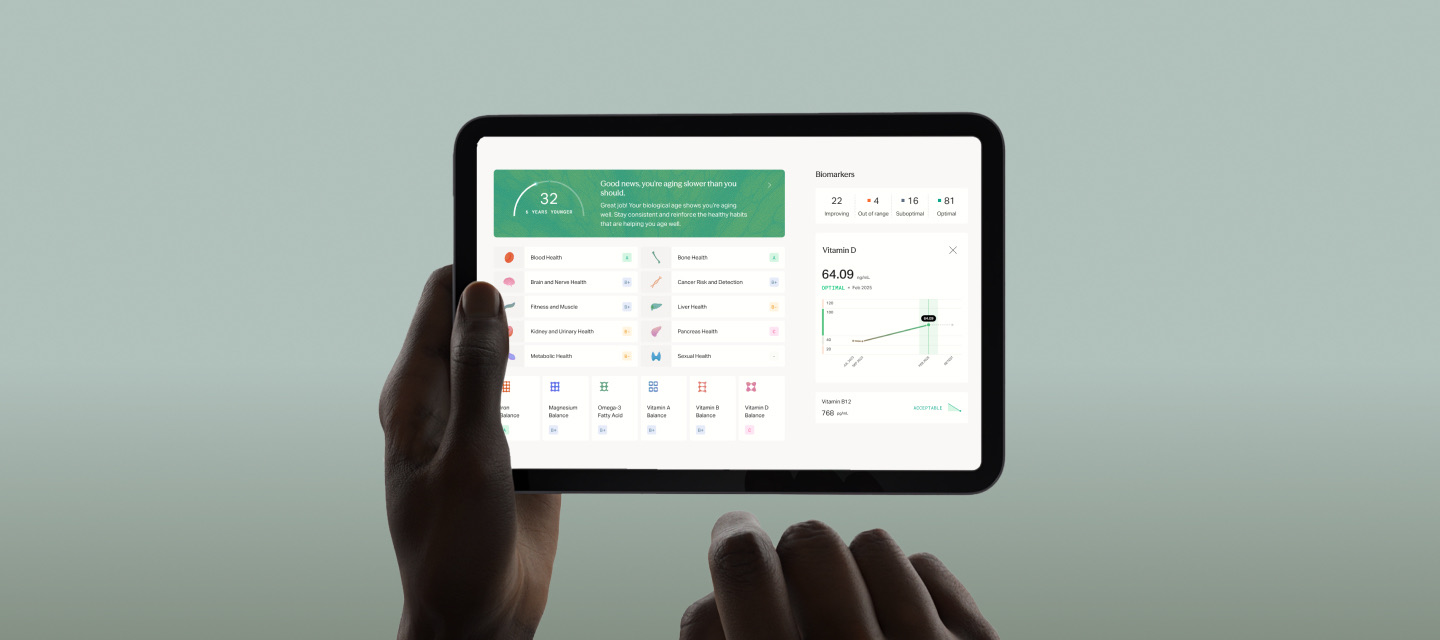
Upload past labs and watch your trends over time. Every marker and visit lives in one longitudinal record, so all your care stays together.
-

Year-round clinician support
Text anytime and get clinician-reviewed answers. When you want to go deeper, 1:1 consultations are available at affordable rates.
All for $9/month
Order any test or consult without joining. For $9/month, members unlock member prices, trend tracking, and year-round clinician guidance.
Mito Membership
$9 /mo
cancel anytime
Without membership
$0
pay as you go
At-cost pricing on labs, scans, and more
Supplements at member rates NEW
On-demand clinician consults when you need guidance
Personalized action plans across supplements, exercise, nutrition, and sleep
AI health coaching to help you act on your results
Year-round medical support, with in-chat clinician escalation
All your health records in one personal vault, with trends and biological age tracking
Early access to new diagnostics and product releases
More tests to consider
Loading essentials…
Frequently asked questions
View all FAQsHow does pricing work?
Every test shows the member price next to the standard non-member price, so you can see what membership saves you. The member price is our cost, covering the lab and what it takes to run the service. It is never a profit on the test itself. Mito makes its money on the membership, not on marking up your tests. Membership is $9 per month or $99 per year, and any applicable lab order or draw fee is itemized before you pay.
Where do I get tested?
Choose an available partner lab at checkout. If your cart contains multiple blood tests, Mito helps consolidate the eligible tests at one lab when possible. At-home kits and scans follow the collection or appointment process shown on their product page.
Is this eligible for HSA/FSA?
Yes. Mito's lab tests are HSA/FSA eligible, so you can pay with pre-tax dollars.
Add the test to your cart and select "Pay with HSA/FSA" at checkout. You'll finish on the secure checkout page of Flex, our HSA/FSA payments partner, and Flex emails you an itemized receipt from notifications@withflex.com for your records.
Most Mito tests are auto-substantiated, so you usually won't need a Letter of Medical Necessity. If your HSA/FSA administrator asks for more, contact us and we'll help.
When will I get my results?
Your results appear in your Mito dashboard after the laboratory completes processing. A clinician then reviews them before your analysis and personalized action plan are finalized. Timing varies by test, and specialty assays and at-home kits may take longer.
Do I need a physician's order?
No. Mito provides the laboratory order when one is required, so you do not need to arrange a separate physician visit before purchasing.
How do availability and prices vary by state?
Available in 48 states and Washington, DC.
| States | Provider | Availability | Member price | Non-member price |
|---|---|---|---|---|
| All states and DC except HI, NJ, NY, and RI | Labcorp | Available | $5.69 | $7.97 |
| All states and DC except HI, NJ, NY, and RI | Quest Diagnostics | Available | $2.37 | $3.32 |
| NJ and NY | BioReference | Available | $7.91 | $11.08 |
| HI and RI | Not currently available |
Recently viewed
Loading essentials…