
Magnesium Glycinate vs L-Threonate: Which Form Is Right for You?
Two great magnesium forms, two different jobs. Compare glycinate and L-threonate by absorption, brain delivery, sleep effect, anxiety, cost, and side effects, with a use-case-by-use-case recommendation.
- Published
- May 7, 2026
- Last updated
- September 22, 2026
- Read time
- 12 min read
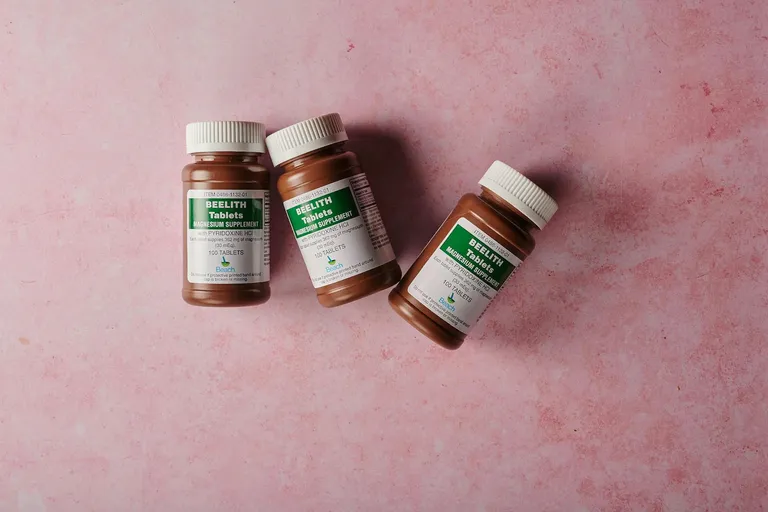
You walked into the supplement aisle for “magnesium” and walked out with a $50 bottle that says it crosses the blood-brain barrier. Two months later your sleep is the same, your focus is the same, and you are not sure what you actually paid for.
The problem is not that glycinate and L-threonate are bad forms. They are both excellent. The problem is that most comparison content treats them as interchangeable variants of the same supplement, when they were built for completely different jobs. One raises body magnesium and quiets the nervous system. The other is engineered to raise neuronal magnesium inside the brain. Picking the wrong one for your goal wastes money and produces nothing you can feel.
This guide walks the decision the way a Mito care team would: goal first, mechanism second, dose and timing third, testing last. By the end you will know which form fits your use case, when stacking both is the smarter move, and what to measure to confirm the supplement is actually working.
Quick Summary
Glycinate and L-threonate are not competing products. They are complementary tools.
Glycinate is the daily-baseline workhorse: cheap, gentle on the gut, evidence-backed for sleep onset and anxiety, and the right answer for most people most of the time. L-threonate is the brain specialist: roughly three to five times the cost, formulated to deliver magnesium across the blood-brain barrier, with a younger but consistently positive trial record for cognition, memory, and sleep architecture.
Choose by use case. Sleep, anxiety, GI sensitivity, daily baseline, or budget points to glycinate. Cognitive performance, focus, memory, or stubborn sleep depth points to L-threonate. When the goal spans both body and brain, stack them.
Quick Decision Tree - Choose Your Magnesium in 30 Seconds
Match your situation to the row that fits.
-
Daily baseline magnesium for general health? Glycinate 200-400mg elemental daily
-
Trouble falling asleep, anxious thoughts at night? Glycinate 300-400mg elemental, 60 minutes before bed
-
Cognitive performance, focus, or memory after age 40? L-threonate (Magtein) 144mg elemental, split AM and afternoon
-
Disrupted sleep architecture, early-morning waking, glycinate alone not enough? L-threonate 144mg in the evening, plus glycinate baseline
-
Generalized anxiety with normal magnesium status? Trials used glycinate 200-300mg twice daily and reported symptom improvement by 6-8 weeks
-
Sensitive stomach or IBS? Glycinate, gentler on the gut than oxide or citrate; avoid those two forms
-
Tight budget? Glycinate (one-third to one-fifth the cost of L-threonate)
-
Already supplementing citrate or oxide and seeing nothing? Switch to glycinate first, retest in 8 weeks
-
Pregnant, nursing, on prescription medication, or any kidney concern? Confirm with your physician before starting either form
-
Want both? Stack them. Glycinate 200mg at night, L-threonate 144mg AM and afternoon
Still on the fence? Keep reading. The mechanism and the evidence sharpen the choice.
The 2 Forms - At-a-Glance Comparison
Here is how the two forms compare on the criteria that actually drive the buying decision.
Criterion | Magnesium Glycinate | Magnesium L-Threonate |
|---|---|---|
Elemental magnesium per gram | ~140mg per 1g compound | ~72mg per 1g compound |
Typical product dose | 200-400mg elemental Mg | ~144mg elemental Mg (2g compound) |
Absorption | High; chelated to glycine | High; chelated to threonic acid |
Brain delivery (BBB) | Limited; raises serum and tissue Mg | Engineered to raise brain Mg specifically |
Best for | Sleep, anxiety, GI sensitivity, daily baseline | Cognition, memory, focus, sleep depth |
Evidence base | Strong for sleep and anxiety | Growing for cognition and sleep quality |
Side-effect risk | Low; better tolerated than inorganic forms like oxide or citrate | Low; mild headache in some users |
Cost / month | $10-25 | $30-60+ (Magtein-branded) |
Onset of effect | Sleep within days; mood 2-6 weeks | Cognition 4-12 weeks |
The headline difference: glycinate works on the body and gives the brain a modest knock-on benefit. L-threonate was engineered specifically to raise neuronal magnesium directly, a target most other forms are not designed to reach. That distinction is the main reason to pay three to five times more.
Magnesium Glycinate Deep Dive
Mechanism
Magnesium glycinate, also marketed as magnesium bisglycinate or diglycinate, is elemental magnesium chelated to two glycine molecules. The chelation makes it well absorbed in the small intestine and gentle on the GI tract because it does not depend on stomach acid the way magnesium oxide does. A 1994 bioavailability study in patients with ileal resection found magnesium diglycinate produced higher plasma magnesium and greater fecal magnesium retention than magnesium oxide in the same population [1]. A 2021 systematic review of magnesium supplement bioavailability ranked organic forms (including glycinate) above inorganic forms (oxide, sulfate) for absorption and tolerability [2].
The glycine carrier is a feature, not just a vehicle. Glycine is itself an inhibitory neurotransmitter and modestly lowers core body temperature, which compounds the calming and sleep-onset effect of the magnesium itself.
Evidence
-
Sleep: A 2021 systematic review and meta-analysis on oral magnesium for insomnia in older adults reported modest but consistent improvements in sleep onset latency, total sleep time, and subjective sleep quality across trials [3]
-
Anxiety and mood: A 2018 systematic review and meta-analysis in BJPsych Open found magnesium supplementation associated with improvements in subjective measures of anxiety and depression, with the largest effects in people with low baseline magnesium status [4]
-
Stress: A 2021 RCT of magnesium plus vitamin B6 in stressed adults reported reductions in perceived stress and depression scores compared with placebo [5]
Who It Is For
-
Anyone who wants a daily magnesium baseline with the gentlest GI profile
-
Adults with insomnia or restless sleep, particularly age 50 and up
-
Adults with mild generalized anxiety or sleep-onset stress
-
Anyone who tried oxide or citrate and got loose stools
-
Budget-conscious users who want maximum effect per dollar
Dose and Timing
200-400mg elemental magnesium daily. For sleep, take 60-90 minutes before bed in a single dose. For anxiety, split the dose AM and evening for steadier coverage. Going above 600mg elemental usually buys more loose stools, not more benefit.
Read the label carefully. A 1,000mg “magnesium glycinate” capsule typically contains around 140mg elemental magnesium. The compound weight on the front of the bottle is not the dose that matters.
Cost
$10-25 per month for a quality, third-party-tested product (90-180 capsules per bottle). Generic glycinate from established brands is fine; the form does not require a patented version to work.
Magnesium L-Threonate Deep Dive

Mechanism
Magnesium L-threonate is elemental magnesium bonded to L-threonic acid, a vitamin C metabolite. Originally developed at MIT in 2010, it was the first magnesium form specifically engineered to raise magnesium concentration inside the central nervous system, not just in serum or tissue. Most commercial L-threonate is sold as Magtein, the patented compound, dosed to deliver about 144mg elemental magnesium per 2g.
A 2016 review in Magnesium Research describes what brain magnesium actually does at the synapse: it gates NMDA receptors, supports synaptic plasticity, and influences long-term potentiation, the cellular substrate of learning and memory [6]. Raising brain magnesium is not a vague wellness goal. It is a specific lever on cognitive machinery.
Evidence
-
Cognition: A 2022 placebo-controlled trial in healthy Chinese adults found Magtein-based supplementation improved cognitive ability scores at day 30, with continued gains at day 60 and day 90 [7]
-
Sleep and cognition combined: A 2024 randomized controlled trial in adults with self-reported sleep problems found magnesium L-threonate improved subjective sleep quality and daytime functioning over 21 days [8]
-
Sleep and cognition replicated: A 2025 RCT replicated the cognitive performance and sleep quality improvements in adults using Magtein over 12 weeks [9]
The L-threonate trial base is younger and smaller than the glycinate base, but it is consistently positive in the trials done so far. That is the right way to read it: promising and earning its category, not yet a settled standard.
Who It Is For
-
Adults 40 and up noticing slower recall, focus drift, or cognitive fade
-
Knowledge workers, students, and anyone with explicit cognitive performance goals
-
Adults with disrupted sleep architecture who already supplement glycinate without full effect
-
Anyone willing to pay three to five times the glycinate price for the brain-specific mechanism
Dose and Timing
The trial dose for Magtein is 1.5-2g of compound, delivering roughly 108-144mg elemental magnesium, usually split across two doses (AM and afternoon, or AM and evening). At that elemental dose, L-threonate alone runs below most adults’ daily magnesium target, which is one of the structural reasons users stack it with a glycinate baseline rather than treating it as a one-bottle solution.
For cognition, expect to wait. Trial readouts are at 4-12 weeks. Two weeks of L-threonate is not enough data to decide whether it is working.
Cost
$30-60 per month for genuine Magtein-branded product. Generic L-threonate sometimes runs cheaper but may not match the absorption profile of the patented compound used in the published trials. If you are paying L-threonate prices, pay for the formulation that has actually been studied.
The Stacking Question
For most users, the choice is not glycinate versus L-threonate. It is glycinate alone, or glycinate plus L-threonate.
A clean stack looks like this: glycinate 200mg elemental at night for sleep and a daily magnesium baseline, plus L-threonate 144mg elemental split AM and afternoon for cognition. Combined elemental magnesium stays under the 350mg supplemental upper limit set by the Institute of Medicine, and the two forms do not compete for the same absorption pathway.
Stacking goes wrong only when total elemental magnesium exceeds personal tolerance, which usually shows up as soft stools. If that happens, lower the glycinate first; the cognitive benefit is coming from the L-threonate.
Common Mistakes
These eight patterns waste the most money and produce the most disappointment in the magnesium-form decision.
-
Buying L-threonate for general magnesium support. You are paying brain-delivery prices for a body-delivery effect.
-
Taking glycinate at the wrong time for the wrong goal. Anxiety dose splits AM and PM. Sleep dose goes 60 minutes before bed.
-
Confusing total compound weight with elemental magnesium. 1g of glycinate is not 1g of magnesium.
-
Mixing magnesium with calcium at the same meal. Calcium reduces magnesium absorption; separate them by 2 hours.
-
Skipping a baseline test. Serum magnesium is tightly homeostatic and can look normal while RBC magnesium is low. RBC is the better picture of stores.
-
Stopping after 1-2 weeks because cognition or mood has not changed. Cognition trials read out at 4-12 weeks, not 14 days.
-
Using oxide because it is cheap. Oxide is poorly absorbed; cost-per-absorbed-milligram is not actually low.
-
Buying generic non-Magtein L-threonate when you specifically want the trial-tested formulation. The patented form is the form the published trials used.
The Bottom Line - Your Magnesium Form Action Plan
Most people make this decision wrong by reading reviews instead of starting from their goal. Reverse the order.
-
Start from the goal. Sleep, anxiety, cognition, daily baseline, or GI sensitivity.
-
Pick the form that fits the goal. Glycinate for the first four use cases. L-threonate for cognition and stubborn sleep depth.
-
Set a dose that delivers the right elemental magnesium. 200-400mg elemental for glycinate. 144mg elemental from 2g of L-threonate compound.
-
Hold the dose long enough to read the result. 4 weeks for sleep and anxiety. 8-12 weeks for cognition.
-
Test before and after when possible. RBC magnesium reflects body stores better than serum and shows whether the supplement is actually working.
-
If the goal needs both forms, stack them. Glycinate at night, L-threonate AM and afternoon.
If you are still picking by hype, the answer is glycinate. It is cheaper, gentler, and has the stronger evidence base for the use cases most people are actually trying to solve. Move to L-threonate when the goal is specifically cognitive, or when glycinate alone has plateaued on sleep depth.
Key Takeaways
-
Glycinate and L-threonate are both well-absorbed, well-tolerated, and not interchangeable
-
Glycinate is the daily-baseline workhorse: sleep, anxiety, GI tolerability, lowest cost
-
L-threonate is the brain specialist: cognition, focus, memory, sleep architecture
-
The evidence base for glycinate (sleep, mood) is larger; for L-threonate it is younger but consistently positive
-
1g of compound is not 1g of elemental magnesium; always read the elemental dose, not the compound weight
-
Stacking the two forms is a common, well-tolerated approach when goals span body and brain
-
Cost difference is real and worth respecting: glycinate runs $10-25/month, Magtein-branded L-threonate runs $30-60+
-
Test RBC magnesium before and after to confirm the supplement is moving your numbers
Medical Disclaimer
This article is for educational and informational purposes only and does not constitute medical advice. The information provided should not be used for diagnosing or treating a health condition. Always consult with your doctor or qualified healthcare provider before starting a magnesium supplement, especially if you are pregnant, nursing, take prescription medication, have kidney disease, or have heart-rhythm conditions.
Individual results may vary. Dosages discussed are evidence-based but should be personalized under medical supervision.
Track Your Progress
-
Cortisol (often paired with magnesium for stress and sleep)
Related Content
References
[1] Schuette SA, Lashner BA, et al. Bioavailability of magnesium diglycinate vs magnesium oxide in patients with ileal resection. JPEN J Parenter Enteral Nutr. 1994;18(5):430-435. PMID: 7815675
[2] Pardo MR, Garicano Vilar E, et al. Bioavailability of magnesium food supplements: A systematic review. Nutrition. 2021;89:111294. PMID: 34111673
[3] Mah J, Pitre T. Oral magnesium supplementation for insomnia in older adults: a Systematic Review and Meta-Analysis. BMC Complement Med Ther. 2021;21(1):125. PMID: 33865376
[4] Phelan D, Molero P, et al. Magnesium and mood disorders: systematic review and meta-analysis. BJPsych Open. 2018;4(4):167-179. PMID: 29897029
[5] Noah L, Dye L, Bois De Fer B, et al. Effect of magnesium and vitamin B6 supplementation on mental health and quality of life in stressed healthy adults. Stress Health. 2021;37(5):1000-1009. PMID: 33864354
[6] Vink R. Magnesium in the CNS: recent advances and developments. Magnes Res. 2016;29(3):95-101. PMID: 27829572
[7] Zhang C, Hu Q, et al. A Magtein, Magnesium L-Threonate, -Based Formula Improves Brain Cognitive Functions in Healthy Chinese Adults. Nutrients. 2022;14(24):5235. PMID: 36558392
[8] Hausenblas HA, Lynch T, et al. Magnesium-L-threonate improves sleep quality and daytime functioning in adults with self-reported sleep problems: A randomized controlled trial. Sleep Med X. 2024;8:100121. PMID: 39252819
[9] Lopresti AL, Smith SJ. The effects of magnesium L-threonate (Magtein) on cognitive performance and sleep quality in adults: a randomised, double-blind, placebo-controlled trial. Front Nutr. 2025;12:1729164. PMID: 41601871
Vitamin and mineral tests
Measures magnesium in red blood cells as one laboratory view of magnesium status.
A mineral essential to muscle, nerve, and heart rhythm, and an easy deficiency to miss.
Vitamin D, 25-Hydroxy (Calcidiol) Blood Test
The standard measure of vitamin D status, reflecting what you build from sun, diet, and supplements.
A trace mineral central to immunity, wound healing, taste, and skin health.