Get a deeper look into your health.

Schedule online, results in a week

Clear guidance, follow-up care available

HSA/FSA Eligible

Gut–Brain Connection: How Gut Health Influences Your Brain

Understanding the gut-brain axis and why digestive health plays a role in mood, stress, and cognitive function.

Written by

Mito Health

Gut-Brain Connection: How Gut Health Influences Your Brain

Understanding the gut-brain axis and why digestive health plays a role in mood, stress, and cognitive function.

Your digestive system does more than break down food. It constantly communicates with your brain. Scientists refer to this communication network as the gut-brain axis. It connects the gut, the nervous system, the immune system, and trillions of gut microbes.

The gut-brain connection explains why stress can cause stomach pain. It also explains why anxiety might cause digestive issues and how diet affects your mood. Research from the past twenty years shows gut health affects mood. It also impacts inflammation, immune function, and brain performance.

Understanding how this system works can help you make everyday choices that support both digestive and brain health.

What Is the Gut–Brain Connection?
What Is the Gut–Brain Connection?

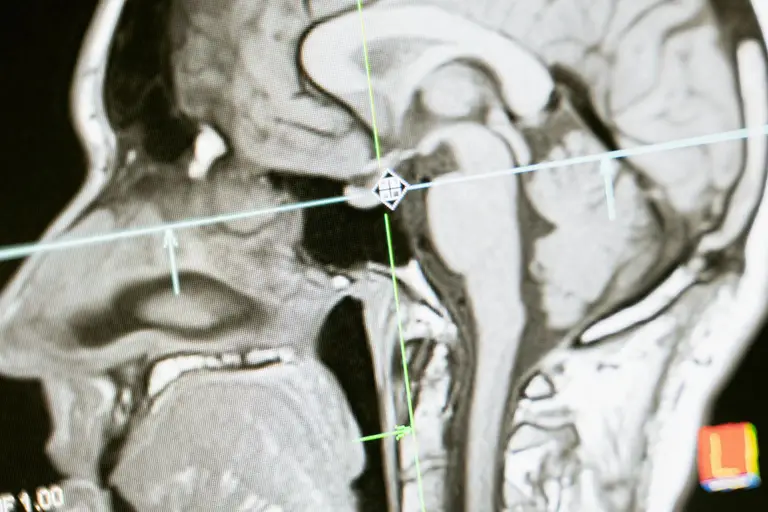
The gut-brain connection, also known as the gut-brain axis, refers to the two-way communication system between the gastrointestinal tract and the brain. Signals constantly travel back and forth between these two systems, which influence digestion, appetite, and gut motility. At the same time, the gut sends signals that affect mood, stress response, and immune activity.

Key Components of the Gut-Brain Axis

1. The Enteric Nervous System

The gut has its own network of nerves called the enteric nervous system. This system has over 100 million nerve cells. It controls digestion, nutrient absorption, and how the intestines move.

Because it can function independently from the brain, scientists often refer to it as the body's “second brain.”

2. The Vagus Nerve

The vagus nerve is one of the most important communication pathways in the gut-brain axis.

It connects the brainstem directly to the digestive tract and carries signals in both directions. This nerve helps regulate digestion, heart rate, and the body’s relaxation response.

3. Gut Microbiome Signaling

The gut contains trillions of microorganisms, collectively known as the gut microbiome. These microbes play an important role in gut health and produce substances that influence brain function.

Examples include:

  • Short-chain fatty acids that support intestinal cells

  • Neurotransmitter precursors such as tryptophan

  • Metabolites that influence inflammation and immune activity

These compounds can enter the bloodstream or interact with nerves that connect to the brain.

4. Immune System Communication

About 70% of the immune system is located in the gut. When gut microbes and immune cells interact, they release signaling molecules called cytokines. These immune signals can travel to the brain and influence inflammation, mood, and stress responses.

5. Hormones and Stress Response

The gut-brain axis works with the body’s stress system. Researchers call this system the hypothalamic-pituitary-adrenal (HPA) axis.

Stress hormones, such as cortisol, can affect digestion. They can also alter gut bacteria. Plus, they affect intestinal permeability. At the same time, gut signals can influence the body's response to stress.

Why the Gut–Brain Axis Matters for Health
Why the Gut–Brain Axis Matters for Health

Understanding the gut-brain connection helps explain why digestive health and mental well-being are closely linked. Research suggests that disruptions in the gut-brain axis may contribute to several common health issues.

Digestive Symptoms and Stress

Many people experience digestive symptoms during stressful situations. These symptoms include:

  • Stomach discomfort before a presentation

  • Nausea during anxiety

  • Changes in bowel habits during stressful periods

Stress can alter gut motility, change microbial balance, and increase gut sensitivity.

Mood and Mental Well-Being

Scientists have found that the gut microbiome influences neurotransmitter levels. It influences serotonin and dopamine.

Although the gut does not directly control mental health, gut health may affect mood and stress resilience.

Inflammation and Immune Function

If the gut barrier becomes compromised, inflammatory signals may increase. Researchers have found that chronic inflammation is connected to various health issues, including metabolic and neurological disorders.

Cognitive Performance

New studies show that the gut-brain axis might affect attention, memory, and mental clarity. Gut microbes make compounds that can impact brain signals and inflammation. This may influence our thinking ability.

Signs the Gut–Brain Connection May Be Out of Balance

The gut-brain axis links many body systems so that symptoms can manifest in both the digestive system and mental health.

Possible signs of imbalance in the gut-brain connection include:

  • Frequent bloating or digestive discomfort

  • Irregular bowel movements

  • Increased stress sensitivity

  • Persistent fatigue

  • Brain fog or difficulty concentrating

  • Changes in mood

These symptoms can come from many causes. So, if they last, see a healthcare professional.

Everyday Habits That Support Gut Health and the Gut Brain Axis

Everyday Habits That Support Gut Health and the Gut Brain Axis

Supporting the gut-brain connection often begins with simple habits. These habits help balance the gut microbiome and keep the nervous system stable.

1. Eat a diverse, fiber-rich diet

Diet plays a major role in shaping the gut microbiome. Foods that support gut health include:

  • Vegetables and fruits

  • Whole grains

  • Legumes

  • Nuts and seeds

  • Fiber-rich plant foods

Dietary fiber nourishes good gut bacteria. This helps them make compounds that support the gut-brain connection.

2. Include fermented foods

Fermented foods naturally contain beneficial microbes that support microbial diversity in the gut.

  • Yogurt with live cultures

  • Kefir

  • Sauerkraut

  • Kimchi

  • Fermented vegetables

3. Manage stress

Stress affects the gut-brain axis, so managing it daily is key to your digestive and mental health. Helpful strategies include deep breathing exercises and mindfulness practices. Spend time outdoors and do regular relaxation or meditation.

4. Prioritize sleep

Sleep affects both the gut microbiome and the nervous system. Chronic sleep disruption may change microbial balance and increase inflammation. Consistent sleep schedules help support overall gut health.

5. Stay physically active

Regular movement can benefit both digestive health and brain function. Exercise can boost gut motility, increase microbial diversity, and enhance mood and thinking.

6. Limit processed foods

Processed foods that are high in sugar and additives can harm gut bacteria. Choosing minimally processed foods most of the time supports long-term gut health.

When to Seek Professional Guidance

Occasional digestive symptoms are common, especially during stressful periods. Consider seeking professional support if you experience:

  • Ongoing digestive discomfort

  • Unexplained weight changes

  • Persistent fatigue

  • Long-term brain fog or cognitive changes

  • Significant changes in bowel habits

A blood panel can help find issues affecting your gut-brain axis. This includes inflammation, microbiome imbalance, and metabolic problems. A gut microbiome test is also important because it analyzes your bacterial balance, digestive function, and gut-related risks.

Mito Health offers comprehensive biomarker testing and tailored insights. This helps you better understand your body. Analyzing data on metabolic health, inflammation, and nutrient status helps you improve your gut health and overall wellness. Get a Mito Health membership today and explore how you can start smarter lab testing.

The Outcome: Healthy Gut, Healthy Brain

The digestive system and nervous system work closely together. The gut and brain communicate through the gut-brain axis. This exchange affects digestion, mood, immune activity, and cognitive function.

Maintaining strong gut health can support this communication system. Eating fiber-rich foods, managing stress, prioritising sleep, and staying active all help keep a balanced gut microbiome. These habits also support healthy brain-gut communication.

Scientists are learning more about how the gut-brain axis affects our health as research grows. Focusing on digestive health through a blood panel is becoming vital for long-term well-being.

Frequently Asked Questions

  • What is the gut-brain axis?

The gut-brain axis is the two-way communication system linking the digestive system and the brain. It involves the nervous system, hormones, immune signals, and the gut microbiome.

  • How does gut health affect the brain?

Gut microbes produce compounds that influence inflammation, neurotransmitters, and immune signaling. These factors can affect mood, stress response, and cognitive function.

  • Can stress affect digestion?

Yes. Stress can change gut motility, alter microbial balance, and increase gut sensitivity, which may lead to digestive symptoms.

  • What foods support the gut-brain connection?

Fiber-rich plant foods, fermented foods, and minimally processed whole foods can support gut microbiome diversity and overall gut health.

  • Can improving gut health improve mental well-being?

Research suggests that gut health may influence mood and stress resilience, though it is only one part of overall mental health.

Related Articles

Resources

  1. https://doi.org/10.7759/cureus.80810

  2. https://doi.org/10.3390/ijms21207551

  3. https://pubmed.ncbi.nlm.nih.gov/31806905

  4. https://pubmed.ncbi.nlm.nih.gov/38542700

Get a deeper look into your health.

Schedule online, results in a week

Clear guidance, follow-up care available

HSA/FSA Eligible

Comments

Get a deeper look into your health.

Schedule online, results in a week

Clear guidance, follow-up care available

HSA/FSA Eligible

Gut–Brain Connection: How Gut Health Influences Your Brain

Understanding the gut-brain axis and why digestive health plays a role in mood, stress, and cognitive function.

Written by

Mito Health

Gut-Brain Connection: How Gut Health Influences Your Brain

Understanding the gut-brain axis and why digestive health plays a role in mood, stress, and cognitive function.

Your digestive system does more than break down food. It constantly communicates with your brain. Scientists refer to this communication network as the gut-brain axis. It connects the gut, the nervous system, the immune system, and trillions of gut microbes.

The gut-brain connection explains why stress can cause stomach pain. It also explains why anxiety might cause digestive issues and how diet affects your mood. Research from the past twenty years shows gut health affects mood. It also impacts inflammation, immune function, and brain performance.

Understanding how this system works can help you make everyday choices that support both digestive and brain health.

What Is the Gut–Brain Connection?

What Is the Gut–Brain Connection?

The gut-brain connection, also known as the gut-brain axis, refers to the two-way communication system between the gastrointestinal tract and the brain. Signals constantly travel back and forth between these two systems, which influence digestion, appetite, and gut motility. At the same time, the gut sends signals that affect mood, stress response, and immune activity.

Key Components of the Gut-Brain Axis

1. The Enteric Nervous System

The gut has its own network of nerves called the enteric nervous system. This system has over 100 million nerve cells. It controls digestion, nutrient absorption, and how the intestines move.

Because it can function independently from the brain, scientists often refer to it as the body's “second brain.”

2. The Vagus Nerve

The vagus nerve is one of the most important communication pathways in the gut-brain axis.

It connects the brainstem directly to the digestive tract and carries signals in both directions. This nerve helps regulate digestion, heart rate, and the body’s relaxation response.

3. Gut Microbiome Signaling

The gut contains trillions of microorganisms, collectively known as the gut microbiome. These microbes play an important role in gut health and produce substances that influence brain function.

Examples include:

  • Short-chain fatty acids that support intestinal cells

  • Neurotransmitter precursors such as tryptophan

  • Metabolites that influence inflammation and immune activity

These compounds can enter the bloodstream or interact with nerves that connect to the brain.

4. Immune System Communication

About 70% of the immune system is located in the gut. When gut microbes and immune cells interact, they release signaling molecules called cytokines. These immune signals can travel to the brain and influence inflammation, mood, and stress responses.

5. Hormones and Stress Response

The gut-brain axis works with the body’s stress system. Researchers call this system the hypothalamic-pituitary-adrenal (HPA) axis.

Stress hormones, such as cortisol, can affect digestion. They can also alter gut bacteria. Plus, they affect intestinal permeability. At the same time, gut signals can influence the body's response to stress.

Why the Gut–Brain Axis Matters for Health

Why the Gut–Brain Axis Matters for Health

Understanding the gut-brain connection helps explain why digestive health and mental well-being are closely linked. Research suggests that disruptions in the gut-brain axis may contribute to several common health issues.

Digestive Symptoms and Stress

Many people experience digestive symptoms during stressful situations. These symptoms include:

  • Stomach discomfort before a presentation

  • Nausea during anxiety

  • Changes in bowel habits during stressful periods

Stress can alter gut motility, change microbial balance, and increase gut sensitivity.

Mood and Mental Well-Being

Scientists have found that the gut microbiome influences neurotransmitter levels. It influences serotonin and dopamine.

Although the gut does not directly control mental health, gut health may affect mood and stress resilience.

Inflammation and Immune Function

If the gut barrier becomes compromised, inflammatory signals may increase. Researchers have found that chronic inflammation is connected to various health issues, including metabolic and neurological disorders.

Cognitive Performance

New studies show that the gut-brain axis might affect attention, memory, and mental clarity. Gut microbes make compounds that can impact brain signals and inflammation. This may influence our thinking ability.

Signs the Gut–Brain Connection May Be Out of Balance

The gut-brain axis links many body systems so that symptoms can manifest in both the digestive system and mental health.

Possible signs of imbalance in the gut-brain connection include:

  • Frequent bloating or digestive discomfort

  • Irregular bowel movements

  • Increased stress sensitivity

  • Persistent fatigue

  • Brain fog or difficulty concentrating

  • Changes in mood

These symptoms can come from many causes. So, if they last, see a healthcare professional.

Everyday Habits That Support Gut Health and the Gut Brain Axis

Everyday Habits That Support Gut Health and the Gut Brain Axis

Supporting the gut-brain connection often begins with simple habits. These habits help balance the gut microbiome and keep the nervous system stable.

1. Eat a diverse, fiber-rich diet

Diet plays a major role in shaping the gut microbiome. Foods that support gut health include:

  • Vegetables and fruits

  • Whole grains

  • Legumes

  • Nuts and seeds

  • Fiber-rich plant foods

Dietary fiber nourishes good gut bacteria. This helps them make compounds that support the gut-brain connection.

2. Include fermented foods

Fermented foods naturally contain beneficial microbes that support microbial diversity in the gut.

  • Yogurt with live cultures

  • Kefir

  • Sauerkraut

  • Kimchi

  • Fermented vegetables

3. Manage stress

Stress affects the gut-brain axis, so managing it daily is key to your digestive and mental health. Helpful strategies include deep breathing exercises and mindfulness practices. Spend time outdoors and do regular relaxation or meditation.

4. Prioritize sleep

Sleep affects both the gut microbiome and the nervous system. Chronic sleep disruption may change microbial balance and increase inflammation. Consistent sleep schedules help support overall gut health.

5. Stay physically active

Regular movement can benefit both digestive health and brain function. Exercise can boost gut motility, increase microbial diversity, and enhance mood and thinking.

6. Limit processed foods

Processed foods that are high in sugar and additives can harm gut bacteria. Choosing minimally processed foods most of the time supports long-term gut health.

When to Seek Professional Guidance

Occasional digestive symptoms are common, especially during stressful periods. Consider seeking professional support if you experience:

  • Ongoing digestive discomfort

  • Unexplained weight changes

  • Persistent fatigue

  • Long-term brain fog or cognitive changes

  • Significant changes in bowel habits

A blood panel can help find issues affecting your gut-brain axis. This includes inflammation, microbiome imbalance, and metabolic problems. A gut microbiome test is also important because it analyzes your bacterial balance, digestive function, and gut-related risks.

Mito Health offers comprehensive biomarker testing and tailored insights. This helps you better understand your body. Analyzing data on metabolic health, inflammation, and nutrient status helps you improve your gut health and overall wellness. Get a Mito Health membership today and explore how you can start smarter lab testing.

The Outcome: Healthy Gut, Healthy Brain

The digestive system and nervous system work closely together. The gut and brain communicate through the gut-brain axis. This exchange affects digestion, mood, immune activity, and cognitive function.

Maintaining strong gut health can support this communication system. Eating fiber-rich foods, managing stress, prioritising sleep, and staying active all help keep a balanced gut microbiome. These habits also support healthy brain-gut communication.

Scientists are learning more about how the gut-brain axis affects our health as research grows. Focusing on digestive health through a blood panel is becoming vital for long-term well-being.

Frequently Asked Questions

  • What is the gut-brain axis?

The gut-brain axis is the two-way communication system linking the digestive system and the brain. It involves the nervous system, hormones, immune signals, and the gut microbiome.

  • How does gut health affect the brain?

Gut microbes produce compounds that influence inflammation, neurotransmitters, and immune signaling. These factors can affect mood, stress response, and cognitive function.

  • Can stress affect digestion?

Yes. Stress can change gut motility, alter microbial balance, and increase gut sensitivity, which may lead to digestive symptoms.

  • What foods support the gut-brain connection?

Fiber-rich plant foods, fermented foods, and minimally processed whole foods can support gut microbiome diversity and overall gut health.

  • Can improving gut health improve mental well-being?

Research suggests that gut health may influence mood and stress resilience, though it is only one part of overall mental health.

Related Articles

Resources

  1. https://doi.org/10.7759/cureus.80810

  2. https://doi.org/10.3390/ijms21207551

  3. https://pubmed.ncbi.nlm.nih.gov/31806905

  4. https://pubmed.ncbi.nlm.nih.gov/38542700

Get a deeper look into your health.

Schedule online, results in a week

Clear guidance, follow-up care available

HSA/FSA Eligible

Comments

Gut–Brain Connection: How Gut Health Influences Your Brain

Understanding the gut-brain axis and why digestive health plays a role in mood, stress, and cognitive function.

Written by

Mito Health

Gut-Brain Connection: How Gut Health Influences Your Brain

Understanding the gut-brain axis and why digestive health plays a role in mood, stress, and cognitive function.

Your digestive system does more than break down food. It constantly communicates with your brain. Scientists refer to this communication network as the gut-brain axis. It connects the gut, the nervous system, the immune system, and trillions of gut microbes.

The gut-brain connection explains why stress can cause stomach pain. It also explains why anxiety might cause digestive issues and how diet affects your mood. Research from the past twenty years shows gut health affects mood. It also impacts inflammation, immune function, and brain performance.

Understanding how this system works can help you make everyday choices that support both digestive and brain health.

What Is the Gut–Brain Connection?

What Is the Gut–Brain Connection?

The gut-brain connection, also known as the gut-brain axis, refers to the two-way communication system between the gastrointestinal tract and the brain. Signals constantly travel back and forth between these two systems, which influence digestion, appetite, and gut motility. At the same time, the gut sends signals that affect mood, stress response, and immune activity.

Key Components of the Gut-Brain Axis

1. The Enteric Nervous System

The gut has its own network of nerves called the enteric nervous system. This system has over 100 million nerve cells. It controls digestion, nutrient absorption, and how the intestines move.

Because it can function independently from the brain, scientists often refer to it as the body's “second brain.”

2. The Vagus Nerve

The vagus nerve is one of the most important communication pathways in the gut-brain axis.

It connects the brainstem directly to the digestive tract and carries signals in both directions. This nerve helps regulate digestion, heart rate, and the body’s relaxation response.

3. Gut Microbiome Signaling

The gut contains trillions of microorganisms, collectively known as the gut microbiome. These microbes play an important role in gut health and produce substances that influence brain function.

Examples include:

  • Short-chain fatty acids that support intestinal cells

  • Neurotransmitter precursors such as tryptophan

  • Metabolites that influence inflammation and immune activity

These compounds can enter the bloodstream or interact with nerves that connect to the brain.

4. Immune System Communication

About 70% of the immune system is located in the gut. When gut microbes and immune cells interact, they release signaling molecules called cytokines. These immune signals can travel to the brain and influence inflammation, mood, and stress responses.

5. Hormones and Stress Response

The gut-brain axis works with the body’s stress system. Researchers call this system the hypothalamic-pituitary-adrenal (HPA) axis.

Stress hormones, such as cortisol, can affect digestion. They can also alter gut bacteria. Plus, they affect intestinal permeability. At the same time, gut signals can influence the body's response to stress.

Why the Gut–Brain Axis Matters for Health

Why the Gut–Brain Axis Matters for Health

Understanding the gut-brain connection helps explain why digestive health and mental well-being are closely linked. Research suggests that disruptions in the gut-brain axis may contribute to several common health issues.

Digestive Symptoms and Stress

Many people experience digestive symptoms during stressful situations. These symptoms include:

  • Stomach discomfort before a presentation

  • Nausea during anxiety

  • Changes in bowel habits during stressful periods

Stress can alter gut motility, change microbial balance, and increase gut sensitivity.

Mood and Mental Well-Being

Scientists have found that the gut microbiome influences neurotransmitter levels. It influences serotonin and dopamine.

Although the gut does not directly control mental health, gut health may affect mood and stress resilience.

Inflammation and Immune Function

If the gut barrier becomes compromised, inflammatory signals may increase. Researchers have found that chronic inflammation is connected to various health issues, including metabolic and neurological disorders.

Cognitive Performance

New studies show that the gut-brain axis might affect attention, memory, and mental clarity. Gut microbes make compounds that can impact brain signals and inflammation. This may influence our thinking ability.

Signs the Gut–Brain Connection May Be Out of Balance

The gut-brain axis links many body systems so that symptoms can manifest in both the digestive system and mental health.

Possible signs of imbalance in the gut-brain connection include:

  • Frequent bloating or digestive discomfort

  • Irregular bowel movements

  • Increased stress sensitivity

  • Persistent fatigue

  • Brain fog or difficulty concentrating

  • Changes in mood

These symptoms can come from many causes. So, if they last, see a healthcare professional.

Everyday Habits That Support Gut Health and the Gut Brain Axis

Everyday Habits That Support Gut Health and the Gut Brain Axis

Supporting the gut-brain connection often begins with simple habits. These habits help balance the gut microbiome and keep the nervous system stable.

1. Eat a diverse, fiber-rich diet

Diet plays a major role in shaping the gut microbiome. Foods that support gut health include:

  • Vegetables and fruits

  • Whole grains

  • Legumes

  • Nuts and seeds

  • Fiber-rich plant foods

Dietary fiber nourishes good gut bacteria. This helps them make compounds that support the gut-brain connection.

2. Include fermented foods

Fermented foods naturally contain beneficial microbes that support microbial diversity in the gut.

  • Yogurt with live cultures

  • Kefir

  • Sauerkraut

  • Kimchi

  • Fermented vegetables

3. Manage stress

Stress affects the gut-brain axis, so managing it daily is key to your digestive and mental health. Helpful strategies include deep breathing exercises and mindfulness practices. Spend time outdoors and do regular relaxation or meditation.

4. Prioritize sleep

Sleep affects both the gut microbiome and the nervous system. Chronic sleep disruption may change microbial balance and increase inflammation. Consistent sleep schedules help support overall gut health.

5. Stay physically active

Regular movement can benefit both digestive health and brain function. Exercise can boost gut motility, increase microbial diversity, and enhance mood and thinking.

6. Limit processed foods

Processed foods that are high in sugar and additives can harm gut bacteria. Choosing minimally processed foods most of the time supports long-term gut health.

When to Seek Professional Guidance

Occasional digestive symptoms are common, especially during stressful periods. Consider seeking professional support if you experience:

  • Ongoing digestive discomfort

  • Unexplained weight changes

  • Persistent fatigue

  • Long-term brain fog or cognitive changes

  • Significant changes in bowel habits

A blood panel can help find issues affecting your gut-brain axis. This includes inflammation, microbiome imbalance, and metabolic problems. A gut microbiome test is also important because it analyzes your bacterial balance, digestive function, and gut-related risks.

Mito Health offers comprehensive biomarker testing and tailored insights. This helps you better understand your body. Analyzing data on metabolic health, inflammation, and nutrient status helps you improve your gut health and overall wellness. Get a Mito Health membership today and explore how you can start smarter lab testing.

The Outcome: Healthy Gut, Healthy Brain

The digestive system and nervous system work closely together. The gut and brain communicate through the gut-brain axis. This exchange affects digestion, mood, immune activity, and cognitive function.

Maintaining strong gut health can support this communication system. Eating fiber-rich foods, managing stress, prioritising sleep, and staying active all help keep a balanced gut microbiome. These habits also support healthy brain-gut communication.

Scientists are learning more about how the gut-brain axis affects our health as research grows. Focusing on digestive health through a blood panel is becoming vital for long-term well-being.

Frequently Asked Questions

  • What is the gut-brain axis?

The gut-brain axis is the two-way communication system linking the digestive system and the brain. It involves the nervous system, hormones, immune signals, and the gut microbiome.

  • How does gut health affect the brain?

Gut microbes produce compounds that influence inflammation, neurotransmitters, and immune signaling. These factors can affect mood, stress response, and cognitive function.

  • Can stress affect digestion?

Yes. Stress can change gut motility, alter microbial balance, and increase gut sensitivity, which may lead to digestive symptoms.

  • What foods support the gut-brain connection?

Fiber-rich plant foods, fermented foods, and minimally processed whole foods can support gut microbiome diversity and overall gut health.

  • Can improving gut health improve mental well-being?

Research suggests that gut health may influence mood and stress resilience, though it is only one part of overall mental health.

Related Articles

Resources

  1. https://doi.org/10.7759/cureus.80810

  2. https://doi.org/10.3390/ijms21207551

  3. https://pubmed.ncbi.nlm.nih.gov/31806905

  4. https://pubmed.ncbi.nlm.nih.gov/38542700

Get a deeper look into your health.

Schedule online, results in a week

Clear guidance, follow-up care available

HSA/FSA Eligible

Comments

Gut–Brain Connection: How Gut Health Influences Your Brain

Understanding the gut-brain axis and why digestive health plays a role in mood, stress, and cognitive function.

Written by

Mito Health

Gut-Brain Connection: How Gut Health Influences Your Brain

Understanding the gut-brain axis and why digestive health plays a role in mood, stress, and cognitive function.

Your digestive system does more than break down food. It constantly communicates with your brain. Scientists refer to this communication network as the gut-brain axis. It connects the gut, the nervous system, the immune system, and trillions of gut microbes.

The gut-brain connection explains why stress can cause stomach pain. It also explains why anxiety might cause digestive issues and how diet affects your mood. Research from the past twenty years shows gut health affects mood. It also impacts inflammation, immune function, and brain performance.

Understanding how this system works can help you make everyday choices that support both digestive and brain health.

What Is the Gut–Brain Connection?

What Is the Gut–Brain Connection?

The gut-brain connection, also known as the gut-brain axis, refers to the two-way communication system between the gastrointestinal tract and the brain. Signals constantly travel back and forth between these two systems, which influence digestion, appetite, and gut motility. At the same time, the gut sends signals that affect mood, stress response, and immune activity.

Key Components of the Gut-Brain Axis

1. The Enteric Nervous System

The gut has its own network of nerves called the enteric nervous system. This system has over 100 million nerve cells. It controls digestion, nutrient absorption, and how the intestines move.

Because it can function independently from the brain, scientists often refer to it as the body's “second brain.”

2. The Vagus Nerve

The vagus nerve is one of the most important communication pathways in the gut-brain axis.

It connects the brainstem directly to the digestive tract and carries signals in both directions. This nerve helps regulate digestion, heart rate, and the body’s relaxation response.

3. Gut Microbiome Signaling

The gut contains trillions of microorganisms, collectively known as the gut microbiome. These microbes play an important role in gut health and produce substances that influence brain function.

Examples include:

  • Short-chain fatty acids that support intestinal cells

  • Neurotransmitter precursors such as tryptophan

  • Metabolites that influence inflammation and immune activity

These compounds can enter the bloodstream or interact with nerves that connect to the brain.

4. Immune System Communication

About 70% of the immune system is located in the gut. When gut microbes and immune cells interact, they release signaling molecules called cytokines. These immune signals can travel to the brain and influence inflammation, mood, and stress responses.

5. Hormones and Stress Response

The gut-brain axis works with the body’s stress system. Researchers call this system the hypothalamic-pituitary-adrenal (HPA) axis.

Stress hormones, such as cortisol, can affect digestion. They can also alter gut bacteria. Plus, they affect intestinal permeability. At the same time, gut signals can influence the body's response to stress.

Why the Gut–Brain Axis Matters for Health

Why the Gut–Brain Axis Matters for Health

Understanding the gut-brain connection helps explain why digestive health and mental well-being are closely linked. Research suggests that disruptions in the gut-brain axis may contribute to several common health issues.

Digestive Symptoms and Stress

Many people experience digestive symptoms during stressful situations. These symptoms include:

  • Stomach discomfort before a presentation

  • Nausea during anxiety

  • Changes in bowel habits during stressful periods

Stress can alter gut motility, change microbial balance, and increase gut sensitivity.

Mood and Mental Well-Being

Scientists have found that the gut microbiome influences neurotransmitter levels. It influences serotonin and dopamine.

Although the gut does not directly control mental health, gut health may affect mood and stress resilience.

Inflammation and Immune Function

If the gut barrier becomes compromised, inflammatory signals may increase. Researchers have found that chronic inflammation is connected to various health issues, including metabolic and neurological disorders.

Cognitive Performance

New studies show that the gut-brain axis might affect attention, memory, and mental clarity. Gut microbes make compounds that can impact brain signals and inflammation. This may influence our thinking ability.

Signs the Gut–Brain Connection May Be Out of Balance

The gut-brain axis links many body systems so that symptoms can manifest in both the digestive system and mental health.

Possible signs of imbalance in the gut-brain connection include:

  • Frequent bloating or digestive discomfort

  • Irregular bowel movements

  • Increased stress sensitivity

  • Persistent fatigue

  • Brain fog or difficulty concentrating

  • Changes in mood

These symptoms can come from many causes. So, if they last, see a healthcare professional.

Everyday Habits That Support Gut Health and the Gut Brain Axis

Everyday Habits That Support Gut Health and the Gut Brain Axis

Supporting the gut-brain connection often begins with simple habits. These habits help balance the gut microbiome and keep the nervous system stable.

1. Eat a diverse, fiber-rich diet

Diet plays a major role in shaping the gut microbiome. Foods that support gut health include:

  • Vegetables and fruits

  • Whole grains

  • Legumes

  • Nuts and seeds

  • Fiber-rich plant foods

Dietary fiber nourishes good gut bacteria. This helps them make compounds that support the gut-brain connection.

2. Include fermented foods

Fermented foods naturally contain beneficial microbes that support microbial diversity in the gut.

  • Yogurt with live cultures

  • Kefir

  • Sauerkraut

  • Kimchi

  • Fermented vegetables

3. Manage stress

Stress affects the gut-brain axis, so managing it daily is key to your digestive and mental health. Helpful strategies include deep breathing exercises and mindfulness practices. Spend time outdoors and do regular relaxation or meditation.

4. Prioritize sleep

Sleep affects both the gut microbiome and the nervous system. Chronic sleep disruption may change microbial balance and increase inflammation. Consistent sleep schedules help support overall gut health.

5. Stay physically active

Regular movement can benefit both digestive health and brain function. Exercise can boost gut motility, increase microbial diversity, and enhance mood and thinking.

6. Limit processed foods

Processed foods that are high in sugar and additives can harm gut bacteria. Choosing minimally processed foods most of the time supports long-term gut health.

When to Seek Professional Guidance

Occasional digestive symptoms are common, especially during stressful periods. Consider seeking professional support if you experience:

  • Ongoing digestive discomfort

  • Unexplained weight changes

  • Persistent fatigue

  • Long-term brain fog or cognitive changes

  • Significant changes in bowel habits

A blood panel can help find issues affecting your gut-brain axis. This includes inflammation, microbiome imbalance, and metabolic problems. A gut microbiome test is also important because it analyzes your bacterial balance, digestive function, and gut-related risks.

Mito Health offers comprehensive biomarker testing and tailored insights. This helps you better understand your body. Analyzing data on metabolic health, inflammation, and nutrient status helps you improve your gut health and overall wellness. Get a Mito Health membership today and explore how you can start smarter lab testing.

The Outcome: Healthy Gut, Healthy Brain

The digestive system and nervous system work closely together. The gut and brain communicate through the gut-brain axis. This exchange affects digestion, mood, immune activity, and cognitive function.

Maintaining strong gut health can support this communication system. Eating fiber-rich foods, managing stress, prioritising sleep, and staying active all help keep a balanced gut microbiome. These habits also support healthy brain-gut communication.

Scientists are learning more about how the gut-brain axis affects our health as research grows. Focusing on digestive health through a blood panel is becoming vital for long-term well-being.

Frequently Asked Questions

  • What is the gut-brain axis?

The gut-brain axis is the two-way communication system linking the digestive system and the brain. It involves the nervous system, hormones, immune signals, and the gut microbiome.

  • How does gut health affect the brain?

Gut microbes produce compounds that influence inflammation, neurotransmitters, and immune signaling. These factors can affect mood, stress response, and cognitive function.

  • Can stress affect digestion?

Yes. Stress can change gut motility, alter microbial balance, and increase gut sensitivity, which may lead to digestive symptoms.

  • What foods support the gut-brain connection?

Fiber-rich plant foods, fermented foods, and minimally processed whole foods can support gut microbiome diversity and overall gut health.

  • Can improving gut health improve mental well-being?

Research suggests that gut health may influence mood and stress resilience, though it is only one part of overall mental health.

Related Articles

Resources

  1. https://doi.org/10.7759/cureus.80810

  2. https://doi.org/10.3390/ijms21207551

  3. https://pubmed.ncbi.nlm.nih.gov/31806905

  4. https://pubmed.ncbi.nlm.nih.gov/38542700

Get a deeper look into your health.

Schedule online, results in a week

Clear guidance, follow-up care available

HSA/FSA Eligible

Get a deeper look into your health.

Schedule online, results in a week

Clear guidance, follow-up care available

HSA/FSA Eligible

Comments

What's included

1 Comprehensive lab test (Core Panel - 100+ biomarkers)

One appointment, test at 2,000+ labs nationwide

Personalized health insights & action plan

In-depth recommendations across exercise, nutrition, and supplements

1:1 Consultation

Meet with your dedicated care team to review your results and define next steps

Lifetime health record tracking

Upload past labs and monitor your progress over time

Biological age analysis

See how your body is aging and what’s driving it

Order add-on tests and scans anytime

Access to advanced diagnostics at discounted rates for members

Concierge-level care, made accessible.

Mito Health Membership

Codeveloped with experts at MIT & Stanford

Less than $1/ day

Billed annually - cancel anytime

Bundle options:

Individual

$399

$349

/year

or 4 interest-free payments of $87.25*

Duo Bundle

(For 2)

$798

$660

/year

or 4 interest-free payments of $167*

Pricing for members in NY, NJ & RI may vary.

Checkout with HSA/FSA

Secure, private platform

What's included

1 Comprehensive lab test (Core Panel - 100+ biomarkers)

One appointment, test at 2,000+ labs nationwide

Personalized health insights & action plan

In-depth recommendations across exercise, nutrition, and supplements

1:1 Consultation

Meet with your dedicated care team to review your results and define next steps

Lifetime health record tracking

Upload past labs and monitor your progress over time

Biological age analysis

See how your body is aging and what’s driving it

Order add-on tests and scans anytime

Access to advanced diagnostics at discounted rates for members

Concierge-level care, made accessible.

Mito Health Membership

Codeveloped with experts at MIT & Stanford

Less than $1/ day

Billed annually - cancel anytime

Bundle options:

Individual

$399

$349

/year

or 4 interest-free payments of $87.25*

Duo Bundle (For 2)

$798

$660

/year

or 4 interest-free payments of $167*

Pricing for members in NY, NJ & RI may vary.

Checkout with HSA/FSA

Secure, private platform

What's included

1 Comprehensive lab test (Core Panel - 100+ biomarkers)

One appointment, test at 2,000+ labs nationwide

Personalized health insights & action plan

In-depth recommendations across exercise, nutrition, and supplements

1:1 Consultation

Meet with your dedicated care team to review your results and define next steps

Lifetime health record tracking

Upload past labs and monitor your progress over time

Biological age analysis

See how your body is aging and what’s driving it

Order add-on tests and scans anytime

Access to advanced diagnostics at discounted rates for members

Concierge-level care, made accessible.

Mito Health Membership

Codeveloped with experts at MIT & Stanford

Less than $1/ day

Billed annually - cancel anytime

Bundle options:

Individual

$399

$349

/year

or 4 payments of $87.25*

Duo Bundle
(For 2)

$798

$660

/year

or 4 payments of $167*

Pricing for members in NY, NJ & RI may vary.

Checkout with HSA/FSA

Secure, private platform

10x more value at a fraction of the walk-in price.

10x more value at a fraction of
the walk-in price.

10x more value at a fraction of the walk-in price.

10x more value at a fraction of the walk-in price.

The information provided by Mito Health is for improving your overall health and wellness only and is not intended to provide medical advice, diagnosis, or treatment. We engage the services of partner clinics authorised to order the tests and to receive your blood test results prior to making Mito Health analytics and recommendations available to you. These interactions are not intended to create, nor do they create, a doctor-patient relationship. You should seek the advice of a doctor or other qualified health provider with whom you have such a relationship if you are experiencing any symptoms of, or believe you may have, any medical or psychiatric condition. You should not ignore professional medical advice or delay in seeking it because of Mito Health recommendations or analysis. This service should not be used for medical diagnosis or treatment. The recommendations contained herein are not intended to diagnose, treat, cure or prevent any disease. You should always consult your clinician or other qualified health provider before starting any new treatment or stopping any treatment that has been prescribed for you by your clinician or other qualified health provider.

The information provided by Mito Health is for improving your overall health and wellness only and is not intended to provide medical advice, diagnosis, or treatment. We engage the services of partner clinics authorised to order the tests and to receive your blood test results prior to making Mito Health analytics and recommendations available to you. These interactions are not intended to create, nor do they create, a doctor-patient relationship. You should seek the advice of a doctor or other qualified health provider with whom you have such a relationship if you are experiencing any symptoms of, or believe you may have, any medical or psychiatric condition. You should not ignore professional medical advice or delay in seeking it because of Mito Health recommendations or analysis. This service should not be used for medical diagnosis or treatment. The recommendations contained herein are not intended to diagnose, treat, cure or prevent any disease. You should always consult your clinician or other qualified health provider before starting any new treatment or stopping any treatment that has been prescribed for you by your clinician or other qualified health provider.

The information provided by Mito Health is for improving your overall health and wellness only and is not intended to provide medical advice, diagnosis, or treatment. We engage the services of partner clinics authorised to order the tests and to receive your blood test results prior to making Mito Health analytics and recommendations available to you. These interactions are not intended to create, nor do they create, a doctor-patient relationship. You should seek the advice of a doctor or other qualified health provider with whom you have such a relationship if you are experiencing any symptoms of, or believe you may have, any medical or psychiatric condition. You should not ignore professional medical advice or delay in seeking it because of Mito Health recommendations or analysis. This service should not be used for medical diagnosis or treatment. The recommendations contained herein are not intended to diagnose, treat, cure or prevent any disease. You should always consult your clinician or other qualified health provider before starting any new treatment or stopping any treatment that has been prescribed for you by your clinician or other qualified health provider.