Get a deeper look into your health.
Schedule online, results in a week
Clear guidance, follow-up care available
HSA/FSA Eligible
Bilirubin in Urine: Causes and What It Means for Your Health
Bilirubin in urine can signal liver or bile duct issues. Understand the causes, what a positive result means, and the next steps to consider.

Written by
Mito Health

Your urinalysis came back with an unexpected finding: bilirubin in your urine. If you are not sure what that means or why it matters, you are not alone. Bilirubin is rarely discussed outside of clinical settings, but its presence in urine can be one of the earliest signals that something is going on with your liver or bile ducts, sometimes well before other symptoms appear.
Bilirubin does not normally belong in urine in significant amounts. When it shows up, your body is telling you something worth investigating. Knowing what causes this finding can help you have a far more productive conversation with your doctor.
What Is Bilirubin?

Bilirubin is a yellow-orange pigment produced when your body breaks down hemoglobin from old red blood cells. Your spleen and liver handle most of this recycling. The initial product, unconjugated (indirect) bilirubin, is water-insoluble and travels through the bloodstream bound to albumin [1].
Once it reaches the liver, enzymes conjugate it with glucuronic acid, making it water-soluble. This conjugated (direct) bilirubin is then excreted into bile, flows through the bile ducts into the intestines, and is eventually eliminated in stool. A small amount is reabsorbed, processed by the kidneys, and appears as urobilinogen in urine.
The critical distinction: only conjugated bilirubin is water-soluble enough to be filtered by the kidneys. When conjugated bilirubin backs up in the bloodstream (usually due to liver or bile duct problems) it spills into the urine. That is what the urinalysis is detecting.
Is Bilirubin in Urine Normal?
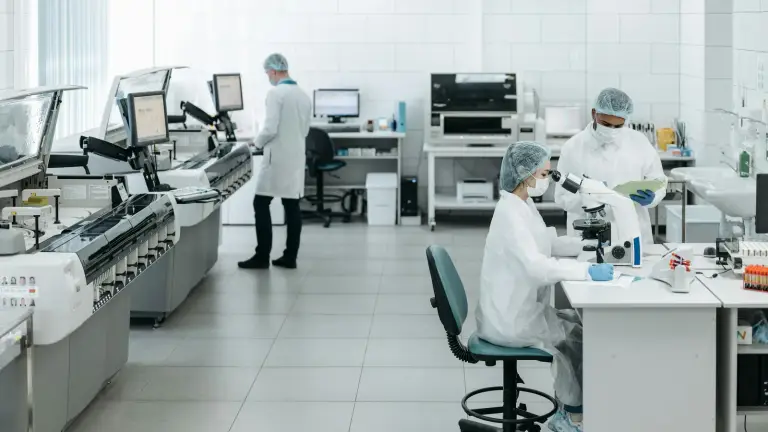
No. Healthy urine contains little to no detectable bilirubin. Most routine dipstick tests report bilirubin as negative, trace, or positive on a semiquantitative scale:
Result | Interpretation | Next Step |
|---|---|---|
Negative | Normal, no conjugated bilirubin detected | No further workup needed |
Trace | May be clinically insignificant or early signal | Repeat testing, check liver enzymes |
1+ to 3+ | Abnormal, conjugated bilirubin is elevated | Liver function panel, imaging if indicated |
A trace result on a single test may not be significant, especially if it was a concentrated sample. But any reproducible positive finding warrants follow-up with serum bilirubin levels and a liver enzyme panel.
What Causes Bilirubin in Urine?

The presence of bilirubin in urine (called bilirubinuria) points to conditions that raise conjugated bilirubin in the blood. The main categories are liver disease and bile duct obstruction.
Liver Disease
Hepatitis: Viral hepatitis (A, B, C), autoimmune hepatitis, and drug-induced liver injury all impair the liver's ability to process and excrete bilirubin normally. Conjugated bilirubin backs up into the bloodstream and overflows into urine [2].
Cirrhosis: Advanced scarring reduces functional liver tissue, compromising bilirubin metabolism and excretion. Bilirubinuria may persist chronically in cirrhotic patients.
Fatty liver disease: Non-alcoholic fatty liver disease (NAFLD) affects nearly 25 percent of adults globally. While mild cases may not produce bilirubinuria, progressive disease can elevate conjugated bilirubin enough to appear on urinalysis.
Medication toxicity: Certain drugs, acetaminophen in excess, some antibiotics, statins at high doses, can cause hepatocellular injury that disrupts bilirubin processing.
Bile Duct Obstruction
Gallstones: A stone lodged in the common bile duct blocks the normal flow of conjugated bilirubin into the intestines. This produces some of the most dramatic rises in urinary bilirubin, often accompanied by pale stools and dark urine [3].
Pancreatic tumors: Tumors at the head of the pancreas can compress the bile duct and cause obstructive jaundice. Bilirubinuria may be the first abnormality detected.
Cholangitis: Inflammation or infection of the bile ducts, from gallstones, strictures, or autoimmune conditions, blocks bile flow and pushes conjugated bilirubin back into circulation.
Other Causes
Dubin-Johnson and Rotor syndromes: Rare inherited conditions that impair hepatic excretion of conjugated bilirubin. These are typically benign but produce persistent bilirubinuria.
Sepsis: Systemic infection can cause cholestatic liver injury and transient bilirubinuria.
Bilirubinuria can sometimes appear before jaundice becomes clinically visible. The kidneys start clearing excess conjugated bilirubin before enough accumulates to turn the skin and eyes yellow. This makes urinalysis a potentially earlier screening signal than a visual exam.
What Bilirubin in Urine Does Not Mean
To be clear about what bilirubinuria does not indicate. It does not come from conditions that elevate unconjugated bilirubin alone:
Hemolytic anemias (sickle cell, G6PD deficiency, autoimmune hemolysis) raise unconjugated bilirubin, which is not water-soluble and cannot be filtered into urine. These conditions raise serum bilirubin and may cause jaundice, but the urinalysis bilirubin stays negative.
Gilbert syndrome; a common genetic variant affecting roughly 5 to 10 percent of the population, raises unconjugated bilirubin mildly. It does not cause bilirubinuria.
This distinction is diagnostically useful: bilirubin positive on urinalysis points toward hepatocellular or obstructive disease, not hemolytic processes.
How to Interpret Bilirubin Alongside Other Urine and Blood Markers

Bilirubin in isolation tells you part of the story. Pairing it with other markers narrows the differential significantly:
Urobilinogen + bilirubin: If both are elevated, hepatocellular disease is likely (the liver is damaged but bile ducts are open). If bilirubin is elevated but urobilinogen is absent, obstructive disease is more probable, bile is not reaching the gut at all [4].
Serum ALT and AST: Elevated alongside urinary bilirubin suggests active hepatocellular injury.
Serum ALP and GGT: Elevated alongside urinary bilirubin suggests cholestatic or obstructive pathology.
Direct vs. indirect serum bilirubin: Confirms whether the elevation is conjugated (supporting the urinalysis finding) or unconjugated.
Want the full picture? Mito Health's full blood panel measures bilirubin, liver enzymes (ALT, AST, ALP, GGT), and over 60 other biomarkers, with physician-guided interpretation to connect the dots. Plans start at $349 for individuals and $668 for duos. Learn more about testing.
What to Do If Bilirubin Shows Up in Your Urine
A positive bilirubin on urinalysis is not a diagnosis; it is a signal. Here is how to approach it:
Get a full liver panel: Total and direct bilirubin, ALT, AST, ALP, GGT, and albumin. This set establishes whether the issue is hepatocellular, cholestatic, or obstructive.
Review medications and supplements: Certain drugs and high-dose supplements can cause transient liver stress. Your doctor may want to pause suspected agents and retest.
Consider imaging: If obstruction is suspected (elevated ALP and GGT, absent urobilinogen, pale stools), an abdominal ultrasound or MRCP can visualize the bile ducts and gallbladder.
Repeat the urinalysis: A single trace-positive result on a concentrated sample may not be reproducible. Confirming on a second specimen rules out a false positive.
Assess your symptoms: Dark urine, pale stools, right upper quadrant pain, fatigue, or yellowing of the skin and eyes are red flags that warrant urgent follow-up.
When Should You Be Concerned?
A trace-positive bilirubin on an isolated urinalysis is not an emergency. However, seek prompt evaluation if:
Bilirubin is persistently positive on repeat testing
You notice visible jaundice, yellowing of the whites of your eyes or skin
Your urine is consistently dark amber or brown without dehydration
Liver enzymes on blood work are also abnormal
You have abdominal pain, unexplained itching, or progressive fatigue
The combination of bilirubinuria with symptoms is what escalates clinical urgency. An asymptomatic trace finding may simply need monitoring and a follow-up panel.
Your Next Move
Bilirubin in urine is a specific and clinically meaningful finding. It points directly to conditions affecting conjugated bilirubin metabolism, primarily liver disease and bile duct obstruction. Because bilirubinuria can appear before jaundice is visible, it serves as an early warning system that is easy to overlook on a routine urinalysis.
Most people never look at the bilirubin line on their urine test. But if yours is positive, it deserves attention. Pair it with a full liver panel, understand the context, and work with your doctor to determine the cause. paying attention to even small signals can make a big difference in catching problems early.
Frequently Asked Questions
What does it mean when bilirubin shows up in a urine test?
Bilirubin is not normally found in urine in significant amounts. When a urinalysis detects it, this indicates that conjugated (water-soluble) bilirubin has built up in the bloodstream and spilled into the urine. This finding may point to a problem with the liver or bile ducts, such as hepatitis, cirrhosis, gallstones, or bile duct obstruction. Even a reproducible trace result warrants follow-up with serum bilirubin levels and a liver enzyme panel.
Can bilirubin in urine appear before jaundice?
Yes. The kidneys may begin clearing excess conjugated bilirubin before enough accumulates in the body to turn the skin and eyes yellow. This means bilirubinuria can sometimes be detected on a routine urinalysis before jaundice becomes clinically visible, making it a potentially earlier screening signal than a visual exam.
Does bilirubin in urine always mean liver disease?
Not always, but it does indicate elevated conjugated bilirubin in the blood, which is most commonly associated with liver conditions or bile duct obstruction. Liver-related causes may include hepatitis, cirrhosis, fatty liver disease, and medication toxicity. Bile duct causes may include gallstones, pancreatic tumors, and cholangitis. Rare inherited conditions like Dubin-Johnson and Rotor syndromes can also produce persistent bilirubinuria, though these are typically benign.
Can hemolytic anemia cause bilirubin in urine?
No. Conditions that elevate only unconjugated bilirubin, such as sickle cell disease, G6PD deficiency, and autoimmune hemolysis, do not cause bilirubinuria. Unconjugated bilirubin is not water-soluble and cannot be filtered by the kidneys into urine. These conditions may raise serum bilirubin and cause jaundice, but the urine bilirubin test typically remains negative. Similarly, Gilbert syndrome raises unconjugated bilirubin and does not produce bilirubin in urine.
Related Articles
Resources
Fevery J. Bilirubin in clinical practice: a review. Liver Int. 2008;28(5):592-605. PMID: 18433389
Kwo PY, Cohen SM, Lim JK. ACG Clinical Guideline: Evaluation of Abnormal Liver Chemistries. Am J Gastroenterol. 2017;112(1):18-35. PMID: 27995906
Lammert F, Gurusamy K, Ko CW, et al. Gallstones. Nat Rev Dis Primers. 2016;2:16024. PMID: 27121416
Simerville JA, Maxted WC, Pahira JJ. Urinalysis: a detailed review. Am Fam Physician. 2005;71(6):1153-1162. PMID: 15791892
Get a deeper look into your health.
Schedule online, results in a week
Clear guidance, follow-up care available
HSA/FSA Eligible

Comments
Get a deeper look into your health.
Schedule online, results in a week
Clear guidance, follow-up care available
HSA/FSA Eligible
Bilirubin in Urine: Causes and What It Means for Your Health
Bilirubin in urine can signal liver or bile duct issues. Understand the causes, what a positive result means, and the next steps to consider.

Written by
Mito Health

Your urinalysis came back with an unexpected finding: bilirubin in your urine. If you are not sure what that means or why it matters, you are not alone. Bilirubin is rarely discussed outside of clinical settings, but its presence in urine can be one of the earliest signals that something is going on with your liver or bile ducts, sometimes well before other symptoms appear.
Bilirubin does not normally belong in urine in significant amounts. When it shows up, your body is telling you something worth investigating. Knowing what causes this finding can help you have a far more productive conversation with your doctor.
What Is Bilirubin?

Bilirubin is a yellow-orange pigment produced when your body breaks down hemoglobin from old red blood cells. Your spleen and liver handle most of this recycling. The initial product, unconjugated (indirect) bilirubin, is water-insoluble and travels through the bloodstream bound to albumin [1].
Once it reaches the liver, enzymes conjugate it with glucuronic acid, making it water-soluble. This conjugated (direct) bilirubin is then excreted into bile, flows through the bile ducts into the intestines, and is eventually eliminated in stool. A small amount is reabsorbed, processed by the kidneys, and appears as urobilinogen in urine.
The critical distinction: only conjugated bilirubin is water-soluble enough to be filtered by the kidneys. When conjugated bilirubin backs up in the bloodstream (usually due to liver or bile duct problems) it spills into the urine. That is what the urinalysis is detecting.
Is Bilirubin in Urine Normal?

No. Healthy urine contains little to no detectable bilirubin. Most routine dipstick tests report bilirubin as negative, trace, or positive on a semiquantitative scale:
Result | Interpretation | Next Step |
|---|---|---|
Negative | Normal, no conjugated bilirubin detected | No further workup needed |
Trace | May be clinically insignificant or early signal | Repeat testing, check liver enzymes |
1+ to 3+ | Abnormal, conjugated bilirubin is elevated | Liver function panel, imaging if indicated |
A trace result on a single test may not be significant, especially if it was a concentrated sample. But any reproducible positive finding warrants follow-up with serum bilirubin levels and a liver enzyme panel.
What Causes Bilirubin in Urine?

The presence of bilirubin in urine (called bilirubinuria) points to conditions that raise conjugated bilirubin in the blood. The main categories are liver disease and bile duct obstruction.
Liver Disease
Hepatitis: Viral hepatitis (A, B, C), autoimmune hepatitis, and drug-induced liver injury all impair the liver's ability to process and excrete bilirubin normally. Conjugated bilirubin backs up into the bloodstream and overflows into urine [2].
Cirrhosis: Advanced scarring reduces functional liver tissue, compromising bilirubin metabolism and excretion. Bilirubinuria may persist chronically in cirrhotic patients.
Fatty liver disease: Non-alcoholic fatty liver disease (NAFLD) affects nearly 25 percent of adults globally. While mild cases may not produce bilirubinuria, progressive disease can elevate conjugated bilirubin enough to appear on urinalysis.
Medication toxicity: Certain drugs, acetaminophen in excess, some antibiotics, statins at high doses, can cause hepatocellular injury that disrupts bilirubin processing.
Bile Duct Obstruction
Gallstones: A stone lodged in the common bile duct blocks the normal flow of conjugated bilirubin into the intestines. This produces some of the most dramatic rises in urinary bilirubin, often accompanied by pale stools and dark urine [3].
Pancreatic tumors: Tumors at the head of the pancreas can compress the bile duct and cause obstructive jaundice. Bilirubinuria may be the first abnormality detected.
Cholangitis: Inflammation or infection of the bile ducts, from gallstones, strictures, or autoimmune conditions, blocks bile flow and pushes conjugated bilirubin back into circulation.
Other Causes
Dubin-Johnson and Rotor syndromes: Rare inherited conditions that impair hepatic excretion of conjugated bilirubin. These are typically benign but produce persistent bilirubinuria.
Sepsis: Systemic infection can cause cholestatic liver injury and transient bilirubinuria.
Bilirubinuria can sometimes appear before jaundice becomes clinically visible. The kidneys start clearing excess conjugated bilirubin before enough accumulates to turn the skin and eyes yellow. This makes urinalysis a potentially earlier screening signal than a visual exam.
What Bilirubin in Urine Does Not Mean

To be clear about what bilirubinuria does not indicate. It does not come from conditions that elevate unconjugated bilirubin alone:
Hemolytic anemias (sickle cell, G6PD deficiency, autoimmune hemolysis) raise unconjugated bilirubin, which is not water-soluble and cannot be filtered into urine. These conditions raise serum bilirubin and may cause jaundice, but the urinalysis bilirubin stays negative.
Gilbert syndrome; a common genetic variant affecting roughly 5 to 10 percent of the population, raises unconjugated bilirubin mildly. It does not cause bilirubinuria.
This distinction is diagnostically useful: bilirubin positive on urinalysis points toward hepatocellular or obstructive disease, not hemolytic processes.
How to Interpret Bilirubin Alongside Other Urine and Blood Markers

Bilirubin in isolation tells you part of the story. Pairing it with other markers narrows the differential significantly:
Urobilinogen + bilirubin: If both are elevated, hepatocellular disease is likely (the liver is damaged but bile ducts are open). If bilirubin is elevated but urobilinogen is absent, obstructive disease is more probable, bile is not reaching the gut at all [4].
Serum ALT and AST: Elevated alongside urinary bilirubin suggests active hepatocellular injury.
Serum ALP and GGT: Elevated alongside urinary bilirubin suggests cholestatic or obstructive pathology.
Direct vs. indirect serum bilirubin: Confirms whether the elevation is conjugated (supporting the urinalysis finding) or unconjugated.
Want the full picture? Mito Health's full blood panel measures bilirubin, liver enzymes (ALT, AST, ALP, GGT), and over 60 other biomarkers, with physician-guided interpretation to connect the dots. Plans start at $349 for individuals and $668 for duos. Learn more about testing.
What to Do If Bilirubin Shows Up in Your Urine
A positive bilirubin on urinalysis is not a diagnosis; it is a signal. Here is how to approach it:
Get a full liver panel: Total and direct bilirubin, ALT, AST, ALP, GGT, and albumin. This set establishes whether the issue is hepatocellular, cholestatic, or obstructive.
Review medications and supplements: Certain drugs and high-dose supplements can cause transient liver stress. Your doctor may want to pause suspected agents and retest.
Consider imaging: If obstruction is suspected (elevated ALP and GGT, absent urobilinogen, pale stools), an abdominal ultrasound or MRCP can visualize the bile ducts and gallbladder.
Repeat the urinalysis: A single trace-positive result on a concentrated sample may not be reproducible. Confirming on a second specimen rules out a false positive.
Assess your symptoms: Dark urine, pale stools, right upper quadrant pain, fatigue, or yellowing of the skin and eyes are red flags that warrant urgent follow-up.
When Should You Be Concerned?
A trace-positive bilirubin on an isolated urinalysis is not an emergency. However, seek prompt evaluation if:
Bilirubin is persistently positive on repeat testing
You notice visible jaundice, yellowing of the whites of your eyes or skin
Your urine is consistently dark amber or brown without dehydration
Liver enzymes on blood work are also abnormal
You have abdominal pain, unexplained itching, or progressive fatigue
The combination of bilirubinuria with symptoms is what escalates clinical urgency. An asymptomatic trace finding may simply need monitoring and a follow-up panel.
Your Next Move
Bilirubin in urine is a specific and clinically meaningful finding. It points directly to conditions affecting conjugated bilirubin metabolism, primarily liver disease and bile duct obstruction. Because bilirubinuria can appear before jaundice is visible, it serves as an early warning system that is easy to overlook on a routine urinalysis.
Most people never look at the bilirubin line on their urine test. But if yours is positive, it deserves attention. Pair it with a full liver panel, understand the context, and work with your doctor to determine the cause. paying attention to even small signals can make a big difference in catching problems early.
Frequently Asked Questions
What does it mean when bilirubin shows up in a urine test?
Bilirubin is not normally found in urine in significant amounts. When a urinalysis detects it, this indicates that conjugated (water-soluble) bilirubin has built up in the bloodstream and spilled into the urine. This finding may point to a problem with the liver or bile ducts, such as hepatitis, cirrhosis, gallstones, or bile duct obstruction. Even a reproducible trace result warrants follow-up with serum bilirubin levels and a liver enzyme panel.
Can bilirubin in urine appear before jaundice?
Yes. The kidneys may begin clearing excess conjugated bilirubin before enough accumulates in the body to turn the skin and eyes yellow. This means bilirubinuria can sometimes be detected on a routine urinalysis before jaundice becomes clinically visible, making it a potentially earlier screening signal than a visual exam.
Does bilirubin in urine always mean liver disease?
Not always, but it does indicate elevated conjugated bilirubin in the blood, which is most commonly associated with liver conditions or bile duct obstruction. Liver-related causes may include hepatitis, cirrhosis, fatty liver disease, and medication toxicity. Bile duct causes may include gallstones, pancreatic tumors, and cholangitis. Rare inherited conditions like Dubin-Johnson and Rotor syndromes can also produce persistent bilirubinuria, though these are typically benign.
Can hemolytic anemia cause bilirubin in urine?
No. Conditions that elevate only unconjugated bilirubin, such as sickle cell disease, G6PD deficiency, and autoimmune hemolysis, do not cause bilirubinuria. Unconjugated bilirubin is not water-soluble and cannot be filtered by the kidneys into urine. These conditions may raise serum bilirubin and cause jaundice, but the urine bilirubin test typically remains negative. Similarly, Gilbert syndrome raises unconjugated bilirubin and does not produce bilirubin in urine.
Related Articles
Resources
Fevery J. Bilirubin in clinical practice: a review. Liver Int. 2008;28(5):592-605. PMID: 18433389
Kwo PY, Cohen SM, Lim JK. ACG Clinical Guideline: Evaluation of Abnormal Liver Chemistries. Am J Gastroenterol. 2017;112(1):18-35. PMID: 27995906
Lammert F, Gurusamy K, Ko CW, et al. Gallstones. Nat Rev Dis Primers. 2016;2:16024. PMID: 27121416
Simerville JA, Maxted WC, Pahira JJ. Urinalysis: a detailed review. Am Fam Physician. 2005;71(6):1153-1162. PMID: 15791892
Get a deeper look into your health.
Schedule online, results in a week
Clear guidance, follow-up care available
HSA/FSA Eligible

Comments
Bilirubin in Urine: Causes and What It Means for Your Health
Bilirubin in urine can signal liver or bile duct issues. Understand the causes, what a positive result means, and the next steps to consider.

Written by
Mito Health

Your urinalysis came back with an unexpected finding: bilirubin in your urine. If you are not sure what that means or why it matters, you are not alone. Bilirubin is rarely discussed outside of clinical settings, but its presence in urine can be one of the earliest signals that something is going on with your liver or bile ducts, sometimes well before other symptoms appear.
Bilirubin does not normally belong in urine in significant amounts. When it shows up, your body is telling you something worth investigating. Knowing what causes this finding can help you have a far more productive conversation with your doctor.
What Is Bilirubin?

Bilirubin is a yellow-orange pigment produced when your body breaks down hemoglobin from old red blood cells. Your spleen and liver handle most of this recycling. The initial product, unconjugated (indirect) bilirubin, is water-insoluble and travels through the bloodstream bound to albumin [1].
Once it reaches the liver, enzymes conjugate it with glucuronic acid, making it water-soluble. This conjugated (direct) bilirubin is then excreted into bile, flows through the bile ducts into the intestines, and is eventually eliminated in stool. A small amount is reabsorbed, processed by the kidneys, and appears as urobilinogen in urine.
The critical distinction: only conjugated bilirubin is water-soluble enough to be filtered by the kidneys. When conjugated bilirubin backs up in the bloodstream (usually due to liver or bile duct problems) it spills into the urine. That is what the urinalysis is detecting.
Is Bilirubin in Urine Normal?

No. Healthy urine contains little to no detectable bilirubin. Most routine dipstick tests report bilirubin as negative, trace, or positive on a semiquantitative scale:
Result | Interpretation | Next Step |
|---|---|---|
Negative | Normal, no conjugated bilirubin detected | No further workup needed |
Trace | May be clinically insignificant or early signal | Repeat testing, check liver enzymes |
1+ to 3+ | Abnormal, conjugated bilirubin is elevated | Liver function panel, imaging if indicated |
A trace result on a single test may not be significant, especially if it was a concentrated sample. But any reproducible positive finding warrants follow-up with serum bilirubin levels and a liver enzyme panel.
What Causes Bilirubin in Urine?

The presence of bilirubin in urine (called bilirubinuria) points to conditions that raise conjugated bilirubin in the blood. The main categories are liver disease and bile duct obstruction.
Liver Disease
Hepatitis: Viral hepatitis (A, B, C), autoimmune hepatitis, and drug-induced liver injury all impair the liver's ability to process and excrete bilirubin normally. Conjugated bilirubin backs up into the bloodstream and overflows into urine [2].
Cirrhosis: Advanced scarring reduces functional liver tissue, compromising bilirubin metabolism and excretion. Bilirubinuria may persist chronically in cirrhotic patients.
Fatty liver disease: Non-alcoholic fatty liver disease (NAFLD) affects nearly 25 percent of adults globally. While mild cases may not produce bilirubinuria, progressive disease can elevate conjugated bilirubin enough to appear on urinalysis.
Medication toxicity: Certain drugs, acetaminophen in excess, some antibiotics, statins at high doses, can cause hepatocellular injury that disrupts bilirubin processing.
Bile Duct Obstruction
Gallstones: A stone lodged in the common bile duct blocks the normal flow of conjugated bilirubin into the intestines. This produces some of the most dramatic rises in urinary bilirubin, often accompanied by pale stools and dark urine [3].
Pancreatic tumors: Tumors at the head of the pancreas can compress the bile duct and cause obstructive jaundice. Bilirubinuria may be the first abnormality detected.
Cholangitis: Inflammation or infection of the bile ducts, from gallstones, strictures, or autoimmune conditions, blocks bile flow and pushes conjugated bilirubin back into circulation.
Other Causes
Dubin-Johnson and Rotor syndromes: Rare inherited conditions that impair hepatic excretion of conjugated bilirubin. These are typically benign but produce persistent bilirubinuria.
Sepsis: Systemic infection can cause cholestatic liver injury and transient bilirubinuria.
Bilirubinuria can sometimes appear before jaundice becomes clinically visible. The kidneys start clearing excess conjugated bilirubin before enough accumulates to turn the skin and eyes yellow. This makes urinalysis a potentially earlier screening signal than a visual exam.
What Bilirubin in Urine Does Not Mean

To be clear about what bilirubinuria does not indicate. It does not come from conditions that elevate unconjugated bilirubin alone:
Hemolytic anemias (sickle cell, G6PD deficiency, autoimmune hemolysis) raise unconjugated bilirubin, which is not water-soluble and cannot be filtered into urine. These conditions raise serum bilirubin and may cause jaundice, but the urinalysis bilirubin stays negative.
Gilbert syndrome; a common genetic variant affecting roughly 5 to 10 percent of the population, raises unconjugated bilirubin mildly. It does not cause bilirubinuria.
This distinction is diagnostically useful: bilirubin positive on urinalysis points toward hepatocellular or obstructive disease, not hemolytic processes.
How to Interpret Bilirubin Alongside Other Urine and Blood Markers

Bilirubin in isolation tells you part of the story. Pairing it with other markers narrows the differential significantly:
Urobilinogen + bilirubin: If both are elevated, hepatocellular disease is likely (the liver is damaged but bile ducts are open). If bilirubin is elevated but urobilinogen is absent, obstructive disease is more probable, bile is not reaching the gut at all [4].
Serum ALT and AST: Elevated alongside urinary bilirubin suggests active hepatocellular injury.
Serum ALP and GGT: Elevated alongside urinary bilirubin suggests cholestatic or obstructive pathology.
Direct vs. indirect serum bilirubin: Confirms whether the elevation is conjugated (supporting the urinalysis finding) or unconjugated.
Want the full picture? Mito Health's full blood panel measures bilirubin, liver enzymes (ALT, AST, ALP, GGT), and over 60 other biomarkers, with physician-guided interpretation to connect the dots. Plans start at $349 for individuals and $668 for duos. Learn more about testing.
What to Do If Bilirubin Shows Up in Your Urine
A positive bilirubin on urinalysis is not a diagnosis; it is a signal. Here is how to approach it:
Get a full liver panel: Total and direct bilirubin, ALT, AST, ALP, GGT, and albumin. This set establishes whether the issue is hepatocellular, cholestatic, or obstructive.
Review medications and supplements: Certain drugs and high-dose supplements can cause transient liver stress. Your doctor may want to pause suspected agents and retest.
Consider imaging: If obstruction is suspected (elevated ALP and GGT, absent urobilinogen, pale stools), an abdominal ultrasound or MRCP can visualize the bile ducts and gallbladder.
Repeat the urinalysis: A single trace-positive result on a concentrated sample may not be reproducible. Confirming on a second specimen rules out a false positive.
Assess your symptoms: Dark urine, pale stools, right upper quadrant pain, fatigue, or yellowing of the skin and eyes are red flags that warrant urgent follow-up.
When Should You Be Concerned?
A trace-positive bilirubin on an isolated urinalysis is not an emergency. However, seek prompt evaluation if:
Bilirubin is persistently positive on repeat testing
You notice visible jaundice, yellowing of the whites of your eyes or skin
Your urine is consistently dark amber or brown without dehydration
Liver enzymes on blood work are also abnormal
You have abdominal pain, unexplained itching, or progressive fatigue
The combination of bilirubinuria with symptoms is what escalates clinical urgency. An asymptomatic trace finding may simply need monitoring and a follow-up panel.
Your Next Move
Bilirubin in urine is a specific and clinically meaningful finding. It points directly to conditions affecting conjugated bilirubin metabolism, primarily liver disease and bile duct obstruction. Because bilirubinuria can appear before jaundice is visible, it serves as an early warning system that is easy to overlook on a routine urinalysis.
Most people never look at the bilirubin line on their urine test. But if yours is positive, it deserves attention. Pair it with a full liver panel, understand the context, and work with your doctor to determine the cause. paying attention to even small signals can make a big difference in catching problems early.
Frequently Asked Questions
What does it mean when bilirubin shows up in a urine test?
Bilirubin is not normally found in urine in significant amounts. When a urinalysis detects it, this indicates that conjugated (water-soluble) bilirubin has built up in the bloodstream and spilled into the urine. This finding may point to a problem with the liver or bile ducts, such as hepatitis, cirrhosis, gallstones, or bile duct obstruction. Even a reproducible trace result warrants follow-up with serum bilirubin levels and a liver enzyme panel.
Can bilirubin in urine appear before jaundice?
Yes. The kidneys may begin clearing excess conjugated bilirubin before enough accumulates in the body to turn the skin and eyes yellow. This means bilirubinuria can sometimes be detected on a routine urinalysis before jaundice becomes clinically visible, making it a potentially earlier screening signal than a visual exam.
Does bilirubin in urine always mean liver disease?
Not always, but it does indicate elevated conjugated bilirubin in the blood, which is most commonly associated with liver conditions or bile duct obstruction. Liver-related causes may include hepatitis, cirrhosis, fatty liver disease, and medication toxicity. Bile duct causes may include gallstones, pancreatic tumors, and cholangitis. Rare inherited conditions like Dubin-Johnson and Rotor syndromes can also produce persistent bilirubinuria, though these are typically benign.
Can hemolytic anemia cause bilirubin in urine?
No. Conditions that elevate only unconjugated bilirubin, such as sickle cell disease, G6PD deficiency, and autoimmune hemolysis, do not cause bilirubinuria. Unconjugated bilirubin is not water-soluble and cannot be filtered by the kidneys into urine. These conditions may raise serum bilirubin and cause jaundice, but the urine bilirubin test typically remains negative. Similarly, Gilbert syndrome raises unconjugated bilirubin and does not produce bilirubin in urine.
Related Articles
Resources
Fevery J. Bilirubin in clinical practice: a review. Liver Int. 2008;28(5):592-605. PMID: 18433389
Kwo PY, Cohen SM, Lim JK. ACG Clinical Guideline: Evaluation of Abnormal Liver Chemistries. Am J Gastroenterol. 2017;112(1):18-35. PMID: 27995906
Lammert F, Gurusamy K, Ko CW, et al. Gallstones. Nat Rev Dis Primers. 2016;2:16024. PMID: 27121416
Simerville JA, Maxted WC, Pahira JJ. Urinalysis: a detailed review. Am Fam Physician. 2005;71(6):1153-1162. PMID: 15791892
Get a deeper look into your health.
Schedule online, results in a week
Clear guidance, follow-up care available
HSA/FSA Eligible

Comments
Bilirubin in Urine: Causes and What It Means for Your Health
Bilirubin in urine can signal liver or bile duct issues. Understand the causes, what a positive result means, and the next steps to consider.

Written by
Mito Health

Your urinalysis came back with an unexpected finding: bilirubin in your urine. If you are not sure what that means or why it matters, you are not alone. Bilirubin is rarely discussed outside of clinical settings, but its presence in urine can be one of the earliest signals that something is going on with your liver or bile ducts, sometimes well before other symptoms appear.
Bilirubin does not normally belong in urine in significant amounts. When it shows up, your body is telling you something worth investigating. Knowing what causes this finding can help you have a far more productive conversation with your doctor.
What Is Bilirubin?

Bilirubin is a yellow-orange pigment produced when your body breaks down hemoglobin from old red blood cells. Your spleen and liver handle most of this recycling. The initial product, unconjugated (indirect) bilirubin, is water-insoluble and travels through the bloodstream bound to albumin [1].
Once it reaches the liver, enzymes conjugate it with glucuronic acid, making it water-soluble. This conjugated (direct) bilirubin is then excreted into bile, flows through the bile ducts into the intestines, and is eventually eliminated in stool. A small amount is reabsorbed, processed by the kidneys, and appears as urobilinogen in urine.
The critical distinction: only conjugated bilirubin is water-soluble enough to be filtered by the kidneys. When conjugated bilirubin backs up in the bloodstream (usually due to liver or bile duct problems) it spills into the urine. That is what the urinalysis is detecting.
Is Bilirubin in Urine Normal?

No. Healthy urine contains little to no detectable bilirubin. Most routine dipstick tests report bilirubin as negative, trace, or positive on a semiquantitative scale:
Result | Interpretation | Next Step |
|---|---|---|
Negative | Normal, no conjugated bilirubin detected | No further workup needed |
Trace | May be clinically insignificant or early signal | Repeat testing, check liver enzymes |
1+ to 3+ | Abnormal, conjugated bilirubin is elevated | Liver function panel, imaging if indicated |
A trace result on a single test may not be significant, especially if it was a concentrated sample. But any reproducible positive finding warrants follow-up with serum bilirubin levels and a liver enzyme panel.
What Causes Bilirubin in Urine?

The presence of bilirubin in urine (called bilirubinuria) points to conditions that raise conjugated bilirubin in the blood. The main categories are liver disease and bile duct obstruction.
Liver Disease
Hepatitis: Viral hepatitis (A, B, C), autoimmune hepatitis, and drug-induced liver injury all impair the liver's ability to process and excrete bilirubin normally. Conjugated bilirubin backs up into the bloodstream and overflows into urine [2].
Cirrhosis: Advanced scarring reduces functional liver tissue, compromising bilirubin metabolism and excretion. Bilirubinuria may persist chronically in cirrhotic patients.
Fatty liver disease: Non-alcoholic fatty liver disease (NAFLD) affects nearly 25 percent of adults globally. While mild cases may not produce bilirubinuria, progressive disease can elevate conjugated bilirubin enough to appear on urinalysis.
Medication toxicity: Certain drugs, acetaminophen in excess, some antibiotics, statins at high doses, can cause hepatocellular injury that disrupts bilirubin processing.
Bile Duct Obstruction
Gallstones: A stone lodged in the common bile duct blocks the normal flow of conjugated bilirubin into the intestines. This produces some of the most dramatic rises in urinary bilirubin, often accompanied by pale stools and dark urine [3].
Pancreatic tumors: Tumors at the head of the pancreas can compress the bile duct and cause obstructive jaundice. Bilirubinuria may be the first abnormality detected.
Cholangitis: Inflammation or infection of the bile ducts, from gallstones, strictures, or autoimmune conditions, blocks bile flow and pushes conjugated bilirubin back into circulation.
Other Causes
Dubin-Johnson and Rotor syndromes: Rare inherited conditions that impair hepatic excretion of conjugated bilirubin. These are typically benign but produce persistent bilirubinuria.
Sepsis: Systemic infection can cause cholestatic liver injury and transient bilirubinuria.
Bilirubinuria can sometimes appear before jaundice becomes clinically visible. The kidneys start clearing excess conjugated bilirubin before enough accumulates to turn the skin and eyes yellow. This makes urinalysis a potentially earlier screening signal than a visual exam.
What Bilirubin in Urine Does Not Mean

To be clear about what bilirubinuria does not indicate. It does not come from conditions that elevate unconjugated bilirubin alone:
Hemolytic anemias (sickle cell, G6PD deficiency, autoimmune hemolysis) raise unconjugated bilirubin, which is not water-soluble and cannot be filtered into urine. These conditions raise serum bilirubin and may cause jaundice, but the urinalysis bilirubin stays negative.
Gilbert syndrome; a common genetic variant affecting roughly 5 to 10 percent of the population, raises unconjugated bilirubin mildly. It does not cause bilirubinuria.
This distinction is diagnostically useful: bilirubin positive on urinalysis points toward hepatocellular or obstructive disease, not hemolytic processes.
How to Interpret Bilirubin Alongside Other Urine and Blood Markers

Bilirubin in isolation tells you part of the story. Pairing it with other markers narrows the differential significantly:
Urobilinogen + bilirubin: If both are elevated, hepatocellular disease is likely (the liver is damaged but bile ducts are open). If bilirubin is elevated but urobilinogen is absent, obstructive disease is more probable, bile is not reaching the gut at all [4].
Serum ALT and AST: Elevated alongside urinary bilirubin suggests active hepatocellular injury.
Serum ALP and GGT: Elevated alongside urinary bilirubin suggests cholestatic or obstructive pathology.
Direct vs. indirect serum bilirubin: Confirms whether the elevation is conjugated (supporting the urinalysis finding) or unconjugated.
Want the full picture? Mito Health's full blood panel measures bilirubin, liver enzymes (ALT, AST, ALP, GGT), and over 60 other biomarkers, with physician-guided interpretation to connect the dots. Plans start at $349 for individuals and $668 for duos. Learn more about testing.
What to Do If Bilirubin Shows Up in Your Urine
A positive bilirubin on urinalysis is not a diagnosis; it is a signal. Here is how to approach it:
Get a full liver panel: Total and direct bilirubin, ALT, AST, ALP, GGT, and albumin. This set establishes whether the issue is hepatocellular, cholestatic, or obstructive.
Review medications and supplements: Certain drugs and high-dose supplements can cause transient liver stress. Your doctor may want to pause suspected agents and retest.
Consider imaging: If obstruction is suspected (elevated ALP and GGT, absent urobilinogen, pale stools), an abdominal ultrasound or MRCP can visualize the bile ducts and gallbladder.
Repeat the urinalysis: A single trace-positive result on a concentrated sample may not be reproducible. Confirming on a second specimen rules out a false positive.
Assess your symptoms: Dark urine, pale stools, right upper quadrant pain, fatigue, or yellowing of the skin and eyes are red flags that warrant urgent follow-up.
When Should You Be Concerned?
A trace-positive bilirubin on an isolated urinalysis is not an emergency. However, seek prompt evaluation if:
Bilirubin is persistently positive on repeat testing
You notice visible jaundice, yellowing of the whites of your eyes or skin
Your urine is consistently dark amber or brown without dehydration
Liver enzymes on blood work are also abnormal
You have abdominal pain, unexplained itching, or progressive fatigue
The combination of bilirubinuria with symptoms is what escalates clinical urgency. An asymptomatic trace finding may simply need monitoring and a follow-up panel.
Your Next Move
Bilirubin in urine is a specific and clinically meaningful finding. It points directly to conditions affecting conjugated bilirubin metabolism, primarily liver disease and bile duct obstruction. Because bilirubinuria can appear before jaundice is visible, it serves as an early warning system that is easy to overlook on a routine urinalysis.
Most people never look at the bilirubin line on their urine test. But if yours is positive, it deserves attention. Pair it with a full liver panel, understand the context, and work with your doctor to determine the cause. paying attention to even small signals can make a big difference in catching problems early.
Frequently Asked Questions
What does it mean when bilirubin shows up in a urine test?
Bilirubin is not normally found in urine in significant amounts. When a urinalysis detects it, this indicates that conjugated (water-soluble) bilirubin has built up in the bloodstream and spilled into the urine. This finding may point to a problem with the liver or bile ducts, such as hepatitis, cirrhosis, gallstones, or bile duct obstruction. Even a reproducible trace result warrants follow-up with serum bilirubin levels and a liver enzyme panel.
Can bilirubin in urine appear before jaundice?
Yes. The kidneys may begin clearing excess conjugated bilirubin before enough accumulates in the body to turn the skin and eyes yellow. This means bilirubinuria can sometimes be detected on a routine urinalysis before jaundice becomes clinically visible, making it a potentially earlier screening signal than a visual exam.
Does bilirubin in urine always mean liver disease?
Not always, but it does indicate elevated conjugated bilirubin in the blood, which is most commonly associated with liver conditions or bile duct obstruction. Liver-related causes may include hepatitis, cirrhosis, fatty liver disease, and medication toxicity. Bile duct causes may include gallstones, pancreatic tumors, and cholangitis. Rare inherited conditions like Dubin-Johnson and Rotor syndromes can also produce persistent bilirubinuria, though these are typically benign.
Can hemolytic anemia cause bilirubin in urine?
No. Conditions that elevate only unconjugated bilirubin, such as sickle cell disease, G6PD deficiency, and autoimmune hemolysis, do not cause bilirubinuria. Unconjugated bilirubin is not water-soluble and cannot be filtered by the kidneys into urine. These conditions may raise serum bilirubin and cause jaundice, but the urine bilirubin test typically remains negative. Similarly, Gilbert syndrome raises unconjugated bilirubin and does not produce bilirubin in urine.
Related Articles
Resources
Fevery J. Bilirubin in clinical practice: a review. Liver Int. 2008;28(5):592-605. PMID: 18433389
Kwo PY, Cohen SM, Lim JK. ACG Clinical Guideline: Evaluation of Abnormal Liver Chemistries. Am J Gastroenterol. 2017;112(1):18-35. PMID: 27995906
Lammert F, Gurusamy K, Ko CW, et al. Gallstones. Nat Rev Dis Primers. 2016;2:16024. PMID: 27121416
Simerville JA, Maxted WC, Pahira JJ. Urinalysis: a detailed review. Am Fam Physician. 2005;71(6):1153-1162. PMID: 15791892
Get a deeper look into your health.
Schedule online, results in a week
Clear guidance, follow-up care available
HSA/FSA Eligible

Get a deeper look into your health.
Schedule online, results in a week
Clear guidance, follow-up care available
HSA/FSA Eligible
Comments
Recently published
What's included

1 Comprehensive lab test with over 100+ biomarkers
One appointment, test at 2,000+ labs nationwide

Insights calibrated to your biology
Recommendations informed by your ethnicity, lifestyle, and history. Not generic ranges.

1:1 Consultation
Meet with your dedicated care team to review your results and define next steps

Lifetime health record tracking
Upload past labs and monitor your progress over time

Biological age analysis
See how your body is aging and what’s driving it

Order add-on tests and scans anytime
Access to advanced diagnostics at discounted rates for members
Concierge-level care, made accessible.
Mito Health Membership
Codeveloped with experts at MIT & Stanford
Less than $1/ day
Billed annually - cancel anytime
Bundle options:
Individual
$399
$349
/year
or 4 interest-free payments of $87.25*
Duo Bundle
(For 2)
$798
$660
/year
or 4 interest-free payments of $167*
Pricing for members in NY, NJ & RI may vary.

Checkout with HSA/FSA
Secure, private platform
What's included

1 Comprehensive lab test with over 100+ biomarkers
One appointment, test at 2,000+ labs nationwide

Insights calibrated to your biology
Recommendations informed by your ethnicity, lifestyle, and history. Not generic ranges.

1:1 Consultation
Meet with your dedicated care team to review your results and define next steps

Lifetime health record tracking
Upload past labs and monitor your progress over time

Biological age analysis
See how your body is aging and what’s driving it

Order add-on tests and scans anytime
Access to advanced diagnostics at discounted rates for members
Concierge-level care, made accessible.
Mito Health Membership
Codeveloped with experts at MIT & Stanford
Less than $1/ day
Billed annually - cancel anytime
Bundle options:
Individual
$399
$349
/year
or 4 interest-free payments of $87.25*
Duo Bundle (For 2)
$798
$660
/year
or 4 interest-free payments of $167*
Pricing for members in NY, NJ & RI may vary.

Checkout with HSA/FSA
Secure, private platform
What's included

1 Comprehensive lab test with over 100+ biomarkers
One appointment, test at 2,000+ labs nationwide

Insights calibrated to your biology
Recommendations informed by your ethnicity, lifestyle, and history. Not generic ranges.

1:1 Consultation
Meet with your dedicated care team to review your results and define next steps

Lifetime health record tracking
Upload past labs and monitor your progress over time

Biological age analysis
See how your body is aging and what’s driving it

Order add-on tests and scans anytime
Access to advanced diagnostics at discounted rates for members
Concierge-level care, made accessible.
Mito Health Membership
Codeveloped with experts at MIT & Stanford
Less than $1/ day
Billed annually - cancel anytime
Bundle options:
Individual
$399
$349
/year
or 4 payments of $87.25*
Duo Bundle
(For 2)
$798
$660
/year
or 4 payments of $167*
Pricing for members in NY, NJ & RI may vary.

Checkout with HSA/FSA
Secure, private platform