Postpartum Bloating: Causes, Triggers & What to Test
After delivery, sharp estrogen and progesterone drops, a weakened core, and gut flora shifts can slow digestion and cause bloating. Testing may help clarify the cause.
- Published
- April 23, 2026
- Read time
- 1 min read

Why It Happens
Postpartum bloating is common due to hormonal changes, weakened core muscles, c-section recovery (if applicable), and gut flora shifts from pregnancy and delivery stress.
Estrogen and Progesterone Drops: Hormonal crash affects gut movement.
Weakened Pelvic Floor and Core: Slows abdominal organ support.
Cesarean or Birth Trauma: Surgical or muscular healing slows digestion.
Gut Microbial Shifts: Pregnancy and breastfeeding alter microbiome resilience.
Sleep Deprivation and Stress: Further impair digestion and recovery.
How to Manage
Prioritize Gentle Core Recovery: Pelvic floor work supports gut organs.
Eat Easy-to-Digest Foods: Reduce gut burden while healing.
Hydrate Generously: Supports milk production and digestion.
Rebuild Gut Flora: Fermented foods and prebiotics help restoration.
Rest Guilt-Free: Recovery - including gut repair - thrives in low-stress states.
Postpartum gut healing is gradual - every nurturing step moves you closer to full vitality.
Key Biomarkers
Expert-Backed Reads
You Might Also Be Experiencing
-
Unpacking Bloating In 40s: How Biomarkers and Testing Reveal the Truth
-
Unpacking Bloating In Teenagers: How Biomarkers and Testing Reveal the Truth
References
Popular lab tests
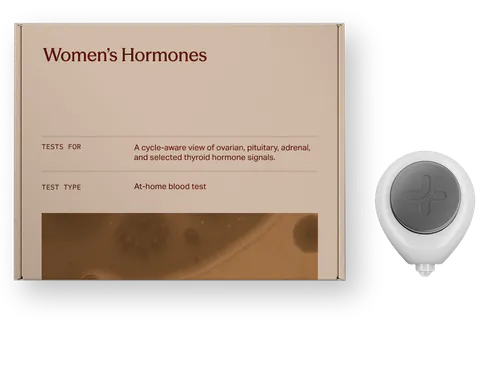
At-Home Women’s Hormone Test Kit
View current details, availability, and member pricing.
Comprehensive Metabolic Panel (CMP)
A 14-marker snapshot of kidney function, liver function, electrolytes, and blood sugar in one draw.
Complete Blood Count (CBC) with Differential and Platelet Count Test
A broad screen of red cells, white cells, and platelets that anchors most checkups.
The standard cholesterol workup for cardiovascular risk, and the baseline for tracking diet, exercise, or statin response.