Get a deeper look into your health.

Schedule online, results in a week

Clear guidance, follow-up care available

HSA/FSA Eligible

What is Testosterone Replacement Therapy? A Complete TRT Guide

One of the most talked-about treatments for men today is Testosterone Replacement Therapy, designed to restore normal testosterone levels in men.

Written by

Mito Health

If you’ve been feeling constantly tired, losing muscle despite working out, struggling with low libido, or noticing mood changes that don’t feel like “you,” your testosterone levels might be the problem. Testosterone Replacement Therapy (TRT) is a widely used treatment for hypogonadism or low testosterone levels.

TRT can enhance mood, energy levels, and quality of life while potentially reducing the risk of osteoporosis and muscle mass loss. But it’s not a treatment any man can start casually.

In this guide, we’ll dive deep into what testosterone replacement therapy really is, who it’s for, how modern TRT protocols work, and how to approach it safely using proper testing and medical oversight.

What Is Testosterone Replacement Therapy?
What Is Testosterone Replacement Therapy?

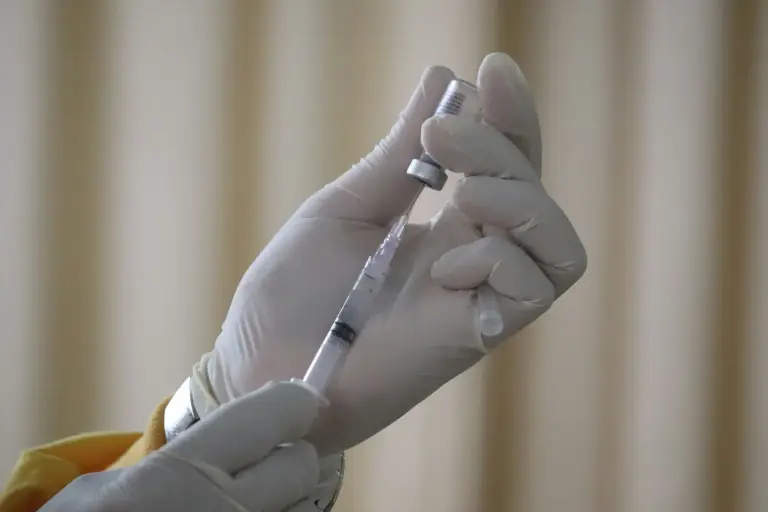
TRT is a medical treatment that restores testosterone levels in men with clinically low testosterone and related symptoms. It works by supplying testosterone in measured doses to bring levels back into a healthy physiological range, not push testosterone levels above natural limits.

What Is Testosterone?

Testosterone is a sex hormone that men and women naturally produce. Men typically have about 10 to 20 times more testosterone than women. It also plays a key role in:

  • Energy and motivation

  • Sex drive and erectile function

  • Muscle mass and strength

  • Bone density

  • Mood and cognitive function

As men age, testosterone levels decline. Research suggests that hypogonadism occurs in about 20% of men over 60, 30% over 70, and 50% over 80 years old. When men have a testosterone imbalance or less-than-ideal levels of testosterone, it leads to a cluster of symptoms that can affect physical health, mental clarity, and emotional stability.

Symptoms of Low Testosterone

Low testosterone can show up differently from one person to another. Common symptoms include:

  • Chronic fatigue or low motivation

  • Reduced libido or sexual performance issues

  • Loss of muscle mass and strength

  • Increased body fat, especially around the abdomen

  • Low mood, irritability, or brain fog

  • Poor recovery from exercise

Normal vs Low Testosterone Levels in Men

Testosterone levels are measured through blood tests, usually in the morning when levels are highest. There are two types of biomarkers for testosterone:

There is no single “perfect” number. Many men feel well at different levels. That’s why symptoms combined with lab results matter more than numbers alone.

Testing for Low Testosterone

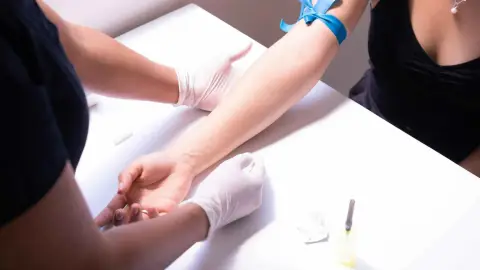
Testing for low testosterone is key to figuring out if someone needs testosterone replacement therapy (TRT). It's important to know that testosterone levels can vary from day to day due to things like being sick, stressed, not getting enough sleep, or changes in diet. Because of this, just one blood test might not give the full picture of a man's hormone health.

To confirm if someone has low testosterone, doctors usually recommend doing two blood tests in the morning. These tests measure testosterone levels and look at other related markers that affect how testosterone works. This way, any decisions about TRT are based on a thorough understanding of the person's hormone levels.

Who Is TRT For—and Who Is It Not For?

TRT is intended for men with clinically low testosterone levels and related symptoms who have been properly evaluated and are monitored by a qualified clinician.

TRT is for men who…

TRT is not recommended for men who…

  • Have persistent symptoms of low testosterone

  • Show consistently low testosterone on blood tests

  • Have ruled out reversible causes like poor sleep or obesity

  • Are monitored by a qualified clinician

  • Have normal testosterone and no symptoms

  • Want TRT only for bodybuilding or performance

  • Have untreated sleep apnea

  • Are actively trying to conceive (in many cases)

TRT Protocol Explained: How Testosterone Is Prescribed?
TRT Protocol Explained: How Testosterone Is Prescribed?

A TRT protocol is a complete treatment plan that defines how testosterone is delivered, dosed, and monitored to restore hormone levels and relieve symptoms safely.

A proper TRT protocol includes:

  • The testosterone formulation

  • The dose

  • The dosing schedule

  • A lab monitoring plan

  • Ongoing symptom review

Common TRT delivery methods:

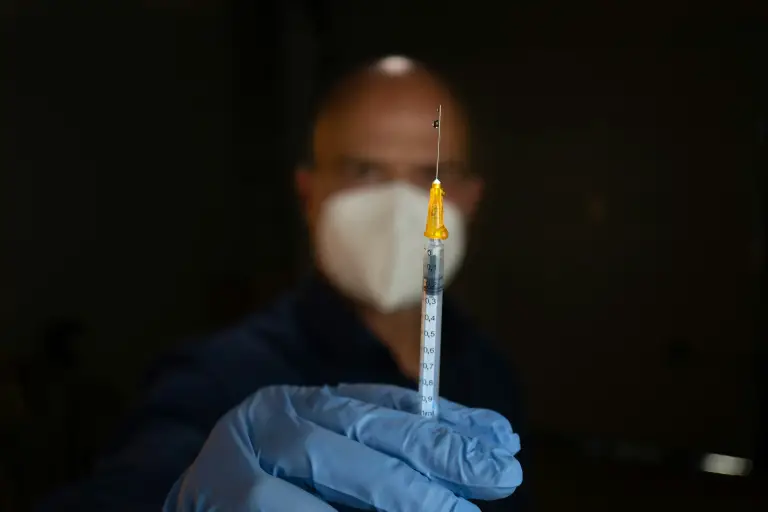
  1. Injectable testosterone: Most commonly prescribed. Usually injected weekly or split into smaller, more frequent doses. Allows precise dose control

  2. Topical gels or creams: Applied daily to the skin. Absorbed through the skin into the bloodstream. Requires caution to avoid skin-to-skin transfer

Other options include patches, pellets, and nasal formulations. Each method has pros and cons. There is no one-size-fits-all approach.

What Is the Best TRT Protocol?

There is no single “best” TRT protocol. But it is the one that:

  • Relieves symptoms

  • Keeps testosterone within a healthy range

  • Minimizes side effects

  • Fits your lifestyle

  • Is adjusted using follow-up labs

In 2026, many clinicians favor lower, more frequent dosing to reduce hormone swings and side effects. This approach often leads to more stable energy, mood, and libido.

How Long Does TRT Take to Work?

TRT results vary by individual, dose, and delivery method, but most men notice changes gradually over weeks to months rather than immediately.

Timeline

Improvement

Weeks 3 to 6

Improved energy, mood, libido

2–3 months

Better strength, exercise recovery

3–6 months

Body composition changes

6–12 months

Bone density and metabolic benefits

Everyone responds differently to TRT. Monitoring helps ensure your progress is safe and effective. It also allows your clinician to adjust dosage, prevent side effects, and catch any issues early. A typical monitoring schedule includes:

  • Baseline labs before starting TRT

  • Follow-up at 3 to 6 months

  • Ongoing annual testing

Are There Any Risks of TRT in Men?

Are There Any Risks of TRT in Men?

When properly prescribed and monitored, TRT is generally safe for most men, but like any medical treatment, it does carry potential risks and side effects.

Some of the most common side effects of TRT are:

  • Acne or oily skin

  • Feeling a bit puffy due to fluid retention

  • Soreness and discomfort at the injection site

  • Increased red blood cell count

TRT is generally a helpful treatment when prescribed correctly, but it is not risk-free. If a man has certain health conditions, he needs to understand these risks. For example, TRT might worsen issues like prostate cancer, male breast cancer, and benign prostatic hyperplasia (BPH). It could also lead to conditions like polycythemia and obstructive sleep apnea (OSA). So, it's essential to weigh these factors carefully before starting TRT.

Is TRT Right for You?

TRT can be life-changing for the right candidate, but it should always begin with careful evaluation and education.

If you’re experiencing symptoms of low testosterone, the first step is understanding what’s happening in your body through comprehensive blood testing and expert interpretation. This helps determine whether low testosterone is truly the cause of your symptoms and whether TRT is an appropriate option.

For those who want a deeper, data-driven evaluation, Mito Health offers comprehensive blood testing that includes total and free testosterone, along with a wide range of related biomarkers to support your treatment plans.

Frequently Asked Questions

Is TRT the same as steroids?

No. TRT is not the same as steroids. It restores normal hormone levels, while steroid abuse pushes levels far beyond normal.

Will TRT shut down natural testosterone?

Yes, the natural production of testosterone decreases during TRT. That’s why medical supervision matters.

Can you stop TRT once you start?

Yes. Some men can stop under medical guidance, but symptoms may return.

Does TRT increase cancer risk?

No. Using testosterone replacement therapy does not raise the risk of getting prostate cancer.

Resources:

Get a deeper look into your health.

Schedule online, results in a week

Clear guidance, follow-up care available

HSA/FSA Eligible

Comments

Get a deeper look into your health.

Schedule online, results in a week

Clear guidance, follow-up care available

HSA/FSA Eligible

What is Testosterone Replacement Therapy? A Complete TRT Guide

One of the most talked-about treatments for men today is Testosterone Replacement Therapy, designed to restore normal testosterone levels in men.

Written by

Mito Health

If you’ve been feeling constantly tired, losing muscle despite working out, struggling with low libido, or noticing mood changes that don’t feel like “you,” your testosterone levels might be the problem. Testosterone Replacement Therapy (TRT) is a widely used treatment for hypogonadism or low testosterone levels.

TRT can enhance mood, energy levels, and quality of life while potentially reducing the risk of osteoporosis and muscle mass loss. But it’s not a treatment any man can start casually.

In this guide, we’ll dive deep into what testosterone replacement therapy really is, who it’s for, how modern TRT protocols work, and how to approach it safely using proper testing and medical oversight.

What Is Testosterone Replacement Therapy?

What Is Testosterone Replacement Therapy?

TRT is a medical treatment that restores testosterone levels in men with clinically low testosterone and related symptoms. It works by supplying testosterone in measured doses to bring levels back into a healthy physiological range, not push testosterone levels above natural limits.

What Is Testosterone?

Testosterone is a sex hormone that men and women naturally produce. Men typically have about 10 to 20 times more testosterone than women. It also plays a key role in:

  • Energy and motivation

  • Sex drive and erectile function

  • Muscle mass and strength

  • Bone density

  • Mood and cognitive function

As men age, testosterone levels decline. Research suggests that hypogonadism occurs in about 20% of men over 60, 30% over 70, and 50% over 80 years old. When men have a testosterone imbalance or less-than-ideal levels of testosterone, it leads to a cluster of symptoms that can affect physical health, mental clarity, and emotional stability.

Symptoms of Low Testosterone

Low testosterone can show up differently from one person to another. Common symptoms include:

  • Chronic fatigue or low motivation

  • Reduced libido or sexual performance issues

  • Loss of muscle mass and strength

  • Increased body fat, especially around the abdomen

  • Low mood, irritability, or brain fog

  • Poor recovery from exercise

Normal vs Low Testosterone Levels in Men

Testosterone levels are measured through blood tests, usually in the morning when levels are highest. There are two types of biomarkers for testosterone:

There is no single “perfect” number. Many men feel well at different levels. That’s why symptoms combined with lab results matter more than numbers alone.

Testing for Low Testosterone

Testing for low testosterone is key to figuring out if someone needs testosterone replacement therapy (TRT). It's important to know that testosterone levels can vary from day to day due to things like being sick, stressed, not getting enough sleep, or changes in diet. Because of this, just one blood test might not give the full picture of a man's hormone health.

To confirm if someone has low testosterone, doctors usually recommend doing two blood tests in the morning. These tests measure testosterone levels and look at other related markers that affect how testosterone works. This way, any decisions about TRT are based on a thorough understanding of the person's hormone levels.

Who Is TRT For—and Who Is It Not For?

TRT is intended for men with clinically low testosterone levels and related symptoms who have been properly evaluated and are monitored by a qualified clinician.

TRT is for men who…

TRT is not recommended for men who…

  • Have persistent symptoms of low testosterone

  • Show consistently low testosterone on blood tests

  • Have ruled out reversible causes like poor sleep or obesity

  • Are monitored by a qualified clinician

  • Have normal testosterone and no symptoms

  • Want TRT only for bodybuilding or performance

  • Have untreated sleep apnea

  • Are actively trying to conceive (in many cases)

TRT Protocol Explained: How Testosterone Is Prescribed?

TRT Protocol Explained: How Testosterone Is Prescribed?

A TRT protocol is a complete treatment plan that defines how testosterone is delivered, dosed, and monitored to restore hormone levels and relieve symptoms safely.

A proper TRT protocol includes:

  • The testosterone formulation

  • The dose

  • The dosing schedule

  • A lab monitoring plan

  • Ongoing symptom review

Common TRT delivery methods:

  1. Injectable testosterone: Most commonly prescribed. Usually injected weekly or split into smaller, more frequent doses. Allows precise dose control

  2. Topical gels or creams: Applied daily to the skin. Absorbed through the skin into the bloodstream. Requires caution to avoid skin-to-skin transfer

Other options include patches, pellets, and nasal formulations. Each method has pros and cons. There is no one-size-fits-all approach.

What Is the Best TRT Protocol?

There is no single “best” TRT protocol. But it is the one that:

  • Relieves symptoms

  • Keeps testosterone within a healthy range

  • Minimizes side effects

  • Fits your lifestyle

  • Is adjusted using follow-up labs

In 2026, many clinicians favor lower, more frequent dosing to reduce hormone swings and side effects. This approach often leads to more stable energy, mood, and libido.

How Long Does TRT Take to Work?

TRT results vary by individual, dose, and delivery method, but most men notice changes gradually over weeks to months rather than immediately.

Timeline

Improvement

Weeks 3 to 6

Improved energy, mood, libido

2–3 months

Better strength, exercise recovery

3–6 months

Body composition changes

6–12 months

Bone density and metabolic benefits

Everyone responds differently to TRT. Monitoring helps ensure your progress is safe and effective. It also allows your clinician to adjust dosage, prevent side effects, and catch any issues early. A typical monitoring schedule includes:

  • Baseline labs before starting TRT

  • Follow-up at 3 to 6 months

  • Ongoing annual testing

Are There Any Risks of TRT in Men?

Are There Any Risks of TRT in Men?

When properly prescribed and monitored, TRT is generally safe for most men, but like any medical treatment, it does carry potential risks and side effects.

Some of the most common side effects of TRT are:

  • Acne or oily skin

  • Feeling a bit puffy due to fluid retention

  • Soreness and discomfort at the injection site

  • Increased red blood cell count

TRT is generally a helpful treatment when prescribed correctly, but it is not risk-free. If a man has certain health conditions, he needs to understand these risks. For example, TRT might worsen issues like prostate cancer, male breast cancer, and benign prostatic hyperplasia (BPH). It could also lead to conditions like polycythemia and obstructive sleep apnea (OSA). So, it's essential to weigh these factors carefully before starting TRT.

Is TRT Right for You?

TRT can be life-changing for the right candidate, but it should always begin with careful evaluation and education.

If you’re experiencing symptoms of low testosterone, the first step is understanding what’s happening in your body through comprehensive blood testing and expert interpretation. This helps determine whether low testosterone is truly the cause of your symptoms and whether TRT is an appropriate option.

For those who want a deeper, data-driven evaluation, Mito Health offers comprehensive blood testing that includes total and free testosterone, along with a wide range of related biomarkers to support your treatment plans.

Frequently Asked Questions

Is TRT the same as steroids?

No. TRT is not the same as steroids. It restores normal hormone levels, while steroid abuse pushes levels far beyond normal.

Will TRT shut down natural testosterone?

Yes, the natural production of testosterone decreases during TRT. That’s why medical supervision matters.

Can you stop TRT once you start?

Yes. Some men can stop under medical guidance, but symptoms may return.

Does TRT increase cancer risk?

No. Using testosterone replacement therapy does not raise the risk of getting prostate cancer.

Resources:

Get a deeper look into your health.

Schedule online, results in a week

Clear guidance, follow-up care available

HSA/FSA Eligible

Comments

What is Testosterone Replacement Therapy? A Complete TRT Guide

One of the most talked-about treatments for men today is Testosterone Replacement Therapy, designed to restore normal testosterone levels in men.

Written by

Mito Health

If you’ve been feeling constantly tired, losing muscle despite working out, struggling with low libido, or noticing mood changes that don’t feel like “you,” your testosterone levels might be the problem. Testosterone Replacement Therapy (TRT) is a widely used treatment for hypogonadism or low testosterone levels.

TRT can enhance mood, energy levels, and quality of life while potentially reducing the risk of osteoporosis and muscle mass loss. But it’s not a treatment any man can start casually.

In this guide, we’ll dive deep into what testosterone replacement therapy really is, who it’s for, how modern TRT protocols work, and how to approach it safely using proper testing and medical oversight.

What Is Testosterone Replacement Therapy?

What Is Testosterone Replacement Therapy?

TRT is a medical treatment that restores testosterone levels in men with clinically low testosterone and related symptoms. It works by supplying testosterone in measured doses to bring levels back into a healthy physiological range, not push testosterone levels above natural limits.

What Is Testosterone?

Testosterone is a sex hormone that men and women naturally produce. Men typically have about 10 to 20 times more testosterone than women. It also plays a key role in:

  • Energy and motivation

  • Sex drive and erectile function

  • Muscle mass and strength

  • Bone density

  • Mood and cognitive function

As men age, testosterone levels decline. Research suggests that hypogonadism occurs in about 20% of men over 60, 30% over 70, and 50% over 80 years old. When men have a testosterone imbalance or less-than-ideal levels of testosterone, it leads to a cluster of symptoms that can affect physical health, mental clarity, and emotional stability.

Symptoms of Low Testosterone

Low testosterone can show up differently from one person to another. Common symptoms include:

  • Chronic fatigue or low motivation

  • Reduced libido or sexual performance issues

  • Loss of muscle mass and strength

  • Increased body fat, especially around the abdomen

  • Low mood, irritability, or brain fog

  • Poor recovery from exercise

Normal vs Low Testosterone Levels in Men

Testosterone levels are measured through blood tests, usually in the morning when levels are highest. There are two types of biomarkers for testosterone:

There is no single “perfect” number. Many men feel well at different levels. That’s why symptoms combined with lab results matter more than numbers alone.

Testing for Low Testosterone

Testing for low testosterone is key to figuring out if someone needs testosterone replacement therapy (TRT). It's important to know that testosterone levels can vary from day to day due to things like being sick, stressed, not getting enough sleep, or changes in diet. Because of this, just one blood test might not give the full picture of a man's hormone health.

To confirm if someone has low testosterone, doctors usually recommend doing two blood tests in the morning. These tests measure testosterone levels and look at other related markers that affect how testosterone works. This way, any decisions about TRT are based on a thorough understanding of the person's hormone levels.

Who Is TRT For—and Who Is It Not For?

TRT is intended for men with clinically low testosterone levels and related symptoms who have been properly evaluated and are monitored by a qualified clinician.

TRT is for men who…

TRT is not recommended for men who…

  • Have persistent symptoms of low testosterone

  • Show consistently low testosterone on blood tests

  • Have ruled out reversible causes like poor sleep or obesity

  • Are monitored by a qualified clinician

  • Have normal testosterone and no symptoms

  • Want TRT only for bodybuilding or performance

  • Have untreated sleep apnea

  • Are actively trying to conceive (in many cases)

TRT Protocol Explained: How Testosterone Is Prescribed?

TRT Protocol Explained: How Testosterone Is Prescribed?

A TRT protocol is a complete treatment plan that defines how testosterone is delivered, dosed, and monitored to restore hormone levels and relieve symptoms safely.

A proper TRT protocol includes:

  • The testosterone formulation

  • The dose

  • The dosing schedule

  • A lab monitoring plan

  • Ongoing symptom review

Common TRT delivery methods:

  1. Injectable testosterone: Most commonly prescribed. Usually injected weekly or split into smaller, more frequent doses. Allows precise dose control

  2. Topical gels or creams: Applied daily to the skin. Absorbed through the skin into the bloodstream. Requires caution to avoid skin-to-skin transfer

Other options include patches, pellets, and nasal formulations. Each method has pros and cons. There is no one-size-fits-all approach.

What Is the Best TRT Protocol?

There is no single “best” TRT protocol. But it is the one that:

  • Relieves symptoms

  • Keeps testosterone within a healthy range

  • Minimizes side effects

  • Fits your lifestyle

  • Is adjusted using follow-up labs

In 2026, many clinicians favor lower, more frequent dosing to reduce hormone swings and side effects. This approach often leads to more stable energy, mood, and libido.

How Long Does TRT Take to Work?

TRT results vary by individual, dose, and delivery method, but most men notice changes gradually over weeks to months rather than immediately.

Timeline

Improvement

Weeks 3 to 6

Improved energy, mood, libido

2–3 months

Better strength, exercise recovery

3–6 months

Body composition changes

6–12 months

Bone density and metabolic benefits

Everyone responds differently to TRT. Monitoring helps ensure your progress is safe and effective. It also allows your clinician to adjust dosage, prevent side effects, and catch any issues early. A typical monitoring schedule includes:

  • Baseline labs before starting TRT

  • Follow-up at 3 to 6 months

  • Ongoing annual testing

Are There Any Risks of TRT in Men?

Are There Any Risks of TRT in Men?

When properly prescribed and monitored, TRT is generally safe for most men, but like any medical treatment, it does carry potential risks and side effects.

Some of the most common side effects of TRT are:

  • Acne or oily skin

  • Feeling a bit puffy due to fluid retention

  • Soreness and discomfort at the injection site

  • Increased red blood cell count

TRT is generally a helpful treatment when prescribed correctly, but it is not risk-free. If a man has certain health conditions, he needs to understand these risks. For example, TRT might worsen issues like prostate cancer, male breast cancer, and benign prostatic hyperplasia (BPH). It could also lead to conditions like polycythemia and obstructive sleep apnea (OSA). So, it's essential to weigh these factors carefully before starting TRT.

Is TRT Right for You?

TRT can be life-changing for the right candidate, but it should always begin with careful evaluation and education.

If you’re experiencing symptoms of low testosterone, the first step is understanding what’s happening in your body through comprehensive blood testing and expert interpretation. This helps determine whether low testosterone is truly the cause of your symptoms and whether TRT is an appropriate option.

For those who want a deeper, data-driven evaluation, Mito Health offers comprehensive blood testing that includes total and free testosterone, along with a wide range of related biomarkers to support your treatment plans.

Frequently Asked Questions

Is TRT the same as steroids?

No. TRT is not the same as steroids. It restores normal hormone levels, while steroid abuse pushes levels far beyond normal.

Will TRT shut down natural testosterone?

Yes, the natural production of testosterone decreases during TRT. That’s why medical supervision matters.

Can you stop TRT once you start?

Yes. Some men can stop under medical guidance, but symptoms may return.

Does TRT increase cancer risk?

No. Using testosterone replacement therapy does not raise the risk of getting prostate cancer.

Resources:

Get a deeper look into your health.

Schedule online, results in a week

Clear guidance, follow-up care available

HSA/FSA Eligible

Comments

What is Testosterone Replacement Therapy? A Complete TRT Guide

One of the most talked-about treatments for men today is Testosterone Replacement Therapy, designed to restore normal testosterone levels in men.

Written by

Mito Health

If you’ve been feeling constantly tired, losing muscle despite working out, struggling with low libido, or noticing mood changes that don’t feel like “you,” your testosterone levels might be the problem. Testosterone Replacement Therapy (TRT) is a widely used treatment for hypogonadism or low testosterone levels.

TRT can enhance mood, energy levels, and quality of life while potentially reducing the risk of osteoporosis and muscle mass loss. But it’s not a treatment any man can start casually.

In this guide, we’ll dive deep into what testosterone replacement therapy really is, who it’s for, how modern TRT protocols work, and how to approach it safely using proper testing and medical oversight.

What Is Testosterone Replacement Therapy?

What Is Testosterone Replacement Therapy?

TRT is a medical treatment that restores testosterone levels in men with clinically low testosterone and related symptoms. It works by supplying testosterone in measured doses to bring levels back into a healthy physiological range, not push testosterone levels above natural limits.

What Is Testosterone?

Testosterone is a sex hormone that men and women naturally produce. Men typically have about 10 to 20 times more testosterone than women. It also plays a key role in:

  • Energy and motivation

  • Sex drive and erectile function

  • Muscle mass and strength

  • Bone density

  • Mood and cognitive function

As men age, testosterone levels decline. Research suggests that hypogonadism occurs in about 20% of men over 60, 30% over 70, and 50% over 80 years old. When men have a testosterone imbalance or less-than-ideal levels of testosterone, it leads to a cluster of symptoms that can affect physical health, mental clarity, and emotional stability.

Symptoms of Low Testosterone

Low testosterone can show up differently from one person to another. Common symptoms include:

  • Chronic fatigue or low motivation

  • Reduced libido or sexual performance issues

  • Loss of muscle mass and strength

  • Increased body fat, especially around the abdomen

  • Low mood, irritability, or brain fog

  • Poor recovery from exercise

Normal vs Low Testosterone Levels in Men

Testosterone levels are measured through blood tests, usually in the morning when levels are highest. There are two types of biomarkers for testosterone:

There is no single “perfect” number. Many men feel well at different levels. That’s why symptoms combined with lab results matter more than numbers alone.

Testing for Low Testosterone

Testing for low testosterone is key to figuring out if someone needs testosterone replacement therapy (TRT). It's important to know that testosterone levels can vary from day to day due to things like being sick, stressed, not getting enough sleep, or changes in diet. Because of this, just one blood test might not give the full picture of a man's hormone health.

To confirm if someone has low testosterone, doctors usually recommend doing two blood tests in the morning. These tests measure testosterone levels and look at other related markers that affect how testosterone works. This way, any decisions about TRT are based on a thorough understanding of the person's hormone levels.

Who Is TRT For—and Who Is It Not For?

TRT is intended for men with clinically low testosterone levels and related symptoms who have been properly evaluated and are monitored by a qualified clinician.

TRT is for men who…

TRT is not recommended for men who…

  • Have persistent symptoms of low testosterone

  • Show consistently low testosterone on blood tests

  • Have ruled out reversible causes like poor sleep or obesity

  • Are monitored by a qualified clinician

  • Have normal testosterone and no symptoms

  • Want TRT only for bodybuilding or performance

  • Have untreated sleep apnea

  • Are actively trying to conceive (in many cases)

TRT Protocol Explained: How Testosterone Is Prescribed?

TRT Protocol Explained: How Testosterone Is Prescribed?

A TRT protocol is a complete treatment plan that defines how testosterone is delivered, dosed, and monitored to restore hormone levels and relieve symptoms safely.

A proper TRT protocol includes:

  • The testosterone formulation

  • The dose

  • The dosing schedule

  • A lab monitoring plan

  • Ongoing symptom review

Common TRT delivery methods:

  1. Injectable testosterone: Most commonly prescribed. Usually injected weekly or split into smaller, more frequent doses. Allows precise dose control

  2. Topical gels or creams: Applied daily to the skin. Absorbed through the skin into the bloodstream. Requires caution to avoid skin-to-skin transfer

Other options include patches, pellets, and nasal formulations. Each method has pros and cons. There is no one-size-fits-all approach.

What Is the Best TRT Protocol?

There is no single “best” TRT protocol. But it is the one that:

  • Relieves symptoms

  • Keeps testosterone within a healthy range

  • Minimizes side effects

  • Fits your lifestyle

  • Is adjusted using follow-up labs

In 2026, many clinicians favor lower, more frequent dosing to reduce hormone swings and side effects. This approach often leads to more stable energy, mood, and libido.

How Long Does TRT Take to Work?

TRT results vary by individual, dose, and delivery method, but most men notice changes gradually over weeks to months rather than immediately.

Timeline

Improvement

Weeks 3 to 6

Improved energy, mood, libido

2–3 months

Better strength, exercise recovery

3–6 months

Body composition changes

6–12 months

Bone density and metabolic benefits

Everyone responds differently to TRT. Monitoring helps ensure your progress is safe and effective. It also allows your clinician to adjust dosage, prevent side effects, and catch any issues early. A typical monitoring schedule includes:

  • Baseline labs before starting TRT

  • Follow-up at 3 to 6 months

  • Ongoing annual testing

Are There Any Risks of TRT in Men?

Are There Any Risks of TRT in Men?

When properly prescribed and monitored, TRT is generally safe for most men, but like any medical treatment, it does carry potential risks and side effects.

Some of the most common side effects of TRT are:

  • Acne or oily skin

  • Feeling a bit puffy due to fluid retention

  • Soreness and discomfort at the injection site

  • Increased red blood cell count

TRT is generally a helpful treatment when prescribed correctly, but it is not risk-free. If a man has certain health conditions, he needs to understand these risks. For example, TRT might worsen issues like prostate cancer, male breast cancer, and benign prostatic hyperplasia (BPH). It could also lead to conditions like polycythemia and obstructive sleep apnea (OSA). So, it's essential to weigh these factors carefully before starting TRT.

Is TRT Right for You?

TRT can be life-changing for the right candidate, but it should always begin with careful evaluation and education.

If you’re experiencing symptoms of low testosterone, the first step is understanding what’s happening in your body through comprehensive blood testing and expert interpretation. This helps determine whether low testosterone is truly the cause of your symptoms and whether TRT is an appropriate option.

For those who want a deeper, data-driven evaluation, Mito Health offers comprehensive blood testing that includes total and free testosterone, along with a wide range of related biomarkers to support your treatment plans.

Frequently Asked Questions

Is TRT the same as steroids?

No. TRT is not the same as steroids. It restores normal hormone levels, while steroid abuse pushes levels far beyond normal.

Will TRT shut down natural testosterone?

Yes, the natural production of testosterone decreases during TRT. That’s why medical supervision matters.

Can you stop TRT once you start?

Yes. Some men can stop under medical guidance, but symptoms may return.

Does TRT increase cancer risk?

No. Using testosterone replacement therapy does not raise the risk of getting prostate cancer.

Resources:

Get a deeper look into your health.

Schedule online, results in a week

Clear guidance, follow-up care available

HSA/FSA Eligible

Get a deeper look into your health.

Schedule online, results in a week

Clear guidance, follow-up care available

HSA/FSA Eligible

Comments

What's included

1 Comprehensive lab test (Core)

One appointment, test at 2,000+ labs nationwide

Personalized health insights & action plan

In-depth recommendations across exercise, nutrition, and supplements

1:1 Consultation

Meet with your dedicated care team to review your results and define next steps

Lifetime health record tracking

Upload past labs and monitor your progress over time

Biological age analysis

See how your body is aging and what’s driving it

Order add-on tests and scans anytime

Access to advanced diagnostics at discounted rates for members

Concierge-level care, made accessible.

Valentine's Offer: Get $75 off your membership

Codeveloped with experts at MIT & Stanford

Less than $1/ day

Billed annually - cancel anytime

Bundle options:

Individual

$399

$324

/year

or 4 interest-free payments of $87.25*

Duo Bundle

(For 2)

$798

$563

/year

or 4 interest-free payments of $167*

Pricing for members in NY, NJ & RI may vary.

Checkout with HSA/FSA

Secure, private platform

What's included

1 Comprehensive lab test (Core)

One appointment, test at 2,000+ labs nationwide

Personalized health insights & action plan

In-depth recommendations across exercise, nutrition, and supplements

1:1 Consultation

Meet with your dedicated care team to review your results and define next steps

Lifetime health record tracking

Upload past labs and monitor your progress over time

Biological age analysis

See how your body is aging and what’s driving it

Order add-on tests and scans anytime

Access to advanced diagnostics at discounted rates for members

Concierge-level care, made accessible.

Valentine's Offer: Get $75 off your membership

Codeveloped with experts at MIT & Stanford

Less than $1/ day

Billed annually - cancel anytime

Bundle options:

Individual

$399

$324

/year

or 4 interest-free payments of $87.25*

Duo Bundle (For 2)

$798

$563

/year

or 4 interest-free payments of $167*

Pricing for members in NY, NJ & RI may vary.

Checkout with HSA/FSA

Secure, private platform

What's included

1 Comprehensive lab test (Core)

One appointment, test at 2,000+ labs nationwide

Personalized health insights & action plan

In-depth recommendations across exercise, nutrition, and supplements

1:1 Consultation

Meet with your dedicated care team to review your results and define next steps

Lifetime health record tracking

Upload past labs and monitor your progress over time

Biological age analysis

See how your body is aging and what’s driving it

Order add-on tests and scans anytime

Access to advanced diagnostics at discounted rates for members

Concierge-level care, made accessible.

Valentine's Offer: Get $75 off your membership

Codeveloped with experts at MIT & Stanford

Less than $1/ day

Billed annually - cancel anytime

Bundle options:

Individual

$399

$324

/year

or 4 payments of $87.25*

Duo Bundle
(For 2)

$798

$563

/year

or 4 payments of $167*

Pricing for members in NY, NJ & RI may vary.

Checkout with HSA/FSA

Secure, private platform

10x more value at a fraction of the walk-in price.

10x more value at a fraction of
the walk-in price.

10x more value at a fraction of the walk-in price.

10x more value at a fraction of the walk-in price.

The information provided by Mito Health is for improving your overall health and wellness only and is not intended to provide medical advice, diagnosis, or treatment. We engage the services of partner clinics authorised to order the tests and to receive your blood test results prior to making Mito Health analytics and recommendations available to you. These interactions are not intended to create, nor do they create, a doctor-patient relationship. You should seek the advice of a doctor or other qualified health provider with whom you have such a relationship if you are experiencing any symptoms of, or believe you may have, any medical or psychiatric condition. You should not ignore professional medical advice or delay in seeking it because of Mito Health recommendations or analysis. This service should not be used for medical diagnosis or treatment. The recommendations contained herein are not intended to diagnose, treat, cure or prevent any disease. You should always consult your clinician or other qualified health provider before starting any new treatment or stopping any treatment that has been prescribed for you by your clinician or other qualified health provider.

The information provided by Mito Health is for improving your overall health and wellness only and is not intended to provide medical advice, diagnosis, or treatment. We engage the services of partner clinics authorised to order the tests and to receive your blood test results prior to making Mito Health analytics and recommendations available to you. These interactions are not intended to create, nor do they create, a doctor-patient relationship. You should seek the advice of a doctor or other qualified health provider with whom you have such a relationship if you are experiencing any symptoms of, or believe you may have, any medical or psychiatric condition. You should not ignore professional medical advice or delay in seeking it because of Mito Health recommendations or analysis. This service should not be used for medical diagnosis or treatment. The recommendations contained herein are not intended to diagnose, treat, cure or prevent any disease. You should always consult your clinician or other qualified health provider before starting any new treatment or stopping any treatment that has been prescribed for you by your clinician or other qualified health provider.

The information provided by Mito Health is for improving your overall health and wellness only and is not intended to provide medical advice, diagnosis, or treatment. We engage the services of partner clinics authorised to order the tests and to receive your blood test results prior to making Mito Health analytics and recommendations available to you. These interactions are not intended to create, nor do they create, a doctor-patient relationship. You should seek the advice of a doctor or other qualified health provider with whom you have such a relationship if you are experiencing any symptoms of, or believe you may have, any medical or psychiatric condition. You should not ignore professional medical advice or delay in seeking it because of Mito Health recommendations or analysis. This service should not be used for medical diagnosis or treatment. The recommendations contained herein are not intended to diagnose, treat, cure or prevent any disease. You should always consult your clinician or other qualified health provider before starting any new treatment or stopping any treatment that has been prescribed for you by your clinician or other qualified health provider.