Which NAD+ Precursor Should You Take? NMN vs NR vs Niacin vs Niacinamide
Compare all NAD+ precursors (NMN, NR, niacin, niacinamide). Find the best form for longevity, energy, and cellular health based on research, dosing, and cost.
- Published
- January 28, 2026
- Last updated
- September 22, 2026
- Read time
- 12 min read

Quick Summary
The NAD+ supplement market has four real options: NMN, NR, niacin, and niacinamide. Each enters the NAD+ salvage pathway at a different point, has a different cost profile, and a different research base. NMN and NR are the premium picks with the strongest longevity research. Niacin is the budget champion with decades of cardiovascular data. Niacinamide is the flush-free B3 best suited to skin and joint goals.
David Sinclair takes NMN. Peter Attia cycles between NMN and NR. Both are brilliant scientists, so why can’t they agree on the best NAD+ precursor?
Because there isn’t a single “best.” Each precursor works through different pathways, has different absorption characteristics, and costs anywhere from $10 to $200 per month. The right choice depends on your goals, your budget, and how much you trust emerging research versus established safety data.
NAD+ levels decline 50% from age 20 to 60. This decline is implicated in aging, metabolic disease, and cognitive decline. Boosting it makes biological sense, but the supplement industry has created a confusing mess of options, many of which are overpriced placebos.
This guide cuts through the noise. By the end, you will know exactly which precursor makes sense for your situation.
Quick Decision Tree - Choose Your NAD+ Precursor in 30 Seconds
Match your priority to a row. Start with whichever fits, not whichever bottle is closest.
-
Best research backing for longevity? NMN 500-1,000 mg daily (David Sinclair’s choice, strongest mouse data)
-
Best human safety data and absorption? NR 300-600 mg daily (FDA GRAS status, 30+ human trials)
-
Want NAD+ boost on a tight budget? Niacin (nicotinic acid) 100-500 mg daily ($10-30/year vs $600-1,800)
-
Skin support or flush-free B3? Niacinamide 500-1,000 mg daily (cheapest no-flush option, weaker direct NAD+ elevator)
-
Maximum coverage and willing to pay? Stack NMN 500 mg + NR 300 mg + quercetin 500 mg + TMG 1 g
-
Pregnant, nursing, or on prescription medication? Confirm with your physician before starting any precursor
The 4 NAD+ Precursors - At-a-Glance Comparison
Each precursor enters the NAD+ salvage pathway at a different point. That difference shapes the dose, the cost, and the side-effect profile.
Precursor | Effective Dose | Cost / Year | Research Backing | Best For |
|---|---|---|---|---|
NMN (Nicotinamide Mononucleotide) | 500-1,000 mg daily | $600-1,800 | Strong (mouse), emerging (human) | Longevity, metabolic health, betting on emerging research |
NR (Nicotinamide Riboside) | 300-600 mg daily | $360-720 | Strong (30+ human trials, FDA GRAS) | Evidence-based longevity, established safety profile |
Niacin (Nicotinic Acid) | 100-500 mg daily | $10-30 | Decades of cardiovascular and lipid data | Budget NAD+ boost, lipid optimization |
Niacinamide (Nicotinamide) | 500-1,000 mg daily | $20-50 | Strong for skin, weaker for systemic NAD+ | Skin support, flush-free B3, joint health |
The cost spread is dramatic. Niacin at $20 per year provides a real NAD+ elevation with decades of cardiovascular safety data behind it. NMN at $1,200 per year buys betting on emerging research, not a 50x bigger effect.
NMN (Nicotinamide Mononucleotide)
NMN is one step closer to NAD+ in the salvage pathway than NR. The body converts NMN to NAD+ directly without an extra step, which is the basis for David Sinclair’s preference. Mouse data is compelling: long-term NMN administration in aging mice mitigates physiological decline across metabolic, mitochondrial, and exercise capacity markers [3]. Human trials are catching up but are smaller in scale than NR’s evidence base.
The 2021 Yoshino et al. trial in Science showed 250 mg NMN daily for 10 weeks improved muscle insulin sensitivity by 25% in prediabetic women [5]. That is a meaningful clinical signal, but it is still one trial.
Form and dose:
-
Sublingual or oral capsules, 500-1,000 mg daily, taken in the morning
-
NMN is sensitive to heat and humidity, so choose a brand with proper storage and recent third-party testing
-
Pay for purity above 99% and look for batch certificates of analysis
Cost: $50-150 per month. The most expensive of the four.
NR (Nicotinamide Riboside)
NR has the strongest human evidence base of the four precursors. Over 30 trials in healthy adults, older adults, and obese populations have shown dose-dependent NAD+ elevation, good safety, and FDA GRAS status [2,4,7]. The Martens 2018 trial in middle-aged and older adults showed 1,000 mg NR daily for 6 weeks elevated whole-blood NAD+ by 60% [2].
NR converts to NMN in cells, then to NAD+. The extra conversion step does not appear to limit clinical effect because the rate-limiting steps in NAD+ synthesis sit elsewhere in the pathway. Practically, NR and NMN appear to produce similar NAD+ elevation in humans at clinically relevant doses [1,10].
Form and dose:
-
Capsules, 300-600 mg daily, taken in the morning with food
-
ChromaDex’s Niagen is the most-studied branded form; generic NR is now available at lower cost
-
Pair with a fat source for slightly better absorption
Cost: $30-60 per month, less than NMN, with more human safety data behind it.
Niacin (Nicotinic Acid)
Niacin is the original B3, used clinically since the 1950s for lipid management, typically at gram-level, prescription-strength doses well above what’s covered here for NAD+ support. At those higher clinical doses, niacin has a long history of shifting the lipid panel: raising HDL, lowering LDL, and reducing triglycerides. At the NAD+-focused doses in this guide, the main effect is NAD+ elevation, not the lipid changes seen in cardiovascular research. The trade-off is the prostaglandin-mediated flush, an uncomfortable but harmless skin warming and redness that occurs 15-30 minutes after dosing.
Niacin enters NAD+ synthesis through the Preiss-Handler pathway, distinct from NMN and NR. The NAD+ elevation per dollar is hard to beat: a $10 bottle covers most of a year [8].
Form and dose:
-
Immediate-release nicotinic acid, 100-500 mg daily, taken with food
-
Avoid extended-release niacin without clinician supervision (rare risk of hepatotoxicity)
-
“No-flush” niacin products often use inositol hexanicotinate or nicotinamide, which do not produce the same NAD+ effect
-
To minimize flush: start at 50-100 mg, take with food, increase weekly, consider 325 mg aspirin 30 minutes before dosing
Cost: $10-30 per year. The cheapest viable NAD+ boost.
Niacinamide (Nicotinamide)
Niacinamide is the amide form of B3 and the most common version found in multivitamins and skincare. It enters the NAD+ salvage pathway efficiently and does not produce the niacin flush. The trade-off: niacinamide is a weaker direct NAD+ elevator at typical doses, partly because it can inhibit sirtuins (the longevity enzymes that consume NAD+) at high concentrations [8,9].
Where niacinamide shines is skin health and joint support. Oral doses of 500-1,500 mg daily and topical 4-10% serums are well-documented for skin barrier function, hyperpigmentation reduction, and acne control. For systemic NAD+ goals, niacinamide is the weakest of the four precursors.
Form and dose:
-
Oral capsules, 500-1,000 mg daily, divided into two doses if above 500 mg
-
Topical 4-10% serums for skin-specific goals (separate use case from systemic NAD+ elevation)
-
Higher oral doses (above 1,500 mg) may inhibit sirtuins and partially counteract the NAD+ benefit, so cap systemic dosing at 1,000-1,500 mg
Cost: $20-50 per year. Slightly more than niacin, less than NR or NMN, and the most reliable B3 in multivitamins.
If your goal is skin support, joint comfort, or flush-free B3, niacinamide is the right pick. If your goal is maximum systemic NAD+ elevation, NR or NMN outperform it.
Stacking and Real-World Use Cases
If you want evidence-based longevity supplementation: Choose NR 300-600 mg daily. It has the most human research, FDA GRAS status, and proven NAD+ elevation. Add resveratrol 500 mg and quercetin 500 mg for synergy.
If you are an early adopter betting on emerging research: Take NMN 500-1,000 mg daily (David Sinclair’s choice). The mouse data is compelling, human trials are promising, and you are willing to pay the premium for potential additional benefits.
If you want comprehensive NAD+ optimization: Stack NMN 500-1,000 mg + NR 300 mg + quercetin 500 mg + TMG 1 g + resveratrol 500 mg. This covers multiple pathways and prevents NAD+ degradation. Cost: $100-150 per month.
If you are on a budget: Niacin 250-500 mg daily + quercetin 500 mg. Total cost: $30-50 per year. You are getting 80-90% of the benefit at 1-2% of the cost of premium stacks.
If skin is your primary goal: Niacinamide 500-1,000 mg oral plus a topical 5-10% serum. Pair with vitamin C, vitamin D, and adequate protein for collagen support. This is not the same protocol as systemic NAD+ elevation.
Common Mistakes (And How to Avoid Them)
-
Stacking NMN and NR at full dose without measuring response. Pick one and trial it for 8-12 weeks before adding the other
-
Ignoring the methylation drain. NAD+ synthesis consumes methyl groups, so pair high-dose precursors with 500-1,000 mg TMG
-
Skipping CD38 inhibitors. Quercetin (500 mg) and apigenin (50 mg) reduce NAD+ degradation, and you can buy them for pocket change
-
Buying NMN with no third-party testing. Storage stability matters, and the supplement industry has produced batches that test below label claim
-
Mistaking “no-flush niacin” for niacinamide-strength NAD+ elevation. Most no-flush products use forms with limited bioavailability
-
Expecting caffeine-like effects. NAD+ optimization is subtle and takes 8-12 weeks to register in energy, recovery, and metabolic markers
-
Spending $150 per month on premium NMN before fixing sleep, alcohol, or chronic inflammation. Lifestyle moves the needle harder than any precursor
The Bottom Line - Your NAD+ Action Plan
Sequence matters. Do not skip steps.
-
Pick by goal, not hype. NR for the strongest human evidence. NMN for the cellular-mechanism premium pick. Niacin for NAD+ on a budget. Niacinamide for skin or flush-free B3.
-
Run a clean trial. One precursor at a time, at the research dose, for at least 8-12 weeks before adding anything else.
-
Pair with CD38 inhibitors and TMG. Quercetin 500 mg plus apigenin 50 mg plus TMG 500-1,000 mg protects the NAD+ you make.
-
Track what you can measure. Energy, sleep quality, recovery, and metabolic markers usually shift first. Direct NAD+ blood testing is available but not routine.
-
Re-evaluate at 12 weeks. If nothing has shifted on your subjective and biomarker metrics, switch precursor or audit lifestyle inputs first.
A premium NMN stack will not outperform good sleep, regular training, and a clean diet. NAD+ optimization is an additive lever, not a foundation.
Test This with Mito
Direct NAD+ testing is not routinely available, but the downstream markers that respond to NAD+ status can be tracked comprehensively. Mito Health offers several testing options with physician-guided interpretation:
- Mito Core Panel: 100+ biomarkers including hsCRP (inflammation), homocysteine (methylation), fasting insulin (metabolic), and the markers that reflect NAD+ status indirectly. See current per-test and panel pricing in the blood test price comparison.
- IGF-1 Test: targeted insulin-like growth factor 1 measurement. A useful longevity-aging marker that interacts with nutrient-sensing pathways shared with NAD+.
- Build Your Own panel: select hsCRP, homocysteine, and fasting insulin for repeat tracking. Pricing starts at $40 per marker.
- How Mito testing works: walks through sample collection, turnaround, and how the physician-guided interpretation report is delivered.
How to decide which panel fits your situation:
- Choosing between NMN and NR with no recent labs: Mito Core Panel. The right precursor depends on your baseline metabolic and methylation status.
- Tracking 12 weeks into a precursor protocol: Build Your Own with hsCRP, homocysteine, and fasting insulin. The downstream signal usually shows up here before any subjective change is reliable.
- Adding a longevity-focused intervention and want a single high-signal aging marker: include the IGF-1 Test alongside the metabolic markers.
Key Takeaways
-
NMN and NR effectively raise NAD+ in humans: NMN converts directly, NR requires one extra step, but both work clinically
-
NR has the strongest human safety data with 30+ trials and FDA GRAS status
-
Niacin is the budget champion at roughly 1% of NMN or NR cost, with decades of cardiovascular data
-
Niacinamide is best for skin and flush-free B3, but a weaker systemic NAD+ elevator than the other three
-
Dosing matters: 300-1,000 mg is the research range, and doses under 250 mg likely under-deliver
-
Combine with CD38 inhibitors (quercetin 500 mg, apigenin 50 mg) for better NAD+ retention
-
Add TMG 500-1,000 mg to compensate for the methylation drain from NAD+ synthesis
-
Effects are subtle and take 8-12 weeks to register
-
Optimize lifestyle first, supplement second. Sleep, exercise, and nutrition matter more than precursor choice
-
Most expensive does not mean best. Niacin may provide similar NAD+ boost to NMN at 1% of the cost
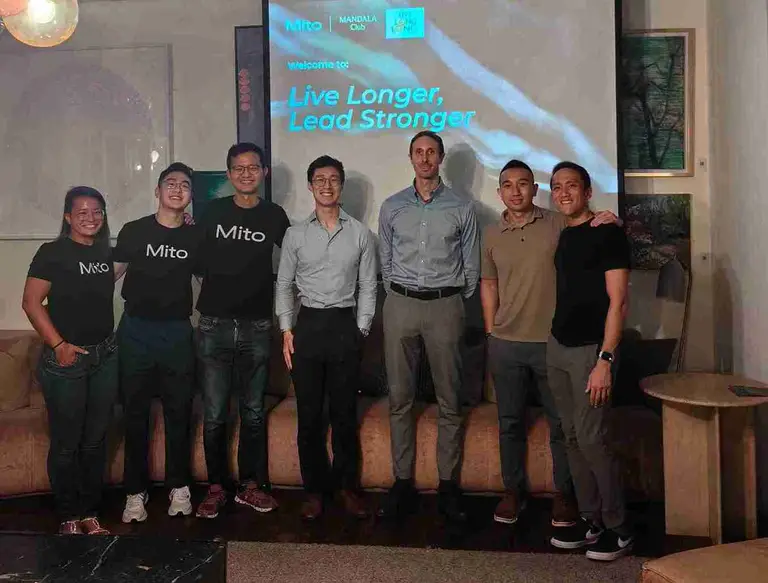
NAD+ is one lever for longevity. Focus on the fundamentals first, then add NAD+ boosting as part of a comprehensive strategy.
Medical Disclaimer
This article is for educational and informational purposes only and does not constitute medical advice. The information provided should not be used for diagnosing or treating a health condition. Always consult with your doctor or qualified healthcare provider before starting any new supplement protocol, making changes to your diet, or if you have questions about a medical condition.
Individual results may vary. The dosages and protocols discussed are evidence-based but should be personalized under medical supervision, especially if you have existing health conditions or take medications.
Track Your Progress
Related Content
-
How to Raise NAD+ Levels Naturally: 7 Evidence-Based Methods
-
How to Raise Glutathione Levels Naturally: 7 Evidence-Based Methods
References
[1] Yoshino J, et al. NAD+ Intermediates: The Biology and Therapeutic Potential of NMN and NR. Cell Metab. 2018;27(3):513-528. PMID: 29514064
[2] Martens CR, et al. Chronic nicotinamide riboside supplementation is well-tolerated and elevates NAD+ in healthy middle-aged and older adults. Nat Commun. 2018;9(1):1286. PMID: 29599478
[3] Mills KF, et al. Long-Term Administration of Nicotinamide Mononucleotide Mitigates Age-Associated Physiological Decline in Mice. Cell Metab. 2016;24(6):795-806. PMID: 28068222
[4] Dollerup OL, et al. A randomized placebo-controlled clinical trial of nicotinamide riboside in obese men: safety, insulin-sensitivity, and lipid-mobilizing effects. Am J Clin Nutr. 2018;108(2):343-353. PMID: 29992272
[5] Yoshino M, et al. Nicotinamide mononucleotide increases muscle insulin sensitivity in prediabetic women. Science. 2021;372(6547):1224-1229. PMID: 33888596
[6] Remie CME, et al. Nicotinamide riboside supplementation alters body composition and skeletal muscle acetylcarnitine concentrations in healthy obese humans. Am J Clin Nutr. 2020;112(2):413-426. PMID: 32320006
[7] Airhart SE, et al. An open-label, non-randomized study of the pharmacokinetics of the nutritional supplement nicotinamide riboside (NR) and its effects on blood NAD+ levels in healthy volunteers. PLoS One. 2017;12(12):e0186459. PMID: 29211728
[8] Bogan KL, Brenner C. Nicotinic acid, nicotinamide, and nicotinamide riboside: a molecular evaluation of NAD+ precursor vitamins in human nutrition. Annu Rev Nutr. 2008;28:115-130. PMID: 18429699
[9] Cantó C, et al. NAD+ Metabolism and the Control of Energy Homeostasis: A Balancing Act between Mitochondria and the Nucleus. Cell Metab. 2015;22(1):31-53. PMID: 26118927
[10] Rajman L, et al. Therapeutic Potential of NAD-Boosting Molecules: The In Vivo Evidence. Cell Metab. 2018;27(3):529-547. PMID: 29514063
Popular lab tests
Vitamin B3 (Niacin and Nicotinamide) Blood Test
View current details, availability, and member pricing.
Comprehensive Metabolic Panel (CMP)
A 14-marker snapshot of kidney function, liver function, electrolytes, and blood sugar in one draw.
Complete Blood Count (CBC) with Differential and Platelet Count Test
A broad screen of red cells, white cells, and platelets that anchors most checkups.
The standard cholesterol workup for cardiovascular risk, and the baseline for tracking diet, exercise, or statin response.