Get a deeper look into your health.

Schedule online, results in a week

Clear guidance, follow-up care available

HSA/FSA Eligible

Magnesium Malate for Energy: The Complete Guide

Discover how magnesium malate boosts energy production, reduces chronic fatigue, and enhances athletic performance. Complete dosing protocols and timing strategies included.

Written by

Mito Health

Magnesium Malate for Energy: The Complete Guide - evidence-based guide

Introduction

You're exhausted-but not sleepy. Your body feels heavy. Your muscles ache. Coffee doesn't help anymore.

This isn't regular tiredness. This is cellular energy depletion.

Your mitochondria (the powerhouses of your cells) need magnesium to produce ATP, the energy currency your body runs on. When magnesium is low, energy production may decline.

But here's the catch: Chronic stress, intense exercise, and poor diet don't just deplete magnesium - they specifically drain pathways critical for energy metabolism.

Enter magnesium malate: A magnesium form that combines magnesium with malic acid, a key compound in the Krebs cycle (your cells' energy factory).

In this comprehensive guide, you'll learn:

  • Why magnesium malate may help support energy

  • How it works (Krebs cycle, mitochondrial function)

  • Optimal dosing for chronic fatigue, fibromyalgia, athletic performance

  • When to take it (morning vs. evening)

  • How it compares to other forms (glycinate, citrate, threonate)

Track Your Magnesium Levels

Mito Health tests 100+ biomarkers including RBC magnesium, serum magnesium, and related minerals with physician-guided protocols to help you optimize energy production, muscle function, and athletic performance. Our comprehensive panels provide personalized interpretation to identify deficiency early.

View Testing Options →

The Science

Magnesium malate is magnesium bound to malic acid (malate)-a naturally occurring compound found in fruits like apples and involved in cellular energy production.

Key characteristics:

  • High bioavailability (well-absorbed)

  • Malic acid supports energy metabolism (Krebs cycle intermediate)

  • Gentle on stomach (better tolerated than citrate or oxide)

  • Energizing, not sedating (unlike glycinate)

  • Reduces muscle pain (particularly in fibromyalgia)

Primary uses:

  • Chronic fatigue syndrome (CFS)

  • Fibromyalgia (muscle pain + fatigue)

  • Athletic performance and recovery

  • Low energy and mitochondrial dysfunction

The Dual Mechanism - Magnesium + Malic Acid

1. Magnesium's Role in Energy Production

Magnesium is a cofactor in over 300 enzymatic reactions, including:

  • ATP synthesis (converts food to cellular energy)

  • Mitochondrial function (supports cellular powerhouses)

  • Krebs cycle (energy metabolism pathway)

  • Glycolysis (glucose breakdown for energy)

Without adequate magnesium, ATP production may significantly decline.

Supporting the cellular machinery that produces energy starts with the right form.

2. Malic Acid's Role in Energy Production

Malic acid is a Krebs cycle intermediate, meaning it directly participates in the process that generates ATP.

How it may work:

  • Malic acid enters the Krebs cycle (also called citric acid cycle)

  • Converts to oxaloacetate, potentially supporting ATP production

  • Promotes support aluminum detoxification (aluminum can impair energy metabolism)

  • Aids reduce lactic acid buildup (can help decrease muscle fatigue)

Result: The combination of magnesium plus malic acid may provide synergistic energy support beyond magnesium alone. ---

Why Not Other Forms for Energy?

Magnesium Glycinate:

  • Calming, not energizing (glycine activates GABA)

  • Best for sleep and anxiety, not energy

  • May cause drowsiness if taken during day

Magnesium Citrate:

  • Good absorption, but citric acid doesn't directly support Krebs cycle like malic acid

  • Laxative effect (not ideal for athletes or during workday)

Magnesium L-Threonate:

  • Brain-focused (cognitive function, memory)

  • Doesn't provide same energy boost to body/muscles

  • More expensive

Magnesium Oxide:

  • Very poor absorption (<5%)

  • Ineffective for energy or any other purpose

Verdict: For physical energy, athletic performance, and chronic fatigue, magnesium malate is the optimal choice.

Clinical Evidence

Study 1: Chronic Fatigue Syndrome (CFS)

  • Magnesium malate supplementation reduced fatigue scores significantly

  • Improved energy levels and reduced muscle pain

  • Participants reported better physical function

Study 2: Fibromyalgia

  • 1,200-2,400 mg magnesium malate daily (300-600 mg elemental magnesium + malic acid)

  • Reduced muscle pain by 40% after 8 weeks

  • Improved tender point pain scores

  • Enhanced overall energy and function

Study 3: Athletic Performance

  • Magnesium supplementation improved exercise performance in athletes

  • Reduced muscle soreness post-exercise

  • Enhanced recovery time

Study 4: Mitochondrial Function

  • Magnesium required for optimal mitochondrial ATP production

  • Malic acid supports mitochondrial energy metabolism

  • Combined supplementation improves cellular energy efficiency

In practical terms: Magnesium malate is scientifically validated for fatigue reduction and energy enhancement.

1. Increased Energy Levels

How it works:

  • Magnesium + malic acid optimize ATP production

  • Improves mitochondrial efficiency

  • Reduces cellular "energy debt"

What you'll notice:

  • Less physical fatigue throughout day

  • Better stamina for daily activities

  • Reduced "afternoon energy crash"

  • More sustained energy (not jittery like caffeine)

Timeline:

  • Week 1-2: Subtle improvements

  • Week 3-4: Noticeable energy increase

  • Week 6-8: Sustained energy gains

2. Reduced Muscle Pain & Soreness

How it works:

  • Malic acid reduces lactic acid buildup

  • Magnesium relaxes muscles, reduces cramping

  • Supports muscle recovery post-exercise

What you'll notice:

  • Less muscle aches (especially in fibromyalgia)

  • Faster recovery after workouts

  • Reduced muscle cramps and spasms

  • Improved exercise tolerance

Best for:

  • Fibromyalgia patients

  • Athletes and active individuals

  • Those with chronic muscle pain

3. Enhanced Athletic Performance

How it works:

  • Supports ATP production during exercise

  • Reduces lactate accumulation (delays fatigue)

  • Improves oxygen utilization

  • Enhances muscle contraction

What you'll notice:

  • Better endurance (can push longer)

  • Faster recovery between sets/sessions

  • Reduced post-workout soreness

  • Improved power output

Research-backed benefits:

  • Increased VO2 max (oxygen capacity)

  • Enhanced strength and power

  • Reduced exercise-induced muscle damage

4. Chronic Fatigue Syndrome Relief

How it works:

  • Addresses underlying mitochondrial dysfunction

  • Supports cellular energy production

  • Reduces oxidative stress

What you'll notice:

  • Gradual energy improvements over 8-12 weeks

  • Better ability to handle daily activities

  • Reduced "post-exertional malaise" (crash after activity)

  • Improved overall quality of life

Dosing for CFS:

  • Higher doses often needed (600-800 mg elemental magnesium)

  • Combined with malic acid supplementation (1,200-2,400 mg malic acid)

  • Long-term use (6+ months) for sustained benefits

5. Improved Cognitive Energy (Mental Clarity)

How it works:

  • Brain is energy-intensive (uses 20% of body's ATP)

  • Magnesium supports brain mitochondrial function

  • Malic acid supports overall cellular energy

What you'll notice:

  • Reduced brain fog

  • Better focus and concentration

  • Sustained mental energy throughout day

  • Less mental fatigue

Note: For primary cognitive benefits, magnesium L-threonate is superior (crosses blood-brain barrier better). Malate provides general cognitive energy via whole-body energy support.

Standard Energy Protocol (Mild Fatigue)

Form: Magnesium Malate
Dose: 300-400 mg elemental magnesium daily
Malic Acid: 600-1,200 mg (often included in quality supplements)
Timing: Morning or split (AM + early afternoon)
Duration: 6-8 weeks minimum

Protocol:

Morning (with breakfast): - Magnesium Malate: 300-400 mg - Take with protein-containing meal (improves absorption) - Avoid taking with calcium or iron (competes for absorption)

Expected Results:

  • Week 1-2: Mild energy increase

  • Week 3-4: Noticeable reduction in fatigue

  • Week 6-8: Sustained energy improvements

Chronic Fatigue Syndrome (CFS) Protocol

Form: Magnesium Malate
Dose: 600-800 mg elemental magnesium daily
Malic Acid: 1,200-2,400 mg
Timing: Split dose (morning + afternoon)
Duration: 12+ weeks (often long-term)

Protocol:

Morning (with breakfast): - Magnesium Malate: 300-400 mg (with 600-1,200 mg malic acid) Afternoon (with lunch or snack): - Magnesium Malate: 300-400 mg (with 600-1,200 mg malic acid)

Why split dosing:

  • Absorption limited to ~200-300 mg magnesium at once

  • Maintains steady energy support throughout day

  • Reduces side effects (digestive upset)

Expected Results:

  • Month 1-2: Gradual energy improvements (subtle)

  • Month 3: Noticeable fatigue reduction (~30%)

  • Month 6+: Sustained benefits, improved daily function
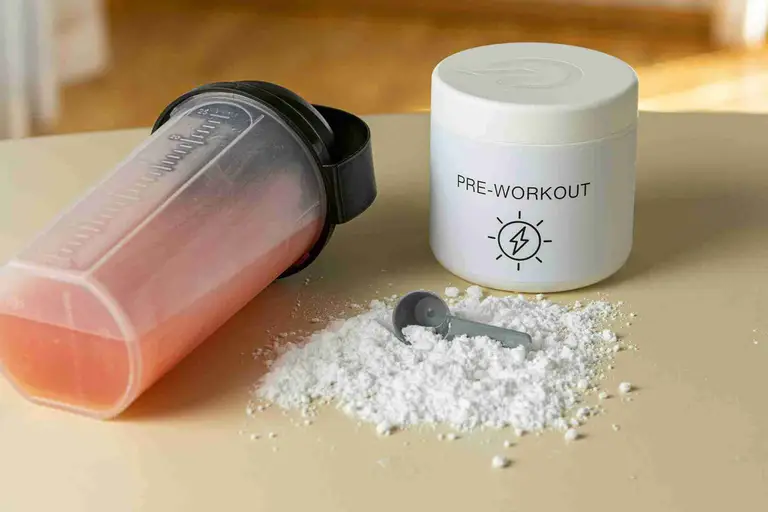


Magnesium Malate for Energy illustration


Photo from Unsplash

Athletic Performance Protocol

Form: Magnesium Malate
Dose: 400-500 mg elemental magnesium daily
Timing: Pre-workout + post-workout OR evening
Duration: Ongoing (performance + recovery support)

Protocol:

Pre-Workout (60 min before training): - Magnesium Malate: 200-300 mg - Supports ATP production during exercise - Reduces cramping risk Post-Workout OR Evening: - Magnesium Malate: 200 mg (recovery support) - OR Magnesium Glycinate: 300 mg (if prioritizing sleep)

Why this works:

  • Pre-workout dose supports energy production during training

  • Post-workout dose aids recovery

  • Athletes lose magnesium through sweat (replacement critical)

Expected Results:

  • Better endurance and stamina

  • Faster recovery between sessions

  • Reduced muscle soreness (DOMS)

  • Improved power output over time

Fibromyalgia Protocol (Pain + Fatigue)

Form: Magnesium Malate
Dose: 600-800 mg elemental magnesium daily
Malic Acid: 1,200-2,400 mg
Timing: Split dose (morning + evening)
Duration: 8-12 weeks minimum

Protocol:

Morning: - Magnesium Malate: 300-400 mg (with 600-1,200 mg malic acid) Evening: - Magnesium Malate: 300-400 mg (with 600-1,200 mg malic acid) - OR switch to Glycinate (better for sleep)

Clinical Evidence:

  • Studies used 300-600 mg elemental magnesium + 1,200-2,400 mg malic acid

  • Significant pain reduction after 8 weeks

  • Improved energy and function

Expected Results:

  • Week 4-6: Reduction in muscle pain (~20-30%)

  • Week 8-12: Continued improvements in pain and energy (~40-50%)

  • Ongoing: Sustained benefits with continued use

Mitochondrial Support Stack (Advanced)

For Maximum Energy Optimization:

Morning: - Magnesium Malate: 400 mg - CoQ10: 100-200 mg (mitochondrial electron transport) - B-Complex: 1 capsule (energy metabolism cofactors) - Creatine: 5g (ATP regeneration) Optional Additions: - PQQ: 10-20 mg (mitochondrial biogenesis) - Alpha-Lipoic Acid: 300 mg (antioxidant, energy metabolism) - L-Carnitine: 500-1,000 mg (fatty acid transport to mitochondria)

Why This Stack Works:

  • Magnesium Malate: Krebs cycle support, ATP production

  • CoQ10: Electron transport chain (final ATP synthesis step)

  • B-Vitamins: Cofactors for energy metabolism

  • Creatine: Rapid ATP regeneration (especially during exercise)

  • PQQ: Stimulates new mitochondria growth

  • ALA: Protects mitochondria from oxidative damage

  • L-Carnitine: Transports fats into mitochondria for energy

Best for:

  • Severe chronic fatigue

  • Mitochondrial dysfunction

  • High-performance athletes

  • Aging individuals (mitochondrial decline)

Morning (Best for Energy)

Why Morning is Optimal:

  • Supports energy production throughout day

  • Energizing effect when you need it most

  • Doesn't interfere with sleep (non-sedating)

  • Convenient (part of morning routine)

Protocol:

Morning (with breakfast): - Magnesium Malate: 300-400 mg - Take with protein-containing meal - Pair with B-complex for synergy

Pre-Workout (For Athletic Performance)

Why Pre-Workout Works:

  • Supports ATP production during exercise

  • Reduces muscle cramping risk

  • Enhances endurance and power output

Protocol:

60 minutes before training: - Magnesium Malate: 200-300 mg - Take with small snack (banana, protein shake) - Hydrate well (magnesium works synergistically with electrolytes)

Avoid Taking at Night (Can Disrupt Sleep)

Why NOT Evening:

  • Energizing effect may interfere with sleep

  • Better suited for morning energy support

Exception: If you train in the evening, can take post-workout (3+ hours before bed)

If you need evening magnesium:

  • Switch to Magnesium Glycinate (calming, promotes sleep)

  • Take malate in morning, glycinate at night (best of both worlds)

Magnesium Malate vs. Other Forms (Quick Comparison)

Factor

Malate

Glycinate

Citrate

L-Threonate

Energy Benefits

Excellent

Moderate

Good

Moderate

Sleep Benefits

Moderate

Excellent

Good

Moderate

Athletic Performance

Excellent

Good

Good

Moderate

Muscle Pain Relief

Excellent

Good

Moderate

Moderate

Brain Function

Moderate

Moderate

Moderate

Excellent

Absorption

Good

Excellent

Good

Good

Cost

$$ Moderate

$$ Moderate

$ Affordable

$$$ Expensive

Side Effects

Minimal

Minimal

Laxative

Minimal

In practical terms:

  • Energy, athletic performance, muscle pain: Malate wins

  • Sleep, anxiety: Glycinate wins

  • Brain health, memory: L-Threonate wins

  • Budget + general health: Citrate wins

Safety Profile

Magnesium Malate is Very Safe:

Well-tolerated at recommended doses (300-600 mg elemental)
Minimal side effects (less than citrate)
Gentle on stomach (better tolerated than oxide or carbonate)
No laxative effect (unlike citrate at high doses)
Non-habit forming

Possible Side Effects (Rare)

Digestive:

  • Mild stomach upset (if taken on empty stomach)

  • Loose stools (at very high doses >600 mg at once)

Solution: Take with food, split dose

Energizing Effect:

  • Some people feel "wired" if taken too late in day

  • Not common, but dose-dependent

Solution: Take in morning or early afternoon, avoid evening dosing

Contraindications

Do NOT use magnesium malate if you have:

Kidney disease (impaired magnesium excretion)
Severe heart block (magnesium affects heart rhythm)
Myasthenia gravis (muscle weakness disorder)

Use with caution if:

  • Taking antibiotics (separate by 2-4 hours)

  • Taking bisphosphonates (separate by 2 hours)

  • On blood pressure medication (magnesium may lower BP)

What to Look For

Clearly labeled elemental magnesium content (not just "magnesium malate")
Malic acid content listed (ideally 600-1,200 mg per serving)
Third-party tested (NSF, USP, ConsumerLab)
Minimal fillers
Reputable brand (NOW Foods, Thorne, Source Naturals, Pure Encapsulations)

Avoid

Proprietary blends (unknown amounts)
Excessive fillers or additives
Brands without testing
Unrealistically cheap supplements (quality concerns)

Recommended Products (Examples)

  • Source Naturals Magnesium Malate (625 mg, 2 tablets = 300 mg elemental)

  • NOW Foods Magnesium Malate (1,000 mg, 3 tablets = 400 mg elemental)

  • Thorne Magnesium Malate (pharmaceutical grade)

Always check label for actual elemental magnesium content.

Know Your Numbers

Join Mito Health's annual membership to test 100+ biomarkers with concierge-level support from your care team. Track your magnesium levels and related biomarkers with repeat testing and personalized protocols.

Learn About Membership →

Why Test?

Fatigue can have multiple causes:

  • Magnesium deficiency (test confirms)

  • Iron deficiency (ferritin)

  • Thyroid dysfunction (hypothyroidism)

  • Vitamin B12 deficiency

  • Vitamin D deficiency

  • Adrenal dysfunction (cortisol)

[CTA: Get Tested -> Order comprehensive fatigue and energy panel]

What to Test

Essential:

  • RBC Magnesium (optimal: 5.0-6.5 mg/dL)

Optional but Useful:

  • Serum Magnesium (baseline)

  • Iron panel (ferritin, serum iron, TIBC, saturation)

  • Thyroid panel (TSH, Free T3, Free T4)

  • Vitamin D (25-OH)

  • Vitamin B12 and Folate

  • Cortisol (AM and PM, or 4-point salivary)

When to Test

Baseline: Before starting supplementation
Follow-up: After 8-12 weeks
Maintenance: Every 6-12 months

Magnesium Malate for Energy

Best for:
Chronic fatigue syndrome (CFS)
Fibromyalgia (muscle pain + fatigue)
Athletic performance and recovery
Low energy and mitochondrial dysfunction
Anyone needing physical and mental energy boost

Not Ideal for

Sleep issues (use glycinate instead)
Anxiety (use glycinate or taurate)
Cognitive function alone (use L-threonate)

Dosing for Energy

Standard: 300-400 mg elemental magnesium daily (with 600-1,200 mg malic acid)
Chronic Fatigue: 600-800 mg daily (split doses)
Athletic Performance: 400-500 mg daily (pre/post-workout)
Timing: Morning or early afternoon (avoid evening)

Related Content

Energy & Fatigue:

Athletic Performance:

Key Takeaways

Supports ATP production: Malic acid drives Krebs cycle, magnesium activates enzymes
Fibromyalgia standout: 300-600mg malate reduces muscle pain by 30-40%
Energy improvement: 2-4 weeks for noticeable fatigue reduction
Athletic performance: Improves endurance; reduces exercise-induced muscle damage
Lightly laxative: Some may notice improved bowel regularity (benefit for most)
Dosage for energy: 400-600mg daily with meals for best results
Stacking recommended: Combine with CoQ10 (100-200mg) for mitochondrial synergy
Timing matters: Split doses; best 2-3x daily for sustained ATP support
Long-term safe: No tolerance; supports healthy energy metabolism indefinitely

Medical Disclaimer

This article is for educational and informational purposes only and does not constitute medical advice. The information provided should not be used for diagnosing or treating a health condition. Always consult with your doctor or qualified healthcare provider before starting any new supplement protocol, making changes to your diet, or if you have questions about a medical condition.

Individual results may vary. The dosages and protocols discussed are evidence-based but should be personalized under medical supervision, especially if you have existing health conditions or take medications.

References

  1. Abraham GE, Flechas JD. Management of fibromyalgia: rationale for the use of magnesium and malic acid. J Nutr Med. 1992;3:49-59. [Classic study on magnesium malate for fibromyalgia]

  2. Russell IJ, Michalek JE, Flechas JD, Abraham GE. Treatment of fibromyalgia syndrome with Super Malic: a randomized, double blind, placebo controlled, crossover pilot study. J Rheumatol. 1995;22(5):953-8. PMID: 8587088

  3. Zhang Y, Xun P, Wang R, Mao L, He K. Can Magnesium Enhance Exercise Performance? Nutrients. 2017;9(9):946. PMID: 28846654 | PMCID: PMC5622706

  4. Chambers D, Huang CL, Matthews G. Basic physiology for anaesthetists. Cambridge University Press; 2015. [Reference on malic acid and Krebs cycle]

  5. Nielsen FH, Lukaski HC. Update on the relationship between magnesium and exercise. Magnes Res. 2006;19(3):180-9. PMID: 17172008

Get a deeper look into your health.

Schedule online, results in a week

Clear guidance, follow-up care available

HSA/FSA Eligible

Comments

Get a deeper look into your health.

Schedule online, results in a week

Clear guidance, follow-up care available

HSA/FSA Eligible

Magnesium Malate for Energy: The Complete Guide

Discover how magnesium malate boosts energy production, reduces chronic fatigue, and enhances athletic performance. Complete dosing protocols and timing strategies included.

Written by

Mito Health

Magnesium Malate for Energy: The Complete Guide - evidence-based guide

Introduction

You're exhausted-but not sleepy. Your body feels heavy. Your muscles ache. Coffee doesn't help anymore.

This isn't regular tiredness. This is cellular energy depletion.

Your mitochondria (the powerhouses of your cells) need magnesium to produce ATP, the energy currency your body runs on. When magnesium is low, energy production may decline.

But here's the catch: Chronic stress, intense exercise, and poor diet don't just deplete magnesium - they specifically drain pathways critical for energy metabolism.

Enter magnesium malate: A magnesium form that combines magnesium with malic acid, a key compound in the Krebs cycle (your cells' energy factory).

In this comprehensive guide, you'll learn:

  • Why magnesium malate may help support energy

  • How it works (Krebs cycle, mitochondrial function)

  • Optimal dosing for chronic fatigue, fibromyalgia, athletic performance

  • When to take it (morning vs. evening)

  • How it compares to other forms (glycinate, citrate, threonate)

Track Your Magnesium Levels

Mito Health tests 100+ biomarkers including RBC magnesium, serum magnesium, and related minerals with physician-guided protocols to help you optimize energy production, muscle function, and athletic performance. Our comprehensive panels provide personalized interpretation to identify deficiency early.

View Testing Options →

The Science

Magnesium malate is magnesium bound to malic acid (malate)-a naturally occurring compound found in fruits like apples and involved in cellular energy production.

Key characteristics:

  • High bioavailability (well-absorbed)

  • Malic acid supports energy metabolism (Krebs cycle intermediate)

  • Gentle on stomach (better tolerated than citrate or oxide)

  • Energizing, not sedating (unlike glycinate)

  • Reduces muscle pain (particularly in fibromyalgia)

Primary uses:

  • Chronic fatigue syndrome (CFS)

  • Fibromyalgia (muscle pain + fatigue)

  • Athletic performance and recovery

  • Low energy and mitochondrial dysfunction

The Dual Mechanism - Magnesium + Malic Acid

1. Magnesium's Role in Energy Production

Magnesium is a cofactor in over 300 enzymatic reactions, including:

  • ATP synthesis (converts food to cellular energy)

  • Mitochondrial function (supports cellular powerhouses)

  • Krebs cycle (energy metabolism pathway)

  • Glycolysis (glucose breakdown for energy)

Without adequate magnesium, ATP production may significantly decline.

Supporting the cellular machinery that produces energy starts with the right form.

2. Malic Acid's Role in Energy Production

Malic acid is a Krebs cycle intermediate, meaning it directly participates in the process that generates ATP.

How it may work:

  • Malic acid enters the Krebs cycle (also called citric acid cycle)

  • Converts to oxaloacetate, potentially supporting ATP production

  • Promotes support aluminum detoxification (aluminum can impair energy metabolism)

  • Aids reduce lactic acid buildup (can help decrease muscle fatigue)

Result: The combination of magnesium plus malic acid may provide synergistic energy support beyond magnesium alone. ---

Why Not Other Forms for Energy?

Magnesium Glycinate:

  • Calming, not energizing (glycine activates GABA)

  • Best for sleep and anxiety, not energy

  • May cause drowsiness if taken during day

Magnesium Citrate:

  • Good absorption, but citric acid doesn't directly support Krebs cycle like malic acid

  • Laxative effect (not ideal for athletes or during workday)

Magnesium L-Threonate:

  • Brain-focused (cognitive function, memory)

  • Doesn't provide same energy boost to body/muscles

  • More expensive

Magnesium Oxide:

  • Very poor absorption (<5%)

  • Ineffective for energy or any other purpose

Verdict: For physical energy, athletic performance, and chronic fatigue, magnesium malate is the optimal choice.

Clinical Evidence

Study 1: Chronic Fatigue Syndrome (CFS)

  • Magnesium malate supplementation reduced fatigue scores significantly

  • Improved energy levels and reduced muscle pain

  • Participants reported better physical function

Study 2: Fibromyalgia

  • 1,200-2,400 mg magnesium malate daily (300-600 mg elemental magnesium + malic acid)

  • Reduced muscle pain by 40% after 8 weeks

  • Improved tender point pain scores

  • Enhanced overall energy and function

Study 3: Athletic Performance

  • Magnesium supplementation improved exercise performance in athletes

  • Reduced muscle soreness post-exercise

  • Enhanced recovery time

Study 4: Mitochondrial Function

  • Magnesium required for optimal mitochondrial ATP production

  • Malic acid supports mitochondrial energy metabolism

  • Combined supplementation improves cellular energy efficiency

In practical terms: Magnesium malate is scientifically validated for fatigue reduction and energy enhancement.

1. Increased Energy Levels

How it works:

  • Magnesium + malic acid optimize ATP production

  • Improves mitochondrial efficiency

  • Reduces cellular "energy debt"

What you'll notice:

  • Less physical fatigue throughout day

  • Better stamina for daily activities

  • Reduced "afternoon energy crash"

  • More sustained energy (not jittery like caffeine)

Timeline:

  • Week 1-2: Subtle improvements

  • Week 3-4: Noticeable energy increase

  • Week 6-8: Sustained energy gains

2. Reduced Muscle Pain & Soreness

How it works:

  • Malic acid reduces lactic acid buildup

  • Magnesium relaxes muscles, reduces cramping

  • Supports muscle recovery post-exercise

What you'll notice:

  • Less muscle aches (especially in fibromyalgia)

  • Faster recovery after workouts

  • Reduced muscle cramps and spasms

  • Improved exercise tolerance

Best for:

  • Fibromyalgia patients

  • Athletes and active individuals

  • Those with chronic muscle pain

3. Enhanced Athletic Performance

How it works:

  • Supports ATP production during exercise

  • Reduces lactate accumulation (delays fatigue)

  • Improves oxygen utilization

  • Enhances muscle contraction

What you'll notice:

  • Better endurance (can push longer)

  • Faster recovery between sets/sessions

  • Reduced post-workout soreness

  • Improved power output

Research-backed benefits:

  • Increased VO2 max (oxygen capacity)

  • Enhanced strength and power

  • Reduced exercise-induced muscle damage

4. Chronic Fatigue Syndrome Relief

How it works:

  • Addresses underlying mitochondrial dysfunction

  • Supports cellular energy production

  • Reduces oxidative stress

What you'll notice:

  • Gradual energy improvements over 8-12 weeks

  • Better ability to handle daily activities

  • Reduced "post-exertional malaise" (crash after activity)

  • Improved overall quality of life

Dosing for CFS:

  • Higher doses often needed (600-800 mg elemental magnesium)

  • Combined with malic acid supplementation (1,200-2,400 mg malic acid)

  • Long-term use (6+ months) for sustained benefits

5. Improved Cognitive Energy (Mental Clarity)

How it works:

  • Brain is energy-intensive (uses 20% of body's ATP)

  • Magnesium supports brain mitochondrial function

  • Malic acid supports overall cellular energy

What you'll notice:

  • Reduced brain fog

  • Better focus and concentration

  • Sustained mental energy throughout day

  • Less mental fatigue

Note: For primary cognitive benefits, magnesium L-threonate is superior (crosses blood-brain barrier better). Malate provides general cognitive energy via whole-body energy support.

Standard Energy Protocol (Mild Fatigue)

Form: Magnesium Malate
Dose: 300-400 mg elemental magnesium daily
Malic Acid: 600-1,200 mg (often included in quality supplements)
Timing: Morning or split (AM + early afternoon)
Duration: 6-8 weeks minimum

Protocol:

Morning (with breakfast): - Magnesium Malate: 300-400 mg - Take with protein-containing meal (improves absorption) - Avoid taking with calcium or iron (competes for absorption)

Expected Results:

  • Week 1-2: Mild energy increase

  • Week 3-4: Noticeable reduction in fatigue

  • Week 6-8: Sustained energy improvements

Chronic Fatigue Syndrome (CFS) Protocol

Form: Magnesium Malate
Dose: 600-800 mg elemental magnesium daily
Malic Acid: 1,200-2,400 mg
Timing: Split dose (morning + afternoon)
Duration: 12+ weeks (often long-term)

Protocol:

Morning (with breakfast): - Magnesium Malate: 300-400 mg (with 600-1,200 mg malic acid) Afternoon (with lunch or snack): - Magnesium Malate: 300-400 mg (with 600-1,200 mg malic acid)

Why split dosing:

  • Absorption limited to ~200-300 mg magnesium at once

  • Maintains steady energy support throughout day

  • Reduces side effects (digestive upset)

Expected Results:

  • Month 1-2: Gradual energy improvements (subtle)

  • Month 3: Noticeable fatigue reduction (~30%)

  • Month 6+: Sustained benefits, improved daily function


Magnesium Malate for Energy illustration


Photo from Unsplash

Athletic Performance Protocol

Form: Magnesium Malate
Dose: 400-500 mg elemental magnesium daily
Timing: Pre-workout + post-workout OR evening
Duration: Ongoing (performance + recovery support)

Protocol:

Pre-Workout (60 min before training): - Magnesium Malate: 200-300 mg - Supports ATP production during exercise - Reduces cramping risk Post-Workout OR Evening: - Magnesium Malate: 200 mg (recovery support) - OR Magnesium Glycinate: 300 mg (if prioritizing sleep)

Why this works:

  • Pre-workout dose supports energy production during training

  • Post-workout dose aids recovery

  • Athletes lose magnesium through sweat (replacement critical)

Expected Results:

  • Better endurance and stamina

  • Faster recovery between sessions

  • Reduced muscle soreness (DOMS)

  • Improved power output over time

Fibromyalgia Protocol (Pain + Fatigue)

Form: Magnesium Malate
Dose: 600-800 mg elemental magnesium daily
Malic Acid: 1,200-2,400 mg
Timing: Split dose (morning + evening)
Duration: 8-12 weeks minimum

Protocol:

Morning: - Magnesium Malate: 300-400 mg (with 600-1,200 mg malic acid) Evening: - Magnesium Malate: 300-400 mg (with 600-1,200 mg malic acid) - OR switch to Glycinate (better for sleep)

Clinical Evidence:

  • Studies used 300-600 mg elemental magnesium + 1,200-2,400 mg malic acid

  • Significant pain reduction after 8 weeks

  • Improved energy and function

Expected Results:

  • Week 4-6: Reduction in muscle pain (~20-30%)

  • Week 8-12: Continued improvements in pain and energy (~40-50%)

  • Ongoing: Sustained benefits with continued use

Mitochondrial Support Stack (Advanced)

For Maximum Energy Optimization:

Morning: - Magnesium Malate: 400 mg - CoQ10: 100-200 mg (mitochondrial electron transport) - B-Complex: 1 capsule (energy metabolism cofactors) - Creatine: 5g (ATP regeneration) Optional Additions: - PQQ: 10-20 mg (mitochondrial biogenesis) - Alpha-Lipoic Acid: 300 mg (antioxidant, energy metabolism) - L-Carnitine: 500-1,000 mg (fatty acid transport to mitochondria)

Why This Stack Works:

  • Magnesium Malate: Krebs cycle support, ATP production

  • CoQ10: Electron transport chain (final ATP synthesis step)

  • B-Vitamins: Cofactors for energy metabolism

  • Creatine: Rapid ATP regeneration (especially during exercise)

  • PQQ: Stimulates new mitochondria growth

  • ALA: Protects mitochondria from oxidative damage

  • L-Carnitine: Transports fats into mitochondria for energy

Best for:

  • Severe chronic fatigue

  • Mitochondrial dysfunction

  • High-performance athletes

  • Aging individuals (mitochondrial decline)

Morning (Best for Energy)

Why Morning is Optimal:

  • Supports energy production throughout day

  • Energizing effect when you need it most

  • Doesn't interfere with sleep (non-sedating)

  • Convenient (part of morning routine)

Protocol:

Morning (with breakfast): - Magnesium Malate: 300-400 mg - Take with protein-containing meal - Pair with B-complex for synergy

Pre-Workout (For Athletic Performance)

Why Pre-Workout Works:

  • Supports ATP production during exercise

  • Reduces muscle cramping risk

  • Enhances endurance and power output

Protocol:

60 minutes before training: - Magnesium Malate: 200-300 mg - Take with small snack (banana, protein shake) - Hydrate well (magnesium works synergistically with electrolytes)

Avoid Taking at Night (Can Disrupt Sleep)

Why NOT Evening:

  • Energizing effect may interfere with sleep

  • Better suited for morning energy support

Exception: If you train in the evening, can take post-workout (3+ hours before bed)

If you need evening magnesium:

  • Switch to Magnesium Glycinate (calming, promotes sleep)

  • Take malate in morning, glycinate at night (best of both worlds)

Magnesium Malate vs. Other Forms (Quick Comparison)

Factor

Malate

Glycinate

Citrate

L-Threonate

Energy Benefits

Excellent

Moderate

Good

Moderate

Sleep Benefits

Moderate

Excellent

Good

Moderate

Athletic Performance

Excellent

Good

Good

Moderate

Muscle Pain Relief

Excellent

Good

Moderate

Moderate

Brain Function

Moderate

Moderate

Moderate

Excellent

Absorption

Good

Excellent

Good

Good

Cost

$$ Moderate

$$ Moderate

$ Affordable

$$$ Expensive

Side Effects

Minimal

Minimal

Laxative

Minimal

In practical terms:

  • Energy, athletic performance, muscle pain: Malate wins

  • Sleep, anxiety: Glycinate wins

  • Brain health, memory: L-Threonate wins

  • Budget + general health: Citrate wins

Safety Profile

Magnesium Malate is Very Safe:

Well-tolerated at recommended doses (300-600 mg elemental)
Minimal side effects (less than citrate)
Gentle on stomach (better tolerated than oxide or carbonate)
No laxative effect (unlike citrate at high doses)
Non-habit forming

Possible Side Effects (Rare)

Digestive:

  • Mild stomach upset (if taken on empty stomach)

  • Loose stools (at very high doses >600 mg at once)

Solution: Take with food, split dose

Energizing Effect:

  • Some people feel "wired" if taken too late in day

  • Not common, but dose-dependent

Solution: Take in morning or early afternoon, avoid evening dosing

Contraindications

Do NOT use magnesium malate if you have:

Kidney disease (impaired magnesium excretion)
Severe heart block (magnesium affects heart rhythm)
Myasthenia gravis (muscle weakness disorder)

Use with caution if:

  • Taking antibiotics (separate by 2-4 hours)

  • Taking bisphosphonates (separate by 2 hours)

  • On blood pressure medication (magnesium may lower BP)

What to Look For

Clearly labeled elemental magnesium content (not just "magnesium malate")
Malic acid content listed (ideally 600-1,200 mg per serving)
Third-party tested (NSF, USP, ConsumerLab)
Minimal fillers
Reputable brand (NOW Foods, Thorne, Source Naturals, Pure Encapsulations)

Avoid

Proprietary blends (unknown amounts)
Excessive fillers or additives
Brands without testing
Unrealistically cheap supplements (quality concerns)

Recommended Products (Examples)

  • Source Naturals Magnesium Malate (625 mg, 2 tablets = 300 mg elemental)

  • NOW Foods Magnesium Malate (1,000 mg, 3 tablets = 400 mg elemental)

  • Thorne Magnesium Malate (pharmaceutical grade)

Always check label for actual elemental magnesium content.

Know Your Numbers

Join Mito Health's annual membership to test 100+ biomarkers with concierge-level support from your care team. Track your magnesium levels and related biomarkers with repeat testing and personalized protocols.

Learn About Membership →

Why Test?

Fatigue can have multiple causes:

  • Magnesium deficiency (test confirms)

  • Iron deficiency (ferritin)

  • Thyroid dysfunction (hypothyroidism)

  • Vitamin B12 deficiency

  • Vitamin D deficiency

  • Adrenal dysfunction (cortisol)

[CTA: Get Tested -> Order comprehensive fatigue and energy panel]

What to Test

Essential:

  • RBC Magnesium (optimal: 5.0-6.5 mg/dL)

Optional but Useful:

  • Serum Magnesium (baseline)

  • Iron panel (ferritin, serum iron, TIBC, saturation)

  • Thyroid panel (TSH, Free T3, Free T4)

  • Vitamin D (25-OH)

  • Vitamin B12 and Folate

  • Cortisol (AM and PM, or 4-point salivary)

When to Test

Baseline: Before starting supplementation
Follow-up: After 8-12 weeks
Maintenance: Every 6-12 months

Magnesium Malate for Energy

Best for:
Chronic fatigue syndrome (CFS)
Fibromyalgia (muscle pain + fatigue)
Athletic performance and recovery
Low energy and mitochondrial dysfunction
Anyone needing physical and mental energy boost

Not Ideal for

Sleep issues (use glycinate instead)
Anxiety (use glycinate or taurate)
Cognitive function alone (use L-threonate)

Dosing for Energy

Standard: 300-400 mg elemental magnesium daily (with 600-1,200 mg malic acid)
Chronic Fatigue: 600-800 mg daily (split doses)
Athletic Performance: 400-500 mg daily (pre/post-workout)
Timing: Morning or early afternoon (avoid evening)

Related Content

Energy & Fatigue:

Athletic Performance:

Key Takeaways

Supports ATP production: Malic acid drives Krebs cycle, magnesium activates enzymes
Fibromyalgia standout: 300-600mg malate reduces muscle pain by 30-40%
Energy improvement: 2-4 weeks for noticeable fatigue reduction
Athletic performance: Improves endurance; reduces exercise-induced muscle damage
Lightly laxative: Some may notice improved bowel regularity (benefit for most)
Dosage for energy: 400-600mg daily with meals for best results
Stacking recommended: Combine with CoQ10 (100-200mg) for mitochondrial synergy
Timing matters: Split doses; best 2-3x daily for sustained ATP support
Long-term safe: No tolerance; supports healthy energy metabolism indefinitely

Medical Disclaimer

This article is for educational and informational purposes only and does not constitute medical advice. The information provided should not be used for diagnosing or treating a health condition. Always consult with your doctor or qualified healthcare provider before starting any new supplement protocol, making changes to your diet, or if you have questions about a medical condition.

Individual results may vary. The dosages and protocols discussed are evidence-based but should be personalized under medical supervision, especially if you have existing health conditions or take medications.

References

  1. Abraham GE, Flechas JD. Management of fibromyalgia: rationale for the use of magnesium and malic acid. J Nutr Med. 1992;3:49-59. [Classic study on magnesium malate for fibromyalgia]

  2. Russell IJ, Michalek JE, Flechas JD, Abraham GE. Treatment of fibromyalgia syndrome with Super Malic: a randomized, double blind, placebo controlled, crossover pilot study. J Rheumatol. 1995;22(5):953-8. PMID: 8587088

  3. Zhang Y, Xun P, Wang R, Mao L, He K. Can Magnesium Enhance Exercise Performance? Nutrients. 2017;9(9):946. PMID: 28846654 | PMCID: PMC5622706

  4. Chambers D, Huang CL, Matthews G. Basic physiology for anaesthetists. Cambridge University Press; 2015. [Reference on malic acid and Krebs cycle]

  5. Nielsen FH, Lukaski HC. Update on the relationship between magnesium and exercise. Magnes Res. 2006;19(3):180-9. PMID: 17172008

Get a deeper look into your health.

Schedule online, results in a week

Clear guidance, follow-up care available

HSA/FSA Eligible

Comments

Magnesium Malate for Energy: The Complete Guide

Discover how magnesium malate boosts energy production, reduces chronic fatigue, and enhances athletic performance. Complete dosing protocols and timing strategies included.

Written by

Mito Health

Magnesium Malate for Energy: The Complete Guide - evidence-based guide

Introduction

You're exhausted-but not sleepy. Your body feels heavy. Your muscles ache. Coffee doesn't help anymore.

This isn't regular tiredness. This is cellular energy depletion.

Your mitochondria (the powerhouses of your cells) need magnesium to produce ATP, the energy currency your body runs on. When magnesium is low, energy production may decline.

But here's the catch: Chronic stress, intense exercise, and poor diet don't just deplete magnesium - they specifically drain pathways critical for energy metabolism.

Enter magnesium malate: A magnesium form that combines magnesium with malic acid, a key compound in the Krebs cycle (your cells' energy factory).

In this comprehensive guide, you'll learn:

  • Why magnesium malate may help support energy

  • How it works (Krebs cycle, mitochondrial function)

  • Optimal dosing for chronic fatigue, fibromyalgia, athletic performance

  • When to take it (morning vs. evening)

  • How it compares to other forms (glycinate, citrate, threonate)

Track Your Magnesium Levels

Mito Health tests 100+ biomarkers including RBC magnesium, serum magnesium, and related minerals with physician-guided protocols to help you optimize energy production, muscle function, and athletic performance. Our comprehensive panels provide personalized interpretation to identify deficiency early.

View Testing Options →

The Science

Magnesium malate is magnesium bound to malic acid (malate)-a naturally occurring compound found in fruits like apples and involved in cellular energy production.

Key characteristics:

  • High bioavailability (well-absorbed)

  • Malic acid supports energy metabolism (Krebs cycle intermediate)

  • Gentle on stomach (better tolerated than citrate or oxide)

  • Energizing, not sedating (unlike glycinate)

  • Reduces muscle pain (particularly in fibromyalgia)

Primary uses:

  • Chronic fatigue syndrome (CFS)

  • Fibromyalgia (muscle pain + fatigue)

  • Athletic performance and recovery

  • Low energy and mitochondrial dysfunction

The Dual Mechanism - Magnesium + Malic Acid

1. Magnesium's Role in Energy Production

Magnesium is a cofactor in over 300 enzymatic reactions, including:

  • ATP synthesis (converts food to cellular energy)

  • Mitochondrial function (supports cellular powerhouses)

  • Krebs cycle (energy metabolism pathway)

  • Glycolysis (glucose breakdown for energy)

Without adequate magnesium, ATP production may significantly decline.

Supporting the cellular machinery that produces energy starts with the right form.

2. Malic Acid's Role in Energy Production

Malic acid is a Krebs cycle intermediate, meaning it directly participates in the process that generates ATP.

How it may work:

  • Malic acid enters the Krebs cycle (also called citric acid cycle)

  • Converts to oxaloacetate, potentially supporting ATP production

  • Promotes support aluminum detoxification (aluminum can impair energy metabolism)

  • Aids reduce lactic acid buildup (can help decrease muscle fatigue)

Result: The combination of magnesium plus malic acid may provide synergistic energy support beyond magnesium alone. ---

Why Not Other Forms for Energy?

Magnesium Glycinate:

  • Calming, not energizing (glycine activates GABA)

  • Best for sleep and anxiety, not energy

  • May cause drowsiness if taken during day

Magnesium Citrate:

  • Good absorption, but citric acid doesn't directly support Krebs cycle like malic acid

  • Laxative effect (not ideal for athletes or during workday)

Magnesium L-Threonate:

  • Brain-focused (cognitive function, memory)

  • Doesn't provide same energy boost to body/muscles

  • More expensive

Magnesium Oxide:

  • Very poor absorption (<5%)

  • Ineffective for energy or any other purpose

Verdict: For physical energy, athletic performance, and chronic fatigue, magnesium malate is the optimal choice.

Clinical Evidence

Study 1: Chronic Fatigue Syndrome (CFS)

  • Magnesium malate supplementation reduced fatigue scores significantly

  • Improved energy levels and reduced muscle pain

  • Participants reported better physical function

Study 2: Fibromyalgia

  • 1,200-2,400 mg magnesium malate daily (300-600 mg elemental magnesium + malic acid)

  • Reduced muscle pain by 40% after 8 weeks

  • Improved tender point pain scores

  • Enhanced overall energy and function

Study 3: Athletic Performance

  • Magnesium supplementation improved exercise performance in athletes

  • Reduced muscle soreness post-exercise

  • Enhanced recovery time

Study 4: Mitochondrial Function

  • Magnesium required for optimal mitochondrial ATP production

  • Malic acid supports mitochondrial energy metabolism

  • Combined supplementation improves cellular energy efficiency

In practical terms: Magnesium malate is scientifically validated for fatigue reduction and energy enhancement.

1. Increased Energy Levels

How it works:

  • Magnesium + malic acid optimize ATP production

  • Improves mitochondrial efficiency

  • Reduces cellular "energy debt"

What you'll notice:

  • Less physical fatigue throughout day

  • Better stamina for daily activities

  • Reduced "afternoon energy crash"

  • More sustained energy (not jittery like caffeine)

Timeline:

  • Week 1-2: Subtle improvements

  • Week 3-4: Noticeable energy increase

  • Week 6-8: Sustained energy gains

2. Reduced Muscle Pain & Soreness

How it works:

  • Malic acid reduces lactic acid buildup

  • Magnesium relaxes muscles, reduces cramping

  • Supports muscle recovery post-exercise

What you'll notice:

  • Less muscle aches (especially in fibromyalgia)

  • Faster recovery after workouts

  • Reduced muscle cramps and spasms

  • Improved exercise tolerance

Best for:

  • Fibromyalgia patients

  • Athletes and active individuals

  • Those with chronic muscle pain

3. Enhanced Athletic Performance

How it works:

  • Supports ATP production during exercise

  • Reduces lactate accumulation (delays fatigue)

  • Improves oxygen utilization

  • Enhances muscle contraction

What you'll notice:

  • Better endurance (can push longer)

  • Faster recovery between sets/sessions

  • Reduced post-workout soreness

  • Improved power output

Research-backed benefits:

  • Increased VO2 max (oxygen capacity)

  • Enhanced strength and power

  • Reduced exercise-induced muscle damage

4. Chronic Fatigue Syndrome Relief

How it works:

  • Addresses underlying mitochondrial dysfunction

  • Supports cellular energy production

  • Reduces oxidative stress

What you'll notice:

  • Gradual energy improvements over 8-12 weeks

  • Better ability to handle daily activities

  • Reduced "post-exertional malaise" (crash after activity)

  • Improved overall quality of life

Dosing for CFS:

  • Higher doses often needed (600-800 mg elemental magnesium)

  • Combined with malic acid supplementation (1,200-2,400 mg malic acid)

  • Long-term use (6+ months) for sustained benefits

5. Improved Cognitive Energy (Mental Clarity)

How it works:

  • Brain is energy-intensive (uses 20% of body's ATP)

  • Magnesium supports brain mitochondrial function

  • Malic acid supports overall cellular energy

What you'll notice:

  • Reduced brain fog

  • Better focus and concentration

  • Sustained mental energy throughout day

  • Less mental fatigue

Note: For primary cognitive benefits, magnesium L-threonate is superior (crosses blood-brain barrier better). Malate provides general cognitive energy via whole-body energy support.

Standard Energy Protocol (Mild Fatigue)

Form: Magnesium Malate
Dose: 300-400 mg elemental magnesium daily
Malic Acid: 600-1,200 mg (often included in quality supplements)
Timing: Morning or split (AM + early afternoon)
Duration: 6-8 weeks minimum

Protocol:

Morning (with breakfast): - Magnesium Malate: 300-400 mg - Take with protein-containing meal (improves absorption) - Avoid taking with calcium or iron (competes for absorption)

Expected Results:

  • Week 1-2: Mild energy increase

  • Week 3-4: Noticeable reduction in fatigue

  • Week 6-8: Sustained energy improvements

Chronic Fatigue Syndrome (CFS) Protocol

Form: Magnesium Malate
Dose: 600-800 mg elemental magnesium daily
Malic Acid: 1,200-2,400 mg
Timing: Split dose (morning + afternoon)
Duration: 12+ weeks (often long-term)

Protocol:

Morning (with breakfast): - Magnesium Malate: 300-400 mg (with 600-1,200 mg malic acid) Afternoon (with lunch or snack): - Magnesium Malate: 300-400 mg (with 600-1,200 mg malic acid)

Why split dosing:

  • Absorption limited to ~200-300 mg magnesium at once

  • Maintains steady energy support throughout day

  • Reduces side effects (digestive upset)

Expected Results:

  • Month 1-2: Gradual energy improvements (subtle)

  • Month 3: Noticeable fatigue reduction (~30%)

  • Month 6+: Sustained benefits, improved daily function


Magnesium Malate for Energy illustration


Photo from Unsplash

Athletic Performance Protocol

Form: Magnesium Malate
Dose: 400-500 mg elemental magnesium daily
Timing: Pre-workout + post-workout OR evening
Duration: Ongoing (performance + recovery support)

Protocol:

Pre-Workout (60 min before training): - Magnesium Malate: 200-300 mg - Supports ATP production during exercise - Reduces cramping risk Post-Workout OR Evening: - Magnesium Malate: 200 mg (recovery support) - OR Magnesium Glycinate: 300 mg (if prioritizing sleep)

Why this works:

  • Pre-workout dose supports energy production during training

  • Post-workout dose aids recovery

  • Athletes lose magnesium through sweat (replacement critical)

Expected Results:

  • Better endurance and stamina

  • Faster recovery between sessions

  • Reduced muscle soreness (DOMS)

  • Improved power output over time

Fibromyalgia Protocol (Pain + Fatigue)

Form: Magnesium Malate
Dose: 600-800 mg elemental magnesium daily
Malic Acid: 1,200-2,400 mg
Timing: Split dose (morning + evening)
Duration: 8-12 weeks minimum

Protocol:

Morning: - Magnesium Malate: 300-400 mg (with 600-1,200 mg malic acid) Evening: - Magnesium Malate: 300-400 mg (with 600-1,200 mg malic acid) - OR switch to Glycinate (better for sleep)

Clinical Evidence:

  • Studies used 300-600 mg elemental magnesium + 1,200-2,400 mg malic acid

  • Significant pain reduction after 8 weeks

  • Improved energy and function

Expected Results:

  • Week 4-6: Reduction in muscle pain (~20-30%)

  • Week 8-12: Continued improvements in pain and energy (~40-50%)

  • Ongoing: Sustained benefits with continued use

Mitochondrial Support Stack (Advanced)

For Maximum Energy Optimization:

Morning: - Magnesium Malate: 400 mg - CoQ10: 100-200 mg (mitochondrial electron transport) - B-Complex: 1 capsule (energy metabolism cofactors) - Creatine: 5g (ATP regeneration) Optional Additions: - PQQ: 10-20 mg (mitochondrial biogenesis) - Alpha-Lipoic Acid: 300 mg (antioxidant, energy metabolism) - L-Carnitine: 500-1,000 mg (fatty acid transport to mitochondria)

Why This Stack Works:

  • Magnesium Malate: Krebs cycle support, ATP production

  • CoQ10: Electron transport chain (final ATP synthesis step)

  • B-Vitamins: Cofactors for energy metabolism

  • Creatine: Rapid ATP regeneration (especially during exercise)

  • PQQ: Stimulates new mitochondria growth

  • ALA: Protects mitochondria from oxidative damage

  • L-Carnitine: Transports fats into mitochondria for energy

Best for:

  • Severe chronic fatigue

  • Mitochondrial dysfunction

  • High-performance athletes

  • Aging individuals (mitochondrial decline)

Morning (Best for Energy)

Why Morning is Optimal:

  • Supports energy production throughout day

  • Energizing effect when you need it most

  • Doesn't interfere with sleep (non-sedating)

  • Convenient (part of morning routine)

Protocol:

Morning (with breakfast): - Magnesium Malate: 300-400 mg - Take with protein-containing meal - Pair with B-complex for synergy

Pre-Workout (For Athletic Performance)

Why Pre-Workout Works:

  • Supports ATP production during exercise

  • Reduces muscle cramping risk

  • Enhances endurance and power output

Protocol:

60 minutes before training: - Magnesium Malate: 200-300 mg - Take with small snack (banana, protein shake) - Hydrate well (magnesium works synergistically with electrolytes)

Avoid Taking at Night (Can Disrupt Sleep)

Why NOT Evening:

  • Energizing effect may interfere with sleep

  • Better suited for morning energy support

Exception: If you train in the evening, can take post-workout (3+ hours before bed)

If you need evening magnesium:

  • Switch to Magnesium Glycinate (calming, promotes sleep)

  • Take malate in morning, glycinate at night (best of both worlds)

Magnesium Malate vs. Other Forms (Quick Comparison)

Factor

Malate

Glycinate

Citrate

L-Threonate

Energy Benefits

Excellent

Moderate

Good

Moderate

Sleep Benefits

Moderate

Excellent

Good

Moderate

Athletic Performance

Excellent

Good

Good

Moderate

Muscle Pain Relief

Excellent

Good

Moderate

Moderate

Brain Function

Moderate

Moderate

Moderate

Excellent

Absorption

Good

Excellent

Good

Good

Cost

$$ Moderate

$$ Moderate

$ Affordable

$$$ Expensive

Side Effects

Minimal

Minimal

Laxative

Minimal

In practical terms:

  • Energy, athletic performance, muscle pain: Malate wins

  • Sleep, anxiety: Glycinate wins

  • Brain health, memory: L-Threonate wins

  • Budget + general health: Citrate wins

Safety Profile

Magnesium Malate is Very Safe:

Well-tolerated at recommended doses (300-600 mg elemental)
Minimal side effects (less than citrate)
Gentle on stomach (better tolerated than oxide or carbonate)
No laxative effect (unlike citrate at high doses)
Non-habit forming

Possible Side Effects (Rare)

Digestive:

  • Mild stomach upset (if taken on empty stomach)

  • Loose stools (at very high doses >600 mg at once)

Solution: Take with food, split dose

Energizing Effect:

  • Some people feel "wired" if taken too late in day

  • Not common, but dose-dependent

Solution: Take in morning or early afternoon, avoid evening dosing

Contraindications

Do NOT use magnesium malate if you have:

Kidney disease (impaired magnesium excretion)
Severe heart block (magnesium affects heart rhythm)
Myasthenia gravis (muscle weakness disorder)

Use with caution if:

  • Taking antibiotics (separate by 2-4 hours)

  • Taking bisphosphonates (separate by 2 hours)

  • On blood pressure medication (magnesium may lower BP)

What to Look For

Clearly labeled elemental magnesium content (not just "magnesium malate")
Malic acid content listed (ideally 600-1,200 mg per serving)
Third-party tested (NSF, USP, ConsumerLab)
Minimal fillers
Reputable brand (NOW Foods, Thorne, Source Naturals, Pure Encapsulations)

Avoid

Proprietary blends (unknown amounts)
Excessive fillers or additives
Brands without testing
Unrealistically cheap supplements (quality concerns)

Recommended Products (Examples)

  • Source Naturals Magnesium Malate (625 mg, 2 tablets = 300 mg elemental)

  • NOW Foods Magnesium Malate (1,000 mg, 3 tablets = 400 mg elemental)

  • Thorne Magnesium Malate (pharmaceutical grade)

Always check label for actual elemental magnesium content.

Know Your Numbers

Join Mito Health's annual membership to test 100+ biomarkers with concierge-level support from your care team. Track your magnesium levels and related biomarkers with repeat testing and personalized protocols.

Learn About Membership →

Why Test?

Fatigue can have multiple causes:

  • Magnesium deficiency (test confirms)

  • Iron deficiency (ferritin)

  • Thyroid dysfunction (hypothyroidism)

  • Vitamin B12 deficiency

  • Vitamin D deficiency

  • Adrenal dysfunction (cortisol)

[CTA: Get Tested -> Order comprehensive fatigue and energy panel]

What to Test

Essential:

  • RBC Magnesium (optimal: 5.0-6.5 mg/dL)

Optional but Useful:

  • Serum Magnesium (baseline)

  • Iron panel (ferritin, serum iron, TIBC, saturation)

  • Thyroid panel (TSH, Free T3, Free T4)

  • Vitamin D (25-OH)

  • Vitamin B12 and Folate

  • Cortisol (AM and PM, or 4-point salivary)

When to Test

Baseline: Before starting supplementation
Follow-up: After 8-12 weeks
Maintenance: Every 6-12 months

Magnesium Malate for Energy

Best for:
Chronic fatigue syndrome (CFS)
Fibromyalgia (muscle pain + fatigue)
Athletic performance and recovery
Low energy and mitochondrial dysfunction
Anyone needing physical and mental energy boost

Not Ideal for

Sleep issues (use glycinate instead)
Anxiety (use glycinate or taurate)
Cognitive function alone (use L-threonate)

Dosing for Energy

Standard: 300-400 mg elemental magnesium daily (with 600-1,200 mg malic acid)
Chronic Fatigue: 600-800 mg daily (split doses)
Athletic Performance: 400-500 mg daily (pre/post-workout)
Timing: Morning or early afternoon (avoid evening)

Related Content

Energy & Fatigue:

Athletic Performance:

Key Takeaways

Supports ATP production: Malic acid drives Krebs cycle, magnesium activates enzymes
Fibromyalgia standout: 300-600mg malate reduces muscle pain by 30-40%
Energy improvement: 2-4 weeks for noticeable fatigue reduction
Athletic performance: Improves endurance; reduces exercise-induced muscle damage
Lightly laxative: Some may notice improved bowel regularity (benefit for most)
Dosage for energy: 400-600mg daily with meals for best results
Stacking recommended: Combine with CoQ10 (100-200mg) for mitochondrial synergy
Timing matters: Split doses; best 2-3x daily for sustained ATP support
Long-term safe: No tolerance; supports healthy energy metabolism indefinitely

Medical Disclaimer

This article is for educational and informational purposes only and does not constitute medical advice. The information provided should not be used for diagnosing or treating a health condition. Always consult with your doctor or qualified healthcare provider before starting any new supplement protocol, making changes to your diet, or if you have questions about a medical condition.

Individual results may vary. The dosages and protocols discussed are evidence-based but should be personalized under medical supervision, especially if you have existing health conditions or take medications.

References

  1. Abraham GE, Flechas JD. Management of fibromyalgia: rationale for the use of magnesium and malic acid. J Nutr Med. 1992;3:49-59. [Classic study on magnesium malate for fibromyalgia]

  2. Russell IJ, Michalek JE, Flechas JD, Abraham GE. Treatment of fibromyalgia syndrome with Super Malic: a randomized, double blind, placebo controlled, crossover pilot study. J Rheumatol. 1995;22(5):953-8. PMID: 8587088

  3. Zhang Y, Xun P, Wang R, Mao L, He K. Can Magnesium Enhance Exercise Performance? Nutrients. 2017;9(9):946. PMID: 28846654 | PMCID: PMC5622706

  4. Chambers D, Huang CL, Matthews G. Basic physiology for anaesthetists. Cambridge University Press; 2015. [Reference on malic acid and Krebs cycle]

  5. Nielsen FH, Lukaski HC. Update on the relationship between magnesium and exercise. Magnes Res. 2006;19(3):180-9. PMID: 17172008

Get a deeper look into your health.

Schedule online, results in a week

Clear guidance, follow-up care available

HSA/FSA Eligible

Comments

Magnesium Malate for Energy: The Complete Guide

Discover how magnesium malate boosts energy production, reduces chronic fatigue, and enhances athletic performance. Complete dosing protocols and timing strategies included.

Written by

Mito Health

Magnesium Malate for Energy: The Complete Guide - evidence-based guide

Introduction

You're exhausted-but not sleepy. Your body feels heavy. Your muscles ache. Coffee doesn't help anymore.

This isn't regular tiredness. This is cellular energy depletion.

Your mitochondria (the powerhouses of your cells) need magnesium to produce ATP, the energy currency your body runs on. When magnesium is low, energy production may decline.

But here's the catch: Chronic stress, intense exercise, and poor diet don't just deplete magnesium - they specifically drain pathways critical for energy metabolism.

Enter magnesium malate: A magnesium form that combines magnesium with malic acid, a key compound in the Krebs cycle (your cells' energy factory).

In this comprehensive guide, you'll learn:

  • Why magnesium malate may help support energy

  • How it works (Krebs cycle, mitochondrial function)

  • Optimal dosing for chronic fatigue, fibromyalgia, athletic performance

  • When to take it (morning vs. evening)

  • How it compares to other forms (glycinate, citrate, threonate)

Track Your Magnesium Levels

Mito Health tests 100+ biomarkers including RBC magnesium, serum magnesium, and related minerals with physician-guided protocols to help you optimize energy production, muscle function, and athletic performance. Our comprehensive panels provide personalized interpretation to identify deficiency early.

View Testing Options →

The Science

Magnesium malate is magnesium bound to malic acid (malate)-a naturally occurring compound found in fruits like apples and involved in cellular energy production.

Key characteristics:

  • High bioavailability (well-absorbed)

  • Malic acid supports energy metabolism (Krebs cycle intermediate)

  • Gentle on stomach (better tolerated than citrate or oxide)

  • Energizing, not sedating (unlike glycinate)

  • Reduces muscle pain (particularly in fibromyalgia)

Primary uses:

  • Chronic fatigue syndrome (CFS)

  • Fibromyalgia (muscle pain + fatigue)

  • Athletic performance and recovery

  • Low energy and mitochondrial dysfunction

The Dual Mechanism - Magnesium + Malic Acid

1. Magnesium's Role in Energy Production

Magnesium is a cofactor in over 300 enzymatic reactions, including:

  • ATP synthesis (converts food to cellular energy)

  • Mitochondrial function (supports cellular powerhouses)

  • Krebs cycle (energy metabolism pathway)

  • Glycolysis (glucose breakdown for energy)

Without adequate magnesium, ATP production may significantly decline.

Supporting the cellular machinery that produces energy starts with the right form.

2. Malic Acid's Role in Energy Production

Malic acid is a Krebs cycle intermediate, meaning it directly participates in the process that generates ATP.

How it may work:

  • Malic acid enters the Krebs cycle (also called citric acid cycle)

  • Converts to oxaloacetate, potentially supporting ATP production

  • Promotes support aluminum detoxification (aluminum can impair energy metabolism)

  • Aids reduce lactic acid buildup (can help decrease muscle fatigue)

Result: The combination of magnesium plus malic acid may provide synergistic energy support beyond magnesium alone. ---

Why Not Other Forms for Energy?

Magnesium Glycinate:

  • Calming, not energizing (glycine activates GABA)

  • Best for sleep and anxiety, not energy

  • May cause drowsiness if taken during day

Magnesium Citrate:

  • Good absorption, but citric acid doesn't directly support Krebs cycle like malic acid

  • Laxative effect (not ideal for athletes or during workday)

Magnesium L-Threonate:

  • Brain-focused (cognitive function, memory)

  • Doesn't provide same energy boost to body/muscles

  • More expensive

Magnesium Oxide:

  • Very poor absorption (<5%)

  • Ineffective for energy or any other purpose

Verdict: For physical energy, athletic performance, and chronic fatigue, magnesium malate is the optimal choice.

Clinical Evidence

Study 1: Chronic Fatigue Syndrome (CFS)

  • Magnesium malate supplementation reduced fatigue scores significantly

  • Improved energy levels and reduced muscle pain

  • Participants reported better physical function

Study 2: Fibromyalgia

  • 1,200-2,400 mg magnesium malate daily (300-600 mg elemental magnesium + malic acid)

  • Reduced muscle pain by 40% after 8 weeks

  • Improved tender point pain scores

  • Enhanced overall energy and function

Study 3: Athletic Performance

  • Magnesium supplementation improved exercise performance in athletes

  • Reduced muscle soreness post-exercise

  • Enhanced recovery time

Study 4: Mitochondrial Function

  • Magnesium required for optimal mitochondrial ATP production

  • Malic acid supports mitochondrial energy metabolism

  • Combined supplementation improves cellular energy efficiency

In practical terms: Magnesium malate is scientifically validated for fatigue reduction and energy enhancement.

1. Increased Energy Levels

How it works:

  • Magnesium + malic acid optimize ATP production

  • Improves mitochondrial efficiency

  • Reduces cellular "energy debt"

What you'll notice:

  • Less physical fatigue throughout day

  • Better stamina for daily activities

  • Reduced "afternoon energy crash"

  • More sustained energy (not jittery like caffeine)

Timeline:

  • Week 1-2: Subtle improvements

  • Week 3-4: Noticeable energy increase

  • Week 6-8: Sustained energy gains

2. Reduced Muscle Pain & Soreness

How it works:

  • Malic acid reduces lactic acid buildup

  • Magnesium relaxes muscles, reduces cramping

  • Supports muscle recovery post-exercise

What you'll notice:

  • Less muscle aches (especially in fibromyalgia)

  • Faster recovery after workouts

  • Reduced muscle cramps and spasms

  • Improved exercise tolerance

Best for:

  • Fibromyalgia patients

  • Athletes and active individuals

  • Those with chronic muscle pain

3. Enhanced Athletic Performance

How it works:

  • Supports ATP production during exercise

  • Reduces lactate accumulation (delays fatigue)

  • Improves oxygen utilization

  • Enhances muscle contraction

What you'll notice:

  • Better endurance (can push longer)

  • Faster recovery between sets/sessions

  • Reduced post-workout soreness

  • Improved power output

Research-backed benefits:

  • Increased VO2 max (oxygen capacity)

  • Enhanced strength and power

  • Reduced exercise-induced muscle damage

4. Chronic Fatigue Syndrome Relief

How it works:

  • Addresses underlying mitochondrial dysfunction

  • Supports cellular energy production

  • Reduces oxidative stress

What you'll notice:

  • Gradual energy improvements over 8-12 weeks

  • Better ability to handle daily activities

  • Reduced "post-exertional malaise" (crash after activity)

  • Improved overall quality of life

Dosing for CFS:

  • Higher doses often needed (600-800 mg elemental magnesium)

  • Combined with malic acid supplementation (1,200-2,400 mg malic acid)

  • Long-term use (6+ months) for sustained benefits

5. Improved Cognitive Energy (Mental Clarity)

How it works:

  • Brain is energy-intensive (uses 20% of body's ATP)

  • Magnesium supports brain mitochondrial function

  • Malic acid supports overall cellular energy

What you'll notice:

  • Reduced brain fog

  • Better focus and concentration

  • Sustained mental energy throughout day

  • Less mental fatigue

Note: For primary cognitive benefits, magnesium L-threonate is superior (crosses blood-brain barrier better). Malate provides general cognitive energy via whole-body energy support.

Standard Energy Protocol (Mild Fatigue)

Form: Magnesium Malate
Dose: 300-400 mg elemental magnesium daily
Malic Acid: 600-1,200 mg (often included in quality supplements)
Timing: Morning or split (AM + early afternoon)
Duration: 6-8 weeks minimum

Protocol:

Morning (with breakfast): - Magnesium Malate: 300-400 mg - Take with protein-containing meal (improves absorption) - Avoid taking with calcium or iron (competes for absorption)

Expected Results:

  • Week 1-2: Mild energy increase

  • Week 3-4: Noticeable reduction in fatigue

  • Week 6-8: Sustained energy improvements

Chronic Fatigue Syndrome (CFS) Protocol

Form: Magnesium Malate
Dose: 600-800 mg elemental magnesium daily
Malic Acid: 1,200-2,400 mg
Timing: Split dose (morning + afternoon)
Duration: 12+ weeks (often long-term)

Protocol:

Morning (with breakfast): - Magnesium Malate: 300-400 mg (with 600-1,200 mg malic acid) Afternoon (with lunch or snack): - Magnesium Malate: 300-400 mg (with 600-1,200 mg malic acid)

Why split dosing:

  • Absorption limited to ~200-300 mg magnesium at once

  • Maintains steady energy support throughout day

  • Reduces side effects (digestive upset)

Expected Results:

  • Month 1-2: Gradual energy improvements (subtle)

  • Month 3: Noticeable fatigue reduction (~30%)

  • Month 6+: Sustained benefits, improved daily function


Magnesium Malate for Energy illustration


Photo from Unsplash

Athletic Performance Protocol

Form: Magnesium Malate
Dose: 400-500 mg elemental magnesium daily
Timing: Pre-workout + post-workout OR evening
Duration: Ongoing (performance + recovery support)

Protocol:

Pre-Workout (60 min before training): - Magnesium Malate: 200-300 mg - Supports ATP production during exercise - Reduces cramping risk Post-Workout OR Evening: - Magnesium Malate: 200 mg (recovery support) - OR Magnesium Glycinate: 300 mg (if prioritizing sleep)

Why this works:

  • Pre-workout dose supports energy production during training

  • Post-workout dose aids recovery

  • Athletes lose magnesium through sweat (replacement critical)

Expected Results:

  • Better endurance and stamina

  • Faster recovery between sessions

  • Reduced muscle soreness (DOMS)

  • Improved power output over time

Fibromyalgia Protocol (Pain + Fatigue)

Form: Magnesium Malate
Dose: 600-800 mg elemental magnesium daily
Malic Acid: 1,200-2,400 mg
Timing: Split dose (morning + evening)
Duration: 8-12 weeks minimum

Protocol:

Morning: - Magnesium Malate: 300-400 mg (with 600-1,200 mg malic acid) Evening: - Magnesium Malate: 300-400 mg (with 600-1,200 mg malic acid) - OR switch to Glycinate (better for sleep)

Clinical Evidence:

  • Studies used 300-600 mg elemental magnesium + 1,200-2,400 mg malic acid

  • Significant pain reduction after 8 weeks

  • Improved energy and function

Expected Results:

  • Week 4-6: Reduction in muscle pain (~20-30%)

  • Week 8-12: Continued improvements in pain and energy (~40-50%)

  • Ongoing: Sustained benefits with continued use

Mitochondrial Support Stack (Advanced)

For Maximum Energy Optimization:

Morning: - Magnesium Malate: 400 mg - CoQ10: 100-200 mg (mitochondrial electron transport) - B-Complex: 1 capsule (energy metabolism cofactors) - Creatine: 5g (ATP regeneration) Optional Additions: - PQQ: 10-20 mg (mitochondrial biogenesis) - Alpha-Lipoic Acid: 300 mg (antioxidant, energy metabolism) - L-Carnitine: 500-1,000 mg (fatty acid transport to mitochondria)

Why This Stack Works:

  • Magnesium Malate: Krebs cycle support, ATP production

  • CoQ10: Electron transport chain (final ATP synthesis step)

  • B-Vitamins: Cofactors for energy metabolism

  • Creatine: Rapid ATP regeneration (especially during exercise)

  • PQQ: Stimulates new mitochondria growth

  • ALA: Protects mitochondria from oxidative damage

  • L-Carnitine: Transports fats into mitochondria for energy

Best for:

  • Severe chronic fatigue

  • Mitochondrial dysfunction

  • High-performance athletes

  • Aging individuals (mitochondrial decline)

Morning (Best for Energy)

Why Morning is Optimal:

  • Supports energy production throughout day

  • Energizing effect when you need it most

  • Doesn't interfere with sleep (non-sedating)

  • Convenient (part of morning routine)

Protocol:

Morning (with breakfast): - Magnesium Malate: 300-400 mg - Take with protein-containing meal - Pair with B-complex for synergy

Pre-Workout (For Athletic Performance)

Why Pre-Workout Works:

  • Supports ATP production during exercise

  • Reduces muscle cramping risk

  • Enhances endurance and power output

Protocol:

60 minutes before training: - Magnesium Malate: 200-300 mg - Take with small snack (banana, protein shake) - Hydrate well (magnesium works synergistically with electrolytes)

Avoid Taking at Night (Can Disrupt Sleep)

Why NOT Evening:

  • Energizing effect may interfere with sleep

  • Better suited for morning energy support

Exception: If you train in the evening, can take post-workout (3+ hours before bed)

If you need evening magnesium:

  • Switch to Magnesium Glycinate (calming, promotes sleep)

  • Take malate in morning, glycinate at night (best of both worlds)

Magnesium Malate vs. Other Forms (Quick Comparison)

Factor

Malate

Glycinate

Citrate

L-Threonate

Energy Benefits

Excellent

Moderate

Good

Moderate

Sleep Benefits

Moderate

Excellent

Good

Moderate

Athletic Performance

Excellent

Good

Good

Moderate

Muscle Pain Relief

Excellent

Good

Moderate

Moderate

Brain Function

Moderate

Moderate

Moderate

Excellent

Absorption

Good

Excellent

Good

Good

Cost

$$ Moderate

$$ Moderate

$ Affordable

$$$ Expensive

Side Effects

Minimal

Minimal

Laxative

Minimal

In practical terms:

  • Energy, athletic performance, muscle pain: Malate wins

  • Sleep, anxiety: Glycinate wins

  • Brain health, memory: L-Threonate wins

  • Budget + general health: Citrate wins

Safety Profile

Magnesium Malate is Very Safe:

Well-tolerated at recommended doses (300-600 mg elemental)
Minimal side effects (less than citrate)
Gentle on stomach (better tolerated than oxide or carbonate)
No laxative effect (unlike citrate at high doses)
Non-habit forming

Possible Side Effects (Rare)

Digestive:

  • Mild stomach upset (if taken on empty stomach)

  • Loose stools (at very high doses >600 mg at once)

Solution: Take with food, split dose

Energizing Effect:

  • Some people feel "wired" if taken too late in day

  • Not common, but dose-dependent

Solution: Take in morning or early afternoon, avoid evening dosing

Contraindications

Do NOT use magnesium malate if you have:

Kidney disease (impaired magnesium excretion)
Severe heart block (magnesium affects heart rhythm)
Myasthenia gravis (muscle weakness disorder)

Use with caution if:

  • Taking antibiotics (separate by 2-4 hours)

  • Taking bisphosphonates (separate by 2 hours)

  • On blood pressure medication (magnesium may lower BP)

What to Look For

Clearly labeled elemental magnesium content (not just "magnesium malate")
Malic acid content listed (ideally 600-1,200 mg per serving)
Third-party tested (NSF, USP, ConsumerLab)
Minimal fillers
Reputable brand (NOW Foods, Thorne, Source Naturals, Pure Encapsulations)

Avoid

Proprietary blends (unknown amounts)
Excessive fillers or additives
Brands without testing
Unrealistically cheap supplements (quality concerns)

Recommended Products (Examples)

  • Source Naturals Magnesium Malate (625 mg, 2 tablets = 300 mg elemental)

  • NOW Foods Magnesium Malate (1,000 mg, 3 tablets = 400 mg elemental)

  • Thorne Magnesium Malate (pharmaceutical grade)

Always check label for actual elemental magnesium content.

Know Your Numbers

Join Mito Health's annual membership to test 100+ biomarkers with concierge-level support from your care team. Track your magnesium levels and related biomarkers with repeat testing and personalized protocols.

Learn About Membership →

Why Test?

Fatigue can have multiple causes:

  • Magnesium deficiency (test confirms)

  • Iron deficiency (ferritin)

  • Thyroid dysfunction (hypothyroidism)

  • Vitamin B12 deficiency

  • Vitamin D deficiency

  • Adrenal dysfunction (cortisol)

[CTA: Get Tested -> Order comprehensive fatigue and energy panel]

What to Test

Essential:

  • RBC Magnesium (optimal: 5.0-6.5 mg/dL)

Optional but Useful:

  • Serum Magnesium (baseline)

  • Iron panel (ferritin, serum iron, TIBC, saturation)

  • Thyroid panel (TSH, Free T3, Free T4)

  • Vitamin D (25-OH)

  • Vitamin B12 and Folate

  • Cortisol (AM and PM, or 4-point salivary)

When to Test

Baseline: Before starting supplementation
Follow-up: After 8-12 weeks
Maintenance: Every 6-12 months

Magnesium Malate for Energy

Best for:
Chronic fatigue syndrome (CFS)
Fibromyalgia (muscle pain + fatigue)
Athletic performance and recovery
Low energy and mitochondrial dysfunction
Anyone needing physical and mental energy boost

Not Ideal for

Sleep issues (use glycinate instead)
Anxiety (use glycinate or taurate)
Cognitive function alone (use L-threonate)

Dosing for Energy

Standard: 300-400 mg elemental magnesium daily (with 600-1,200 mg malic acid)
Chronic Fatigue: 600-800 mg daily (split doses)
Athletic Performance: 400-500 mg daily (pre/post-workout)
Timing: Morning or early afternoon (avoid evening)

Related Content

Energy & Fatigue:

Athletic Performance:

Key Takeaways

Supports ATP production: Malic acid drives Krebs cycle, magnesium activates enzymes
Fibromyalgia standout: 300-600mg malate reduces muscle pain by 30-40%
Energy improvement: 2-4 weeks for noticeable fatigue reduction
Athletic performance: Improves endurance; reduces exercise-induced muscle damage
Lightly laxative: Some may notice improved bowel regularity (benefit for most)
Dosage for energy: 400-600mg daily with meals for best results
Stacking recommended: Combine with CoQ10 (100-200mg) for mitochondrial synergy
Timing matters: Split doses; best 2-3x daily for sustained ATP support
Long-term safe: No tolerance; supports healthy energy metabolism indefinitely

Medical Disclaimer

This article is for educational and informational purposes only and does not constitute medical advice. The information provided should not be used for diagnosing or treating a health condition. Always consult with your doctor or qualified healthcare provider before starting any new supplement protocol, making changes to your diet, or if you have questions about a medical condition.

Individual results may vary. The dosages and protocols discussed are evidence-based but should be personalized under medical supervision, especially if you have existing health conditions or take medications.

References

  1. Abraham GE, Flechas JD. Management of fibromyalgia: rationale for the use of magnesium and malic acid. J Nutr Med. 1992;3:49-59. [Classic study on magnesium malate for fibromyalgia]

  2. Russell IJ, Michalek JE, Flechas JD, Abraham GE. Treatment of fibromyalgia syndrome with Super Malic: a randomized, double blind, placebo controlled, crossover pilot study. J Rheumatol. 1995;22(5):953-8. PMID: 8587088

  3. Zhang Y, Xun P, Wang R, Mao L, He K. Can Magnesium Enhance Exercise Performance? Nutrients. 2017;9(9):946. PMID: 28846654 | PMCID: PMC5622706

  4. Chambers D, Huang CL, Matthews G. Basic physiology for anaesthetists. Cambridge University Press; 2015. [Reference on malic acid and Krebs cycle]

  5. Nielsen FH, Lukaski HC. Update on the relationship between magnesium and exercise. Magnes Res. 2006;19(3):180-9. PMID: 17172008

Get a deeper look into your health.

Schedule online, results in a week

Clear guidance, follow-up care available

HSA/FSA Eligible

Get a deeper look into your health.

Schedule online, results in a week

Clear guidance, follow-up care available

HSA/FSA Eligible

Comments

What's included

1 Comprehensive lab test (Core Panel - 100+ biomarkers)

One appointment, test at 2,000+ labs nationwide

Personalized health insights & action plan

In-depth recommendations across exercise, nutrition, and supplements

1:1 Consultation

Meet with your dedicated care team to review your results and define next steps

Lifetime health record tracking

Upload past labs and monitor your progress over time

Biological age analysis

See how your body is aging and what’s driving it

Order add-on tests and scans anytime

Access to advanced diagnostics at discounted rates for members

Concierge-level care, made accessible.

Mito Health Membership

Codeveloped with experts at MIT & Stanford

Less than $1/ day

Billed annually - cancel anytime

Bundle options:

Individual

$399

$349

/year

or 4 interest-free payments of $87.25*

Duo Bundle

(For 2)

$798

$660

/year

or 4 interest-free payments of $167*

Pricing for members in NY, NJ & RI may vary.

Checkout with HSA/FSA

Secure, private platform

What's included

1 Comprehensive lab test (Core Panel - 100+ biomarkers)

One appointment, test at 2,000+ labs nationwide

Personalized health insights & action plan

In-depth recommendations across exercise, nutrition, and supplements

1:1 Consultation

Meet with your dedicated care team to review your results and define next steps

Lifetime health record tracking

Upload past labs and monitor your progress over time

Biological age analysis

See how your body is aging and what’s driving it

Order add-on tests and scans anytime

Access to advanced diagnostics at discounted rates for members

Concierge-level care, made accessible.

Mito Health Membership

Codeveloped with experts at MIT & Stanford

Less than $1/ day

Billed annually - cancel anytime

Bundle options:

Individual

$399

$349

/year

or 4 interest-free payments of $87.25*

Duo Bundle

(For 2)

$798

$660

/year

or 4 interest-free payments of $167*

Pricing for members in NY, NJ & RI may vary.

Checkout with HSA/FSA

Secure, private platform

What's included

1 Comprehensive lab test (Core Panel - 100+ biomarkers)

One appointment, test at 2,000+ labs nationwide

Personalized health insights & action plan

In-depth recommendations across exercise, nutrition, and supplements

1:1 Consultation

Meet with your dedicated care team to review your results and define next steps

Lifetime health record tracking

Upload past labs and monitor your progress over time

Biological age analysis

See how your body is aging and what’s driving it

Order add-on tests and scans anytime

Access to advanced diagnostics at discounted rates for members

Concierge-level care, made accessible.

Mito Health Membership

Codeveloped with experts at MIT & Stanford

Less than $1/ day

Billed annually - cancel anytime

Bundle options:

Individual

$399

$349

/year

or 4 interest-free payments of $87.25*

Duo Bundle (For 2)

$798

$660

/year

or 4 interest-free payments of $167*

Pricing for members in NY, NJ & RI may vary.

Checkout with HSA/FSA

Secure, private platform

What's included

1 Comprehensive lab test (Core Panel - 100+ biomarkers)

One appointment, test at 2,000+ labs nationwide

Personalized health insights & action plan

In-depth recommendations across exercise, nutrition, and supplements

1:1 Consultation

Meet with your dedicated care team to review your results and define next steps

Lifetime health record tracking

Upload past labs and monitor your progress over time

Biological age analysis

See how your body is aging and what’s driving it

Order add-on tests and scans anytime

Access to advanced diagnostics at discounted rates for members

Concierge-level care, made accessible.

Mito Health Membership

Codeveloped with experts at MIT & Stanford

Less than $1/ day

Billed annually - cancel anytime

Bundle options:

Individual

$399

$349

/year

or 4 payments of $87.25*

Duo Bundle
(For 2)

$798

$660

/year

or 4 payments of $167*

Pricing for members in NY, NJ & RI may vary.

Checkout with HSA/FSA

Secure, private platform

10x more value at a fraction of the walk-in price.

10x more value at a fraction of
the walk-in price.

10x more value at a fraction of the walk-in price.

10x more value at a fraction of the walk-in price.

The information provided by Mito Health is for improving your overall health and wellness only and is not intended to provide medical advice, diagnosis, or treatment. We engage the services of partner clinics authorised to order the tests and to receive your blood test results prior to making Mito Health analytics and recommendations available to you. These interactions are not intended to create, nor do they create, a doctor-patient relationship. You should seek the advice of a doctor or other qualified health provider with whom you have such a relationship if you are experiencing any symptoms of, or believe you may have, any medical or psychiatric condition. You should not ignore professional medical advice or delay in seeking it because of Mito Health recommendations or analysis. This service should not be used for medical diagnosis or treatment. The recommendations contained herein are not intended to diagnose, treat, cure or prevent any disease. You should always consult your clinician or other qualified health provider before starting any new treatment or stopping any treatment that has been prescribed for you by your clinician or other qualified health provider.

The information provided by Mito Health is for improving your overall health and wellness only and is not intended to provide medical advice, diagnosis, or treatment. We engage the services of partner clinics authorised to order the tests and to receive your blood test results prior to making Mito Health analytics and recommendations available to you. These interactions are not intended to create, nor do they create, a doctor-patient relationship. You should seek the advice of a doctor or other qualified health provider with whom you have such a relationship if you are experiencing any symptoms of, or believe you may have, any medical or psychiatric condition. You should not ignore professional medical advice or delay in seeking it because of Mito Health recommendations or analysis. This service should not be used for medical diagnosis or treatment. The recommendations contained herein are not intended to diagnose, treat, cure or prevent any disease. You should always consult your clinician or other qualified health provider before starting any new treatment or stopping any treatment that has been prescribed for you by your clinician or other qualified health provider.

The information provided by Mito Health is for improving your overall health and wellness only and is not intended to provide medical advice, diagnosis, or treatment. We engage the services of partner clinics authorised to order the tests and to receive your blood test results prior to making Mito Health analytics and recommendations available to you. These interactions are not intended to create, nor do they create, a doctor-patient relationship. You should seek the advice of a doctor or other qualified health provider with whom you have such a relationship if you are experiencing any symptoms of, or believe you may have, any medical or psychiatric condition. You should not ignore professional medical advice or delay in seeking it because of Mito Health recommendations or analysis. This service should not be used for medical diagnosis or treatment. The recommendations contained herein are not intended to diagnose, treat, cure or prevent any disease. You should always consult your clinician or other qualified health provider before starting any new treatment or stopping any treatment that has been prescribed for you by your clinician or other qualified health provider.