
Mito Health: Helping you live healthier, longer.
In-depth bloodwork & holistic health advice, backed by the latest longevity science. Only $399.
Weight Loss Supplements: What Helps a Little (and What’s Mostly Noise)
Weight-loss supplements are common but vary widely. Explore major types, their effects on metabolism and appetite, evidence for benefits, and markers to gauge response.

Written by
Mito Team
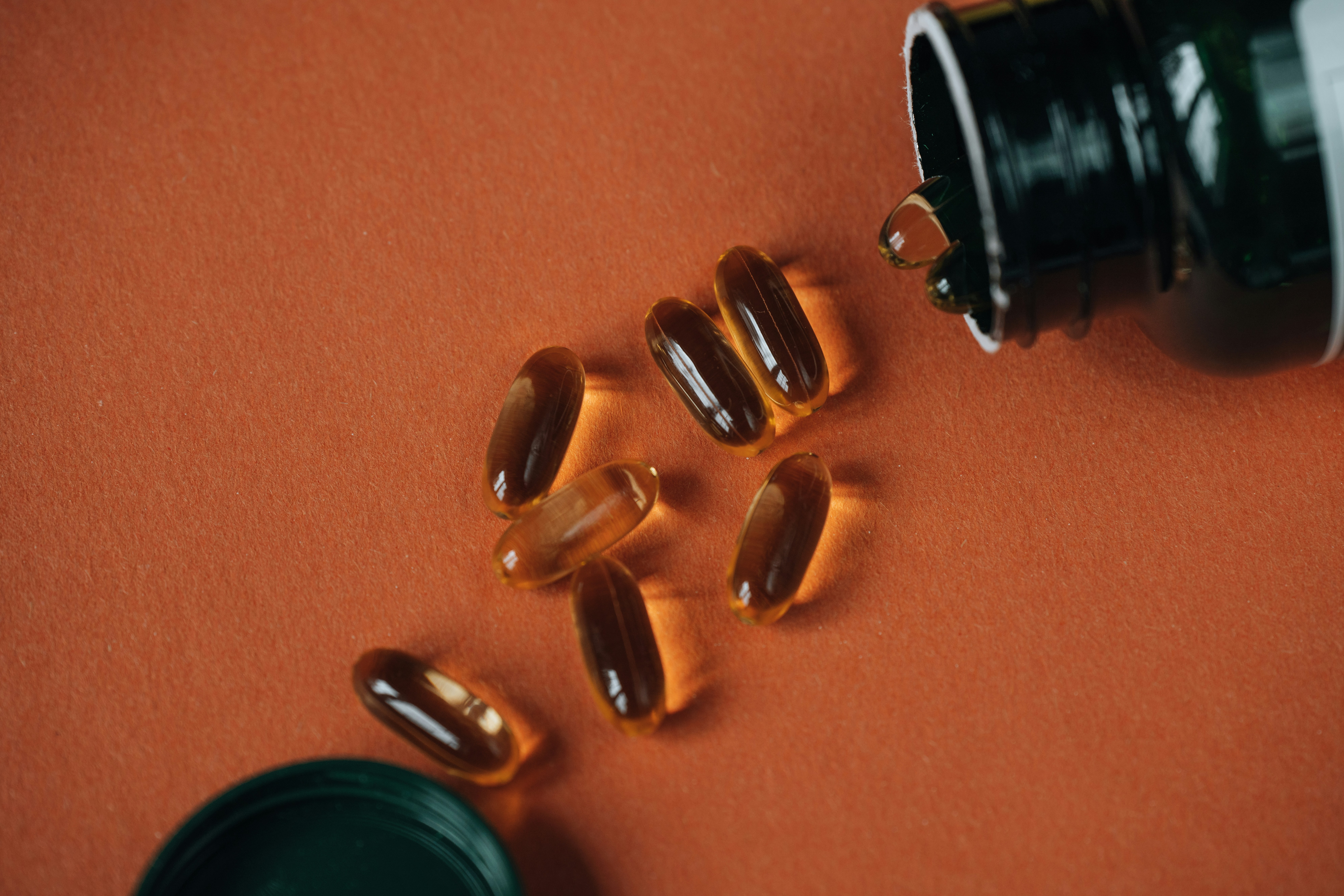
Weight loss supplements: an evidence-based guide to the best supplements for weight loss
Weight loss supplements are widely promoted, but most produce only modest effects and can carry safety risks. This article summarizes the evidence for commonly used options, compares forms where relevant, and explains practical dosing, monitoring, and who should avoid them. Prioritize protein, fiber, sleep, and activity; consider supplements only as adjuncts and under clinician guidance.
Start with the basics: what to prioritize before supplements
Lifestyle changes remain the primary drivers of sustainable weight loss. Before or alongside any supplement strategy, focus on these priorities:
Protein: higher protein intake supports satiety and helps preserve lean mass during calorie reduction. Aim for a protein-rich source at each meal or consider 20–40 g of protein per serving from whey, dairy, or plant blends when needed.
Fiber: soluble fiber slows gastric emptying and increases fullness. Whole-food sources are best; soluble fiber supplements can help when intake is low.
Sleep and stress: insufficient sleep and high stress increase appetite and impair metabolic regulation.
Physical activity: resistance and aerobic exercise improve energy expenditure and preserve muscle mass.
Supplements may add small incremental benefits, but they don’t replace these foundations. If you have metabolic risk factors, coordinate with a clinician and consider baseline testing (see Monitoring and biomarkers).
Which supplements have the best evidence?
The supplements below have the most consistent clinical trial evidence for modest weight-loss effects. Effects are generally small (a few percent of body weight) and variable between individuals.
Protein supplements (whey, casein, plant blends)
Evidence: High-protein diets and protein supplementation increase satiety and can support weight loss and muscle preservation during calorie restriction.
Forms: Whey is fast-digesting and leucine-rich; casein digests slower; plant proteins (pea, soy) are effective when total protein dose is adequate.
Typical dosing: 20–40 g per serving, used to replace a lower-protein meal or as a post-workout/protein snack.
Safety: Generally safe; check for dairy allergies or renal disease where high protein may need monitoring.
Soluble fiber (glucomannan, psyllium, beta-glucan)
Evidence: Meta-analyses show small but significant reductions in body weight and appetite, particularly with glucomannan at effective doses.
Forms and dosing: Glucomannan 2–4 g/day (taken with water before meals); psyllium 5–10 g/day across meals; beta-glucan dose varies with source.
Safety: Adequate fluid intake required to avoid choking/obstruction. Can affect absorption of some medications—take medications at different times.
Caffeine and green tea (EGCG)
Evidence: Caffeine increases energy expenditure acutely. Green tea extracts (EGCG) combined with caffeine show small additional effects on weight and fat loss in some trials.
Forms and dosing: Usual caffeine doses for weight effects are 100–300 mg/day. EGCG/green tea extract doses in studies range 270–800 mg/day of catechins.
Safety: Avoid in those with anxiety, insomnia, arrhythmias, or uncontrolled hypertension. High-dose green tea extracts have been linked (rarely) to liver enzyme elevations—monitor ALT when using concentrated extracts.
Conjugated linoleic acid (CLA)
Evidence: Mixed results; meta-analyses suggest small decreases in body fat but modest effects on weight.
Typical dosing: ~3 g/day divided doses.
Safety: Can cause gastrointestinal side effects and may modestly affect insulin sensitivity in some people—monitor HbA1c if diabetic or prediabetic.
Probiotics (specific strains)
Evidence: Certain strains (some Lactobacillus and Bifidobacterium) show modest effects on body weight or fat in small trials; results are strain-specific and heterogeneous.
Dosing: Highly strain-dependent; follow product-specific guidance and choose clinically studied strains.
Safety: Generally safe in healthy adults; avoid live probiotics in severely immunocompromised individuals.
L‑carnitine, capsaicin, and other agents
Evidence: L‑carnitine and capsaicin show small effects in some studies. Capsaicin may increase energy expenditure slightly and supress appetite. Overall effects are modest and inconsistent.
Dosing and safety: L‑carnitine often used 1–3 g/day. Capsaicin dosing varies; gastrointestinal intolerance can limit use.
Less-supported or risky options
Some marketed fat burners and botanical supplements have either low-quality evidence or safety concerns.
Garcinia cambogia: limited and inconsistent benefit; GI side effects common.
Bitter orange (synephrine), yohimbine, high-dose stimulants: can increase heart rate, blood pressure, and anxiety; linked to adverse cardiovascular events in vulnerable individuals.
Multiple stimulant combinations: combining several stimulants or stimulants with caffeine increases cardiovascular and nervous system risk.
Do not combine multiple fat burners or stimulants. If the label lists several stimulant compounds, avoid use without clinician approval.
Prescription and clinician-guided options
For people with higher BMI or metabolic disease, prescription medications and medical programs are often more effective than OTC supplements.
Prescription options (e.g., GLP‑1 receptor agonists, orlistat, other weight-loss medications) have larger average effects and are prescribed based on clinical criteria.
These medications require clinician evaluation for appropriateness, monitoring, and management of side effects.
Discuss how any OTC supplements might interact with prescription medications.
Monitoring: biomarkers to check before and during use
Baseline and periodic testing can identify risks and measure metabolic effects. Consider checking:
HbA1c: monitors glycemic control. Useful if you have diabetes or prediabetes and when starting supplements affecting glucose metabolism (CLA, some stimulants can alter glucose control indirectly).
ALT (alanine aminotransferase): elevated ALT can indicate liver injury. Monitor when using concentrated green tea extracts or other supplements linked to liver enzyme elevations.
Blood pressure: stimulants and some herbal supplements can raise blood pressure and heart rate; measure baseline BP and monitor regularly.
Work with your clinician to decide monitoring frequency based on your health status and the products you use.
Safety, interactions, and who should avoid particular supplements
Safety considerations are critical.
Avoid stimulants (caffeine, synephrine, yohimbine) if you have anxiety disorders, arrhythmias, uncontrolled hypertension, coronary artery disease, or are on stimulants/monoamine oxidase inhibitors.
Avoid most supplements during pregnancy and breastfeeding unless recommended by your clinician.
People with liver disease should be cautious with concentrated botanical extracts (notably some green tea extracts) and should monitor ALT.
If you take prescription medications (anticoagulants, diabetes drugs, statins, antidepressants), check for interactions—supplements can alter drug metabolism.
Do not combine multiple fat burners or stimulants; additive effects increase risk.
Quality varies widely among OTC products—choose third‑party tested brands and review ingredient lists for hidden stimulants.
Practical dosing and usage considerations
Start low and monitor: begin at the lowest studied dose and assess tolerance before increasing.
Time around meals: fibers like glucomannan are most effective when taken before meals with plenty of water; protein supplements often replace a meal or snack.
Duration: many studies showing modest benefit are short- to medium-term (weeks to months). Reassess need and effectiveness regularly.
Track outcomes: use weight trends, body composition if available, and biomarkers (HbA1c, ALT, BP) to judge benefit versus harm.
Takeaways
Most weight loss supplements provide modest benefits at best; they are adjuncts to—not replacements for—adequate protein, fiber, sleep, and activity.
The best supplements for weight loss with the most consistent evidence include protein supplements, soluble fiber (e.g., glucomannan), caffeine/green tea extracts, and selective probiotic strains; effects are small and variable.
Monitor HbA1c, ALT, and blood pressure when starting supplements that affect metabolism or liver function, and consult a clinician about drug interactions.
Avoid stimulants if you have anxiety or cardiovascular disease, and never combine multiple fat burners or stimulants.
If you need more powerful, evidence-backed treatment, discuss prescription options with your clinician.
Conclusion
Supplements can offer small, additional support for weight loss in some people but should be used cautiously and in the context of comprehensive lifestyle change and medical oversight. Prioritize diet quality (adequate protein and fiber), sleep, and activity first. If you choose supplements, use clinically supported doses, monitor biomarkers, and work with a clinician.
Join Mito to test 100+ biomarkers and get concierge-level guidance from your care team
Mito Health: Helping you live healthier, longer.
In-depth bloodwork & holistic health advice, backed by the latest longevity science. Only $399.
Weight Loss Supplements: What Helps a Little (and What’s Mostly Noise)
Weight-loss supplements are common but vary widely. Explore major types, their effects on metabolism and appetite, evidence for benefits, and markers to gauge response.
Written by
Mito Team
Weight loss supplements: an evidence-based guide to the best supplements for weight loss
Weight loss supplements are widely promoted, but most produce only modest effects and can carry safety risks. This article summarizes the evidence for commonly used options, compares forms where relevant, and explains practical dosing, monitoring, and who should avoid them. Prioritize protein, fiber, sleep, and activity; consider supplements only as adjuncts and under clinician guidance.
Start with the basics: what to prioritize before supplements
Lifestyle changes remain the primary drivers of sustainable weight loss. Before or alongside any supplement strategy, focus on these priorities:
Protein: higher protein intake supports satiety and helps preserve lean mass during calorie reduction. Aim for a protein-rich source at each meal or consider 20–40 g of protein per serving from whey, dairy, or plant blends when needed.
Fiber: soluble fiber slows gastric emptying and increases fullness. Whole-food sources are best; soluble fiber supplements can help when intake is low.
Sleep and stress: insufficient sleep and high stress increase appetite and impair metabolic regulation.
Physical activity: resistance and aerobic exercise improve energy expenditure and preserve muscle mass.
Supplements may add small incremental benefits, but they don’t replace these foundations. If you have metabolic risk factors, coordinate with a clinician and consider baseline testing (see Monitoring and biomarkers).
Which supplements have the best evidence?
The supplements below have the most consistent clinical trial evidence for modest weight-loss effects. Effects are generally small (a few percent of body weight) and variable between individuals.
Protein supplements (whey, casein, plant blends)
Evidence: High-protein diets and protein supplementation increase satiety and can support weight loss and muscle preservation during calorie restriction.
Forms: Whey is fast-digesting and leucine-rich; casein digests slower; plant proteins (pea, soy) are effective when total protein dose is adequate.
Typical dosing: 20–40 g per serving, used to replace a lower-protein meal or as a post-workout/protein snack.
Safety: Generally safe; check for dairy allergies or renal disease where high protein may need monitoring.
Soluble fiber (glucomannan, psyllium, beta-glucan)
Evidence: Meta-analyses show small but significant reductions in body weight and appetite, particularly with glucomannan at effective doses.
Forms and dosing: Glucomannan 2–4 g/day (taken with water before meals); psyllium 5–10 g/day across meals; beta-glucan dose varies with source.
Safety: Adequate fluid intake required to avoid choking/obstruction. Can affect absorption of some medications—take medications at different times.
Caffeine and green tea (EGCG)
Evidence: Caffeine increases energy expenditure acutely. Green tea extracts (EGCG) combined with caffeine show small additional effects on weight and fat loss in some trials.
Forms and dosing: Usual caffeine doses for weight effects are 100–300 mg/day. EGCG/green tea extract doses in studies range 270–800 mg/day of catechins.
Safety: Avoid in those with anxiety, insomnia, arrhythmias, or uncontrolled hypertension. High-dose green tea extracts have been linked (rarely) to liver enzyme elevations—monitor ALT when using concentrated extracts.
Conjugated linoleic acid (CLA)
Evidence: Mixed results; meta-analyses suggest small decreases in body fat but modest effects on weight.
Typical dosing: ~3 g/day divided doses.
Safety: Can cause gastrointestinal side effects and may modestly affect insulin sensitivity in some people—monitor HbA1c if diabetic or prediabetic.
Probiotics (specific strains)
Evidence: Certain strains (some Lactobacillus and Bifidobacterium) show modest effects on body weight or fat in small trials; results are strain-specific and heterogeneous.
Dosing: Highly strain-dependent; follow product-specific guidance and choose clinically studied strains.
Safety: Generally safe in healthy adults; avoid live probiotics in severely immunocompromised individuals.
L‑carnitine, capsaicin, and other agents
Evidence: L‑carnitine and capsaicin show small effects in some studies. Capsaicin may increase energy expenditure slightly and supress appetite. Overall effects are modest and inconsistent.
Dosing and safety: L‑carnitine often used 1–3 g/day. Capsaicin dosing varies; gastrointestinal intolerance can limit use.
Less-supported or risky options
Some marketed fat burners and botanical supplements have either low-quality evidence or safety concerns.
Garcinia cambogia: limited and inconsistent benefit; GI side effects common.
Bitter orange (synephrine), yohimbine, high-dose stimulants: can increase heart rate, blood pressure, and anxiety; linked to adverse cardiovascular events in vulnerable individuals.
Multiple stimulant combinations: combining several stimulants or stimulants with caffeine increases cardiovascular and nervous system risk.
Do not combine multiple fat burners or stimulants. If the label lists several stimulant compounds, avoid use without clinician approval.
Prescription and clinician-guided options
For people with higher BMI or metabolic disease, prescription medications and medical programs are often more effective than OTC supplements.
Prescription options (e.g., GLP‑1 receptor agonists, orlistat, other weight-loss medications) have larger average effects and are prescribed based on clinical criteria.
These medications require clinician evaluation for appropriateness, monitoring, and management of side effects.
Discuss how any OTC supplements might interact with prescription medications.
Monitoring: biomarkers to check before and during use
Baseline and periodic testing can identify risks and measure metabolic effects. Consider checking:
HbA1c: monitors glycemic control. Useful if you have diabetes or prediabetes and when starting supplements affecting glucose metabolism (CLA, some stimulants can alter glucose control indirectly).
ALT (alanine aminotransferase): elevated ALT can indicate liver injury. Monitor when using concentrated green tea extracts or other supplements linked to liver enzyme elevations.
Blood pressure: stimulants and some herbal supplements can raise blood pressure and heart rate; measure baseline BP and monitor regularly.
Work with your clinician to decide monitoring frequency based on your health status and the products you use.
Safety, interactions, and who should avoid particular supplements
Safety considerations are critical.
Avoid stimulants (caffeine, synephrine, yohimbine) if you have anxiety disorders, arrhythmias, uncontrolled hypertension, coronary artery disease, or are on stimulants/monoamine oxidase inhibitors.
Avoid most supplements during pregnancy and breastfeeding unless recommended by your clinician.
People with liver disease should be cautious with concentrated botanical extracts (notably some green tea extracts) and should monitor ALT.
If you take prescription medications (anticoagulants, diabetes drugs, statins, antidepressants), check for interactions—supplements can alter drug metabolism.
Do not combine multiple fat burners or stimulants; additive effects increase risk.
Quality varies widely among OTC products—choose third‑party tested brands and review ingredient lists for hidden stimulants.
Practical dosing and usage considerations
Start low and monitor: begin at the lowest studied dose and assess tolerance before increasing.
Time around meals: fibers like glucomannan are most effective when taken before meals with plenty of water; protein supplements often replace a meal or snack.
Duration: many studies showing modest benefit are short- to medium-term (weeks to months). Reassess need and effectiveness regularly.
Track outcomes: use weight trends, body composition if available, and biomarkers (HbA1c, ALT, BP) to judge benefit versus harm.
Takeaways
Most weight loss supplements provide modest benefits at best; they are adjuncts to—not replacements for—adequate protein, fiber, sleep, and activity.
The best supplements for weight loss with the most consistent evidence include protein supplements, soluble fiber (e.g., glucomannan), caffeine/green tea extracts, and selective probiotic strains; effects are small and variable.
Monitor HbA1c, ALT, and blood pressure when starting supplements that affect metabolism or liver function, and consult a clinician about drug interactions.
Avoid stimulants if you have anxiety or cardiovascular disease, and never combine multiple fat burners or stimulants.
If you need more powerful, evidence-backed treatment, discuss prescription options with your clinician.
Conclusion
Supplements can offer small, additional support for weight loss in some people but should be used cautiously and in the context of comprehensive lifestyle change and medical oversight. Prioritize diet quality (adequate protein and fiber), sleep, and activity first. If you choose supplements, use clinically supported doses, monitor biomarkers, and work with a clinician.
Join Mito to test 100+ biomarkers and get concierge-level guidance from your care team
Mito Health: Helping you live healthier, longer.
In-depth bloodwork & holistic health advice, backed by the latest longevity science. Only $399.
Weight Loss Supplements: What Helps a Little (and What’s Mostly Noise)
Weight-loss supplements are common but vary widely. Explore major types, their effects on metabolism and appetite, evidence for benefits, and markers to gauge response.
Written by
Mito Team
Weight loss supplements: an evidence-based guide to the best supplements for weight loss
Weight loss supplements are widely promoted, but most produce only modest effects and can carry safety risks. This article summarizes the evidence for commonly used options, compares forms where relevant, and explains practical dosing, monitoring, and who should avoid them. Prioritize protein, fiber, sleep, and activity; consider supplements only as adjuncts and under clinician guidance.
Start with the basics: what to prioritize before supplements
Lifestyle changes remain the primary drivers of sustainable weight loss. Before or alongside any supplement strategy, focus on these priorities:
Protein: higher protein intake supports satiety and helps preserve lean mass during calorie reduction. Aim for a protein-rich source at each meal or consider 20–40 g of protein per serving from whey, dairy, or plant blends when needed.
Fiber: soluble fiber slows gastric emptying and increases fullness. Whole-food sources are best; soluble fiber supplements can help when intake is low.
Sleep and stress: insufficient sleep and high stress increase appetite and impair metabolic regulation.
Physical activity: resistance and aerobic exercise improve energy expenditure and preserve muscle mass.
Supplements may add small incremental benefits, but they don’t replace these foundations. If you have metabolic risk factors, coordinate with a clinician and consider baseline testing (see Monitoring and biomarkers).
Which supplements have the best evidence?
The supplements below have the most consistent clinical trial evidence for modest weight-loss effects. Effects are generally small (a few percent of body weight) and variable between individuals.
Protein supplements (whey, casein, plant blends)
Evidence: High-protein diets and protein supplementation increase satiety and can support weight loss and muscle preservation during calorie restriction.
Forms: Whey is fast-digesting and leucine-rich; casein digests slower; plant proteins (pea, soy) are effective when total protein dose is adequate.
Typical dosing: 20–40 g per serving, used to replace a lower-protein meal or as a post-workout/protein snack.
Safety: Generally safe; check for dairy allergies or renal disease where high protein may need monitoring.
Soluble fiber (glucomannan, psyllium, beta-glucan)
Evidence: Meta-analyses show small but significant reductions in body weight and appetite, particularly with glucomannan at effective doses.
Forms and dosing: Glucomannan 2–4 g/day (taken with water before meals); psyllium 5–10 g/day across meals; beta-glucan dose varies with source.
Safety: Adequate fluid intake required to avoid choking/obstruction. Can affect absorption of some medications—take medications at different times.
Caffeine and green tea (EGCG)
Evidence: Caffeine increases energy expenditure acutely. Green tea extracts (EGCG) combined with caffeine show small additional effects on weight and fat loss in some trials.
Forms and dosing: Usual caffeine doses for weight effects are 100–300 mg/day. EGCG/green tea extract doses in studies range 270–800 mg/day of catechins.
Safety: Avoid in those with anxiety, insomnia, arrhythmias, or uncontrolled hypertension. High-dose green tea extracts have been linked (rarely) to liver enzyme elevations—monitor ALT when using concentrated extracts.
Conjugated linoleic acid (CLA)
Evidence: Mixed results; meta-analyses suggest small decreases in body fat but modest effects on weight.
Typical dosing: ~3 g/day divided doses.
Safety: Can cause gastrointestinal side effects and may modestly affect insulin sensitivity in some people—monitor HbA1c if diabetic or prediabetic.
Probiotics (specific strains)
Evidence: Certain strains (some Lactobacillus and Bifidobacterium) show modest effects on body weight or fat in small trials; results are strain-specific and heterogeneous.
Dosing: Highly strain-dependent; follow product-specific guidance and choose clinically studied strains.
Safety: Generally safe in healthy adults; avoid live probiotics in severely immunocompromised individuals.
L‑carnitine, capsaicin, and other agents
Evidence: L‑carnitine and capsaicin show small effects in some studies. Capsaicin may increase energy expenditure slightly and supress appetite. Overall effects are modest and inconsistent.
Dosing and safety: L‑carnitine often used 1–3 g/day. Capsaicin dosing varies; gastrointestinal intolerance can limit use.
Less-supported or risky options
Some marketed fat burners and botanical supplements have either low-quality evidence or safety concerns.
Garcinia cambogia: limited and inconsistent benefit; GI side effects common.
Bitter orange (synephrine), yohimbine, high-dose stimulants: can increase heart rate, blood pressure, and anxiety; linked to adverse cardiovascular events in vulnerable individuals.
Multiple stimulant combinations: combining several stimulants or stimulants with caffeine increases cardiovascular and nervous system risk.
Do not combine multiple fat burners or stimulants. If the label lists several stimulant compounds, avoid use without clinician approval.
Prescription and clinician-guided options
For people with higher BMI or metabolic disease, prescription medications and medical programs are often more effective than OTC supplements.
Prescription options (e.g., GLP‑1 receptor agonists, orlistat, other weight-loss medications) have larger average effects and are prescribed based on clinical criteria.
These medications require clinician evaluation for appropriateness, monitoring, and management of side effects.
Discuss how any OTC supplements might interact with prescription medications.
Monitoring: biomarkers to check before and during use
Baseline and periodic testing can identify risks and measure metabolic effects. Consider checking:
HbA1c: monitors glycemic control. Useful if you have diabetes or prediabetes and when starting supplements affecting glucose metabolism (CLA, some stimulants can alter glucose control indirectly).
ALT (alanine aminotransferase): elevated ALT can indicate liver injury. Monitor when using concentrated green tea extracts or other supplements linked to liver enzyme elevations.
Blood pressure: stimulants and some herbal supplements can raise blood pressure and heart rate; measure baseline BP and monitor regularly.
Work with your clinician to decide monitoring frequency based on your health status and the products you use.
Safety, interactions, and who should avoid particular supplements
Safety considerations are critical.
Avoid stimulants (caffeine, synephrine, yohimbine) if you have anxiety disorders, arrhythmias, uncontrolled hypertension, coronary artery disease, or are on stimulants/monoamine oxidase inhibitors.
Avoid most supplements during pregnancy and breastfeeding unless recommended by your clinician.
People with liver disease should be cautious with concentrated botanical extracts (notably some green tea extracts) and should monitor ALT.
If you take prescription medications (anticoagulants, diabetes drugs, statins, antidepressants), check for interactions—supplements can alter drug metabolism.
Do not combine multiple fat burners or stimulants; additive effects increase risk.
Quality varies widely among OTC products—choose third‑party tested brands and review ingredient lists for hidden stimulants.
Practical dosing and usage considerations
Start low and monitor: begin at the lowest studied dose and assess tolerance before increasing.
Time around meals: fibers like glucomannan are most effective when taken before meals with plenty of water; protein supplements often replace a meal or snack.
Duration: many studies showing modest benefit are short- to medium-term (weeks to months). Reassess need and effectiveness regularly.
Track outcomes: use weight trends, body composition if available, and biomarkers (HbA1c, ALT, BP) to judge benefit versus harm.
Takeaways
Most weight loss supplements provide modest benefits at best; they are adjuncts to—not replacements for—adequate protein, fiber, sleep, and activity.
The best supplements for weight loss with the most consistent evidence include protein supplements, soluble fiber (e.g., glucomannan), caffeine/green tea extracts, and selective probiotic strains; effects are small and variable.
Monitor HbA1c, ALT, and blood pressure when starting supplements that affect metabolism or liver function, and consult a clinician about drug interactions.
Avoid stimulants if you have anxiety or cardiovascular disease, and never combine multiple fat burners or stimulants.
If you need more powerful, evidence-backed treatment, discuss prescription options with your clinician.
Conclusion
Supplements can offer small, additional support for weight loss in some people but should be used cautiously and in the context of comprehensive lifestyle change and medical oversight. Prioritize diet quality (adequate protein and fiber), sleep, and activity first. If you choose supplements, use clinically supported doses, monitor biomarkers, and work with a clinician.
Join Mito to test 100+ biomarkers and get concierge-level guidance from your care team
Weight Loss Supplements: What Helps a Little (and What’s Mostly Noise)
Weight-loss supplements are common but vary widely. Explore major types, their effects on metabolism and appetite, evidence for benefits, and markers to gauge response.
Written by
Mito Team
Weight loss supplements: an evidence-based guide to the best supplements for weight loss
Weight loss supplements are widely promoted, but most produce only modest effects and can carry safety risks. This article summarizes the evidence for commonly used options, compares forms where relevant, and explains practical dosing, monitoring, and who should avoid them. Prioritize protein, fiber, sleep, and activity; consider supplements only as adjuncts and under clinician guidance.
Start with the basics: what to prioritize before supplements
Lifestyle changes remain the primary drivers of sustainable weight loss. Before or alongside any supplement strategy, focus on these priorities:
Protein: higher protein intake supports satiety and helps preserve lean mass during calorie reduction. Aim for a protein-rich source at each meal or consider 20–40 g of protein per serving from whey, dairy, or plant blends when needed.
Fiber: soluble fiber slows gastric emptying and increases fullness. Whole-food sources are best; soluble fiber supplements can help when intake is low.
Sleep and stress: insufficient sleep and high stress increase appetite and impair metabolic regulation.
Physical activity: resistance and aerobic exercise improve energy expenditure and preserve muscle mass.
Supplements may add small incremental benefits, but they don’t replace these foundations. If you have metabolic risk factors, coordinate with a clinician and consider baseline testing (see Monitoring and biomarkers).
Which supplements have the best evidence?
The supplements below have the most consistent clinical trial evidence for modest weight-loss effects. Effects are generally small (a few percent of body weight) and variable between individuals.
Protein supplements (whey, casein, plant blends)
Evidence: High-protein diets and protein supplementation increase satiety and can support weight loss and muscle preservation during calorie restriction.
Forms: Whey is fast-digesting and leucine-rich; casein digests slower; plant proteins (pea, soy) are effective when total protein dose is adequate.
Typical dosing: 20–40 g per serving, used to replace a lower-protein meal or as a post-workout/protein snack.
Safety: Generally safe; check for dairy allergies or renal disease where high protein may need monitoring.
Soluble fiber (glucomannan, psyllium, beta-glucan)
Evidence: Meta-analyses show small but significant reductions in body weight and appetite, particularly with glucomannan at effective doses.
Forms and dosing: Glucomannan 2–4 g/day (taken with water before meals); psyllium 5–10 g/day across meals; beta-glucan dose varies with source.
Safety: Adequate fluid intake required to avoid choking/obstruction. Can affect absorption of some medications—take medications at different times.
Caffeine and green tea (EGCG)
Evidence: Caffeine increases energy expenditure acutely. Green tea extracts (EGCG) combined with caffeine show small additional effects on weight and fat loss in some trials.
Forms and dosing: Usual caffeine doses for weight effects are 100–300 mg/day. EGCG/green tea extract doses in studies range 270–800 mg/day of catechins.
Safety: Avoid in those with anxiety, insomnia, arrhythmias, or uncontrolled hypertension. High-dose green tea extracts have been linked (rarely) to liver enzyme elevations—monitor ALT when using concentrated extracts.
Conjugated linoleic acid (CLA)
Evidence: Mixed results; meta-analyses suggest small decreases in body fat but modest effects on weight.
Typical dosing: ~3 g/day divided doses.
Safety: Can cause gastrointestinal side effects and may modestly affect insulin sensitivity in some people—monitor HbA1c if diabetic or prediabetic.
Probiotics (specific strains)
Evidence: Certain strains (some Lactobacillus and Bifidobacterium) show modest effects on body weight or fat in small trials; results are strain-specific and heterogeneous.
Dosing: Highly strain-dependent; follow product-specific guidance and choose clinically studied strains.
Safety: Generally safe in healthy adults; avoid live probiotics in severely immunocompromised individuals.
L‑carnitine, capsaicin, and other agents
Evidence: L‑carnitine and capsaicin show small effects in some studies. Capsaicin may increase energy expenditure slightly and supress appetite. Overall effects are modest and inconsistent.
Dosing and safety: L‑carnitine often used 1–3 g/day. Capsaicin dosing varies; gastrointestinal intolerance can limit use.
Less-supported or risky options
Some marketed fat burners and botanical supplements have either low-quality evidence or safety concerns.
Garcinia cambogia: limited and inconsistent benefit; GI side effects common.
Bitter orange (synephrine), yohimbine, high-dose stimulants: can increase heart rate, blood pressure, and anxiety; linked to adverse cardiovascular events in vulnerable individuals.
Multiple stimulant combinations: combining several stimulants or stimulants with caffeine increases cardiovascular and nervous system risk.
Do not combine multiple fat burners or stimulants. If the label lists several stimulant compounds, avoid use without clinician approval.
Prescription and clinician-guided options
For people with higher BMI or metabolic disease, prescription medications and medical programs are often more effective than OTC supplements.
Prescription options (e.g., GLP‑1 receptor agonists, orlistat, other weight-loss medications) have larger average effects and are prescribed based on clinical criteria.
These medications require clinician evaluation for appropriateness, monitoring, and management of side effects.
Discuss how any OTC supplements might interact with prescription medications.
Monitoring: biomarkers to check before and during use
Baseline and periodic testing can identify risks and measure metabolic effects. Consider checking:
HbA1c: monitors glycemic control. Useful if you have diabetes or prediabetes and when starting supplements affecting glucose metabolism (CLA, some stimulants can alter glucose control indirectly).
ALT (alanine aminotransferase): elevated ALT can indicate liver injury. Monitor when using concentrated green tea extracts or other supplements linked to liver enzyme elevations.
Blood pressure: stimulants and some herbal supplements can raise blood pressure and heart rate; measure baseline BP and monitor regularly.
Work with your clinician to decide monitoring frequency based on your health status and the products you use.
Safety, interactions, and who should avoid particular supplements
Safety considerations are critical.
Avoid stimulants (caffeine, synephrine, yohimbine) if you have anxiety disorders, arrhythmias, uncontrolled hypertension, coronary artery disease, or are on stimulants/monoamine oxidase inhibitors.
Avoid most supplements during pregnancy and breastfeeding unless recommended by your clinician.
People with liver disease should be cautious with concentrated botanical extracts (notably some green tea extracts) and should monitor ALT.
If you take prescription medications (anticoagulants, diabetes drugs, statins, antidepressants), check for interactions—supplements can alter drug metabolism.
Do not combine multiple fat burners or stimulants; additive effects increase risk.
Quality varies widely among OTC products—choose third‑party tested brands and review ingredient lists for hidden stimulants.
Practical dosing and usage considerations
Start low and monitor: begin at the lowest studied dose and assess tolerance before increasing.
Time around meals: fibers like glucomannan are most effective when taken before meals with plenty of water; protein supplements often replace a meal or snack.
Duration: many studies showing modest benefit are short- to medium-term (weeks to months). Reassess need and effectiveness regularly.
Track outcomes: use weight trends, body composition if available, and biomarkers (HbA1c, ALT, BP) to judge benefit versus harm.
Takeaways
Most weight loss supplements provide modest benefits at best; they are adjuncts to—not replacements for—adequate protein, fiber, sleep, and activity.
The best supplements for weight loss with the most consistent evidence include protein supplements, soluble fiber (e.g., glucomannan), caffeine/green tea extracts, and selective probiotic strains; effects are small and variable.
Monitor HbA1c, ALT, and blood pressure when starting supplements that affect metabolism or liver function, and consult a clinician about drug interactions.
Avoid stimulants if you have anxiety or cardiovascular disease, and never combine multiple fat burners or stimulants.
If you need more powerful, evidence-backed treatment, discuss prescription options with your clinician.
Conclusion
Supplements can offer small, additional support for weight loss in some people but should be used cautiously and in the context of comprehensive lifestyle change and medical oversight. Prioritize diet quality (adequate protein and fiber), sleep, and activity first. If you choose supplements, use clinically supported doses, monitor biomarkers, and work with a clinician.
Join Mito to test 100+ biomarkers and get concierge-level guidance from your care team
Mito Health: Helping you live healthier, longer.
In-depth bloodwork & holistic health advice, backed by the latest longevity science. Only $399.
Recently published



What could cost you $15,000? $349 with Mito.
No hidden fees. No subscription traps. Just real care.
What's included
Core Test - Comprehensive lab test covering 100+ biomarkers
Clinician reviewed insights and action plan
1:1 consultation with a real clinician
Upload past lab reports for lifetime tracking
Dedicated 1:1 health coaching
Duo Bundle (For 2)
Most popular
$798
$668
$130 off (17%)
Individual
$399
$349
$50 off (13%)
What could cost you $15,000? $349 with Mito.
No hidden fees. No subscription traps. Just real care.
What's included
Core Test - Comprehensive lab test covering 100+ biomarkers
Clinician reviewed insights and action plan
1:1 consultation with a real clinician
Upload past lab reports for lifetime tracking
Dedicated 1:1 health coaching
Duo Bundle (For 2)
Most popular
$798
$668
$130 off (17%)
Individual
$399
$349
$50 off (13%)
What could cost you $15,000? $349 with Mito.
No hidden fees. No subscription traps. Just real care.
What's included
Core Test - Comprehensive lab test covering 100+ biomarkers
Clinician reviewed insights and action plan
1:1 consultation with a real clinician
Upload past lab reports for lifetime tracking
Dedicated 1:1 health coaching
Duo Bundle (For 2)
Most popular
$798
$668
$130 off (17%)
Individual
$399
$349
$50 off (13%)
What could cost you $15,000? $349 with Mito.
No hidden fees. No subscription traps. Just real care.
Core Test - Comprehensive lab test covering 100+ biomarkers
Clinician reviewed insights and action plan
1:1 consultation with a real clinician
Upload past lab reports for lifetime tracking
Dedicated 1:1 health coaching
What's included
Duo Bundle (For 2)
Most popular
$798
$668
$130 off (17%)
Individual
$399
$349
$50 off (13%)