
Mito Health: Helping you live healthier, longer.
In-depth bloodwork & holistic health advice, backed by the latest longevity science. Only $399.
Semaglutide vs. Tirzepatide: Which GLP‑1 Path Fits You?
Semaglutide and tirzepatide both aid weight loss, but act differently. This article breaks down mechanisms, side-effects, dosing, and biomarkers to watch when results vary & cost.

Written by
Mito Team
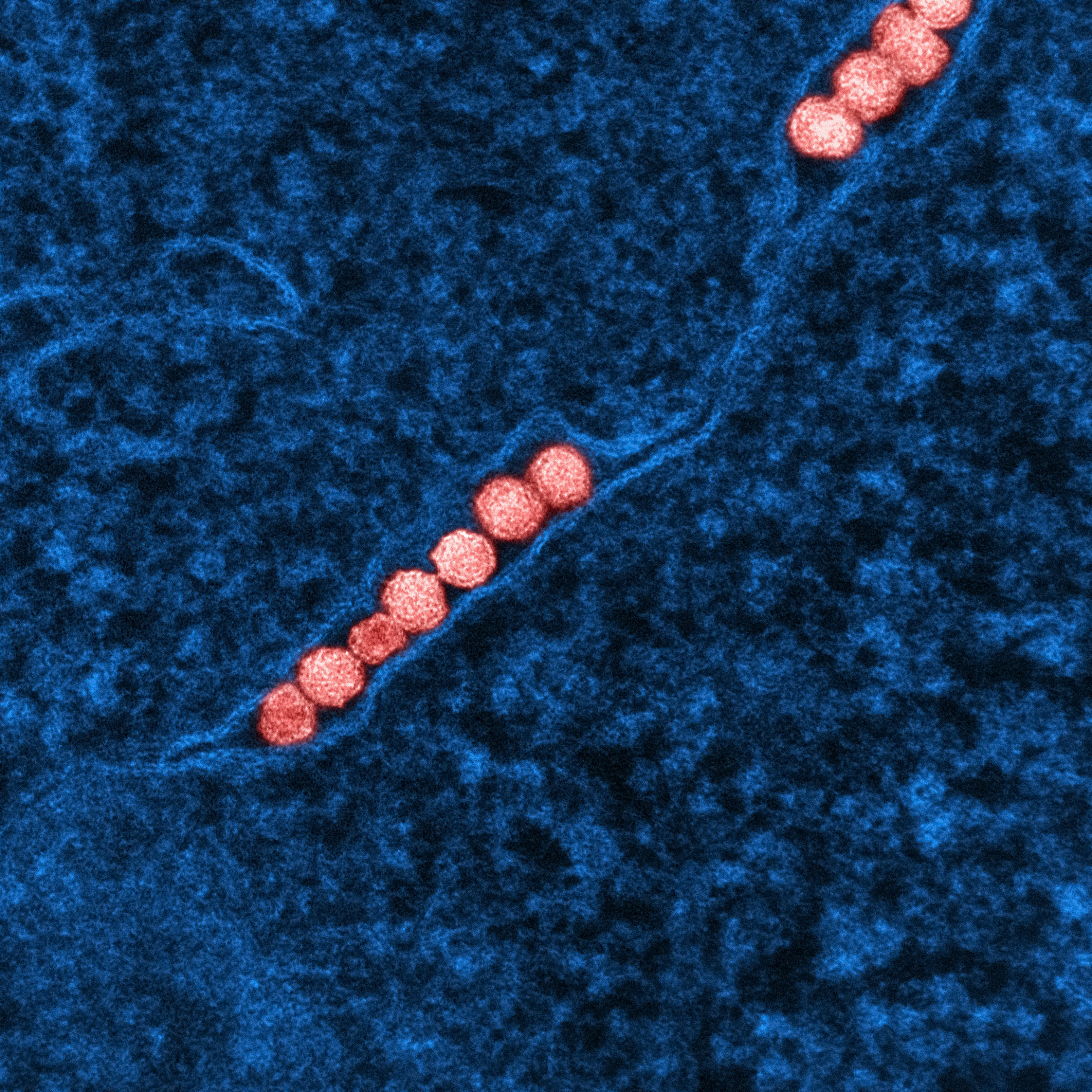
Semaglutide vs tirzepatide: how the two leading GLP‑1/GIP options compare
Semaglutide and tirzepatide are injectable incretin‑based medicines increasingly used for type 2 diabetes and for chronic weight management. Both improve glucose regulation and support clinically meaningful weight loss, but they differ in average weight loss seen in trials, dosing strategies, and patterns of gastrointestinal side effects. This article compares the two agents, summarizes effects on key biomarkers (HbA1c, ApoB, triglycerides), reviews safety considerations, and offers practical dosing and monitoring points to discuss with a clinician.
How semaglutide and tirzepatide work
Both drugs act on incretin pathways that influence insulin secretion, appetite, and glucose metabolism:
Semaglutide is a GLP‑1 receptor agonist (available as Ozempic for diabetes and Wegovy for weight management).
Tirzepatide is a dual GIP/GLP‑1 receptor agonist (marketed as Mounjaro for diabetes and Zepbound for weight management).
Their overlapping mechanisms explain shared benefits—lowered blood glucose, reduced appetite, and weight loss—while the added GIP activity in tirzepatide may account for some differences in magnitude of effects.
Clinical outcomes: weight loss and glucose control
H2: Weight loss: general patterns and trial findings
Head‑to‑head randomized comparisons are limited and trial designs vary (dose, duration, background care), but overall patterns are consistent:
Semaglutide (higher‑dose formulations used for weight management) has produced substantial mean weight loss in randomized trials, commonly described in the roughly 10–15% range at treatment durations used for obesity trials.
Tirzepatide trials have tended to show larger average weight loss than semaglutide at comparable time points and doses, with higher tirzepatide doses producing greater reductions. Clinical studies reported greater mean percentage weight loss with tirzepatide than with semaglutide or lower‑dose GLP‑1 agonists, though exact numbers vary by study.
When comparing Ozempic vs Mounjaro weight loss specifically, consider that Ozempic (semaglutide at doses authorized for diabetes) is generally associated with smaller weight reductions than the higher‑dose weight‑management semaglutide product (Wegovy). Mounjaro (tirzepatide) at escalated doses has often produced larger average weight change than semaglutide doses used in diabetes trials and comparable weight‑management doses in indirect comparisons.
H2: Glycemic control (HbA1c)
Both agents lower HbA1c. Clinical trials suggest:
Semaglutide substantially reduces HbA1c compared with placebo or active comparators.
Tirzepatide has shown equal or greater HbA1c reductions versus semaglutide in several diabetes trials, with the magnitude related to dose and baseline glycemic control.
Monitor HbA1c to assess glucose response and guide adjustments in other glucose‑lowering medications (e.g., insulin or sulfonylureas) to avoid hypoglycemia.
Effects on biomarkers: ApoB and triglycerides
H2: Lipids and cardiometabolic markers
GLP‑1 and GIP/GLP‑1 therapies influence cardiometabolic biomarkers indirectly through weight loss and directly via metabolic effects:
Triglycerides: Both semaglutide and tirzepatide are associated with reductions in fasting triglyceride concentrations in trials, often proportional to weight change.
ApoB: Reductions in ApoB (a marker of atherogenic lipoprotein particle burden) have been observed with GLP‑1 receptor agonists and in tirzepatide studies, though effects are typically modest and may reflect combined improvements in weight, glycemia, and lipid metabolism.
These biomarkers can be useful for tracking metabolic benefit beyond weight and HbA1c, but individual responses vary and long‑term impacts on cardiovascular events depend on outcome trials.
Dosing and administration considerations
H2: Typical initiation and titration
Dosing regimens aim to improve tolerability by gradual escalation:
Semaglutide
For diabetes (Ozempic): common starting titration is 0.25 mg weekly for 4 weeks (tolerance dose), then 0.5 mg weekly, with possible increase to 1 mg weekly depending on control and formulation.
For weight management (Wegovy/semaglutide 2.4 mg): a structured escalation over several weeks up to 2.4 mg weekly to reduce GI side effects.
Tirzepatide (Mounjaro/Zepbound titration)
Initiation at 2.5 mg weekly for 4 weeks, then stepwise increases (commonly 5 mg → 10 mg → 15 mg) every 4 weeks as tolerated to reach a maintenance dose.
Device differences, storage, and instructions for subcutaneous injection vary by product—follow prescribing information and clinician guidance.
H3: Practical points
Titration schedules reduce gastrointestinal adverse effects and support adherence.
Concomitant diabetes medications may need dose adjustment, especially insulin and sulfonylureas, to prevent hypoglycemia.
Prescribing choices often consider treatment goals (glycemic control vs weight management), comorbidities, and patient preference.
Side effects, risks, and who should avoid these medicines
H2: Common adverse effects
Gastrointestinal symptoms are the most frequent:
Nausea, vomiting, diarrhea, constipation, and decreased appetite are common early in therapy and often decline with dose titration.
Injection‑site reactions and mild transient gastrointestinal discomfort occur.
Tirzepatide may show a different side‑effect profile in trials (sometimes more or less GI symptoms depending on dose) compared with semaglutide; individual tolerability varies.
H2: Serious risks and class warnings
Both drugs carry warnings seen across incretin therapies:
Pancreatitis: there have been reports of acute pancreatitis with GLP‑1 receptor agonists and tirzepatide; discontinue and evaluate promptly if persistent severe abdominal pain occurs.
Gallbladder disease: rapid weight loss can increase cholelithiasis risk; gallbladder events have been reported.
Thyroid C‑cell tumors: rodent studies showed C‑cell neoplasms; these agents are contraindicated for people with a personal or family history of medullary thyroid carcinoma (MTC) or those with multiple endocrine neoplasia syndrome type 2 (MEN2).
Pregnancy and breastfeeding: use is generally not recommended; discuss risks if planning pregnancy.
Hypoglycemia: risk increases if combined with insulin or insulin secretagogues; dose adjustments may be necessary.
H2: Who should generally avoid or use caution
Individuals with a history of MTC or MEN2 should avoid these medications.
Those with acute or chronic pancreatitis history should use caution and discuss alternatives.
Active pregnancy, planned pregnancy, or breastfeeding is not an appropriate time to start these therapies without detailed risk–benefit discussion.
People with severe gastrointestinal disease (e.g., gastroparesis) or severe renal impairment may require special consideration.
Always involve a clinician to evaluate personal history, drug interactions, and monitoring needs.
Monitoring and follow‑up
H2: Suggested markers to track response and safety
Work with a clinician to establish a monitoring plan; commonly tracked items include:
HbA1c for glycemic control and therapy effectiveness.
Weight and waist circumference to document clinical benefit.
Lipid profile including triglycerides and ApoB to evaluate cardiometabolic improvement.
Symptoms or signs of pancreatitis, gallbladder disease, injection‑site reactions, or severe GI side effects.
Renal function and electrolytes if significant vomiting or dehydration occurs.
Adjust concomitant medications based on glucose readings and hypoglycemia risk.
Practical differences that may influence choice
H2: Factors clinicians and patients commonly weigh
Magnitude of desired weight loss: tirzepatide trials typically report larger average weight reductions, particularly at higher doses.
Glycemic targets: both lower HbA1c; tirzepatide often shows greater HbA1c reduction in head‑to‑head diabetes trials.
Tolerability: GI side‑effect patterns differ between individuals; slow titration strategies help.
Formulation and approved indications: semaglutide has distinct formulations/brands for diabetes versus obesity; tirzepatide indications and dose approvals may differ by region and product labeling.
Cost, insurance coverage, and access: these practical issues often shape real‑world choices.
Takeaways
Semaglutide and tirzepatide are effective incretin‑based treatments that improve glycemia and promote weight loss; tirzepatide has tended to show larger average weight and HbA1c reductions in clinical trials, especially at higher doses.
Differences in trial design, dosing, and populations make direct comparisons imperfect; individual response and tolerability vary.
Key biomarkers to monitor include HbA1c, triglycerides, and ApoB to assess metabolic benefit beyond weight change.
Safety considerations are shared across the class: watch for pancreatitis, gallbladder disease, and a history of medullary thyroid carcinoma or MEN2; avoid use in pregnancy and discuss interactions with other glucose‑lowering drugs.
Treatment decisions should be individualized and made in partnership with a clinician who can advise on dosing, monitoring, and risk mitigation.
Conclusion
Semaglutide vs tirzepatide represents a real clinical choice where both agents offer substantial metabolic benefits. Tirzepatide may provide greater average reductions in weight and HbA1c in many trials, but tolerability, contraindications, patient goals, and practical access all influence the optimal option. Discuss the evidence, biomarker targets (HbA1c, ApoB, triglycerides), and safety considerations with your healthcare team to select and monitor therapy appropriately.
Join Mito to test 100+ biomarkers and get concierge-level guidance from your care team
Mito Health: Helping you live healthier, longer.
In-depth bloodwork & holistic health advice, backed by the latest longevity science. Only $399.
Semaglutide vs. Tirzepatide: Which GLP‑1 Path Fits You?
Semaglutide and tirzepatide both aid weight loss, but act differently. This article breaks down mechanisms, side-effects, dosing, and biomarkers to watch when results vary & cost.
Written by
Mito Team
Semaglutide vs tirzepatide: how the two leading GLP‑1/GIP options compare
Semaglutide and tirzepatide are injectable incretin‑based medicines increasingly used for type 2 diabetes and for chronic weight management. Both improve glucose regulation and support clinically meaningful weight loss, but they differ in average weight loss seen in trials, dosing strategies, and patterns of gastrointestinal side effects. This article compares the two agents, summarizes effects on key biomarkers (HbA1c, ApoB, triglycerides), reviews safety considerations, and offers practical dosing and monitoring points to discuss with a clinician.
How semaglutide and tirzepatide work
Both drugs act on incretin pathways that influence insulin secretion, appetite, and glucose metabolism:
Semaglutide is a GLP‑1 receptor agonist (available as Ozempic for diabetes and Wegovy for weight management).
Tirzepatide is a dual GIP/GLP‑1 receptor agonist (marketed as Mounjaro for diabetes and Zepbound for weight management).
Their overlapping mechanisms explain shared benefits—lowered blood glucose, reduced appetite, and weight loss—while the added GIP activity in tirzepatide may account for some differences in magnitude of effects.
Clinical outcomes: weight loss and glucose control
H2: Weight loss: general patterns and trial findings
Head‑to‑head randomized comparisons are limited and trial designs vary (dose, duration, background care), but overall patterns are consistent:
Semaglutide (higher‑dose formulations used for weight management) has produced substantial mean weight loss in randomized trials, commonly described in the roughly 10–15% range at treatment durations used for obesity trials.
Tirzepatide trials have tended to show larger average weight loss than semaglutide at comparable time points and doses, with higher tirzepatide doses producing greater reductions. Clinical studies reported greater mean percentage weight loss with tirzepatide than with semaglutide or lower‑dose GLP‑1 agonists, though exact numbers vary by study.
When comparing Ozempic vs Mounjaro weight loss specifically, consider that Ozempic (semaglutide at doses authorized for diabetes) is generally associated with smaller weight reductions than the higher‑dose weight‑management semaglutide product (Wegovy). Mounjaro (tirzepatide) at escalated doses has often produced larger average weight change than semaglutide doses used in diabetes trials and comparable weight‑management doses in indirect comparisons.
H2: Glycemic control (HbA1c)
Both agents lower HbA1c. Clinical trials suggest:
Semaglutide substantially reduces HbA1c compared with placebo or active comparators.
Tirzepatide has shown equal or greater HbA1c reductions versus semaglutide in several diabetes trials, with the magnitude related to dose and baseline glycemic control.
Monitor HbA1c to assess glucose response and guide adjustments in other glucose‑lowering medications (e.g., insulin or sulfonylureas) to avoid hypoglycemia.
Effects on biomarkers: ApoB and triglycerides
H2: Lipids and cardiometabolic markers
GLP‑1 and GIP/GLP‑1 therapies influence cardiometabolic biomarkers indirectly through weight loss and directly via metabolic effects:
Triglycerides: Both semaglutide and tirzepatide are associated with reductions in fasting triglyceride concentrations in trials, often proportional to weight change.
ApoB: Reductions in ApoB (a marker of atherogenic lipoprotein particle burden) have been observed with GLP‑1 receptor agonists and in tirzepatide studies, though effects are typically modest and may reflect combined improvements in weight, glycemia, and lipid metabolism.
These biomarkers can be useful for tracking metabolic benefit beyond weight and HbA1c, but individual responses vary and long‑term impacts on cardiovascular events depend on outcome trials.
Dosing and administration considerations
H2: Typical initiation and titration
Dosing regimens aim to improve tolerability by gradual escalation:
Semaglutide
For diabetes (Ozempic): common starting titration is 0.25 mg weekly for 4 weeks (tolerance dose), then 0.5 mg weekly, with possible increase to 1 mg weekly depending on control and formulation.
For weight management (Wegovy/semaglutide 2.4 mg): a structured escalation over several weeks up to 2.4 mg weekly to reduce GI side effects.
Tirzepatide (Mounjaro/Zepbound titration)
Initiation at 2.5 mg weekly for 4 weeks, then stepwise increases (commonly 5 mg → 10 mg → 15 mg) every 4 weeks as tolerated to reach a maintenance dose.
Device differences, storage, and instructions for subcutaneous injection vary by product—follow prescribing information and clinician guidance.
H3: Practical points
Titration schedules reduce gastrointestinal adverse effects and support adherence.
Concomitant diabetes medications may need dose adjustment, especially insulin and sulfonylureas, to prevent hypoglycemia.
Prescribing choices often consider treatment goals (glycemic control vs weight management), comorbidities, and patient preference.
Side effects, risks, and who should avoid these medicines
H2: Common adverse effects
Gastrointestinal symptoms are the most frequent:
Nausea, vomiting, diarrhea, constipation, and decreased appetite are common early in therapy and often decline with dose titration.
Injection‑site reactions and mild transient gastrointestinal discomfort occur.
Tirzepatide may show a different side‑effect profile in trials (sometimes more or less GI symptoms depending on dose) compared with semaglutide; individual tolerability varies.
H2: Serious risks and class warnings
Both drugs carry warnings seen across incretin therapies:
Pancreatitis: there have been reports of acute pancreatitis with GLP‑1 receptor agonists and tirzepatide; discontinue and evaluate promptly if persistent severe abdominal pain occurs.
Gallbladder disease: rapid weight loss can increase cholelithiasis risk; gallbladder events have been reported.
Thyroid C‑cell tumors: rodent studies showed C‑cell neoplasms; these agents are contraindicated for people with a personal or family history of medullary thyroid carcinoma (MTC) or those with multiple endocrine neoplasia syndrome type 2 (MEN2).
Pregnancy and breastfeeding: use is generally not recommended; discuss risks if planning pregnancy.
Hypoglycemia: risk increases if combined with insulin or insulin secretagogues; dose adjustments may be necessary.
H2: Who should generally avoid or use caution
Individuals with a history of MTC or MEN2 should avoid these medications.
Those with acute or chronic pancreatitis history should use caution and discuss alternatives.
Active pregnancy, planned pregnancy, or breastfeeding is not an appropriate time to start these therapies without detailed risk–benefit discussion.
People with severe gastrointestinal disease (e.g., gastroparesis) or severe renal impairment may require special consideration.
Always involve a clinician to evaluate personal history, drug interactions, and monitoring needs.
Monitoring and follow‑up
H2: Suggested markers to track response and safety
Work with a clinician to establish a monitoring plan; commonly tracked items include:
HbA1c for glycemic control and therapy effectiveness.
Weight and waist circumference to document clinical benefit.
Lipid profile including triglycerides and ApoB to evaluate cardiometabolic improvement.
Symptoms or signs of pancreatitis, gallbladder disease, injection‑site reactions, or severe GI side effects.
Renal function and electrolytes if significant vomiting or dehydration occurs.
Adjust concomitant medications based on glucose readings and hypoglycemia risk.
Practical differences that may influence choice
H2: Factors clinicians and patients commonly weigh
Magnitude of desired weight loss: tirzepatide trials typically report larger average weight reductions, particularly at higher doses.
Glycemic targets: both lower HbA1c; tirzepatide often shows greater HbA1c reduction in head‑to‑head diabetes trials.
Tolerability: GI side‑effect patterns differ between individuals; slow titration strategies help.
Formulation and approved indications: semaglutide has distinct formulations/brands for diabetes versus obesity; tirzepatide indications and dose approvals may differ by region and product labeling.
Cost, insurance coverage, and access: these practical issues often shape real‑world choices.
Takeaways
Semaglutide and tirzepatide are effective incretin‑based treatments that improve glycemia and promote weight loss; tirzepatide has tended to show larger average weight and HbA1c reductions in clinical trials, especially at higher doses.
Differences in trial design, dosing, and populations make direct comparisons imperfect; individual response and tolerability vary.
Key biomarkers to monitor include HbA1c, triglycerides, and ApoB to assess metabolic benefit beyond weight change.
Safety considerations are shared across the class: watch for pancreatitis, gallbladder disease, and a history of medullary thyroid carcinoma or MEN2; avoid use in pregnancy and discuss interactions with other glucose‑lowering drugs.
Treatment decisions should be individualized and made in partnership with a clinician who can advise on dosing, monitoring, and risk mitigation.
Conclusion
Semaglutide vs tirzepatide represents a real clinical choice where both agents offer substantial metabolic benefits. Tirzepatide may provide greater average reductions in weight and HbA1c in many trials, but tolerability, contraindications, patient goals, and practical access all influence the optimal option. Discuss the evidence, biomarker targets (HbA1c, ApoB, triglycerides), and safety considerations with your healthcare team to select and monitor therapy appropriately.
Join Mito to test 100+ biomarkers and get concierge-level guidance from your care team
Mito Health: Helping you live healthier, longer.
In-depth bloodwork & holistic health advice, backed by the latest longevity science. Only $399.
Semaglutide vs. Tirzepatide: Which GLP‑1 Path Fits You?
Semaglutide and tirzepatide both aid weight loss, but act differently. This article breaks down mechanisms, side-effects, dosing, and biomarkers to watch when results vary & cost.
Written by
Mito Team
Semaglutide vs tirzepatide: how the two leading GLP‑1/GIP options compare
Semaglutide and tirzepatide are injectable incretin‑based medicines increasingly used for type 2 diabetes and for chronic weight management. Both improve glucose regulation and support clinically meaningful weight loss, but they differ in average weight loss seen in trials, dosing strategies, and patterns of gastrointestinal side effects. This article compares the two agents, summarizes effects on key biomarkers (HbA1c, ApoB, triglycerides), reviews safety considerations, and offers practical dosing and monitoring points to discuss with a clinician.
How semaglutide and tirzepatide work
Both drugs act on incretin pathways that influence insulin secretion, appetite, and glucose metabolism:
Semaglutide is a GLP‑1 receptor agonist (available as Ozempic for diabetes and Wegovy for weight management).
Tirzepatide is a dual GIP/GLP‑1 receptor agonist (marketed as Mounjaro for diabetes and Zepbound for weight management).
Their overlapping mechanisms explain shared benefits—lowered blood glucose, reduced appetite, and weight loss—while the added GIP activity in tirzepatide may account for some differences in magnitude of effects.
Clinical outcomes: weight loss and glucose control
H2: Weight loss: general patterns and trial findings
Head‑to‑head randomized comparisons are limited and trial designs vary (dose, duration, background care), but overall patterns are consistent:
Semaglutide (higher‑dose formulations used for weight management) has produced substantial mean weight loss in randomized trials, commonly described in the roughly 10–15% range at treatment durations used for obesity trials.
Tirzepatide trials have tended to show larger average weight loss than semaglutide at comparable time points and doses, with higher tirzepatide doses producing greater reductions. Clinical studies reported greater mean percentage weight loss with tirzepatide than with semaglutide or lower‑dose GLP‑1 agonists, though exact numbers vary by study.
When comparing Ozempic vs Mounjaro weight loss specifically, consider that Ozempic (semaglutide at doses authorized for diabetes) is generally associated with smaller weight reductions than the higher‑dose weight‑management semaglutide product (Wegovy). Mounjaro (tirzepatide) at escalated doses has often produced larger average weight change than semaglutide doses used in diabetes trials and comparable weight‑management doses in indirect comparisons.
H2: Glycemic control (HbA1c)
Both agents lower HbA1c. Clinical trials suggest:
Semaglutide substantially reduces HbA1c compared with placebo or active comparators.
Tirzepatide has shown equal or greater HbA1c reductions versus semaglutide in several diabetes trials, with the magnitude related to dose and baseline glycemic control.
Monitor HbA1c to assess glucose response and guide adjustments in other glucose‑lowering medications (e.g., insulin or sulfonylureas) to avoid hypoglycemia.
Effects on biomarkers: ApoB and triglycerides
H2: Lipids and cardiometabolic markers
GLP‑1 and GIP/GLP‑1 therapies influence cardiometabolic biomarkers indirectly through weight loss and directly via metabolic effects:
Triglycerides: Both semaglutide and tirzepatide are associated with reductions in fasting triglyceride concentrations in trials, often proportional to weight change.
ApoB: Reductions in ApoB (a marker of atherogenic lipoprotein particle burden) have been observed with GLP‑1 receptor agonists and in tirzepatide studies, though effects are typically modest and may reflect combined improvements in weight, glycemia, and lipid metabolism.
These biomarkers can be useful for tracking metabolic benefit beyond weight and HbA1c, but individual responses vary and long‑term impacts on cardiovascular events depend on outcome trials.
Dosing and administration considerations
H2: Typical initiation and titration
Dosing regimens aim to improve tolerability by gradual escalation:
Semaglutide
For diabetes (Ozempic): common starting titration is 0.25 mg weekly for 4 weeks (tolerance dose), then 0.5 mg weekly, with possible increase to 1 mg weekly depending on control and formulation.
For weight management (Wegovy/semaglutide 2.4 mg): a structured escalation over several weeks up to 2.4 mg weekly to reduce GI side effects.
Tirzepatide (Mounjaro/Zepbound titration)
Initiation at 2.5 mg weekly for 4 weeks, then stepwise increases (commonly 5 mg → 10 mg → 15 mg) every 4 weeks as tolerated to reach a maintenance dose.
Device differences, storage, and instructions for subcutaneous injection vary by product—follow prescribing information and clinician guidance.
H3: Practical points
Titration schedules reduce gastrointestinal adverse effects and support adherence.
Concomitant diabetes medications may need dose adjustment, especially insulin and sulfonylureas, to prevent hypoglycemia.
Prescribing choices often consider treatment goals (glycemic control vs weight management), comorbidities, and patient preference.
Side effects, risks, and who should avoid these medicines
H2: Common adverse effects
Gastrointestinal symptoms are the most frequent:
Nausea, vomiting, diarrhea, constipation, and decreased appetite are common early in therapy and often decline with dose titration.
Injection‑site reactions and mild transient gastrointestinal discomfort occur.
Tirzepatide may show a different side‑effect profile in trials (sometimes more or less GI symptoms depending on dose) compared with semaglutide; individual tolerability varies.
H2: Serious risks and class warnings
Both drugs carry warnings seen across incretin therapies:
Pancreatitis: there have been reports of acute pancreatitis with GLP‑1 receptor agonists and tirzepatide; discontinue and evaluate promptly if persistent severe abdominal pain occurs.
Gallbladder disease: rapid weight loss can increase cholelithiasis risk; gallbladder events have been reported.
Thyroid C‑cell tumors: rodent studies showed C‑cell neoplasms; these agents are contraindicated for people with a personal or family history of medullary thyroid carcinoma (MTC) or those with multiple endocrine neoplasia syndrome type 2 (MEN2).
Pregnancy and breastfeeding: use is generally not recommended; discuss risks if planning pregnancy.
Hypoglycemia: risk increases if combined with insulin or insulin secretagogues; dose adjustments may be necessary.
H2: Who should generally avoid or use caution
Individuals with a history of MTC or MEN2 should avoid these medications.
Those with acute or chronic pancreatitis history should use caution and discuss alternatives.
Active pregnancy, planned pregnancy, or breastfeeding is not an appropriate time to start these therapies without detailed risk–benefit discussion.
People with severe gastrointestinal disease (e.g., gastroparesis) or severe renal impairment may require special consideration.
Always involve a clinician to evaluate personal history, drug interactions, and monitoring needs.
Monitoring and follow‑up
H2: Suggested markers to track response and safety
Work with a clinician to establish a monitoring plan; commonly tracked items include:
HbA1c for glycemic control and therapy effectiveness.
Weight and waist circumference to document clinical benefit.
Lipid profile including triglycerides and ApoB to evaluate cardiometabolic improvement.
Symptoms or signs of pancreatitis, gallbladder disease, injection‑site reactions, or severe GI side effects.
Renal function and electrolytes if significant vomiting or dehydration occurs.
Adjust concomitant medications based on glucose readings and hypoglycemia risk.
Practical differences that may influence choice
H2: Factors clinicians and patients commonly weigh
Magnitude of desired weight loss: tirzepatide trials typically report larger average weight reductions, particularly at higher doses.
Glycemic targets: both lower HbA1c; tirzepatide often shows greater HbA1c reduction in head‑to‑head diabetes trials.
Tolerability: GI side‑effect patterns differ between individuals; slow titration strategies help.
Formulation and approved indications: semaglutide has distinct formulations/brands for diabetes versus obesity; tirzepatide indications and dose approvals may differ by region and product labeling.
Cost, insurance coverage, and access: these practical issues often shape real‑world choices.
Takeaways
Semaglutide and tirzepatide are effective incretin‑based treatments that improve glycemia and promote weight loss; tirzepatide has tended to show larger average weight and HbA1c reductions in clinical trials, especially at higher doses.
Differences in trial design, dosing, and populations make direct comparisons imperfect; individual response and tolerability vary.
Key biomarkers to monitor include HbA1c, triglycerides, and ApoB to assess metabolic benefit beyond weight change.
Safety considerations are shared across the class: watch for pancreatitis, gallbladder disease, and a history of medullary thyroid carcinoma or MEN2; avoid use in pregnancy and discuss interactions with other glucose‑lowering drugs.
Treatment decisions should be individualized and made in partnership with a clinician who can advise on dosing, monitoring, and risk mitigation.
Conclusion
Semaglutide vs tirzepatide represents a real clinical choice where both agents offer substantial metabolic benefits. Tirzepatide may provide greater average reductions in weight and HbA1c in many trials, but tolerability, contraindications, patient goals, and practical access all influence the optimal option. Discuss the evidence, biomarker targets (HbA1c, ApoB, triglycerides), and safety considerations with your healthcare team to select and monitor therapy appropriately.
Join Mito to test 100+ biomarkers and get concierge-level guidance from your care team
Semaglutide vs. Tirzepatide: Which GLP‑1 Path Fits You?
Semaglutide and tirzepatide both aid weight loss, but act differently. This article breaks down mechanisms, side-effects, dosing, and biomarkers to watch when results vary & cost.
Written by
Mito Team
Semaglutide vs tirzepatide: how the two leading GLP‑1/GIP options compare
Semaglutide and tirzepatide are injectable incretin‑based medicines increasingly used for type 2 diabetes and for chronic weight management. Both improve glucose regulation and support clinically meaningful weight loss, but they differ in average weight loss seen in trials, dosing strategies, and patterns of gastrointestinal side effects. This article compares the two agents, summarizes effects on key biomarkers (HbA1c, ApoB, triglycerides), reviews safety considerations, and offers practical dosing and monitoring points to discuss with a clinician.
How semaglutide and tirzepatide work
Both drugs act on incretin pathways that influence insulin secretion, appetite, and glucose metabolism:
Semaglutide is a GLP‑1 receptor agonist (available as Ozempic for diabetes and Wegovy for weight management).
Tirzepatide is a dual GIP/GLP‑1 receptor agonist (marketed as Mounjaro for diabetes and Zepbound for weight management).
Their overlapping mechanisms explain shared benefits—lowered blood glucose, reduced appetite, and weight loss—while the added GIP activity in tirzepatide may account for some differences in magnitude of effects.
Clinical outcomes: weight loss and glucose control
H2: Weight loss: general patterns and trial findings
Head‑to‑head randomized comparisons are limited and trial designs vary (dose, duration, background care), but overall patterns are consistent:
Semaglutide (higher‑dose formulations used for weight management) has produced substantial mean weight loss in randomized trials, commonly described in the roughly 10–15% range at treatment durations used for obesity trials.
Tirzepatide trials have tended to show larger average weight loss than semaglutide at comparable time points and doses, with higher tirzepatide doses producing greater reductions. Clinical studies reported greater mean percentage weight loss with tirzepatide than with semaglutide or lower‑dose GLP‑1 agonists, though exact numbers vary by study.
When comparing Ozempic vs Mounjaro weight loss specifically, consider that Ozempic (semaglutide at doses authorized for diabetes) is generally associated with smaller weight reductions than the higher‑dose weight‑management semaglutide product (Wegovy). Mounjaro (tirzepatide) at escalated doses has often produced larger average weight change than semaglutide doses used in diabetes trials and comparable weight‑management doses in indirect comparisons.
H2: Glycemic control (HbA1c)
Both agents lower HbA1c. Clinical trials suggest:
Semaglutide substantially reduces HbA1c compared with placebo or active comparators.
Tirzepatide has shown equal or greater HbA1c reductions versus semaglutide in several diabetes trials, with the magnitude related to dose and baseline glycemic control.
Monitor HbA1c to assess glucose response and guide adjustments in other glucose‑lowering medications (e.g., insulin or sulfonylureas) to avoid hypoglycemia.
Effects on biomarkers: ApoB and triglycerides
H2: Lipids and cardiometabolic markers
GLP‑1 and GIP/GLP‑1 therapies influence cardiometabolic biomarkers indirectly through weight loss and directly via metabolic effects:
Triglycerides: Both semaglutide and tirzepatide are associated with reductions in fasting triglyceride concentrations in trials, often proportional to weight change.
ApoB: Reductions in ApoB (a marker of atherogenic lipoprotein particle burden) have been observed with GLP‑1 receptor agonists and in tirzepatide studies, though effects are typically modest and may reflect combined improvements in weight, glycemia, and lipid metabolism.
These biomarkers can be useful for tracking metabolic benefit beyond weight and HbA1c, but individual responses vary and long‑term impacts on cardiovascular events depend on outcome trials.
Dosing and administration considerations
H2: Typical initiation and titration
Dosing regimens aim to improve tolerability by gradual escalation:
Semaglutide
For diabetes (Ozempic): common starting titration is 0.25 mg weekly for 4 weeks (tolerance dose), then 0.5 mg weekly, with possible increase to 1 mg weekly depending on control and formulation.
For weight management (Wegovy/semaglutide 2.4 mg): a structured escalation over several weeks up to 2.4 mg weekly to reduce GI side effects.
Tirzepatide (Mounjaro/Zepbound titration)
Initiation at 2.5 mg weekly for 4 weeks, then stepwise increases (commonly 5 mg → 10 mg → 15 mg) every 4 weeks as tolerated to reach a maintenance dose.
Device differences, storage, and instructions for subcutaneous injection vary by product—follow prescribing information and clinician guidance.
H3: Practical points
Titration schedules reduce gastrointestinal adverse effects and support adherence.
Concomitant diabetes medications may need dose adjustment, especially insulin and sulfonylureas, to prevent hypoglycemia.
Prescribing choices often consider treatment goals (glycemic control vs weight management), comorbidities, and patient preference.
Side effects, risks, and who should avoid these medicines
H2: Common adverse effects
Gastrointestinal symptoms are the most frequent:
Nausea, vomiting, diarrhea, constipation, and decreased appetite are common early in therapy and often decline with dose titration.
Injection‑site reactions and mild transient gastrointestinal discomfort occur.
Tirzepatide may show a different side‑effect profile in trials (sometimes more or less GI symptoms depending on dose) compared with semaglutide; individual tolerability varies.
H2: Serious risks and class warnings
Both drugs carry warnings seen across incretin therapies:
Pancreatitis: there have been reports of acute pancreatitis with GLP‑1 receptor agonists and tirzepatide; discontinue and evaluate promptly if persistent severe abdominal pain occurs.
Gallbladder disease: rapid weight loss can increase cholelithiasis risk; gallbladder events have been reported.
Thyroid C‑cell tumors: rodent studies showed C‑cell neoplasms; these agents are contraindicated for people with a personal or family history of medullary thyroid carcinoma (MTC) or those with multiple endocrine neoplasia syndrome type 2 (MEN2).
Pregnancy and breastfeeding: use is generally not recommended; discuss risks if planning pregnancy.
Hypoglycemia: risk increases if combined with insulin or insulin secretagogues; dose adjustments may be necessary.
H2: Who should generally avoid or use caution
Individuals with a history of MTC or MEN2 should avoid these medications.
Those with acute or chronic pancreatitis history should use caution and discuss alternatives.
Active pregnancy, planned pregnancy, or breastfeeding is not an appropriate time to start these therapies without detailed risk–benefit discussion.
People with severe gastrointestinal disease (e.g., gastroparesis) or severe renal impairment may require special consideration.
Always involve a clinician to evaluate personal history, drug interactions, and monitoring needs.
Monitoring and follow‑up
H2: Suggested markers to track response and safety
Work with a clinician to establish a monitoring plan; commonly tracked items include:
HbA1c for glycemic control and therapy effectiveness.
Weight and waist circumference to document clinical benefit.
Lipid profile including triglycerides and ApoB to evaluate cardiometabolic improvement.
Symptoms or signs of pancreatitis, gallbladder disease, injection‑site reactions, or severe GI side effects.
Renal function and electrolytes if significant vomiting or dehydration occurs.
Adjust concomitant medications based on glucose readings and hypoglycemia risk.
Practical differences that may influence choice
H2: Factors clinicians and patients commonly weigh
Magnitude of desired weight loss: tirzepatide trials typically report larger average weight reductions, particularly at higher doses.
Glycemic targets: both lower HbA1c; tirzepatide often shows greater HbA1c reduction in head‑to‑head diabetes trials.
Tolerability: GI side‑effect patterns differ between individuals; slow titration strategies help.
Formulation and approved indications: semaglutide has distinct formulations/brands for diabetes versus obesity; tirzepatide indications and dose approvals may differ by region and product labeling.
Cost, insurance coverage, and access: these practical issues often shape real‑world choices.
Takeaways
Semaglutide and tirzepatide are effective incretin‑based treatments that improve glycemia and promote weight loss; tirzepatide has tended to show larger average weight and HbA1c reductions in clinical trials, especially at higher doses.
Differences in trial design, dosing, and populations make direct comparisons imperfect; individual response and tolerability vary.
Key biomarkers to monitor include HbA1c, triglycerides, and ApoB to assess metabolic benefit beyond weight change.
Safety considerations are shared across the class: watch for pancreatitis, gallbladder disease, and a history of medullary thyroid carcinoma or MEN2; avoid use in pregnancy and discuss interactions with other glucose‑lowering drugs.
Treatment decisions should be individualized and made in partnership with a clinician who can advise on dosing, monitoring, and risk mitigation.
Conclusion
Semaglutide vs tirzepatide represents a real clinical choice where both agents offer substantial metabolic benefits. Tirzepatide may provide greater average reductions in weight and HbA1c in many trials, but tolerability, contraindications, patient goals, and practical access all influence the optimal option. Discuss the evidence, biomarker targets (HbA1c, ApoB, triglycerides), and safety considerations with your healthcare team to select and monitor therapy appropriately.
Join Mito to test 100+ biomarkers and get concierge-level guidance from your care team
Mito Health: Helping you live healthier, longer.
In-depth bloodwork & holistic health advice, backed by the latest longevity science. Only $399.
Recently published



What could cost you $15,000? $349 with Mito.
No hidden fees. No subscription traps. Just real care.
What's included
Core Test - Comprehensive lab test covering 100+ biomarkers
Clinician reviewed insights and action plan
1:1 consultation with a real clinician
Upload past lab reports for lifetime tracking
Dedicated 1:1 health coaching
Duo Bundle (For 2)
Most popular
$798
$668
$130 off (17%)
Individual
$399
$349
$50 off (13%)
What could cost you $15,000? $349 with Mito.
No hidden fees. No subscription traps. Just real care.
What's included
Core Test - Comprehensive lab test covering 100+ biomarkers
Clinician reviewed insights and action plan
1:1 consultation with a real clinician
Upload past lab reports for lifetime tracking
Dedicated 1:1 health coaching
Duo Bundle (For 2)
Most popular
$798
$668
$130 off (17%)
Individual
$399
$349
$50 off (13%)
What could cost you $15,000? $349 with Mito.
No hidden fees. No subscription traps. Just real care.
What's included
Core Test - Comprehensive lab test covering 100+ biomarkers
Clinician reviewed insights and action plan
1:1 consultation with a real clinician
Upload past lab reports for lifetime tracking
Dedicated 1:1 health coaching
Duo Bundle (For 2)
Most popular
$798
$668
$130 off (17%)
Individual
$399
$349
$50 off (13%)
What could cost you $15,000? $349 with Mito.
No hidden fees. No subscription traps. Just real care.
Core Test - Comprehensive lab test covering 100+ biomarkers
Clinician reviewed insights and action plan
1:1 consultation with a real clinician
Upload past lab reports for lifetime tracking
Dedicated 1:1 health coaching
What's included
Duo Bundle (For 2)
Most popular
$798
$668
$130 off (17%)
Individual
$399
$349
$50 off (13%)