
Mito Health: Helping you live healthier, longer.
In-depth bloodwork & holistic health advice, backed by the latest longevity science. Only $399.
‘Ozempic Face’ Explained: It’s Not the Medication, It’s the Momentum
Ozempic face describes facial volume loss tied to GLP-1 weight-loss drugs. This article explains causes, who's at risk, mechanisms, assessment clues, and management options online.

Written by
Mito Team

Ozempic face: what it is, why it happens, and how to reduce facial volume loss
Understanding reports about an Ozempic face is important for people using GLP-1 medications for diabetes or weight management. This article explains what the phrase refers to, what the evidence says, why facial changes tend to occur with weight loss, and practical strategies to reduce unwanted facial volume loss while prioritizing safety.
Ozempic face — is it real?
Many people report a slimmer face after starting semaglutide (branded as Ozempic) or other GLP-1 receptor agonists. The short answer: reports of facial slimming are real as an observed outcome, but current evidence suggests this is a consequence of overall weight and fat loss rather than a unique toxic effect on facial tissues.
What the evidence shows
Case reports, observational studies, and patient surveys describe facial thinning after substantial weight loss on GLP-1s.
Clinical and anatomical studies indicate that facial changes in adults primarily reflect loss of subcutaneous fat, bone contour, and changes in soft-tissue support with age and weight change.
There is no consistent evidence that semaglutide causes a drug-specific degeneration of facial tissue independent of body weight change.
Why facial changes occur with weight-loss medications
Facial appearance depends on the balance of fat, muscle, bone, and skin elasticity. When people lose weight, fat tends to decrease from multiple regions, including the face. Key points:
Fat loss distribution varies by person; some lose more facial fat for genetic or age-related reasons.
Rapid weight loss can make loss of soft-tissue volume and skin laxity more noticeable.
Aging reduces skin elasticity and facial fat pads, so weight loss can accentuate an older appearance.
Practical mitigation strategies
If you are concerned about facial volume loss while using Ozempic or another weight-loss medication, consider these evidence-informed approaches. None guarantee a specific cosmetic outcome, but they can support healthier, more gradual body-composition change.
Slow weight loss
Aim for gradual weight reduction (for example, 0.5–1% of body weight per week) unless supervised otherwise by a clinician.
Slower loss preserves more lean mass and gives skin more time to adapt.
Nutrition and protein
Adequate protein intake helps retain muscle mass during weight loss.
Monitor key biomarkers: Weight trend, Albumin (as a general marker of nutritional status), and Vitamin D (important for musculoskeletal health).
Ensure sufficient caloric intake to avoid excessive loss of lean tissue.
Resistance and facial-strengthening exercise
Progressive resistance training preserves and builds skeletal muscle, which helps maintain overall body shape.
Facial exercises have limited evidence; focus primarily on full-body strength training to preserve overall lean mass.
Hydration, sleep, and sun protection
Good hydration, quality sleep, and avoiding excessive UV exposure support skin health and elasticity.
Cosmetic and dermatologic options
Non-surgical options (dermal fillers, skin-tightening procedures) can address focal volume loss but should be discussed with a qualified clinician.
These are elective, have costs and risks, and do not change the underlying metabolic drivers of weight loss.
Comparing GLP-1 options and dosing considerations
Different GLP-1 receptor agonists and formulations vary in dose, approved use, and weight-loss effect. Choosing and dosing should be individualized with a clinician.
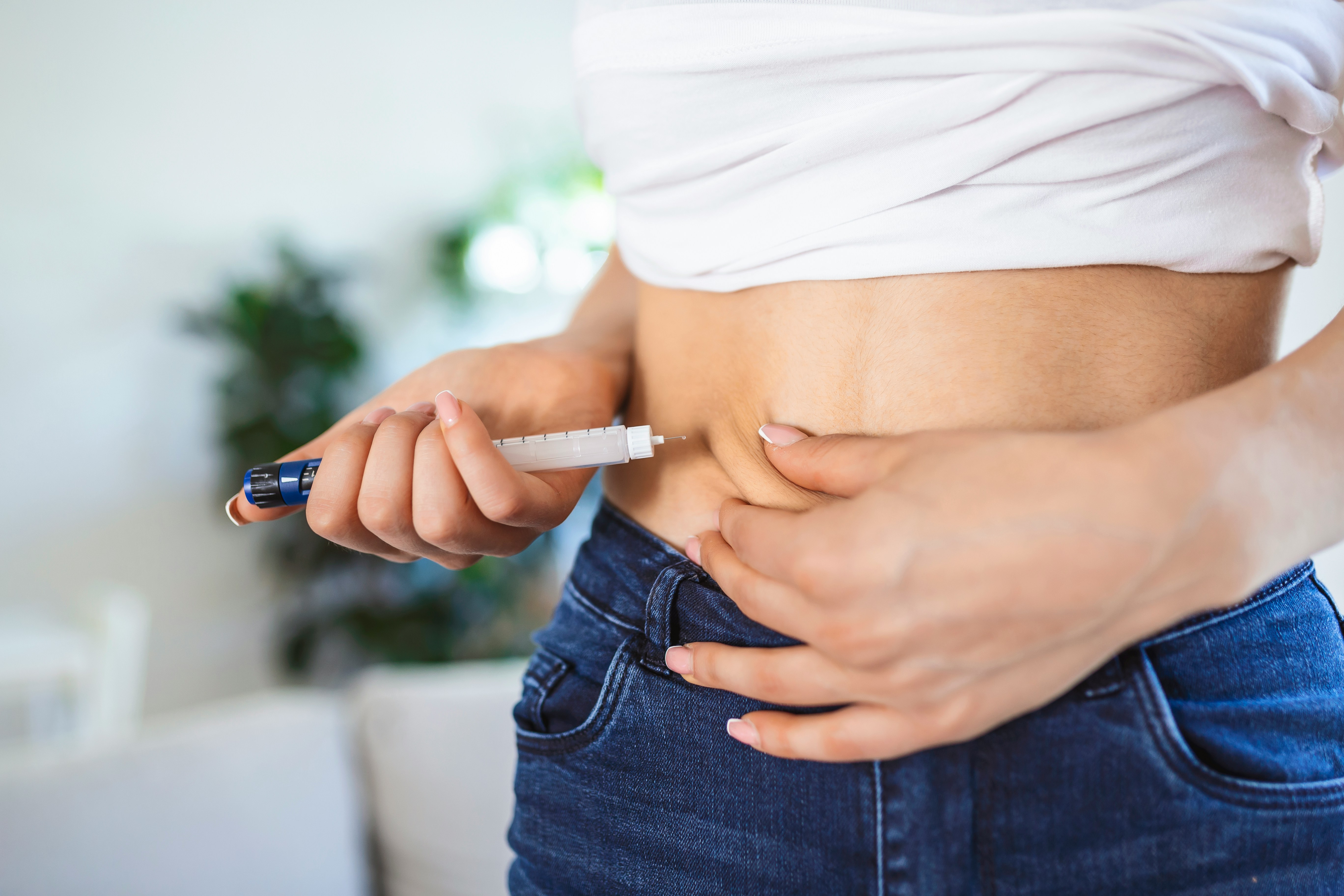
Ozempic (semaglutide) — typically used for type 2 diabetes:
Common titration for glycemic control: start 0.25 mg weekly for 4 weeks (dose intended for tolerability), then 0.5 mg weekly; may be increased to 1.0 mg or higher depending on response and prescriber judgment.
Doses used specifically for chronic weight management are higher and marketed as Wegovy (semaglutide) with escalation up to 2.4 mg weekly.
Wegovy (semaglutide for weight management)
Specifically approved for weight management at higher weekly doses (up to 2.4 mg) with a structured escalation schedule.
Other agents (examples)
Tirzepatide (Mounjaro) and other GLP-1/GIP combinations may produce greater average weight loss in trials; individual responses vary.
Practical dose-related considerations
Faster or larger doses that cause rapid appetite suppression may lead to faster weight loss, potentially increasing the risk of visible facial volume change.
Dose adjustments and the pace of weight loss should be managed jointly with a clinician.
Safety notes and who should avoid GLP-1s like Ozempic
GLP-1 receptor agonists are generally effective but not suitable for everyone. Important considerations:
Contraindications and precautions
Known personal or family history of medullary thyroid carcinoma (MTC) or multiple endocrine neoplasia syndrome type 2 (MEN2): semaglutide has a boxed warning in some labels relating to thyroid C-cell tumors in rodents.
Pregnancy and breastfeeding: these medications are not recommended due to limited safety data and because weight loss is not advised during pregnancy.
History of pancreatitis or severe gastrointestinal disease: discuss risks with your clinician.
Not for type 1 diabetes or diabetic ketoacidosis.
Common side effects
Nausea, vomiting, diarrhea, and constipation are frequent, typically improving with dose titration.
If appetite suppression causes very low intake or rapid weight loss, reassess the treatment plan.
When to reassess
If weight loss is very rapid, if you experience signs of malnutrition, or if your albumin or other nutrition markers drop, consult your healthcare team.
Adjustments may include slowing dose escalation, nutritional counseling, or changing therapy.
Monitoring while on therapy
Regular monitoring supports safety and helps identify contributors to unwanted facial changes.
Track weight trend consistently rather than only isolated measurements.
Monitor nutritional biomarkers when indicated: Albumin and Vitamin D levels can reveal nutritional or metabolic issues needing correction.
Routine clinical follow-up for side effects, glycemic control (if applicable), and appropriate labs as recommended by your clinician.
Takeaways
Ozempic face describes facial slimming reported by people using semaglutide and similar drugs; available evidence indicates this is predominantly due to overall fat and volume loss associated with weight reduction.
Slower weight loss, adequate protein and calories, resistance training, and monitoring of biomarkers (Weight trend, Albumin, Vitamin D) can help preserve facial and overall lean mass.
Compare options (Ozempic vs Wegovy vs other agents) and dosing with your clinician to balance benefits and the pace of weight loss.
If weight loss is too rapid or intake is low, reassess your plan promptly with a healthcare professional.
Conclusion
Facial changes during treatment with Ozempic or other GLP-1s are best understood as an expected outcome of weight loss for some people, not as an unexplained direct toxicity to facial tissues. Thoughtful planning—gradual weight change, nutritional support, strength training, and clinician monitoring—can reduce the likelihood of noticeable facial volume loss while maintaining the metabolic benefits of therapy.
Join Mito to test 100+ biomarkers and get concierge-level guidance from your care team
Mito Health: Helping you live healthier, longer.
In-depth bloodwork & holistic health advice, backed by the latest longevity science. Only $399.
‘Ozempic Face’ Explained: It’s Not the Medication, It’s the Momentum
Ozempic face describes facial volume loss tied to GLP-1 weight-loss drugs. This article explains causes, who's at risk, mechanisms, assessment clues, and management options online.
Written by
Mito Team
Ozempic face: what it is, why it happens, and how to reduce facial volume loss
Understanding reports about an Ozempic face is important for people using GLP-1 medications for diabetes or weight management. This article explains what the phrase refers to, what the evidence says, why facial changes tend to occur with weight loss, and practical strategies to reduce unwanted facial volume loss while prioritizing safety.
Ozempic face — is it real?
Many people report a slimmer face after starting semaglutide (branded as Ozempic) or other GLP-1 receptor agonists. The short answer: reports of facial slimming are real as an observed outcome, but current evidence suggests this is a consequence of overall weight and fat loss rather than a unique toxic effect on facial tissues.
What the evidence shows
Case reports, observational studies, and patient surveys describe facial thinning after substantial weight loss on GLP-1s.
Clinical and anatomical studies indicate that facial changes in adults primarily reflect loss of subcutaneous fat, bone contour, and changes in soft-tissue support with age and weight change.
There is no consistent evidence that semaglutide causes a drug-specific degeneration of facial tissue independent of body weight change.
Why facial changes occur with weight-loss medications
Facial appearance depends on the balance of fat, muscle, bone, and skin elasticity. When people lose weight, fat tends to decrease from multiple regions, including the face. Key points:
Fat loss distribution varies by person; some lose more facial fat for genetic or age-related reasons.
Rapid weight loss can make loss of soft-tissue volume and skin laxity more noticeable.
Aging reduces skin elasticity and facial fat pads, so weight loss can accentuate an older appearance.
Practical mitigation strategies
If you are concerned about facial volume loss while using Ozempic or another weight-loss medication, consider these evidence-informed approaches. None guarantee a specific cosmetic outcome, but they can support healthier, more gradual body-composition change.
Slow weight loss
Aim for gradual weight reduction (for example, 0.5–1% of body weight per week) unless supervised otherwise by a clinician.
Slower loss preserves more lean mass and gives skin more time to adapt.
Nutrition and protein
Adequate protein intake helps retain muscle mass during weight loss.
Monitor key biomarkers: Weight trend, Albumin (as a general marker of nutritional status), and Vitamin D (important for musculoskeletal health).
Ensure sufficient caloric intake to avoid excessive loss of lean tissue.
Resistance and facial-strengthening exercise
Progressive resistance training preserves and builds skeletal muscle, which helps maintain overall body shape.
Facial exercises have limited evidence; focus primarily on full-body strength training to preserve overall lean mass.
Hydration, sleep, and sun protection
Good hydration, quality sleep, and avoiding excessive UV exposure support skin health and elasticity.
Cosmetic and dermatologic options
Non-surgical options (dermal fillers, skin-tightening procedures) can address focal volume loss but should be discussed with a qualified clinician.
These are elective, have costs and risks, and do not change the underlying metabolic drivers of weight loss.
Comparing GLP-1 options and dosing considerations
Different GLP-1 receptor agonists and formulations vary in dose, approved use, and weight-loss effect. Choosing and dosing should be individualized with a clinician.
Ozempic (semaglutide) — typically used for type 2 diabetes:
Common titration for glycemic control: start 0.25 mg weekly for 4 weeks (dose intended for tolerability), then 0.5 mg weekly; may be increased to 1.0 mg or higher depending on response and prescriber judgment.
Doses used specifically for chronic weight management are higher and marketed as Wegovy (semaglutide) with escalation up to 2.4 mg weekly.
Wegovy (semaglutide for weight management)
Specifically approved for weight management at higher weekly doses (up to 2.4 mg) with a structured escalation schedule.
Other agents (examples)
Tirzepatide (Mounjaro) and other GLP-1/GIP combinations may produce greater average weight loss in trials; individual responses vary.
Practical dose-related considerations
Faster or larger doses that cause rapid appetite suppression may lead to faster weight loss, potentially increasing the risk of visible facial volume change.
Dose adjustments and the pace of weight loss should be managed jointly with a clinician.
Safety notes and who should avoid GLP-1s like Ozempic
GLP-1 receptor agonists are generally effective but not suitable for everyone. Important considerations:
Contraindications and precautions
Known personal or family history of medullary thyroid carcinoma (MTC) or multiple endocrine neoplasia syndrome type 2 (MEN2): semaglutide has a boxed warning in some labels relating to thyroid C-cell tumors in rodents.
Pregnancy and breastfeeding: these medications are not recommended due to limited safety data and because weight loss is not advised during pregnancy.
History of pancreatitis or severe gastrointestinal disease: discuss risks with your clinician.
Not for type 1 diabetes or diabetic ketoacidosis.
Common side effects
Nausea, vomiting, diarrhea, and constipation are frequent, typically improving with dose titration.
If appetite suppression causes very low intake or rapid weight loss, reassess the treatment plan.
When to reassess
If weight loss is very rapid, if you experience signs of malnutrition, or if your albumin or other nutrition markers drop, consult your healthcare team.
Adjustments may include slowing dose escalation, nutritional counseling, or changing therapy.
Monitoring while on therapy
Regular monitoring supports safety and helps identify contributors to unwanted facial changes.
Track weight trend consistently rather than only isolated measurements.
Monitor nutritional biomarkers when indicated: Albumin and Vitamin D levels can reveal nutritional or metabolic issues needing correction.
Routine clinical follow-up for side effects, glycemic control (if applicable), and appropriate labs as recommended by your clinician.
Takeaways
Ozempic face describes facial slimming reported by people using semaglutide and similar drugs; available evidence indicates this is predominantly due to overall fat and volume loss associated with weight reduction.
Slower weight loss, adequate protein and calories, resistance training, and monitoring of biomarkers (Weight trend, Albumin, Vitamin D) can help preserve facial and overall lean mass.
Compare options (Ozempic vs Wegovy vs other agents) and dosing with your clinician to balance benefits and the pace of weight loss.
If weight loss is too rapid or intake is low, reassess your plan promptly with a healthcare professional.
Conclusion
Facial changes during treatment with Ozempic or other GLP-1s are best understood as an expected outcome of weight loss for some people, not as an unexplained direct toxicity to facial tissues. Thoughtful planning—gradual weight change, nutritional support, strength training, and clinician monitoring—can reduce the likelihood of noticeable facial volume loss while maintaining the metabolic benefits of therapy.
Join Mito to test 100+ biomarkers and get concierge-level guidance from your care team
Mito Health: Helping you live healthier, longer.
In-depth bloodwork & holistic health advice, backed by the latest longevity science. Only $399.
‘Ozempic Face’ Explained: It’s Not the Medication, It’s the Momentum
Ozempic face describes facial volume loss tied to GLP-1 weight-loss drugs. This article explains causes, who's at risk, mechanisms, assessment clues, and management options online.
Written by
Mito Team
Ozempic face: what it is, why it happens, and how to reduce facial volume loss
Understanding reports about an Ozempic face is important for people using GLP-1 medications for diabetes or weight management. This article explains what the phrase refers to, what the evidence says, why facial changes tend to occur with weight loss, and practical strategies to reduce unwanted facial volume loss while prioritizing safety.
Ozempic face — is it real?
Many people report a slimmer face after starting semaglutide (branded as Ozempic) or other GLP-1 receptor agonists. The short answer: reports of facial slimming are real as an observed outcome, but current evidence suggests this is a consequence of overall weight and fat loss rather than a unique toxic effect on facial tissues.
What the evidence shows
Case reports, observational studies, and patient surveys describe facial thinning after substantial weight loss on GLP-1s.
Clinical and anatomical studies indicate that facial changes in adults primarily reflect loss of subcutaneous fat, bone contour, and changes in soft-tissue support with age and weight change.
There is no consistent evidence that semaglutide causes a drug-specific degeneration of facial tissue independent of body weight change.
Why facial changes occur with weight-loss medications
Facial appearance depends on the balance of fat, muscle, bone, and skin elasticity. When people lose weight, fat tends to decrease from multiple regions, including the face. Key points:
Fat loss distribution varies by person; some lose more facial fat for genetic or age-related reasons.
Rapid weight loss can make loss of soft-tissue volume and skin laxity more noticeable.
Aging reduces skin elasticity and facial fat pads, so weight loss can accentuate an older appearance.
Practical mitigation strategies
If you are concerned about facial volume loss while using Ozempic or another weight-loss medication, consider these evidence-informed approaches. None guarantee a specific cosmetic outcome, but they can support healthier, more gradual body-composition change.
Slow weight loss
Aim for gradual weight reduction (for example, 0.5–1% of body weight per week) unless supervised otherwise by a clinician.
Slower loss preserves more lean mass and gives skin more time to adapt.
Nutrition and protein
Adequate protein intake helps retain muscle mass during weight loss.
Monitor key biomarkers: Weight trend, Albumin (as a general marker of nutritional status), and Vitamin D (important for musculoskeletal health).
Ensure sufficient caloric intake to avoid excessive loss of lean tissue.
Resistance and facial-strengthening exercise
Progressive resistance training preserves and builds skeletal muscle, which helps maintain overall body shape.
Facial exercises have limited evidence; focus primarily on full-body strength training to preserve overall lean mass.
Hydration, sleep, and sun protection
Good hydration, quality sleep, and avoiding excessive UV exposure support skin health and elasticity.
Cosmetic and dermatologic options
Non-surgical options (dermal fillers, skin-tightening procedures) can address focal volume loss but should be discussed with a qualified clinician.
These are elective, have costs and risks, and do not change the underlying metabolic drivers of weight loss.
Comparing GLP-1 options and dosing considerations
Different GLP-1 receptor agonists and formulations vary in dose, approved use, and weight-loss effect. Choosing and dosing should be individualized with a clinician.
Ozempic (semaglutide) — typically used for type 2 diabetes:
Common titration for glycemic control: start 0.25 mg weekly for 4 weeks (dose intended for tolerability), then 0.5 mg weekly; may be increased to 1.0 mg or higher depending on response and prescriber judgment.
Doses used specifically for chronic weight management are higher and marketed as Wegovy (semaglutide) with escalation up to 2.4 mg weekly.
Wegovy (semaglutide for weight management)
Specifically approved for weight management at higher weekly doses (up to 2.4 mg) with a structured escalation schedule.
Other agents (examples)
Tirzepatide (Mounjaro) and other GLP-1/GIP combinations may produce greater average weight loss in trials; individual responses vary.
Practical dose-related considerations
Faster or larger doses that cause rapid appetite suppression may lead to faster weight loss, potentially increasing the risk of visible facial volume change.
Dose adjustments and the pace of weight loss should be managed jointly with a clinician.
Safety notes and who should avoid GLP-1s like Ozempic
GLP-1 receptor agonists are generally effective but not suitable for everyone. Important considerations:
Contraindications and precautions
Known personal or family history of medullary thyroid carcinoma (MTC) or multiple endocrine neoplasia syndrome type 2 (MEN2): semaglutide has a boxed warning in some labels relating to thyroid C-cell tumors in rodents.
Pregnancy and breastfeeding: these medications are not recommended due to limited safety data and because weight loss is not advised during pregnancy.
History of pancreatitis or severe gastrointestinal disease: discuss risks with your clinician.
Not for type 1 diabetes or diabetic ketoacidosis.
Common side effects
Nausea, vomiting, diarrhea, and constipation are frequent, typically improving with dose titration.
If appetite suppression causes very low intake or rapid weight loss, reassess the treatment plan.
When to reassess
If weight loss is very rapid, if you experience signs of malnutrition, or if your albumin or other nutrition markers drop, consult your healthcare team.
Adjustments may include slowing dose escalation, nutritional counseling, or changing therapy.
Monitoring while on therapy
Regular monitoring supports safety and helps identify contributors to unwanted facial changes.
Track weight trend consistently rather than only isolated measurements.
Monitor nutritional biomarkers when indicated: Albumin and Vitamin D levels can reveal nutritional or metabolic issues needing correction.
Routine clinical follow-up for side effects, glycemic control (if applicable), and appropriate labs as recommended by your clinician.
Takeaways
Ozempic face describes facial slimming reported by people using semaglutide and similar drugs; available evidence indicates this is predominantly due to overall fat and volume loss associated with weight reduction.
Slower weight loss, adequate protein and calories, resistance training, and monitoring of biomarkers (Weight trend, Albumin, Vitamin D) can help preserve facial and overall lean mass.
Compare options (Ozempic vs Wegovy vs other agents) and dosing with your clinician to balance benefits and the pace of weight loss.
If weight loss is too rapid or intake is low, reassess your plan promptly with a healthcare professional.
Conclusion
Facial changes during treatment with Ozempic or other GLP-1s are best understood as an expected outcome of weight loss for some people, not as an unexplained direct toxicity to facial tissues. Thoughtful planning—gradual weight change, nutritional support, strength training, and clinician monitoring—can reduce the likelihood of noticeable facial volume loss while maintaining the metabolic benefits of therapy.
Join Mito to test 100+ biomarkers and get concierge-level guidance from your care team
‘Ozempic Face’ Explained: It’s Not the Medication, It’s the Momentum
Ozempic face describes facial volume loss tied to GLP-1 weight-loss drugs. This article explains causes, who's at risk, mechanisms, assessment clues, and management options online.
Written by
Mito Team
Ozempic face: what it is, why it happens, and how to reduce facial volume loss
Understanding reports about an Ozempic face is important for people using GLP-1 medications for diabetes or weight management. This article explains what the phrase refers to, what the evidence says, why facial changes tend to occur with weight loss, and practical strategies to reduce unwanted facial volume loss while prioritizing safety.
Ozempic face — is it real?
Many people report a slimmer face after starting semaglutide (branded as Ozempic) or other GLP-1 receptor agonists. The short answer: reports of facial slimming are real as an observed outcome, but current evidence suggests this is a consequence of overall weight and fat loss rather than a unique toxic effect on facial tissues.
What the evidence shows
Case reports, observational studies, and patient surveys describe facial thinning after substantial weight loss on GLP-1s.
Clinical and anatomical studies indicate that facial changes in adults primarily reflect loss of subcutaneous fat, bone contour, and changes in soft-tissue support with age and weight change.
There is no consistent evidence that semaglutide causes a drug-specific degeneration of facial tissue independent of body weight change.
Why facial changes occur with weight-loss medications
Facial appearance depends on the balance of fat, muscle, bone, and skin elasticity. When people lose weight, fat tends to decrease from multiple regions, including the face. Key points:
Fat loss distribution varies by person; some lose more facial fat for genetic or age-related reasons.
Rapid weight loss can make loss of soft-tissue volume and skin laxity more noticeable.
Aging reduces skin elasticity and facial fat pads, so weight loss can accentuate an older appearance.
Practical mitigation strategies
If you are concerned about facial volume loss while using Ozempic or another weight-loss medication, consider these evidence-informed approaches. None guarantee a specific cosmetic outcome, but they can support healthier, more gradual body-composition change.
Slow weight loss
Aim for gradual weight reduction (for example, 0.5–1% of body weight per week) unless supervised otherwise by a clinician.
Slower loss preserves more lean mass and gives skin more time to adapt.
Nutrition and protein
Adequate protein intake helps retain muscle mass during weight loss.
Monitor key biomarkers: Weight trend, Albumin (as a general marker of nutritional status), and Vitamin D (important for musculoskeletal health).
Ensure sufficient caloric intake to avoid excessive loss of lean tissue.
Resistance and facial-strengthening exercise
Progressive resistance training preserves and builds skeletal muscle, which helps maintain overall body shape.
Facial exercises have limited evidence; focus primarily on full-body strength training to preserve overall lean mass.
Hydration, sleep, and sun protection
Good hydration, quality sleep, and avoiding excessive UV exposure support skin health and elasticity.
Cosmetic and dermatologic options
Non-surgical options (dermal fillers, skin-tightening procedures) can address focal volume loss but should be discussed with a qualified clinician.
These are elective, have costs and risks, and do not change the underlying metabolic drivers of weight loss.
Comparing GLP-1 options and dosing considerations
Different GLP-1 receptor agonists and formulations vary in dose, approved use, and weight-loss effect. Choosing and dosing should be individualized with a clinician.
Ozempic (semaglutide) — typically used for type 2 diabetes:
Common titration for glycemic control: start 0.25 mg weekly for 4 weeks (dose intended for tolerability), then 0.5 mg weekly; may be increased to 1.0 mg or higher depending on response and prescriber judgment.
Doses used specifically for chronic weight management are higher and marketed as Wegovy (semaglutide) with escalation up to 2.4 mg weekly.
Wegovy (semaglutide for weight management)
Specifically approved for weight management at higher weekly doses (up to 2.4 mg) with a structured escalation schedule.
Other agents (examples)
Tirzepatide (Mounjaro) and other GLP-1/GIP combinations may produce greater average weight loss in trials; individual responses vary.
Practical dose-related considerations
Faster or larger doses that cause rapid appetite suppression may lead to faster weight loss, potentially increasing the risk of visible facial volume change.
Dose adjustments and the pace of weight loss should be managed jointly with a clinician.
Safety notes and who should avoid GLP-1s like Ozempic
GLP-1 receptor agonists are generally effective but not suitable for everyone. Important considerations:
Contraindications and precautions
Known personal or family history of medullary thyroid carcinoma (MTC) or multiple endocrine neoplasia syndrome type 2 (MEN2): semaglutide has a boxed warning in some labels relating to thyroid C-cell tumors in rodents.
Pregnancy and breastfeeding: these medications are not recommended due to limited safety data and because weight loss is not advised during pregnancy.
History of pancreatitis or severe gastrointestinal disease: discuss risks with your clinician.
Not for type 1 diabetes or diabetic ketoacidosis.
Common side effects
Nausea, vomiting, diarrhea, and constipation are frequent, typically improving with dose titration.
If appetite suppression causes very low intake or rapid weight loss, reassess the treatment plan.
When to reassess
If weight loss is very rapid, if you experience signs of malnutrition, or if your albumin or other nutrition markers drop, consult your healthcare team.
Adjustments may include slowing dose escalation, nutritional counseling, or changing therapy.
Monitoring while on therapy
Regular monitoring supports safety and helps identify contributors to unwanted facial changes.
Track weight trend consistently rather than only isolated measurements.
Monitor nutritional biomarkers when indicated: Albumin and Vitamin D levels can reveal nutritional or metabolic issues needing correction.
Routine clinical follow-up for side effects, glycemic control (if applicable), and appropriate labs as recommended by your clinician.
Takeaways
Ozempic face describes facial slimming reported by people using semaglutide and similar drugs; available evidence indicates this is predominantly due to overall fat and volume loss associated with weight reduction.
Slower weight loss, adequate protein and calories, resistance training, and monitoring of biomarkers (Weight trend, Albumin, Vitamin D) can help preserve facial and overall lean mass.
Compare options (Ozempic vs Wegovy vs other agents) and dosing with your clinician to balance benefits and the pace of weight loss.
If weight loss is too rapid or intake is low, reassess your plan promptly with a healthcare professional.
Conclusion
Facial changes during treatment with Ozempic or other GLP-1s are best understood as an expected outcome of weight loss for some people, not as an unexplained direct toxicity to facial tissues. Thoughtful planning—gradual weight change, nutritional support, strength training, and clinician monitoring—can reduce the likelihood of noticeable facial volume loss while maintaining the metabolic benefits of therapy.
Join Mito to test 100+ biomarkers and get concierge-level guidance from your care team
Mito Health: Helping you live healthier, longer.
In-depth bloodwork & holistic health advice, backed by the latest longevity science. Only $399.
Recently published

What could cost you $15,000? $349 with Mito.
No hidden fees. No subscription traps. Just real care.
What's included
Core Test - Comprehensive lab test covering 100+ biomarkers
Clinician reviewed insights and action plan
1:1 consultation with a real clinician
Upload past lab reports for lifetime tracking
Dedicated 1:1 health coaching
Duo Bundle (For 2)
Most popular
$798
$668
$130 off (17%)
Individual
$399
$349
$50 off (13%)
What could cost you $15,000? $349 with Mito.
No hidden fees. No subscription traps. Just real care.
What's included
Core Test - Comprehensive lab test covering 100+ biomarkers
Clinician reviewed insights and action plan
1:1 consultation with a real clinician
Upload past lab reports for lifetime tracking
Dedicated 1:1 health coaching
Duo Bundle (For 2)
Most popular
$798
$668
$130 off (17%)
Individual
$399
$349
$50 off (13%)
What could cost you $15,000? $349 with Mito.
No hidden fees. No subscription traps. Just real care.
What's included
Core Test - Comprehensive lab test covering 100+ biomarkers
Clinician reviewed insights and action plan
1:1 consultation with a real clinician
Upload past lab reports for lifetime tracking
Dedicated 1:1 health coaching
Duo Bundle (For 2)
Most popular
$798
$668
$130 off (17%)
Individual
$399
$349
$50 off (13%)
What could cost you $15,000? $349 with Mito.
No hidden fees. No subscription traps. Just real care.
Core Test - Comprehensive lab test covering 100+ biomarkers
Clinician reviewed insights and action plan
1:1 consultation with a real clinician
Upload past lab reports for lifetime tracking
Dedicated 1:1 health coaching
What's included
Duo Bundle (For 2)
Most popular
$798
$668
$130 off (17%)
Individual
$399
$349
$50 off (13%)