
Mito Health: Helping you live healthier, longer.
In-depth bloodwork & holistic health advice, backed by the latest longevity science. Only $399.
Microdosing GLP‑1: The ‘Gentle’ Approach That Still Needs a Plan
Microdosing GLP-1s aims to reduce weight and side effects by using lower doses. This article explains potential benefits, how GLP-1 acts, dosing trade-offs, and monitoring markers.

Written by
Mito Team
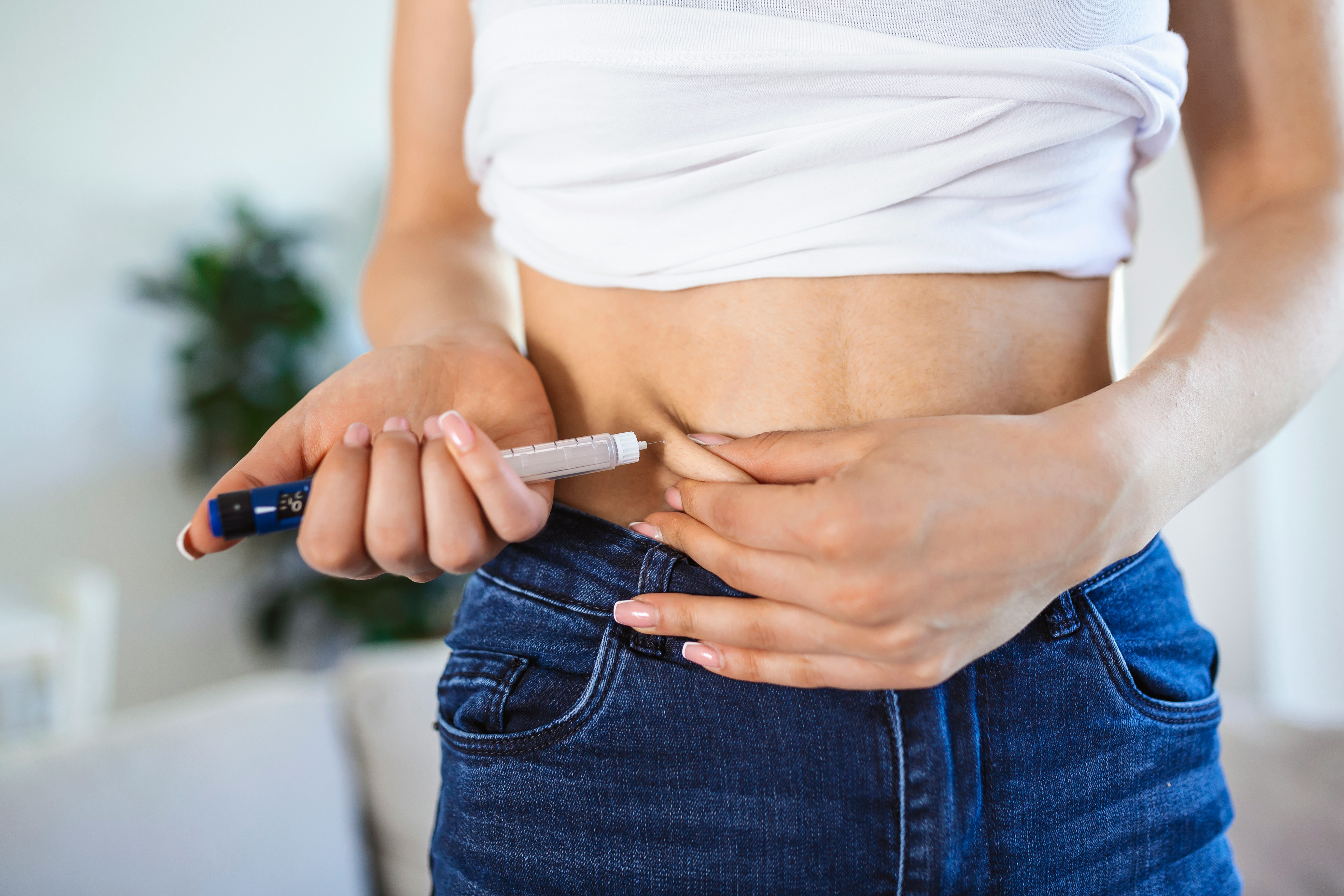
Microdosing GLP-1: What Low-Dose Semaglutide Weight Loss Means and What to Expect
Microdosing GLP-1 refers to using lower-than-standard doses of GLP-1 receptor agonists (GLP-1 RAs) with the aim of reducing side effects while still obtaining metabolic benefits. Interest in microdosing has grown alongside broader use of GLP-1s for type 2 diabetes and obesity. This article explains the evidence, practical considerations, monitoring biomarkers, and safety issues tied to low-dose semaglutide weight loss strategies.
What is microdosing GLP-1?
Microdosing GLP-1 means intentionally using smaller doses and/or slower titration of GLP-1 receptor agonists than typical clinical protocols. The goal is to find the lowest dose that achieves a patient’s objectives (for example modest weight loss or improved glycemic markers) with acceptable tolerability.
GLP-1 RAs act on appetite, gastric emptying, and insulin secretion. Because these effects are dose-dependent, lowering the dose usually reduces both therapeutic benefit and side effects. Clinical guidance emphasizes individualized dosing based on goals and tolerability.
Forms and agents to compare
Semaglutide: available as weekly subcutaneous injections (brand names Ozempic, Wegovy) and an oral daily tablet (Rybelsus). Wegovy dosing for weight uses higher target doses than diabetes formulations.
Tirzepatide: a dual GIP/GLP-1 agonist with potent, dose-dependent weight and glycemic effects; not strictly a GLP-1 monotherapy but relevant for comparisons.
Older GLP-1s: exenatide and dulaglutide have different dosing schedules and tolerability profiles.
Oral vs injectable semaglutide can matter for tolerability and adherence; however, pharmacologic potency and dose-response relationships remain central considerations.
What the evidence says about low-dose semaglutide and weight loss
Randomized trials of semaglutide and other GLP-1 RAs demonstrate a clear dose–response relationship: higher doses generally produce greater reductions in body weight and HbA1c. Large obesity trials used semaglutide 2.4 mg weekly to achieve substantial weight loss over months.
Lower doses (for example 0.25–0.5 mg weekly) are often used as initial steps in titration or in diabetes care. Observational reports and smaller studies suggest that lower doses produce smaller weight and metabolic effects but tend to cause fewer gastrointestinal adverse effects. High-quality evidence specifically testing deliberate long-term microdosing strategies is limited.
Clinical interpretation:
Expect reduced efficacy with lower doses compared with approved full-dose regimens.
Expect improved short-term tolerability at lower doses.
Long-term trade-offs (less weight loss vs fewer side effects) depend on individual goals.
Safety, side effects, and contraindications
Common side effects of GLP-1 RAs are gastrointestinal: nausea, vomiting, diarrhea, and constipation. These tend to be more frequent during dose escalation and are often dose-related.
Less common but important risks include:
Pancreatitis (rare) — monitor symptoms and stop therapy if suspected.
Gallbladder disease and gallstones — risk may increase with rapid weight loss.
Increased resting heart rate in some patients.
Thyroid C‑cell tumors in rodent studies; relevance to humans is uncertain but family history of medullary thyroid carcinoma or MEN2 is a contraindication.
Do not self-adjust dosing; coordinate with prescriber to avoid underdosing or side effects.
Who should avoid or use caution:
Pregnant or breastfeeding people.
Personal or family history of medullary thyroid carcinoma or MEN2.
History of pancreatitis or severe GI motility disorders.
Patients on insulin or insulin secretagogues require close glucose monitoring to reduce hypoglycemia risk.
Pediatric use depends on approved indications and specialist guidance.
Dosing and monitoring considerations
Approved dosing schedules are evidence-based and intended to balance efficacy and tolerability. For example:
Semaglutide injections: common diabetes starter doses (0.25 mg weekly) are for initial tolerability; maintenance doses for diabetes typically 0.5–1.0 mg weekly; weight-management dosing can escalate to 2.4 mg weekly.
Oral semaglutide: daily dosing with specific fasting and coadministration instructions.
If a prescriber is considering a low-dose strategy, practical monitoring should include baseline and follow-up measures to assess benefit and safety:
HbA1c: baseline and every 3 months while adjusting therapy if glycemic control is a goal.
Weight trend: regular measurements (for example every 4–12 weeks) to assess efficacy of a low-dose approach.
Triglycerides: baseline and periodic monitoring, since weight loss and improved glycemia can affect lipid metabolism.
General titration and follow-up steps:
Obtain baseline labs (HbA1c, fasting lipids including triglycerides, renal function as indicated).
Begin at a tolerable starting dose, per prescriber guidance.
Reassess symptoms and biomarkers at planned intervals (commonly 4–12 weeks).
Adjust dose only under medical supervision based on goals and side effects.
Clinical trade-offs: efficacy versus tolerability
Choosing a dose is a balance: the “right” dose is the lowest dose that achieves the patient’s goals with tolerable symptoms. For some individuals, modest weight loss with minimal side effects is preferable; others may accept more side effects for greater efficacy.
Key considerations for decision-making:
Treatment goal (glycemic control vs magnitude of weight loss).
Comorbidities and risk profile.
Patient preferences and tolerability.
Monitoring capacity for biomarkers and clinical follow-up.
Takeaways and conclusion
Microdosing GLP-1 (including low-dose semaglutide strategies) can reduce gastrointestinal side effects but usually reduces treatment efficacy compared with full-dose regimens. Evidence supports a dose-response relationship for weight loss and glycemic improvement; high-quality data specifically on long-term microdosing strategies are limited.
Carefully monitor biomarkers—HbA1c, weight trend, and triglycerides—to judge whether a low-dose approach is meeting goals. Always coordinate dosing changes with a prescriber and follow approved titration schedules when possible. Avoid use in pregnancy, certain thyroid cancer risks, and other contraindicated conditions.
If considering microdosing GLP-1 or low dose semaglutide weight loss strategies, discuss individualized goals, monitoring plans, and safety precautions with your clinician before changing therapy.
Join Mito to test 100+ biomarkers and get concierge-level guidance from your care team
Mito Health: Helping you live healthier, longer.
In-depth bloodwork & holistic health advice, backed by the latest longevity science. Only $399.
Microdosing GLP‑1: The ‘Gentle’ Approach That Still Needs a Plan
Microdosing GLP-1s aims to reduce weight and side effects by using lower doses. This article explains potential benefits, how GLP-1 acts, dosing trade-offs, and monitoring markers.
Written by
Mito Team
Microdosing GLP-1: What Low-Dose Semaglutide Weight Loss Means and What to Expect
Microdosing GLP-1 refers to using lower-than-standard doses of GLP-1 receptor agonists (GLP-1 RAs) with the aim of reducing side effects while still obtaining metabolic benefits. Interest in microdosing has grown alongside broader use of GLP-1s for type 2 diabetes and obesity. This article explains the evidence, practical considerations, monitoring biomarkers, and safety issues tied to low-dose semaglutide weight loss strategies.
What is microdosing GLP-1?
Microdosing GLP-1 means intentionally using smaller doses and/or slower titration of GLP-1 receptor agonists than typical clinical protocols. The goal is to find the lowest dose that achieves a patient’s objectives (for example modest weight loss or improved glycemic markers) with acceptable tolerability.
GLP-1 RAs act on appetite, gastric emptying, and insulin secretion. Because these effects are dose-dependent, lowering the dose usually reduces both therapeutic benefit and side effects. Clinical guidance emphasizes individualized dosing based on goals and tolerability.
Forms and agents to compare
Semaglutide: available as weekly subcutaneous injections (brand names Ozempic, Wegovy) and an oral daily tablet (Rybelsus). Wegovy dosing for weight uses higher target doses than diabetes formulations.
Tirzepatide: a dual GIP/GLP-1 agonist with potent, dose-dependent weight and glycemic effects; not strictly a GLP-1 monotherapy but relevant for comparisons.
Older GLP-1s: exenatide and dulaglutide have different dosing schedules and tolerability profiles.
Oral vs injectable semaglutide can matter for tolerability and adherence; however, pharmacologic potency and dose-response relationships remain central considerations.
What the evidence says about low-dose semaglutide and weight loss
Randomized trials of semaglutide and other GLP-1 RAs demonstrate a clear dose–response relationship: higher doses generally produce greater reductions in body weight and HbA1c. Large obesity trials used semaglutide 2.4 mg weekly to achieve substantial weight loss over months.
Lower doses (for example 0.25–0.5 mg weekly) are often used as initial steps in titration or in diabetes care. Observational reports and smaller studies suggest that lower doses produce smaller weight and metabolic effects but tend to cause fewer gastrointestinal adverse effects. High-quality evidence specifically testing deliberate long-term microdosing strategies is limited.
Clinical interpretation:
Expect reduced efficacy with lower doses compared with approved full-dose regimens.
Expect improved short-term tolerability at lower doses.
Long-term trade-offs (less weight loss vs fewer side effects) depend on individual goals.
Safety, side effects, and contraindications
Common side effects of GLP-1 RAs are gastrointestinal: nausea, vomiting, diarrhea, and constipation. These tend to be more frequent during dose escalation and are often dose-related.
Less common but important risks include:
Pancreatitis (rare) — monitor symptoms and stop therapy if suspected.
Gallbladder disease and gallstones — risk may increase with rapid weight loss.
Increased resting heart rate in some patients.
Thyroid C‑cell tumors in rodent studies; relevance to humans is uncertain but family history of medullary thyroid carcinoma or MEN2 is a contraindication.
Do not self-adjust dosing; coordinate with prescriber to avoid underdosing or side effects.
Who should avoid or use caution:
Pregnant or breastfeeding people.
Personal or family history of medullary thyroid carcinoma or MEN2.
History of pancreatitis or severe GI motility disorders.
Patients on insulin or insulin secretagogues require close glucose monitoring to reduce hypoglycemia risk.
Pediatric use depends on approved indications and specialist guidance.
Dosing and monitoring considerations
Approved dosing schedules are evidence-based and intended to balance efficacy and tolerability. For example:
Semaglutide injections: common diabetes starter doses (0.25 mg weekly) are for initial tolerability; maintenance doses for diabetes typically 0.5–1.0 mg weekly; weight-management dosing can escalate to 2.4 mg weekly.
Oral semaglutide: daily dosing with specific fasting and coadministration instructions.
If a prescriber is considering a low-dose strategy, practical monitoring should include baseline and follow-up measures to assess benefit and safety:
HbA1c: baseline and every 3 months while adjusting therapy if glycemic control is a goal.
Weight trend: regular measurements (for example every 4–12 weeks) to assess efficacy of a low-dose approach.
Triglycerides: baseline and periodic monitoring, since weight loss and improved glycemia can affect lipid metabolism.
General titration and follow-up steps:
Obtain baseline labs (HbA1c, fasting lipids including triglycerides, renal function as indicated).
Begin at a tolerable starting dose, per prescriber guidance.
Reassess symptoms and biomarkers at planned intervals (commonly 4–12 weeks).
Adjust dose only under medical supervision based on goals and side effects.
Clinical trade-offs: efficacy versus tolerability
Choosing a dose is a balance: the “right” dose is the lowest dose that achieves the patient’s goals with tolerable symptoms. For some individuals, modest weight loss with minimal side effects is preferable; others may accept more side effects for greater efficacy.
Key considerations for decision-making:
Treatment goal (glycemic control vs magnitude of weight loss).
Comorbidities and risk profile.
Patient preferences and tolerability.
Monitoring capacity for biomarkers and clinical follow-up.
Takeaways and conclusion
Microdosing GLP-1 (including low-dose semaglutide strategies) can reduce gastrointestinal side effects but usually reduces treatment efficacy compared with full-dose regimens. Evidence supports a dose-response relationship for weight loss and glycemic improvement; high-quality data specifically on long-term microdosing strategies are limited.
Carefully monitor biomarkers—HbA1c, weight trend, and triglycerides—to judge whether a low-dose approach is meeting goals. Always coordinate dosing changes with a prescriber and follow approved titration schedules when possible. Avoid use in pregnancy, certain thyroid cancer risks, and other contraindicated conditions.
If considering microdosing GLP-1 or low dose semaglutide weight loss strategies, discuss individualized goals, monitoring plans, and safety precautions with your clinician before changing therapy.
Join Mito to test 100+ biomarkers and get concierge-level guidance from your care team
Mito Health: Helping you live healthier, longer.
In-depth bloodwork & holistic health advice, backed by the latest longevity science. Only $399.
Microdosing GLP‑1: The ‘Gentle’ Approach That Still Needs a Plan
Microdosing GLP-1s aims to reduce weight and side effects by using lower doses. This article explains potential benefits, how GLP-1 acts, dosing trade-offs, and monitoring markers.
Written by
Mito Team
Microdosing GLP-1: What Low-Dose Semaglutide Weight Loss Means and What to Expect
Microdosing GLP-1 refers to using lower-than-standard doses of GLP-1 receptor agonists (GLP-1 RAs) with the aim of reducing side effects while still obtaining metabolic benefits. Interest in microdosing has grown alongside broader use of GLP-1s for type 2 diabetes and obesity. This article explains the evidence, practical considerations, monitoring biomarkers, and safety issues tied to low-dose semaglutide weight loss strategies.
What is microdosing GLP-1?
Microdosing GLP-1 means intentionally using smaller doses and/or slower titration of GLP-1 receptor agonists than typical clinical protocols. The goal is to find the lowest dose that achieves a patient’s objectives (for example modest weight loss or improved glycemic markers) with acceptable tolerability.
GLP-1 RAs act on appetite, gastric emptying, and insulin secretion. Because these effects are dose-dependent, lowering the dose usually reduces both therapeutic benefit and side effects. Clinical guidance emphasizes individualized dosing based on goals and tolerability.
Forms and agents to compare
Semaglutide: available as weekly subcutaneous injections (brand names Ozempic, Wegovy) and an oral daily tablet (Rybelsus). Wegovy dosing for weight uses higher target doses than diabetes formulations.
Tirzepatide: a dual GIP/GLP-1 agonist with potent, dose-dependent weight and glycemic effects; not strictly a GLP-1 monotherapy but relevant for comparisons.
Older GLP-1s: exenatide and dulaglutide have different dosing schedules and tolerability profiles.
Oral vs injectable semaglutide can matter for tolerability and adherence; however, pharmacologic potency and dose-response relationships remain central considerations.
What the evidence says about low-dose semaglutide and weight loss
Randomized trials of semaglutide and other GLP-1 RAs demonstrate a clear dose–response relationship: higher doses generally produce greater reductions in body weight and HbA1c. Large obesity trials used semaglutide 2.4 mg weekly to achieve substantial weight loss over months.
Lower doses (for example 0.25–0.5 mg weekly) are often used as initial steps in titration or in diabetes care. Observational reports and smaller studies suggest that lower doses produce smaller weight and metabolic effects but tend to cause fewer gastrointestinal adverse effects. High-quality evidence specifically testing deliberate long-term microdosing strategies is limited.
Clinical interpretation:
Expect reduced efficacy with lower doses compared with approved full-dose regimens.
Expect improved short-term tolerability at lower doses.
Long-term trade-offs (less weight loss vs fewer side effects) depend on individual goals.
Safety, side effects, and contraindications
Common side effects of GLP-1 RAs are gastrointestinal: nausea, vomiting, diarrhea, and constipation. These tend to be more frequent during dose escalation and are often dose-related.
Less common but important risks include:
Pancreatitis (rare) — monitor symptoms and stop therapy if suspected.
Gallbladder disease and gallstones — risk may increase with rapid weight loss.
Increased resting heart rate in some patients.
Thyroid C‑cell tumors in rodent studies; relevance to humans is uncertain but family history of medullary thyroid carcinoma or MEN2 is a contraindication.
Do not self-adjust dosing; coordinate with prescriber to avoid underdosing or side effects.
Who should avoid or use caution:
Pregnant or breastfeeding people.
Personal or family history of medullary thyroid carcinoma or MEN2.
History of pancreatitis or severe GI motility disorders.
Patients on insulin or insulin secretagogues require close glucose monitoring to reduce hypoglycemia risk.
Pediatric use depends on approved indications and specialist guidance.
Dosing and monitoring considerations
Approved dosing schedules are evidence-based and intended to balance efficacy and tolerability. For example:
Semaglutide injections: common diabetes starter doses (0.25 mg weekly) are for initial tolerability; maintenance doses for diabetes typically 0.5–1.0 mg weekly; weight-management dosing can escalate to 2.4 mg weekly.
Oral semaglutide: daily dosing with specific fasting and coadministration instructions.
If a prescriber is considering a low-dose strategy, practical monitoring should include baseline and follow-up measures to assess benefit and safety:
HbA1c: baseline and every 3 months while adjusting therapy if glycemic control is a goal.
Weight trend: regular measurements (for example every 4–12 weeks) to assess efficacy of a low-dose approach.
Triglycerides: baseline and periodic monitoring, since weight loss and improved glycemia can affect lipid metabolism.
General titration and follow-up steps:
Obtain baseline labs (HbA1c, fasting lipids including triglycerides, renal function as indicated).
Begin at a tolerable starting dose, per prescriber guidance.
Reassess symptoms and biomarkers at planned intervals (commonly 4–12 weeks).
Adjust dose only under medical supervision based on goals and side effects.
Clinical trade-offs: efficacy versus tolerability
Choosing a dose is a balance: the “right” dose is the lowest dose that achieves the patient’s goals with tolerable symptoms. For some individuals, modest weight loss with minimal side effects is preferable; others may accept more side effects for greater efficacy.
Key considerations for decision-making:
Treatment goal (glycemic control vs magnitude of weight loss).
Comorbidities and risk profile.
Patient preferences and tolerability.
Monitoring capacity for biomarkers and clinical follow-up.
Takeaways and conclusion
Microdosing GLP-1 (including low-dose semaglutide strategies) can reduce gastrointestinal side effects but usually reduces treatment efficacy compared with full-dose regimens. Evidence supports a dose-response relationship for weight loss and glycemic improvement; high-quality data specifically on long-term microdosing strategies are limited.
Carefully monitor biomarkers—HbA1c, weight trend, and triglycerides—to judge whether a low-dose approach is meeting goals. Always coordinate dosing changes with a prescriber and follow approved titration schedules when possible. Avoid use in pregnancy, certain thyroid cancer risks, and other contraindicated conditions.
If considering microdosing GLP-1 or low dose semaglutide weight loss strategies, discuss individualized goals, monitoring plans, and safety precautions with your clinician before changing therapy.
Join Mito to test 100+ biomarkers and get concierge-level guidance from your care team
Microdosing GLP‑1: The ‘Gentle’ Approach That Still Needs a Plan
Microdosing GLP-1s aims to reduce weight and side effects by using lower doses. This article explains potential benefits, how GLP-1 acts, dosing trade-offs, and monitoring markers.
Written by
Mito Team
Microdosing GLP-1: What Low-Dose Semaglutide Weight Loss Means and What to Expect
Microdosing GLP-1 refers to using lower-than-standard doses of GLP-1 receptor agonists (GLP-1 RAs) with the aim of reducing side effects while still obtaining metabolic benefits. Interest in microdosing has grown alongside broader use of GLP-1s for type 2 diabetes and obesity. This article explains the evidence, practical considerations, monitoring biomarkers, and safety issues tied to low-dose semaglutide weight loss strategies.
What is microdosing GLP-1?
Microdosing GLP-1 means intentionally using smaller doses and/or slower titration of GLP-1 receptor agonists than typical clinical protocols. The goal is to find the lowest dose that achieves a patient’s objectives (for example modest weight loss or improved glycemic markers) with acceptable tolerability.
GLP-1 RAs act on appetite, gastric emptying, and insulin secretion. Because these effects are dose-dependent, lowering the dose usually reduces both therapeutic benefit and side effects. Clinical guidance emphasizes individualized dosing based on goals and tolerability.
Forms and agents to compare
Semaglutide: available as weekly subcutaneous injections (brand names Ozempic, Wegovy) and an oral daily tablet (Rybelsus). Wegovy dosing for weight uses higher target doses than diabetes formulations.
Tirzepatide: a dual GIP/GLP-1 agonist with potent, dose-dependent weight and glycemic effects; not strictly a GLP-1 monotherapy but relevant for comparisons.
Older GLP-1s: exenatide and dulaglutide have different dosing schedules and tolerability profiles.
Oral vs injectable semaglutide can matter for tolerability and adherence; however, pharmacologic potency and dose-response relationships remain central considerations.
What the evidence says about low-dose semaglutide and weight loss
Randomized trials of semaglutide and other GLP-1 RAs demonstrate a clear dose–response relationship: higher doses generally produce greater reductions in body weight and HbA1c. Large obesity trials used semaglutide 2.4 mg weekly to achieve substantial weight loss over months.
Lower doses (for example 0.25–0.5 mg weekly) are often used as initial steps in titration or in diabetes care. Observational reports and smaller studies suggest that lower doses produce smaller weight and metabolic effects but tend to cause fewer gastrointestinal adverse effects. High-quality evidence specifically testing deliberate long-term microdosing strategies is limited.
Clinical interpretation:
Expect reduced efficacy with lower doses compared with approved full-dose regimens.
Expect improved short-term tolerability at lower doses.
Long-term trade-offs (less weight loss vs fewer side effects) depend on individual goals.
Safety, side effects, and contraindications
Common side effects of GLP-1 RAs are gastrointestinal: nausea, vomiting, diarrhea, and constipation. These tend to be more frequent during dose escalation and are often dose-related.
Less common but important risks include:
Pancreatitis (rare) — monitor symptoms and stop therapy if suspected.
Gallbladder disease and gallstones — risk may increase with rapid weight loss.
Increased resting heart rate in some patients.
Thyroid C‑cell tumors in rodent studies; relevance to humans is uncertain but family history of medullary thyroid carcinoma or MEN2 is a contraindication.
Do not self-adjust dosing; coordinate with prescriber to avoid underdosing or side effects.
Who should avoid or use caution:
Pregnant or breastfeeding people.
Personal or family history of medullary thyroid carcinoma or MEN2.
History of pancreatitis or severe GI motility disorders.
Patients on insulin or insulin secretagogues require close glucose monitoring to reduce hypoglycemia risk.
Pediatric use depends on approved indications and specialist guidance.
Dosing and monitoring considerations
Approved dosing schedules are evidence-based and intended to balance efficacy and tolerability. For example:
Semaglutide injections: common diabetes starter doses (0.25 mg weekly) are for initial tolerability; maintenance doses for diabetes typically 0.5–1.0 mg weekly; weight-management dosing can escalate to 2.4 mg weekly.
Oral semaglutide: daily dosing with specific fasting and coadministration instructions.
If a prescriber is considering a low-dose strategy, practical monitoring should include baseline and follow-up measures to assess benefit and safety:
HbA1c: baseline and every 3 months while adjusting therapy if glycemic control is a goal.
Weight trend: regular measurements (for example every 4–12 weeks) to assess efficacy of a low-dose approach.
Triglycerides: baseline and periodic monitoring, since weight loss and improved glycemia can affect lipid metabolism.
General titration and follow-up steps:
Obtain baseline labs (HbA1c, fasting lipids including triglycerides, renal function as indicated).
Begin at a tolerable starting dose, per prescriber guidance.
Reassess symptoms and biomarkers at planned intervals (commonly 4–12 weeks).
Adjust dose only under medical supervision based on goals and side effects.
Clinical trade-offs: efficacy versus tolerability
Choosing a dose is a balance: the “right” dose is the lowest dose that achieves the patient’s goals with tolerable symptoms. For some individuals, modest weight loss with minimal side effects is preferable; others may accept more side effects for greater efficacy.
Key considerations for decision-making:
Treatment goal (glycemic control vs magnitude of weight loss).
Comorbidities and risk profile.
Patient preferences and tolerability.
Monitoring capacity for biomarkers and clinical follow-up.
Takeaways and conclusion
Microdosing GLP-1 (including low-dose semaglutide strategies) can reduce gastrointestinal side effects but usually reduces treatment efficacy compared with full-dose regimens. Evidence supports a dose-response relationship for weight loss and glycemic improvement; high-quality data specifically on long-term microdosing strategies are limited.
Carefully monitor biomarkers—HbA1c, weight trend, and triglycerides—to judge whether a low-dose approach is meeting goals. Always coordinate dosing changes with a prescriber and follow approved titration schedules when possible. Avoid use in pregnancy, certain thyroid cancer risks, and other contraindicated conditions.
If considering microdosing GLP-1 or low dose semaglutide weight loss strategies, discuss individualized goals, monitoring plans, and safety precautions with your clinician before changing therapy.
Join Mito to test 100+ biomarkers and get concierge-level guidance from your care team
Mito Health: Helping you live healthier, longer.
In-depth bloodwork & holistic health advice, backed by the latest longevity science. Only $399.
Recently published




What could cost you $15,000? $349 with Mito.
No hidden fees. No subscription traps. Just real care.
What's included
Core Test - Comprehensive lab test covering 100+ biomarkers
Clinician reviewed insights and action plan
1:1 consultation with a real clinician
Upload past lab reports for lifetime tracking
Dedicated 1:1 health coaching
Duo Bundle (For 2)
Most popular
$798
$668
$130 off (17%)
Individual
$399
$349
$50 off (13%)
What could cost you $15,000? $349 with Mito.
No hidden fees. No subscription traps. Just real care.
What's included
Core Test - Comprehensive lab test covering 100+ biomarkers
Clinician reviewed insights and action plan
1:1 consultation with a real clinician
Upload past lab reports for lifetime tracking
Dedicated 1:1 health coaching
Duo Bundle (For 2)
Most popular
$798
$668
$130 off (17%)
Individual
$399
$349
$50 off (13%)
What could cost you $15,000? $349 with Mito.
No hidden fees. No subscription traps. Just real care.
What's included
Core Test - Comprehensive lab test covering 100+ biomarkers
Clinician reviewed insights and action plan
1:1 consultation with a real clinician
Upload past lab reports for lifetime tracking
Dedicated 1:1 health coaching
Duo Bundle (For 2)
Most popular
$798
$668
$130 off (17%)
Individual
$399
$349
$50 off (13%)
What could cost you $15,000? $349 with Mito.
No hidden fees. No subscription traps. Just real care.
Core Test - Comprehensive lab test covering 100+ biomarkers
Clinician reviewed insights and action plan
1:1 consultation with a real clinician
Upload past lab reports for lifetime tracking
Dedicated 1:1 health coaching
What's included
Duo Bundle (For 2)
Most popular
$798
$668
$130 off (17%)
Individual
$399
$349
$50 off (13%)