
Mito Health: Helping you live healthier, longer.
In-depth bloodwork & holistic health advice, backed by the latest longevity science. Only $399.
GLP‑1 + Alcohol: What Changes (and What’s Worth It)
GLP-1 drugs modify appetite and reward circuits; this article examines their effects on alcohol craving and consumption, brain mechanisms involved, and clinical markers to monitor.

Written by
Mito Team
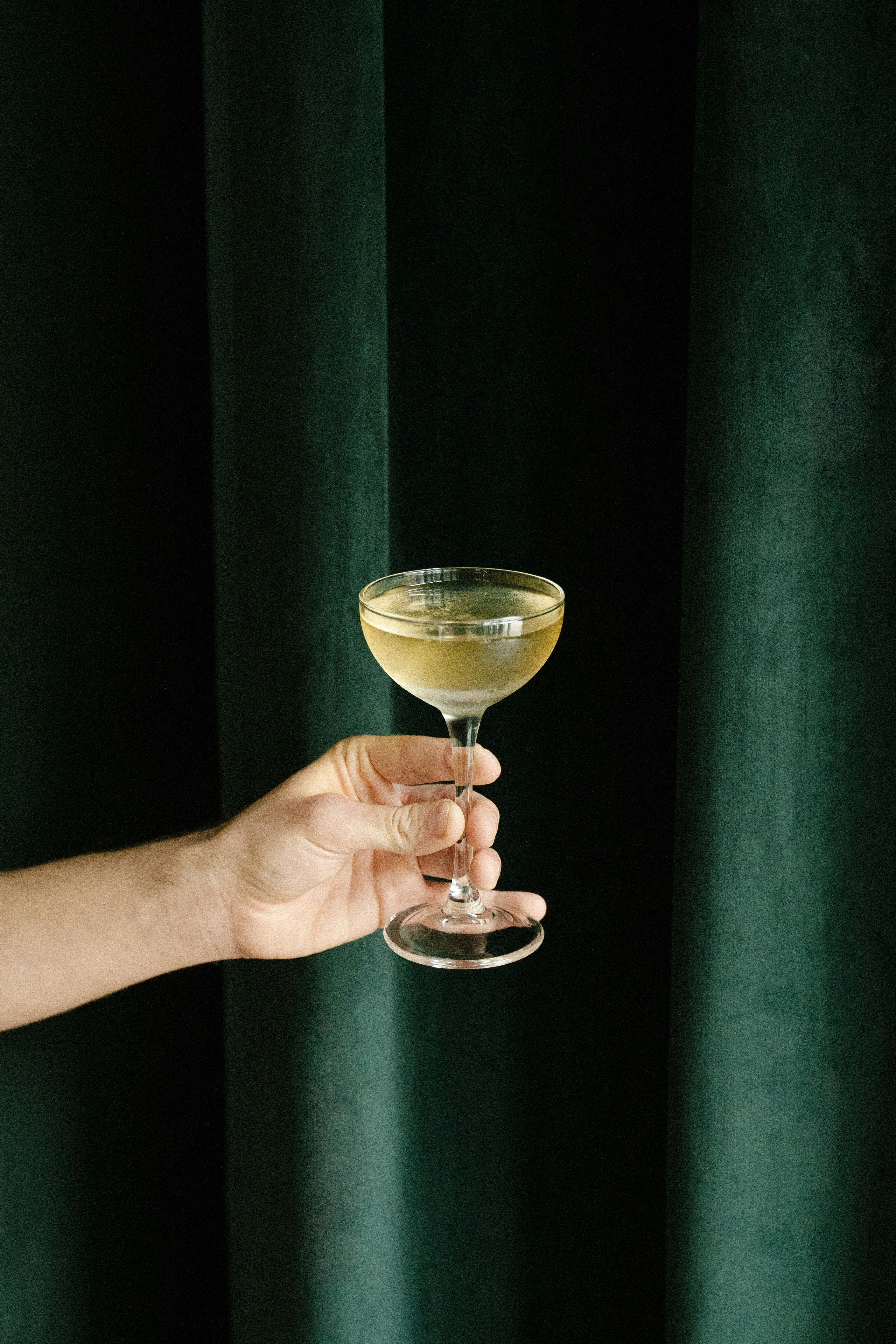
GLP-1 and alcohol: what to know about nausea, reflux, liver markers and weight-loss momentum
GLP-1 and alcohol interact in ways that matter for symptoms, safety, and metabolic progress. GLP-1 receptor agonists (like semaglutide and other incretin-based medicines) commonly cause nausea and slow gastric emptying. Alcohol can worsen those same symptoms, add calories, and affect sleep and glucose control — all of which can blunt fat-loss momentum and alter liver and metabolic biomarkers such as ALT, triglycerides, and HbA1c.
How GLP-1 drugs affect digestion and why alcohol matters
GLP-1 medications slow gastric emptying and reduce appetite, which helps with glucose control and weight change for many people. The same effects that help with satiety also raise the likelihood of nausea, vomiting, and reflux, particularly during dose escalation or when doses are missed or changed.
Alcohol can:
Irritate the stomach lining and relax the lower esophageal sphincter, increasing reflux and heartburn.
Interact with slowed gastric emptying to increase the sensation of nausea or fullness.
Increase caloric intake without producing lasting satiety, undermining weight-loss efforts.
The combination of GLP-1–related GI effects plus alcohol’s direct effects on the gut is the main reason many people notice worsened nausea or reflux when drinking while taking these medications.
Practical considerations when drinking alcohol on Wegovy Ozempic
If you are using semaglutide formulations (branded as Wegovy for weight management and Ozempic for type 2 diabetes) you may need to be especially cautious with alcohol. Drinking alcohol on Wegovy Ozempic can increase GI side effects, temporarily worsen glucose control, and add extra calories that counter weight-loss effects.
Tips to reduce problems:
Delay alcohol intake if you’re newly starting or recently increased the dose until GI symptoms stabilize.
Prefer low-volume and lower-calorie drinks; avoid sugar-heavy cocktails that add triglyceride-causing calories.
Avoid drinking on an empty stomach if you experience nausea, and avoid lying down immediately after drinking to reduce reflux.
Monitor symptoms after alcohol — if nausea, vomiting, or severe reflux occur, stop alcohol and contact your care team.
Comparing GLP-1 formulations and alcohol interactions
Not all GLP-1 drugs are identical. Differences can affect how alcohol is tolerated:
Injectable semaglutide (Wegovy/Ozempic): weekly dosing with a stepwise titration. GI side effects often occur during titration and may interact with alcohol most strongly during that period.
Oral semaglutide (Rybelsus): daily dosing with specific fasting/with-water instructions. Alcohol doesn’t affect absorption directly but can increase GI upset.
Dual agonists (e.g., tirzepatide/Mounjaro): similar GI profile to GLP-1 drugs, sometimes with comparable or greater rates of nausea; expect similar alcohol considerations.
Overall, the timing of side effects (often early in treatment or after dose increases) is more predictive of alcohol intolerance than the route of administration. Always follow product-specific dosing schedules and your prescriber’s instructions.
How alcohol affects liver and metabolic biomarkers
Alcohol and GLP-1 drugs may independently or jointly influence laboratory markers used to track liver and metabolic health:
ALT (alanine aminotransferase): a marker of liver cell injury. Heavy alcohol use can raise ALT. If you have pre-existing liver disease or elevated ALT, combine alcohol with a medication that can cause GI stress and metabolic shifts increases the need for careful monitoring.
Triglycerides: alcohol, especially in large amounts or as sugary drinks, can raise triglycerides. High triglycerides raise pancreatitis risk and can blunt metabolic improvements from weight-loss medication.
HbA1c: alcohol can destabilize blood glucose control, particularly with irregular eating or when combined with insulin or sulfonylureas. Occasional moderate alcohol may have little effect on long-term HbA1c for some, but heavy or binge drinking worsens glycemic management.
Regular lab monitoring (baseline and periodic ALT, triglycerides, and HbA1c) helps track whether alcohol or medication is affecting liver or metabolic health.
Dosing and usage considerations related to alcohol
There are no formal universal dosing rules that pair GLP-1 drugs with alcohol, but practical measures can reduce risks:
Titrate slowly: follow recommended step-up dosing (for example, semaglutide titration) to minimize GI side effects before introducing alcohol.
Time alcohol away from dose adjustments: avoid drinking in the first days after a dose increase, when nausea risk is higher.
Follow medication-specific guidance: oral semaglutide requires fasting rules that alcohol may complicate; for injectables, maintain weekly timing and avoid excessive alcohol around injection days if you notice symptom spikes.
Coordinate with other glucose-lowering drugs: if you use insulin or sulfonylureas, alcohol may increase hypoglycemia risk, so review dosing with your clinician.
Always follow your prescriber’s instructions and the medication’s prescribing information for accurate dosing schedules.
Safety notes and who should avoid alcohol while on GLP-1 therapy
Certain people should avoid or use heightened caution with alcohol while taking GLP-1 therapies:
History of pancreatitis: avoid alcohol and discuss alternative treatments. Both heavy alcohol use and high triglycerides increase pancreatitis risk; GLP-1 therapy has been associated with rare pancreatitis reports.
Active liver disease or markedly elevated ALT: alcohol can worsen liver injury and complicate treatment decisions.
Heavy or binge drinkers: alcohol-related metabolic effects (triglycerides, glycemic variability, liver injury) can counteract benefits and increase risks.
People using insulin or sulfonylureas: risk of delayed hypoglycemia with alcohol — coordinate meal timing and medication dosing.
If you have any of the above conditions, consult your clinician before drinking while on GLP-1 therapy.
Monitoring and when to seek help
Regular monitoring helps detect problems early:
Baseline labs: ALT, fasting triglycerides, and HbA1c before or soon after starting therapy.
Follow-up labs: repeat testing based on your clinician’s plan or sooner if symptoms emerge.
Watch for warning signs: severe abdominal pain (possible pancreatitis), persistent vomiting, jaundice, or signs of hypoglycemia. Seek medical attention promptly if these occur.
Reporting new or worsening symptoms to your prescriber ensures safe ongoing care.
What the evidence shows — cautious summary
Evidence supports that GLP-1s slow gastric emptying and commonly cause transient GI side effects; alcohol independently irritates the GI tract and affects metabolism. Direct randomized-trial data on alcohol combined with GLP-1 therapy are limited, so recommendations are based on physiologic plausibility, postmarketing safety reports, and class effects.
Conservative, evidence-informed guidance favors minimizing alcohol, particularly during dose escalation, and using extra caution with known liver disease, heavy drinking, or pancreatitis history.
Takeaways
GLP-1 and alcohol often interact to worsen nausea and reflux because both slow or irritate the GI tract.
Drinking alcohol on Wegovy Ozempic can add calories, disrupt sleep and glucose control, and blunt weight-loss momentum.
Monitor biomarkers (ALT, triglycerides, HbA1c) before and during therapy to detect metabolic or liver-related changes.
Avoid alcohol if you have a history of pancreatitis; use extra caution with liver disease or heavy alcohol use.
Start slowly, avoid heavy or binge drinking, and consult your clinician about timing, dosing, and interactions with other glucose-lowering medicines.
Conclusion
GLP-1 therapies can be effective for glucose control and weight management, but alcohol use alters symptoms and metabolic signals that matter for safety and success. Work with your clinician to personalize guidance, monitor labs, and adjust behavior or medications to reduce risk and support treatment goals.
Join Mito to test 100+ biomarkers and get concierge-level guidance from your care team
Mito Health: Helping you live healthier, longer.
In-depth bloodwork & holistic health advice, backed by the latest longevity science. Only $399.
GLP‑1 + Alcohol: What Changes (and What’s Worth It)
GLP-1 drugs modify appetite and reward circuits; this article examines their effects on alcohol craving and consumption, brain mechanisms involved, and clinical markers to monitor.
Written by
Mito Team
GLP-1 and alcohol: what to know about nausea, reflux, liver markers and weight-loss momentum
GLP-1 and alcohol interact in ways that matter for symptoms, safety, and metabolic progress. GLP-1 receptor agonists (like semaglutide and other incretin-based medicines) commonly cause nausea and slow gastric emptying. Alcohol can worsen those same symptoms, add calories, and affect sleep and glucose control — all of which can blunt fat-loss momentum and alter liver and metabolic biomarkers such as ALT, triglycerides, and HbA1c.
How GLP-1 drugs affect digestion and why alcohol matters
GLP-1 medications slow gastric emptying and reduce appetite, which helps with glucose control and weight change for many people. The same effects that help with satiety also raise the likelihood of nausea, vomiting, and reflux, particularly during dose escalation or when doses are missed or changed.
Alcohol can:
Irritate the stomach lining and relax the lower esophageal sphincter, increasing reflux and heartburn.
Interact with slowed gastric emptying to increase the sensation of nausea or fullness.
Increase caloric intake without producing lasting satiety, undermining weight-loss efforts.
The combination of GLP-1–related GI effects plus alcohol’s direct effects on the gut is the main reason many people notice worsened nausea or reflux when drinking while taking these medications.
Practical considerations when drinking alcohol on Wegovy Ozempic
If you are using semaglutide formulations (branded as Wegovy for weight management and Ozempic for type 2 diabetes) you may need to be especially cautious with alcohol. Drinking alcohol on Wegovy Ozempic can increase GI side effects, temporarily worsen glucose control, and add extra calories that counter weight-loss effects.
Tips to reduce problems:
Delay alcohol intake if you’re newly starting or recently increased the dose until GI symptoms stabilize.
Prefer low-volume and lower-calorie drinks; avoid sugar-heavy cocktails that add triglyceride-causing calories.
Avoid drinking on an empty stomach if you experience nausea, and avoid lying down immediately after drinking to reduce reflux.
Monitor symptoms after alcohol — if nausea, vomiting, or severe reflux occur, stop alcohol and contact your care team.
Comparing GLP-1 formulations and alcohol interactions
Not all GLP-1 drugs are identical. Differences can affect how alcohol is tolerated:
Injectable semaglutide (Wegovy/Ozempic): weekly dosing with a stepwise titration. GI side effects often occur during titration and may interact with alcohol most strongly during that period.
Oral semaglutide (Rybelsus): daily dosing with specific fasting/with-water instructions. Alcohol doesn’t affect absorption directly but can increase GI upset.
Dual agonists (e.g., tirzepatide/Mounjaro): similar GI profile to GLP-1 drugs, sometimes with comparable or greater rates of nausea; expect similar alcohol considerations.
Overall, the timing of side effects (often early in treatment or after dose increases) is more predictive of alcohol intolerance than the route of administration. Always follow product-specific dosing schedules and your prescriber’s instructions.
How alcohol affects liver and metabolic biomarkers
Alcohol and GLP-1 drugs may independently or jointly influence laboratory markers used to track liver and metabolic health:
ALT (alanine aminotransferase): a marker of liver cell injury. Heavy alcohol use can raise ALT. If you have pre-existing liver disease or elevated ALT, combine alcohol with a medication that can cause GI stress and metabolic shifts increases the need for careful monitoring.
Triglycerides: alcohol, especially in large amounts or as sugary drinks, can raise triglycerides. High triglycerides raise pancreatitis risk and can blunt metabolic improvements from weight-loss medication.
HbA1c: alcohol can destabilize blood glucose control, particularly with irregular eating or when combined with insulin or sulfonylureas. Occasional moderate alcohol may have little effect on long-term HbA1c for some, but heavy or binge drinking worsens glycemic management.
Regular lab monitoring (baseline and periodic ALT, triglycerides, and HbA1c) helps track whether alcohol or medication is affecting liver or metabolic health.
Dosing and usage considerations related to alcohol
There are no formal universal dosing rules that pair GLP-1 drugs with alcohol, but practical measures can reduce risks:
Titrate slowly: follow recommended step-up dosing (for example, semaglutide titration) to minimize GI side effects before introducing alcohol.
Time alcohol away from dose adjustments: avoid drinking in the first days after a dose increase, when nausea risk is higher.
Follow medication-specific guidance: oral semaglutide requires fasting rules that alcohol may complicate; for injectables, maintain weekly timing and avoid excessive alcohol around injection days if you notice symptom spikes.
Coordinate with other glucose-lowering drugs: if you use insulin or sulfonylureas, alcohol may increase hypoglycemia risk, so review dosing with your clinician.
Always follow your prescriber’s instructions and the medication’s prescribing information for accurate dosing schedules.
Safety notes and who should avoid alcohol while on GLP-1 therapy
Certain people should avoid or use heightened caution with alcohol while taking GLP-1 therapies:
History of pancreatitis: avoid alcohol and discuss alternative treatments. Both heavy alcohol use and high triglycerides increase pancreatitis risk; GLP-1 therapy has been associated with rare pancreatitis reports.
Active liver disease or markedly elevated ALT: alcohol can worsen liver injury and complicate treatment decisions.
Heavy or binge drinkers: alcohol-related metabolic effects (triglycerides, glycemic variability, liver injury) can counteract benefits and increase risks.
People using insulin or sulfonylureas: risk of delayed hypoglycemia with alcohol — coordinate meal timing and medication dosing.
If you have any of the above conditions, consult your clinician before drinking while on GLP-1 therapy.
Monitoring and when to seek help
Regular monitoring helps detect problems early:
Baseline labs: ALT, fasting triglycerides, and HbA1c before or soon after starting therapy.
Follow-up labs: repeat testing based on your clinician’s plan or sooner if symptoms emerge.
Watch for warning signs: severe abdominal pain (possible pancreatitis), persistent vomiting, jaundice, or signs of hypoglycemia. Seek medical attention promptly if these occur.
Reporting new or worsening symptoms to your prescriber ensures safe ongoing care.
What the evidence shows — cautious summary
Evidence supports that GLP-1s slow gastric emptying and commonly cause transient GI side effects; alcohol independently irritates the GI tract and affects metabolism. Direct randomized-trial data on alcohol combined with GLP-1 therapy are limited, so recommendations are based on physiologic plausibility, postmarketing safety reports, and class effects.
Conservative, evidence-informed guidance favors minimizing alcohol, particularly during dose escalation, and using extra caution with known liver disease, heavy drinking, or pancreatitis history.
Takeaways
GLP-1 and alcohol often interact to worsen nausea and reflux because both slow or irritate the GI tract.
Drinking alcohol on Wegovy Ozempic can add calories, disrupt sleep and glucose control, and blunt weight-loss momentum.
Monitor biomarkers (ALT, triglycerides, HbA1c) before and during therapy to detect metabolic or liver-related changes.
Avoid alcohol if you have a history of pancreatitis; use extra caution with liver disease or heavy alcohol use.
Start slowly, avoid heavy or binge drinking, and consult your clinician about timing, dosing, and interactions with other glucose-lowering medicines.
Conclusion
GLP-1 therapies can be effective for glucose control and weight management, but alcohol use alters symptoms and metabolic signals that matter for safety and success. Work with your clinician to personalize guidance, monitor labs, and adjust behavior or medications to reduce risk and support treatment goals.
Join Mito to test 100+ biomarkers and get concierge-level guidance from your care team
Mito Health: Helping you live healthier, longer.
In-depth bloodwork & holistic health advice, backed by the latest longevity science. Only $399.
GLP‑1 + Alcohol: What Changes (and What’s Worth It)
GLP-1 drugs modify appetite and reward circuits; this article examines their effects on alcohol craving and consumption, brain mechanisms involved, and clinical markers to monitor.
Written by
Mito Team
GLP-1 and alcohol: what to know about nausea, reflux, liver markers and weight-loss momentum
GLP-1 and alcohol interact in ways that matter for symptoms, safety, and metabolic progress. GLP-1 receptor agonists (like semaglutide and other incretin-based medicines) commonly cause nausea and slow gastric emptying. Alcohol can worsen those same symptoms, add calories, and affect sleep and glucose control — all of which can blunt fat-loss momentum and alter liver and metabolic biomarkers such as ALT, triglycerides, and HbA1c.
How GLP-1 drugs affect digestion and why alcohol matters
GLP-1 medications slow gastric emptying and reduce appetite, which helps with glucose control and weight change for many people. The same effects that help with satiety also raise the likelihood of nausea, vomiting, and reflux, particularly during dose escalation or when doses are missed or changed.
Alcohol can:
Irritate the stomach lining and relax the lower esophageal sphincter, increasing reflux and heartburn.
Interact with slowed gastric emptying to increase the sensation of nausea or fullness.
Increase caloric intake without producing lasting satiety, undermining weight-loss efforts.
The combination of GLP-1–related GI effects plus alcohol’s direct effects on the gut is the main reason many people notice worsened nausea or reflux when drinking while taking these medications.
Practical considerations when drinking alcohol on Wegovy Ozempic
If you are using semaglutide formulations (branded as Wegovy for weight management and Ozempic for type 2 diabetes) you may need to be especially cautious with alcohol. Drinking alcohol on Wegovy Ozempic can increase GI side effects, temporarily worsen glucose control, and add extra calories that counter weight-loss effects.
Tips to reduce problems:
Delay alcohol intake if you’re newly starting or recently increased the dose until GI symptoms stabilize.
Prefer low-volume and lower-calorie drinks; avoid sugar-heavy cocktails that add triglyceride-causing calories.
Avoid drinking on an empty stomach if you experience nausea, and avoid lying down immediately after drinking to reduce reflux.
Monitor symptoms after alcohol — if nausea, vomiting, or severe reflux occur, stop alcohol and contact your care team.
Comparing GLP-1 formulations and alcohol interactions
Not all GLP-1 drugs are identical. Differences can affect how alcohol is tolerated:
Injectable semaglutide (Wegovy/Ozempic): weekly dosing with a stepwise titration. GI side effects often occur during titration and may interact with alcohol most strongly during that period.
Oral semaglutide (Rybelsus): daily dosing with specific fasting/with-water instructions. Alcohol doesn’t affect absorption directly but can increase GI upset.
Dual agonists (e.g., tirzepatide/Mounjaro): similar GI profile to GLP-1 drugs, sometimes with comparable or greater rates of nausea; expect similar alcohol considerations.
Overall, the timing of side effects (often early in treatment or after dose increases) is more predictive of alcohol intolerance than the route of administration. Always follow product-specific dosing schedules and your prescriber’s instructions.
How alcohol affects liver and metabolic biomarkers
Alcohol and GLP-1 drugs may independently or jointly influence laboratory markers used to track liver and metabolic health:
ALT (alanine aminotransferase): a marker of liver cell injury. Heavy alcohol use can raise ALT. If you have pre-existing liver disease or elevated ALT, combine alcohol with a medication that can cause GI stress and metabolic shifts increases the need for careful monitoring.
Triglycerides: alcohol, especially in large amounts or as sugary drinks, can raise triglycerides. High triglycerides raise pancreatitis risk and can blunt metabolic improvements from weight-loss medication.
HbA1c: alcohol can destabilize blood glucose control, particularly with irregular eating or when combined with insulin or sulfonylureas. Occasional moderate alcohol may have little effect on long-term HbA1c for some, but heavy or binge drinking worsens glycemic management.
Regular lab monitoring (baseline and periodic ALT, triglycerides, and HbA1c) helps track whether alcohol or medication is affecting liver or metabolic health.
Dosing and usage considerations related to alcohol
There are no formal universal dosing rules that pair GLP-1 drugs with alcohol, but practical measures can reduce risks:
Titrate slowly: follow recommended step-up dosing (for example, semaglutide titration) to minimize GI side effects before introducing alcohol.
Time alcohol away from dose adjustments: avoid drinking in the first days after a dose increase, when nausea risk is higher.
Follow medication-specific guidance: oral semaglutide requires fasting rules that alcohol may complicate; for injectables, maintain weekly timing and avoid excessive alcohol around injection days if you notice symptom spikes.
Coordinate with other glucose-lowering drugs: if you use insulin or sulfonylureas, alcohol may increase hypoglycemia risk, so review dosing with your clinician.
Always follow your prescriber’s instructions and the medication’s prescribing information for accurate dosing schedules.
Safety notes and who should avoid alcohol while on GLP-1 therapy
Certain people should avoid or use heightened caution with alcohol while taking GLP-1 therapies:
History of pancreatitis: avoid alcohol and discuss alternative treatments. Both heavy alcohol use and high triglycerides increase pancreatitis risk; GLP-1 therapy has been associated with rare pancreatitis reports.
Active liver disease or markedly elevated ALT: alcohol can worsen liver injury and complicate treatment decisions.
Heavy or binge drinkers: alcohol-related metabolic effects (triglycerides, glycemic variability, liver injury) can counteract benefits and increase risks.
People using insulin or sulfonylureas: risk of delayed hypoglycemia with alcohol — coordinate meal timing and medication dosing.
If you have any of the above conditions, consult your clinician before drinking while on GLP-1 therapy.
Monitoring and when to seek help
Regular monitoring helps detect problems early:
Baseline labs: ALT, fasting triglycerides, and HbA1c before or soon after starting therapy.
Follow-up labs: repeat testing based on your clinician’s plan or sooner if symptoms emerge.
Watch for warning signs: severe abdominal pain (possible pancreatitis), persistent vomiting, jaundice, or signs of hypoglycemia. Seek medical attention promptly if these occur.
Reporting new or worsening symptoms to your prescriber ensures safe ongoing care.
What the evidence shows — cautious summary
Evidence supports that GLP-1s slow gastric emptying and commonly cause transient GI side effects; alcohol independently irritates the GI tract and affects metabolism. Direct randomized-trial data on alcohol combined with GLP-1 therapy are limited, so recommendations are based on physiologic plausibility, postmarketing safety reports, and class effects.
Conservative, evidence-informed guidance favors minimizing alcohol, particularly during dose escalation, and using extra caution with known liver disease, heavy drinking, or pancreatitis history.
Takeaways
GLP-1 and alcohol often interact to worsen nausea and reflux because both slow or irritate the GI tract.
Drinking alcohol on Wegovy Ozempic can add calories, disrupt sleep and glucose control, and blunt weight-loss momentum.
Monitor biomarkers (ALT, triglycerides, HbA1c) before and during therapy to detect metabolic or liver-related changes.
Avoid alcohol if you have a history of pancreatitis; use extra caution with liver disease or heavy alcohol use.
Start slowly, avoid heavy or binge drinking, and consult your clinician about timing, dosing, and interactions with other glucose-lowering medicines.
Conclusion
GLP-1 therapies can be effective for glucose control and weight management, but alcohol use alters symptoms and metabolic signals that matter for safety and success. Work with your clinician to personalize guidance, monitor labs, and adjust behavior or medications to reduce risk and support treatment goals.
Join Mito to test 100+ biomarkers and get concierge-level guidance from your care team
GLP‑1 + Alcohol: What Changes (and What’s Worth It)
GLP-1 drugs modify appetite and reward circuits; this article examines their effects on alcohol craving and consumption, brain mechanisms involved, and clinical markers to monitor.
Written by
Mito Team
GLP-1 and alcohol: what to know about nausea, reflux, liver markers and weight-loss momentum
GLP-1 and alcohol interact in ways that matter for symptoms, safety, and metabolic progress. GLP-1 receptor agonists (like semaglutide and other incretin-based medicines) commonly cause nausea and slow gastric emptying. Alcohol can worsen those same symptoms, add calories, and affect sleep and glucose control — all of which can blunt fat-loss momentum and alter liver and metabolic biomarkers such as ALT, triglycerides, and HbA1c.
How GLP-1 drugs affect digestion and why alcohol matters
GLP-1 medications slow gastric emptying and reduce appetite, which helps with glucose control and weight change for many people. The same effects that help with satiety also raise the likelihood of nausea, vomiting, and reflux, particularly during dose escalation or when doses are missed or changed.
Alcohol can:
Irritate the stomach lining and relax the lower esophageal sphincter, increasing reflux and heartburn.
Interact with slowed gastric emptying to increase the sensation of nausea or fullness.
Increase caloric intake without producing lasting satiety, undermining weight-loss efforts.
The combination of GLP-1–related GI effects plus alcohol’s direct effects on the gut is the main reason many people notice worsened nausea or reflux when drinking while taking these medications.
Practical considerations when drinking alcohol on Wegovy Ozempic
If you are using semaglutide formulations (branded as Wegovy for weight management and Ozempic for type 2 diabetes) you may need to be especially cautious with alcohol. Drinking alcohol on Wegovy Ozempic can increase GI side effects, temporarily worsen glucose control, and add extra calories that counter weight-loss effects.
Tips to reduce problems:
Delay alcohol intake if you’re newly starting or recently increased the dose until GI symptoms stabilize.
Prefer low-volume and lower-calorie drinks; avoid sugar-heavy cocktails that add triglyceride-causing calories.
Avoid drinking on an empty stomach if you experience nausea, and avoid lying down immediately after drinking to reduce reflux.
Monitor symptoms after alcohol — if nausea, vomiting, or severe reflux occur, stop alcohol and contact your care team.
Comparing GLP-1 formulations and alcohol interactions
Not all GLP-1 drugs are identical. Differences can affect how alcohol is tolerated:
Injectable semaglutide (Wegovy/Ozempic): weekly dosing with a stepwise titration. GI side effects often occur during titration and may interact with alcohol most strongly during that period.
Oral semaglutide (Rybelsus): daily dosing with specific fasting/with-water instructions. Alcohol doesn’t affect absorption directly but can increase GI upset.
Dual agonists (e.g., tirzepatide/Mounjaro): similar GI profile to GLP-1 drugs, sometimes with comparable or greater rates of nausea; expect similar alcohol considerations.
Overall, the timing of side effects (often early in treatment or after dose increases) is more predictive of alcohol intolerance than the route of administration. Always follow product-specific dosing schedules and your prescriber’s instructions.
How alcohol affects liver and metabolic biomarkers
Alcohol and GLP-1 drugs may independently or jointly influence laboratory markers used to track liver and metabolic health:
ALT (alanine aminotransferase): a marker of liver cell injury. Heavy alcohol use can raise ALT. If you have pre-existing liver disease or elevated ALT, combine alcohol with a medication that can cause GI stress and metabolic shifts increases the need for careful monitoring.
Triglycerides: alcohol, especially in large amounts or as sugary drinks, can raise triglycerides. High triglycerides raise pancreatitis risk and can blunt metabolic improvements from weight-loss medication.
HbA1c: alcohol can destabilize blood glucose control, particularly with irregular eating or when combined with insulin or sulfonylureas. Occasional moderate alcohol may have little effect on long-term HbA1c for some, but heavy or binge drinking worsens glycemic management.
Regular lab monitoring (baseline and periodic ALT, triglycerides, and HbA1c) helps track whether alcohol or medication is affecting liver or metabolic health.
Dosing and usage considerations related to alcohol
There are no formal universal dosing rules that pair GLP-1 drugs with alcohol, but practical measures can reduce risks:
Titrate slowly: follow recommended step-up dosing (for example, semaglutide titration) to minimize GI side effects before introducing alcohol.
Time alcohol away from dose adjustments: avoid drinking in the first days after a dose increase, when nausea risk is higher.
Follow medication-specific guidance: oral semaglutide requires fasting rules that alcohol may complicate; for injectables, maintain weekly timing and avoid excessive alcohol around injection days if you notice symptom spikes.
Coordinate with other glucose-lowering drugs: if you use insulin or sulfonylureas, alcohol may increase hypoglycemia risk, so review dosing with your clinician.
Always follow your prescriber’s instructions and the medication’s prescribing information for accurate dosing schedules.
Safety notes and who should avoid alcohol while on GLP-1 therapy
Certain people should avoid or use heightened caution with alcohol while taking GLP-1 therapies:
History of pancreatitis: avoid alcohol and discuss alternative treatments. Both heavy alcohol use and high triglycerides increase pancreatitis risk; GLP-1 therapy has been associated with rare pancreatitis reports.
Active liver disease or markedly elevated ALT: alcohol can worsen liver injury and complicate treatment decisions.
Heavy or binge drinkers: alcohol-related metabolic effects (triglycerides, glycemic variability, liver injury) can counteract benefits and increase risks.
People using insulin or sulfonylureas: risk of delayed hypoglycemia with alcohol — coordinate meal timing and medication dosing.
If you have any of the above conditions, consult your clinician before drinking while on GLP-1 therapy.
Monitoring and when to seek help
Regular monitoring helps detect problems early:
Baseline labs: ALT, fasting triglycerides, and HbA1c before or soon after starting therapy.
Follow-up labs: repeat testing based on your clinician’s plan or sooner if symptoms emerge.
Watch for warning signs: severe abdominal pain (possible pancreatitis), persistent vomiting, jaundice, or signs of hypoglycemia. Seek medical attention promptly if these occur.
Reporting new or worsening symptoms to your prescriber ensures safe ongoing care.
What the evidence shows — cautious summary
Evidence supports that GLP-1s slow gastric emptying and commonly cause transient GI side effects; alcohol independently irritates the GI tract and affects metabolism. Direct randomized-trial data on alcohol combined with GLP-1 therapy are limited, so recommendations are based on physiologic plausibility, postmarketing safety reports, and class effects.
Conservative, evidence-informed guidance favors minimizing alcohol, particularly during dose escalation, and using extra caution with known liver disease, heavy drinking, or pancreatitis history.
Takeaways
GLP-1 and alcohol often interact to worsen nausea and reflux because both slow or irritate the GI tract.
Drinking alcohol on Wegovy Ozempic can add calories, disrupt sleep and glucose control, and blunt weight-loss momentum.
Monitor biomarkers (ALT, triglycerides, HbA1c) before and during therapy to detect metabolic or liver-related changes.
Avoid alcohol if you have a history of pancreatitis; use extra caution with liver disease or heavy alcohol use.
Start slowly, avoid heavy or binge drinking, and consult your clinician about timing, dosing, and interactions with other glucose-lowering medicines.
Conclusion
GLP-1 therapies can be effective for glucose control and weight management, but alcohol use alters symptoms and metabolic signals that matter for safety and success. Work with your clinician to personalize guidance, monitor labs, and adjust behavior or medications to reduce risk and support treatment goals.
Join Mito to test 100+ biomarkers and get concierge-level guidance from your care team
Mito Health: Helping you live healthier, longer.
In-depth bloodwork & holistic health advice, backed by the latest longevity science. Only $399.
Recently published


What could cost you $15,000? $349 with Mito.
No hidden fees. No subscription traps. Just real care.
What's included
Core Test - Comprehensive lab test covering 100+ biomarkers
Clinician reviewed insights and action plan
1:1 consultation with a real clinician
Upload past lab reports for lifetime tracking
Dedicated 1:1 health coaching
Duo Bundle (For 2)
Most popular
$798
$668
$130 off (17%)
Individual
$399
$349
$50 off (13%)
What could cost you $15,000? $349 with Mito.
No hidden fees. No subscription traps. Just real care.
What's included
Core Test - Comprehensive lab test covering 100+ biomarkers
Clinician reviewed insights and action plan
1:1 consultation with a real clinician
Upload past lab reports for lifetime tracking
Dedicated 1:1 health coaching
Duo Bundle (For 2)
Most popular
$798
$668
$130 off (17%)
Individual
$399
$349
$50 off (13%)
What could cost you $15,000? $349 with Mito.
No hidden fees. No subscription traps. Just real care.
What's included
Core Test - Comprehensive lab test covering 100+ biomarkers
Clinician reviewed insights and action plan
1:1 consultation with a real clinician
Upload past lab reports for lifetime tracking
Dedicated 1:1 health coaching
Duo Bundle (For 2)
Most popular
$798
$668
$130 off (17%)
Individual
$399
$349
$50 off (13%)
What could cost you $15,000? $349 with Mito.
No hidden fees. No subscription traps. Just real care.
Core Test - Comprehensive lab test covering 100+ biomarkers
Clinician reviewed insights and action plan
1:1 consultation with a real clinician
Upload past lab reports for lifetime tracking
Dedicated 1:1 health coaching
What's included
Duo Bundle (For 2)
Most popular
$798
$668
$130 off (17%)
Individual
$399
$349
$50 off (13%)