
Poor Sleep In Men: Why Sleep Apnea Is the One to Rule Out
In men, poor sleep has the usual behavioural causes, but obstructive sleep apnea is disproportionately common and underdiagnosed. It is the highest-yield thing to exclude. Here is how to read it.
- Published
- April 23, 2026
- Read time
- 2 min read
Why It Happens In Men
Men share the general causes of poor sleep, but one condition is so common and so underdiagnosed in men that it deserves first consideration.
-
Obstructive sleep apnea. Disproportionately common in men, especially with higher neck size, weight, or alcohol use. Snoring, witnessed pauses, gasping, and unrefreshing sleep despite adequate hours are the clues. This is the single highest-yield thing to exclude and is frequently missed.
-
Behavioural and stress factors. Irregular timing, evening alcohol, late screens, and work stress are the usual high-frequency contributors.
-
Low testosterone. Low levels are associated with lighter, less restorative sleep, and apnea itself further lowers testosterone, creating a reinforcing loop.
-
Shift work. Rotating and night shifts, common in many male-dominated occupations, desynchronise the body clock.
-
Thyroid and other medical causes. Hypothyroidism and other conditions disturb sleep and are treatable.
What Makes Poor Sleep In Men Different
The distinguishing point is the apnea-first approach. Unrefreshing sleep despite enough hours, snoring, or witnessed pauses should trigger apnea assessment before sleep is attributed to stress or habits, because untreated apnea carries cardiovascular and metabolic risk beyond the sleep itself.
How to Manage
-
Assess for apnea early. Snoring, witnessed pauses, and unrefreshing sleep justify formal sleep assessment as a priority.
-
Reduce evening alcohol and weight where relevant. Both directly worsen apnea and sleep quality.
-
Fix routine and shift hygiene. Consistent timing and structured strategies for shift work limit circadian disruption.
-
Check testosterone and thyroid. Both interact with sleep and are treatable; apnea and low testosterone often coexist.
Lab Markers Worth Checking
- Total Testosterone, low levels and apnea reinforce each other
- Thyroid Stimulating Hormone (TSH), since hypothyroidism disturbs sleep
- Glucose, given the apnea and metabolic link
- Ferritin, since low iron causes restless legs
Related Reads
- Low Testosterone and Overtraining: When Too Much Exercise Backfires
- Cortisol: Energy Hormone and Healthy Levels
- Thyroid: Hyper vs Hypo Symptoms
Related Symptoms
References
- NIH NCBI Bookshelf, Obstructive Sleep Apnea
- NIH NCBI Bookshelf, Insomnia
- Cleveland Clinic, Sleep Apnea
- Mayo Clinic, Insomnia
Tests for energy and fatigue
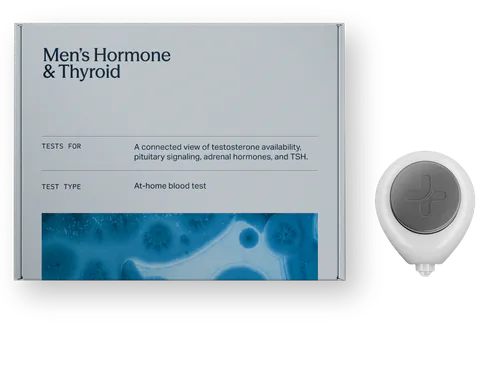
At-Home Men’s Hormone and Thyroid Test Kit
View current details, availability, and member pricing.
Understand your iron stores with a standalone ferritin blood test.
Iron and Total Iron Binding Capacity (TIBC) Panel
See circulating iron, binding capacity, and saturation as one interpretable pattern.
Complete Blood Count (CBC) with Differential and Platelet Count Test
A broad screen of red cells, white cells, and platelets that anchors most checkups.