
Fatigue In Men Symptoms Explained: What to Track & When to Act
Persistent tiredness in men often traces to low testosterone, sleep apnea, iron overload, or subclinical thyroid issues. Lab testing can reveal which driver is at work.
- Published
- April 23, 2026
- Read time
- 2 min read

Why It Happens
Chronic fatigue in men is often dismissed as overwork or poor sleep - but it frequently has measurable biological drivers. Men are also less likely to seek medical evaluation for tiredness, allowing underlying causes to go undetected longer.
-
Low Testosterone: Testosterone levels decline approximately 1% per year after age 30. Below-optimal levels cause fatigue, reduced motivation, decreased muscle mass, and poor recovery from exercise.
-
Sleep Apnea: Men are 2-3x more likely than women to have obstructive sleep apnea. It causes fragmented sleep even when total sleep hours seem adequate, leading to daytime exhaustion.
-
Iron Overload (Hemochromatosis): Unlike women who lose iron through menstruation, men accumulate iron over time. Excess iron causes fatigue, joint pain, and organ damage - and is frequently missed.
-
High-Stress Lifestyle Patterns: Men are statistically more likely to use caffeine and alcohol as coping mechanisms, both of which disrupt sleep architecture and worsen fatigue cycles.
-
Subclinical Thyroid Dysfunction: Hypothyroidism in men is underdiagnosed because it’s considered a “women’s condition.” Even borderline-high TSH can cause significant fatigue.
How to Manage
Effective management starts with identifying which driver is dominant - hormonal, sleep-related, or metabolic. These strategies address the most common patterns in men.
-
Get Tested for Testosterone: Request total and free testosterone, SHBG, and LH. “Normal range” is wide - symptoms can occur even within the lower end of reference ranges.
-
Screen for Sleep Apnea: If you snore, wake with headaches, or feel unrefreshed despite adequate sleep hours, a home sleep study can confirm or rule out apnea.
-
Lift Heavy Things: Resistance training is the single most effective non-pharmaceutical intervention for male fatigue. It boosts testosterone, improves sleep quality, and increases mitochondrial density.
-
Limit Alcohol: Even moderate drinking (2+ drinks/day) suppresses testosterone production and fragments sleep. A 30-day reduction trial often reveals surprising energy improvements.
-
Check Ferritin Levels: Ask for a ferritin test - not just hemoglobin. Elevated ferritin (>300 ng/mL) suggests iron overload and warrants further investigation.
-
Prioritize Protein at Breakfast: Starting the day with 30-40g protein stabilizes blood sugar and energy through the morning, reducing mid-afternoon crashes.
Myths About Male Fatigue
-
Myth: “Men just need more sleep.” Fact: Quality matters more than quantity. 6 hours of uninterrupted sleep often beats 8 hours of fragmented sleep.
-
Myth: “Testosterone decline is just aging - nothing you can do.” Fact: Lifestyle interventions (exercise, sleep, weight management) can raise testosterone by 15-30% without medication.
-
Myth: “Fatigue means you’re out of shape.” Fact: Even fit men experience fatigue from hormonal, metabolic, or sleep-related causes. Fitness doesn’t make you immune.
Expert-Backed Reads
-
The 5 Key Holistic Pillars of Health: Strategies for Extending Your Healthspan
-
Mito Health Raises S$1.7M To Build AI-Powered Preventative Healthcare
You Might Also Be Experiencing
References
Tests for energy and fatigue
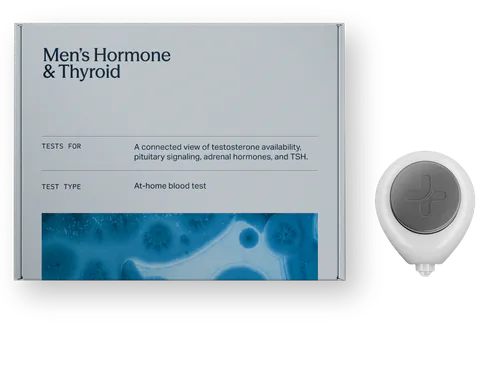
At-Home Men’s Hormone and Thyroid Test Kit
View current details, availability, and member pricing.
Understand your iron stores with a standalone ferritin blood test.
Iron and Total Iron Binding Capacity (TIBC) Panel
See circulating iron, binding capacity, and saturation as one interpretable pattern.
Complete Blood Count (CBC) with Differential and Platelet Count Test
A broad screen of red cells, white cells, and platelets that anchors most checkups.