
Mito Health: Helping you live healthier, longer.
In-depth bloodwork & holistic health advice, backed by the latest longevity science. Only $399.
Running Low on Iron? How to Supplement Safely
Iron plays a central role in red blood cell health and energy levels. This guide covers who may need iron supplements, how much to take, and how to use them safely.

Written by
Mito Team
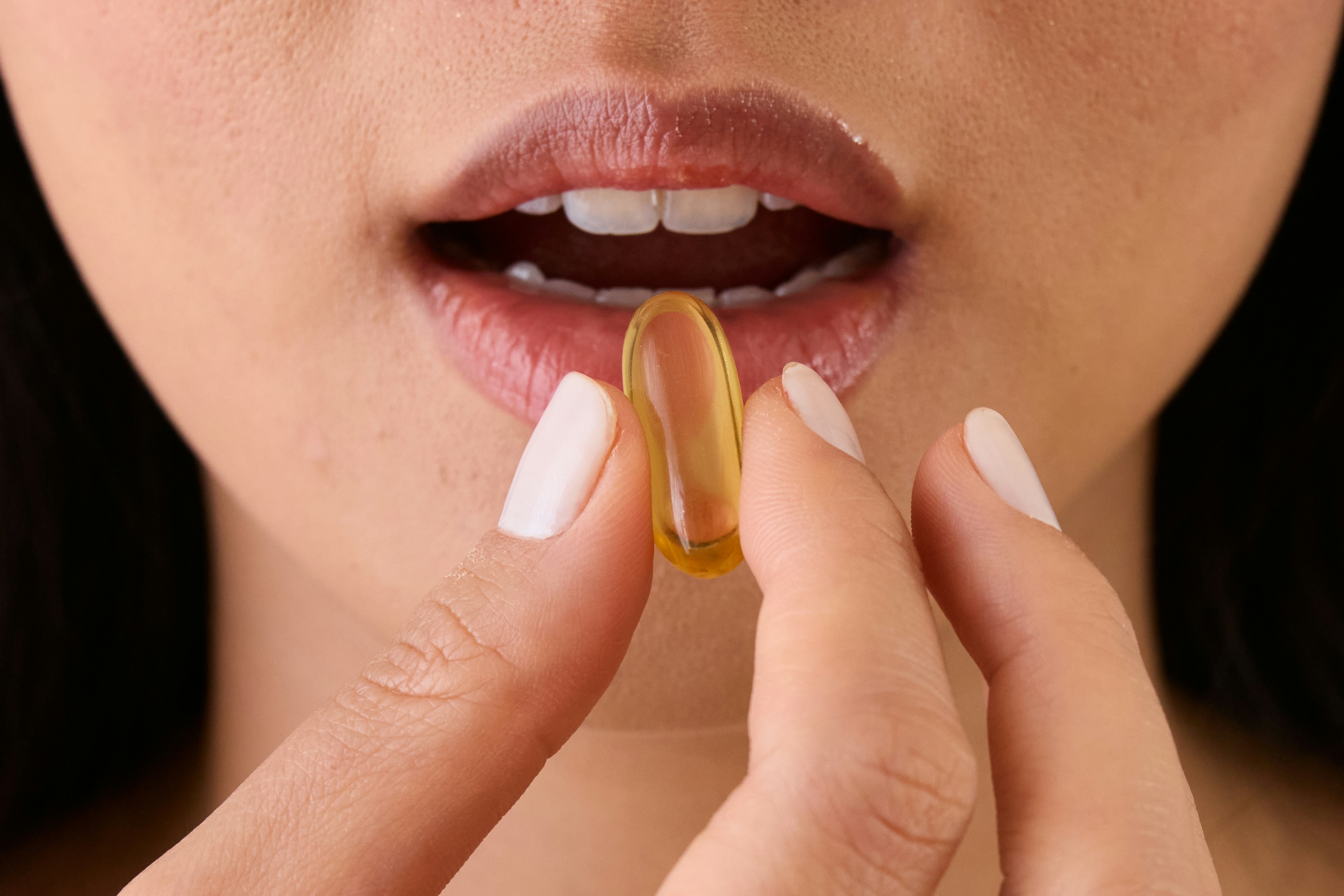
Iron is an essential mineral your body needs to make hemoglobin — the protein in red blood cells that carries oxygen. When iron is low, you can develop iron deficiency, which sometimes progresses to iron deficiency anemia (low hemoglobin). Symptoms range from tiredness and poor exercise performance to irritability, concentration or sleep problems. Many people can correct low iron with diet alone, but some need supplements to restore iron stores and improve blood health.
Who might need iron supplements
People with iron deficiency anemia (low hemoglobin) — replacement doses are usually needed to restore red blood cells and iron stores.
People with low iron stores but normal hemoglobin who have symptoms (fatigue, poor performance) or risk factors such as heavy menstrual bleeding, frequent blood donation, or ongoing blood loss.
Vegetarians and vegans — iron from plant foods is absorbed less efficiently than from animal foods, so dietary needs are higher.
People with limited dietary intake of iron-rich foods, or increased needs (for example during pregnancy or growth), though pregnancy and other special circumstances should be managed with a clinician.
How much iron to take
For treating iron deficiency anemia, typical oral replacement doses of elemental iron are in the 50–100 mg range once daily. This level is commonly used to raise hemoglobin and refill iron stores.
For people with low iron biomarkers but normal hemoglobin, recommended supplements vary; commonly used ranges are roughly 30–100 mg daily.
For routine maintenance in people with lower iron intake (for example vegetarians), lower daily doses of 15–50 mg are often appropriate.
The recommended dietary allowance for basic needs is about 8 mg/day for adult men and 18 mg/day for premenopausal women; many people need more than this when repleting stores or if they're losing iron.
Choose the right form
Common oral forms include ferrous sulfate, ferrous gluconate and ferrous fumarate. These provide elemental iron and are inexpensive and effective.
Slow-release or enteric-coated preparations can reduce stomach upset for some people but may reduce how much iron is absorbed.
Iron protein succinylate (a protein-bound form) can be gentler on the gut and may be an option if constipation or abdominal discomfort persists on standard forms.
Heme iron supplements (less common) may be better absorbed but are not needed in most cases.
How to take iron for best results
Iron is best absorbed on an empty stomach, but that increases the chance of nausea or stomach discomfort. If side effects occur, take iron with a small amount of food rather than stopping completely.
Vitamin C (a glass of orange juice or a vitamin C supplement) taken at the same time can enhance iron absorption.
Avoid tea, coffee, calcium-containing foods or supplements, and some high-fiber foods close to the time you take iron — they can reduce absorption. Try to separate these by 1–2 hours if possible.
Stay hydrated and maintain a fiber-rich diet to help reduce constipation. If constipation is bothersome, switching product form or using stool softening measures may help.
Side effects and safety
The most common side effects are gastrointestinal: nausea, abdominal discomfort, constipation or dark stools. Taking iron with food, lowering the dose, or switching to a gentler formulation often improves tolerance.
Iron overdose is serious, especially in children — keep supplements locked away and out of reach.
Long-term excessive iron can lead to harm (for example, liver or heart effects) in the case of iron overload. Don’t take high-dose iron routinely unless you have documented deficiency or a clinician recommends it.
Some medical conditions (for example certain genetic blood disorders such as thalassemia) can be associated with increased iron absorption or iron overload. People with these conditions should not take iron supplements unless a clinician confirms iron deficiency.
Drug interactions and precautions
Iron can reduce absorption of some medications (for example certain antibiotics and thyroid replacement). If you take other prescription medicines, check with your clinician or pharmacist about timing and interactions.
If you have chronic health conditions, are pregnant, or are taking other medicines, get individual advice before starting supplements.
Monitoring progress
If you are taking iron for deficiency, clinicians commonly recheck blood tests after several weeks to months (often around 8–12 weeks, sometimes around 3 months) to confirm the hemoglobin is rising and iron stores are recovering.
You may feel symptom improvement within a few weeks, but completing an appropriate course and monitoring labs is important to replenish stores fully and avoid under- or over-treatment.
Practical tips
Increase dietary iron at the same time as starting supplements: lean red meat, poultry, fish, legumes, tofu, fortified cereals, and dark leafy greens are good sources. Pair plant sources with vitamin C-rich foods to boost absorption.
If you’re vegetarian or vegan, aim to include multiple iron sources daily and consider a supplement if tests show low iron.
Start with a lower supplement dose if you’re not severely anemic to reduce side effects; higher therapeutic doses are used when anemia is present.
Consider third-party tested brands if you prefer quality-verified products; if side effects occur, discuss trying a different form of iron with your clinician.
When to see a clinician
If you have symptoms of anemia (marked fatigue, breathlessness with activity, fainting), heavy or prolonged menstrual bleeding, or signs of iron overload, see a clinician for testing.
Don’t self-prescribe long-term high-dose iron without blood testing and medical oversight.
Conclusion
Iron supplements are an effective, widely used way to treat iron deficiency and iron deficiency anemia. The right dose and formulation depend on whether you have low hemoglobin, the severity of deficiency, your diet and any other health conditions or medications. Start by confirming low iron with a blood test, consider dietary changes alongside supplements, manage side effects with simple strategies, and follow up with repeat testing so supplementation is tailored safely and effectively to your needs.
Join Mito Health’s annual membership to test 100+ biomarkers with concierge-level support from your care team.
Mito Health: Helping you live healthier, longer.
In-depth bloodwork & holistic health advice, backed by the latest longevity science. Only $399.
Running Low on Iron? How to Supplement Safely
Iron plays a central role in red blood cell health and energy levels. This guide covers who may need iron supplements, how much to take, and how to use them safely.
Written by
Mito Team
Iron is an essential mineral your body needs to make hemoglobin — the protein in red blood cells that carries oxygen. When iron is low, you can develop iron deficiency, which sometimes progresses to iron deficiency anemia (low hemoglobin). Symptoms range from tiredness and poor exercise performance to irritability, concentration or sleep problems. Many people can correct low iron with diet alone, but some need supplements to restore iron stores and improve blood health.
Who might need iron supplements
People with iron deficiency anemia (low hemoglobin) — replacement doses are usually needed to restore red blood cells and iron stores.
People with low iron stores but normal hemoglobin who have symptoms (fatigue, poor performance) or risk factors such as heavy menstrual bleeding, frequent blood donation, or ongoing blood loss.
Vegetarians and vegans — iron from plant foods is absorbed less efficiently than from animal foods, so dietary needs are higher.
People with limited dietary intake of iron-rich foods, or increased needs (for example during pregnancy or growth), though pregnancy and other special circumstances should be managed with a clinician.
How much iron to take
For treating iron deficiency anemia, typical oral replacement doses of elemental iron are in the 50–100 mg range once daily. This level is commonly used to raise hemoglobin and refill iron stores.
For people with low iron biomarkers but normal hemoglobin, recommended supplements vary; commonly used ranges are roughly 30–100 mg daily.
For routine maintenance in people with lower iron intake (for example vegetarians), lower daily doses of 15–50 mg are often appropriate.
The recommended dietary allowance for basic needs is about 8 mg/day for adult men and 18 mg/day for premenopausal women; many people need more than this when repleting stores or if they're losing iron.
Choose the right form
Common oral forms include ferrous sulfate, ferrous gluconate and ferrous fumarate. These provide elemental iron and are inexpensive and effective.
Slow-release or enteric-coated preparations can reduce stomach upset for some people but may reduce how much iron is absorbed.
Iron protein succinylate (a protein-bound form) can be gentler on the gut and may be an option if constipation or abdominal discomfort persists on standard forms.
Heme iron supplements (less common) may be better absorbed but are not needed in most cases.
How to take iron for best results
Iron is best absorbed on an empty stomach, but that increases the chance of nausea or stomach discomfort. If side effects occur, take iron with a small amount of food rather than stopping completely.
Vitamin C (a glass of orange juice or a vitamin C supplement) taken at the same time can enhance iron absorption.
Avoid tea, coffee, calcium-containing foods or supplements, and some high-fiber foods close to the time you take iron — they can reduce absorption. Try to separate these by 1–2 hours if possible.
Stay hydrated and maintain a fiber-rich diet to help reduce constipation. If constipation is bothersome, switching product form or using stool softening measures may help.
Side effects and safety
The most common side effects are gastrointestinal: nausea, abdominal discomfort, constipation or dark stools. Taking iron with food, lowering the dose, or switching to a gentler formulation often improves tolerance.
Iron overdose is serious, especially in children — keep supplements locked away and out of reach.
Long-term excessive iron can lead to harm (for example, liver or heart effects) in the case of iron overload. Don’t take high-dose iron routinely unless you have documented deficiency or a clinician recommends it.
Some medical conditions (for example certain genetic blood disorders such as thalassemia) can be associated with increased iron absorption or iron overload. People with these conditions should not take iron supplements unless a clinician confirms iron deficiency.
Drug interactions and precautions
Iron can reduce absorption of some medications (for example certain antibiotics and thyroid replacement). If you take other prescription medicines, check with your clinician or pharmacist about timing and interactions.
If you have chronic health conditions, are pregnant, or are taking other medicines, get individual advice before starting supplements.
Monitoring progress
If you are taking iron for deficiency, clinicians commonly recheck blood tests after several weeks to months (often around 8–12 weeks, sometimes around 3 months) to confirm the hemoglobin is rising and iron stores are recovering.
You may feel symptom improvement within a few weeks, but completing an appropriate course and monitoring labs is important to replenish stores fully and avoid under- or over-treatment.
Practical tips
Increase dietary iron at the same time as starting supplements: lean red meat, poultry, fish, legumes, tofu, fortified cereals, and dark leafy greens are good sources. Pair plant sources with vitamin C-rich foods to boost absorption.
If you’re vegetarian or vegan, aim to include multiple iron sources daily and consider a supplement if tests show low iron.
Start with a lower supplement dose if you’re not severely anemic to reduce side effects; higher therapeutic doses are used when anemia is present.
Consider third-party tested brands if you prefer quality-verified products; if side effects occur, discuss trying a different form of iron with your clinician.
When to see a clinician
If you have symptoms of anemia (marked fatigue, breathlessness with activity, fainting), heavy or prolonged menstrual bleeding, or signs of iron overload, see a clinician for testing.
Don’t self-prescribe long-term high-dose iron without blood testing and medical oversight.
Conclusion
Iron supplements are an effective, widely used way to treat iron deficiency and iron deficiency anemia. The right dose and formulation depend on whether you have low hemoglobin, the severity of deficiency, your diet and any other health conditions or medications. Start by confirming low iron with a blood test, consider dietary changes alongside supplements, manage side effects with simple strategies, and follow up with repeat testing so supplementation is tailored safely and effectively to your needs.
Join Mito Health’s annual membership to test 100+ biomarkers with concierge-level support from your care team.
Mito Health: Helping you live healthier, longer.
In-depth bloodwork & holistic health advice, backed by the latest longevity science. Only $399.
Running Low on Iron? How to Supplement Safely
Iron plays a central role in red blood cell health and energy levels. This guide covers who may need iron supplements, how much to take, and how to use them safely.
Written by
Mito Team
Iron is an essential mineral your body needs to make hemoglobin — the protein in red blood cells that carries oxygen. When iron is low, you can develop iron deficiency, which sometimes progresses to iron deficiency anemia (low hemoglobin). Symptoms range from tiredness and poor exercise performance to irritability, concentration or sleep problems. Many people can correct low iron with diet alone, but some need supplements to restore iron stores and improve blood health.
Who might need iron supplements
People with iron deficiency anemia (low hemoglobin) — replacement doses are usually needed to restore red blood cells and iron stores.
People with low iron stores but normal hemoglobin who have symptoms (fatigue, poor performance) or risk factors such as heavy menstrual bleeding, frequent blood donation, or ongoing blood loss.
Vegetarians and vegans — iron from plant foods is absorbed less efficiently than from animal foods, so dietary needs are higher.
People with limited dietary intake of iron-rich foods, or increased needs (for example during pregnancy or growth), though pregnancy and other special circumstances should be managed with a clinician.
How much iron to take
For treating iron deficiency anemia, typical oral replacement doses of elemental iron are in the 50–100 mg range once daily. This level is commonly used to raise hemoglobin and refill iron stores.
For people with low iron biomarkers but normal hemoglobin, recommended supplements vary; commonly used ranges are roughly 30–100 mg daily.
For routine maintenance in people with lower iron intake (for example vegetarians), lower daily doses of 15–50 mg are often appropriate.
The recommended dietary allowance for basic needs is about 8 mg/day for adult men and 18 mg/day for premenopausal women; many people need more than this when repleting stores or if they're losing iron.
Choose the right form
Common oral forms include ferrous sulfate, ferrous gluconate and ferrous fumarate. These provide elemental iron and are inexpensive and effective.
Slow-release or enteric-coated preparations can reduce stomach upset for some people but may reduce how much iron is absorbed.
Iron protein succinylate (a protein-bound form) can be gentler on the gut and may be an option if constipation or abdominal discomfort persists on standard forms.
Heme iron supplements (less common) may be better absorbed but are not needed in most cases.
How to take iron for best results
Iron is best absorbed on an empty stomach, but that increases the chance of nausea or stomach discomfort. If side effects occur, take iron with a small amount of food rather than stopping completely.
Vitamin C (a glass of orange juice or a vitamin C supplement) taken at the same time can enhance iron absorption.
Avoid tea, coffee, calcium-containing foods or supplements, and some high-fiber foods close to the time you take iron — they can reduce absorption. Try to separate these by 1–2 hours if possible.
Stay hydrated and maintain a fiber-rich diet to help reduce constipation. If constipation is bothersome, switching product form or using stool softening measures may help.
Side effects and safety
The most common side effects are gastrointestinal: nausea, abdominal discomfort, constipation or dark stools. Taking iron with food, lowering the dose, or switching to a gentler formulation often improves tolerance.
Iron overdose is serious, especially in children — keep supplements locked away and out of reach.
Long-term excessive iron can lead to harm (for example, liver or heart effects) in the case of iron overload. Don’t take high-dose iron routinely unless you have documented deficiency or a clinician recommends it.
Some medical conditions (for example certain genetic blood disorders such as thalassemia) can be associated with increased iron absorption or iron overload. People with these conditions should not take iron supplements unless a clinician confirms iron deficiency.
Drug interactions and precautions
Iron can reduce absorption of some medications (for example certain antibiotics and thyroid replacement). If you take other prescription medicines, check with your clinician or pharmacist about timing and interactions.
If you have chronic health conditions, are pregnant, or are taking other medicines, get individual advice before starting supplements.
Monitoring progress
If you are taking iron for deficiency, clinicians commonly recheck blood tests after several weeks to months (often around 8–12 weeks, sometimes around 3 months) to confirm the hemoglobin is rising and iron stores are recovering.
You may feel symptom improvement within a few weeks, but completing an appropriate course and monitoring labs is important to replenish stores fully and avoid under- or over-treatment.
Practical tips
Increase dietary iron at the same time as starting supplements: lean red meat, poultry, fish, legumes, tofu, fortified cereals, and dark leafy greens are good sources. Pair plant sources with vitamin C-rich foods to boost absorption.
If you’re vegetarian or vegan, aim to include multiple iron sources daily and consider a supplement if tests show low iron.
Start with a lower supplement dose if you’re not severely anemic to reduce side effects; higher therapeutic doses are used when anemia is present.
Consider third-party tested brands if you prefer quality-verified products; if side effects occur, discuss trying a different form of iron with your clinician.
When to see a clinician
If you have symptoms of anemia (marked fatigue, breathlessness with activity, fainting), heavy or prolonged menstrual bleeding, or signs of iron overload, see a clinician for testing.
Don’t self-prescribe long-term high-dose iron without blood testing and medical oversight.
Conclusion
Iron supplements are an effective, widely used way to treat iron deficiency and iron deficiency anemia. The right dose and formulation depend on whether you have low hemoglobin, the severity of deficiency, your diet and any other health conditions or medications. Start by confirming low iron with a blood test, consider dietary changes alongside supplements, manage side effects with simple strategies, and follow up with repeat testing so supplementation is tailored safely and effectively to your needs.
Join Mito Health’s annual membership to test 100+ biomarkers with concierge-level support from your care team.
Running Low on Iron? How to Supplement Safely
Iron plays a central role in red blood cell health and energy levels. This guide covers who may need iron supplements, how much to take, and how to use them safely.
Written by
Mito Team
Iron is an essential mineral your body needs to make hemoglobin — the protein in red blood cells that carries oxygen. When iron is low, you can develop iron deficiency, which sometimes progresses to iron deficiency anemia (low hemoglobin). Symptoms range from tiredness and poor exercise performance to irritability, concentration or sleep problems. Many people can correct low iron with diet alone, but some need supplements to restore iron stores and improve blood health.
Who might need iron supplements
People with iron deficiency anemia (low hemoglobin) — replacement doses are usually needed to restore red blood cells and iron stores.
People with low iron stores but normal hemoglobin who have symptoms (fatigue, poor performance) or risk factors such as heavy menstrual bleeding, frequent blood donation, or ongoing blood loss.
Vegetarians and vegans — iron from plant foods is absorbed less efficiently than from animal foods, so dietary needs are higher.
People with limited dietary intake of iron-rich foods, or increased needs (for example during pregnancy or growth), though pregnancy and other special circumstances should be managed with a clinician.
How much iron to take
For treating iron deficiency anemia, typical oral replacement doses of elemental iron are in the 50–100 mg range once daily. This level is commonly used to raise hemoglobin and refill iron stores.
For people with low iron biomarkers but normal hemoglobin, recommended supplements vary; commonly used ranges are roughly 30–100 mg daily.
For routine maintenance in people with lower iron intake (for example vegetarians), lower daily doses of 15–50 mg are often appropriate.
The recommended dietary allowance for basic needs is about 8 mg/day for adult men and 18 mg/day for premenopausal women; many people need more than this when repleting stores or if they're losing iron.
Choose the right form
Common oral forms include ferrous sulfate, ferrous gluconate and ferrous fumarate. These provide elemental iron and are inexpensive and effective.
Slow-release or enteric-coated preparations can reduce stomach upset for some people but may reduce how much iron is absorbed.
Iron protein succinylate (a protein-bound form) can be gentler on the gut and may be an option if constipation or abdominal discomfort persists on standard forms.
Heme iron supplements (less common) may be better absorbed but are not needed in most cases.
How to take iron for best results
Iron is best absorbed on an empty stomach, but that increases the chance of nausea or stomach discomfort. If side effects occur, take iron with a small amount of food rather than stopping completely.
Vitamin C (a glass of orange juice or a vitamin C supplement) taken at the same time can enhance iron absorption.
Avoid tea, coffee, calcium-containing foods or supplements, and some high-fiber foods close to the time you take iron — they can reduce absorption. Try to separate these by 1–2 hours if possible.
Stay hydrated and maintain a fiber-rich diet to help reduce constipation. If constipation is bothersome, switching product form or using stool softening measures may help.
Side effects and safety
The most common side effects are gastrointestinal: nausea, abdominal discomfort, constipation or dark stools. Taking iron with food, lowering the dose, or switching to a gentler formulation often improves tolerance.
Iron overdose is serious, especially in children — keep supplements locked away and out of reach.
Long-term excessive iron can lead to harm (for example, liver or heart effects) in the case of iron overload. Don’t take high-dose iron routinely unless you have documented deficiency or a clinician recommends it.
Some medical conditions (for example certain genetic blood disorders such as thalassemia) can be associated with increased iron absorption or iron overload. People with these conditions should not take iron supplements unless a clinician confirms iron deficiency.
Drug interactions and precautions
Iron can reduce absorption of some medications (for example certain antibiotics and thyroid replacement). If you take other prescription medicines, check with your clinician or pharmacist about timing and interactions.
If you have chronic health conditions, are pregnant, or are taking other medicines, get individual advice before starting supplements.
Monitoring progress
If you are taking iron for deficiency, clinicians commonly recheck blood tests after several weeks to months (often around 8–12 weeks, sometimes around 3 months) to confirm the hemoglobin is rising and iron stores are recovering.
You may feel symptom improvement within a few weeks, but completing an appropriate course and monitoring labs is important to replenish stores fully and avoid under- or over-treatment.
Practical tips
Increase dietary iron at the same time as starting supplements: lean red meat, poultry, fish, legumes, tofu, fortified cereals, and dark leafy greens are good sources. Pair plant sources with vitamin C-rich foods to boost absorption.
If you’re vegetarian or vegan, aim to include multiple iron sources daily and consider a supplement if tests show low iron.
Start with a lower supplement dose if you’re not severely anemic to reduce side effects; higher therapeutic doses are used when anemia is present.
Consider third-party tested brands if you prefer quality-verified products; if side effects occur, discuss trying a different form of iron with your clinician.
When to see a clinician
If you have symptoms of anemia (marked fatigue, breathlessness with activity, fainting), heavy or prolonged menstrual bleeding, or signs of iron overload, see a clinician for testing.
Don’t self-prescribe long-term high-dose iron without blood testing and medical oversight.
Conclusion
Iron supplements are an effective, widely used way to treat iron deficiency and iron deficiency anemia. The right dose and formulation depend on whether you have low hemoglobin, the severity of deficiency, your diet and any other health conditions or medications. Start by confirming low iron with a blood test, consider dietary changes alongside supplements, manage side effects with simple strategies, and follow up with repeat testing so supplementation is tailored safely and effectively to your needs.
Join Mito Health’s annual membership to test 100+ biomarkers with concierge-level support from your care team.
Mito Health: Helping you live healthier, longer.
In-depth bloodwork & holistic health advice, backed by the latest longevity science. Only $399.
Recently published




What could cost you $15,000? $349 with Mito.
No hidden fees. No subscription traps. Just real care.
What's included
Core Test - Comprehensive lab test covering 100+ biomarkers
Clinician reviewed insights and action plan
1:1 consultation with a real clinician
Upload past lab reports for lifetime tracking
Dedicated 1:1 health coaching
Duo Bundle (For 2)
Most popular
$798
$668
$130 off (17%)
Individual
$399
$349
$50 off (13%)
What could cost you $15,000? $349 with Mito.
No hidden fees. No subscription traps. Just real care.
What's included
Core Test - Comprehensive lab test covering 100+ biomarkers
Clinician reviewed insights and action plan
1:1 consultation with a real clinician
Upload past lab reports for lifetime tracking
Dedicated 1:1 health coaching
Duo Bundle (For 2)
Most popular
$798
$668
$130 off (17%)
Individual
$399
$349
$50 off (13%)
What could cost you $15,000? $349 with Mito.
No hidden fees. No subscription traps. Just real care.
What's included
Core Test - Comprehensive lab test covering 100+ biomarkers
Clinician reviewed insights and action plan
1:1 consultation with a real clinician
Upload past lab reports for lifetime tracking
Dedicated 1:1 health coaching
Duo Bundle (For 2)
Most popular
$798
$668
$130 off (17%)
Individual
$399
$349
$50 off (13%)
What could cost you $15,000? $349 with Mito.
No hidden fees. No subscription traps. Just real care.
Core Test - Comprehensive lab test covering 100+ biomarkers
Clinician reviewed insights and action plan
1:1 consultation with a real clinician
Upload past lab reports for lifetime tracking
Dedicated 1:1 health coaching
What's included
Duo Bundle (For 2)
Most popular
$798
$668
$130 off (17%)
Individual
$399
$349
$50 off (13%)