
Mito Health: Helping you live healthier, longer.
In-depth bloodwork & holistic health advice, backed by the latest longevity science. Only $399.
Feeding the Microbiome: What Inulin Prebiotics Really Do
Inulin is a prebiotic fiber that feeds beneficial gut bacteria and supports the production of compounds important for gut and metabolic health.

Written by
Mito Team
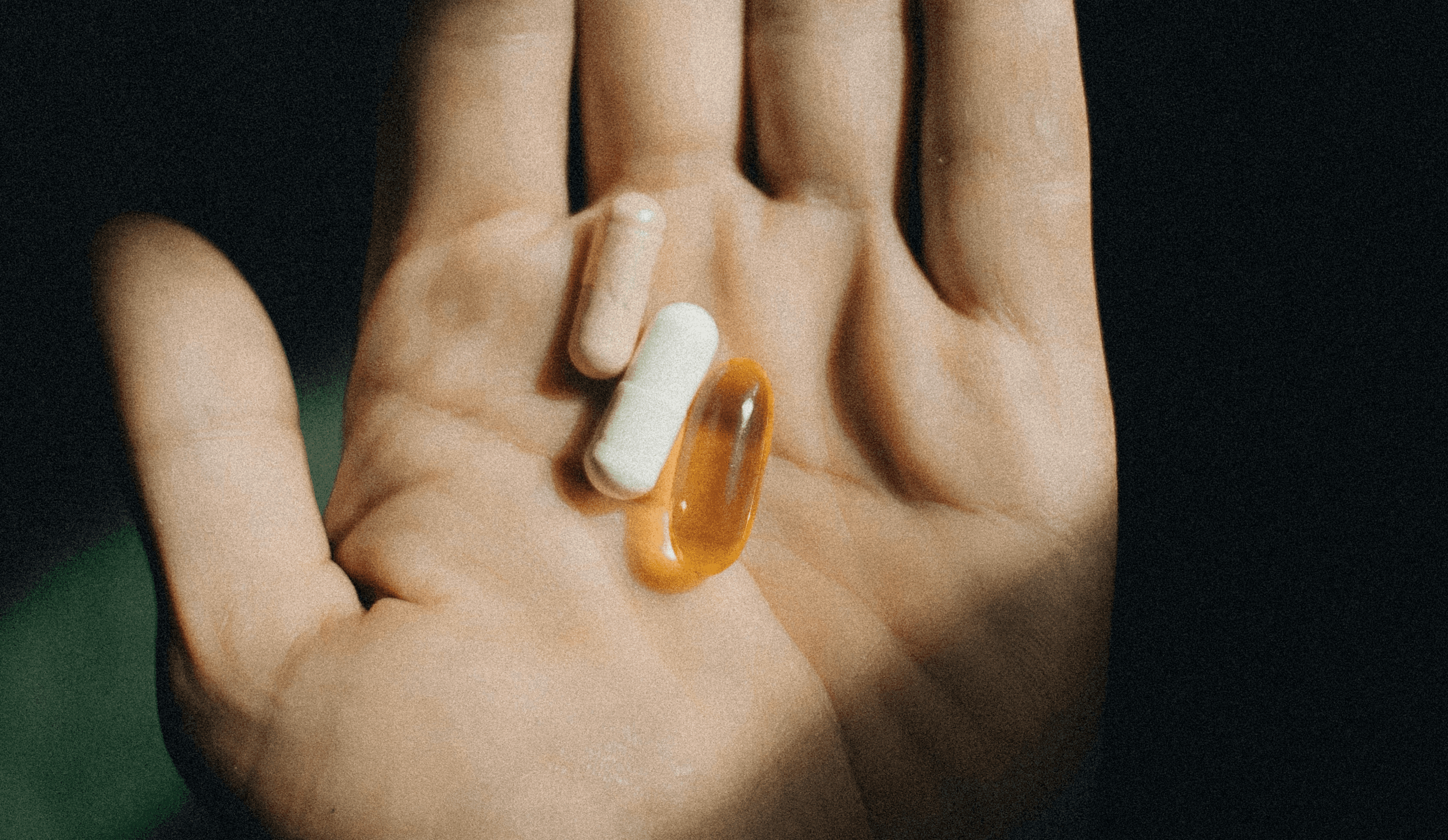
What is inulin?
Inulin is a type of prebiotic fiber found naturally in many plants. Unlike the fiber that passes straight through your digestive tract, inulin is fermentable: it isn’t digested by your body but is eaten by the microbes that live in your large intestine. By feeding beneficial gut bacteria, inulin helps shift the microbial community toward species that produce health-promoting metabolites.
How inulin works in the gut
Gut microbes break down (ferment) inulin and related oligosaccharides into short-chain fatty acids (SCFAs)—including acetate, propionate and butyrate. Butyrate in particular is important for colon health: it is a key energy source for colon cells, helps maintain the intestinal barrier, and supports anti-inflammatory activity in the gut. By promoting SCFA-producing bacteria, inulin contributes to a more diverse and resilient microbiome, which is linked to better digestive, metabolic and even brain-related outcomes through the gut–brain axis.
Potential health benefits
Digestive comfort and IBS: For some people, chosen carefully, prebiotic fibers can reduce symptoms of irritable bowel syndrome (IBS) by improving gut microbial balance. However, because inulin is highly fermentable it can also cause gas and bloating in sensitive individuals—so introduction should be gradual and individualized.
Metabolic effects: Prebiotic intake, including inulin, can support healthier blood sugar control and may help lower blood cholesterol by changing how microbes process dietary components.
Gut and colon health: By increasing SCFA production and supporting a diverse microbiome, inulin may contribute to a lower risk environment for colon disease.
Brain and mood connections: Through SCFA production and microbial signaling, prebiotics play a role in gut–brain communication that can influence mood, stress resilience and cognitive functioning.
Food sources of inulin and related prebiotics
Whole plant foods are the best way to get inulin because they provide the fiber together with vitamins, minerals and other beneficial compounds. Common inulin- or fructan-rich foods include:
Chicory root and Jerusalem artichoke (very high)
Onions, garlic, leeks
Asparagus
Bananas, especially underripe ones
Wheat and barley
Many root vegetables and certain greens
Other prebiotic fibers such as oligofructose (FOS) and galactooligosaccharides (GOS) are found in some of the same foods and in fermented plant foods. Some non-starch polysaccharides in vegetables (for example in broccoli and cruciferous vegetables) can reduce colonization by harmful bacteria and are sometimes referred to as “contrabiotics.”
Recommended intake
Aim to get most prebiotic fiber from your diet. Higher overall dietary fiber intake is the main determinant of a healthy, diverse microbiome. Many health-focused dietary patterns target at least 30 grams of total fiber per day, and some populations with very diverse microbiomes consume 40–50 grams per day.
If you’re using an inulin supplement, common effective doses fall in the 5–10 gram per day range. Because inulin is fermentable, starting at a lower dose and gradually increasing over days to weeks helps your gut microbes adapt and reduces side effects such as bloating, gas or cramping.
If you have a sensitive gut or a diagnosis of IBS, start especially slowly and pay attention to symptoms. Some people with IBS find inulin worsens symptoms, so adjustments or alternative fibers may be needed.
Supplement recommendations
Whole foods should be the first choice for meeting prebiotic needs. Supplements can be useful when dietary sources aren’t available (for instance during travel, restricted menus, or targeted therapeutic use). When choosing a supplement:
Prefer products that have been third-party tested for ingredient accuracy and purity.
Be aware that some commercial prebiotic products have been found to contain less of the active ingredient than stated on their labels; third-party testing helps manage that risk.
Examples of third-party-tested prebiotic products include Hyperbiotics Prebiotic, InnovixLabs Broad Spectrum Prebiotic Fiber, and Benefiber Prebiotic Fiber Supplement.
Practical tips
Increase variety: different plant foods feed different microbial groups. Aim to include a wide variety of fruits, vegetables, legumes, whole grains, nuts and seeds across the week.
Be gradual: add prebiotic foods or supplements slowly to allow your microbiome and digestive system to adapt.
Pair with probiotic-containing foods (like yogurt, kefir, or fermented vegetables) if you tolerate them; prebiotics and probiotics can be complementary.
If symptoms are persistent or severe—such as significant abdominal pain, weight loss, or blood in the stool—seek medical advice to rule out other conditions.
Conclusion
Inulin is a well-established prebiotic fiber that feeds beneficial gut bacteria and helps increase production of short-chain fatty acids like butyrate. Eating a variety of inulin-containing plants and other prebiotic-rich foods supports microbial diversity, gut and metabolic health, and gut–brain connections. Use supplements only when needed, start slowly, and choose products backed by third-party testing when you do. Prioritizing whole-food sources will also deliver the vitamins, minerals and phytonutrients that support overall health.
Join Mito Health’s annual membership to test 100+ biomarkers with concierge-level support from your care team.
Mito Health: Helping you live healthier, longer.
In-depth bloodwork & holistic health advice, backed by the latest longevity science. Only $399.
Feeding the Microbiome: What Inulin Prebiotics Really Do
Inulin is a prebiotic fiber that feeds beneficial gut bacteria and supports the production of compounds important for gut and metabolic health.
Written by
Mito Team
What is inulin?
Inulin is a type of prebiotic fiber found naturally in many plants. Unlike the fiber that passes straight through your digestive tract, inulin is fermentable: it isn’t digested by your body but is eaten by the microbes that live in your large intestine. By feeding beneficial gut bacteria, inulin helps shift the microbial community toward species that produce health-promoting metabolites.
How inulin works in the gut
Gut microbes break down (ferment) inulin and related oligosaccharides into short-chain fatty acids (SCFAs)—including acetate, propionate and butyrate. Butyrate in particular is important for colon health: it is a key energy source for colon cells, helps maintain the intestinal barrier, and supports anti-inflammatory activity in the gut. By promoting SCFA-producing bacteria, inulin contributes to a more diverse and resilient microbiome, which is linked to better digestive, metabolic and even brain-related outcomes through the gut–brain axis.
Potential health benefits
Digestive comfort and IBS: For some people, chosen carefully, prebiotic fibers can reduce symptoms of irritable bowel syndrome (IBS) by improving gut microbial balance. However, because inulin is highly fermentable it can also cause gas and bloating in sensitive individuals—so introduction should be gradual and individualized.
Metabolic effects: Prebiotic intake, including inulin, can support healthier blood sugar control and may help lower blood cholesterol by changing how microbes process dietary components.
Gut and colon health: By increasing SCFA production and supporting a diverse microbiome, inulin may contribute to a lower risk environment for colon disease.
Brain and mood connections: Through SCFA production and microbial signaling, prebiotics play a role in gut–brain communication that can influence mood, stress resilience and cognitive functioning.
Food sources of inulin and related prebiotics
Whole plant foods are the best way to get inulin because they provide the fiber together with vitamins, minerals and other beneficial compounds. Common inulin- or fructan-rich foods include:
Chicory root and Jerusalem artichoke (very high)
Onions, garlic, leeks
Asparagus
Bananas, especially underripe ones
Wheat and barley
Many root vegetables and certain greens
Other prebiotic fibers such as oligofructose (FOS) and galactooligosaccharides (GOS) are found in some of the same foods and in fermented plant foods. Some non-starch polysaccharides in vegetables (for example in broccoli and cruciferous vegetables) can reduce colonization by harmful bacteria and are sometimes referred to as “contrabiotics.”
Recommended intake
Aim to get most prebiotic fiber from your diet. Higher overall dietary fiber intake is the main determinant of a healthy, diverse microbiome. Many health-focused dietary patterns target at least 30 grams of total fiber per day, and some populations with very diverse microbiomes consume 40–50 grams per day.
If you’re using an inulin supplement, common effective doses fall in the 5–10 gram per day range. Because inulin is fermentable, starting at a lower dose and gradually increasing over days to weeks helps your gut microbes adapt and reduces side effects such as bloating, gas or cramping.
If you have a sensitive gut or a diagnosis of IBS, start especially slowly and pay attention to symptoms. Some people with IBS find inulin worsens symptoms, so adjustments or alternative fibers may be needed.
Supplement recommendations
Whole foods should be the first choice for meeting prebiotic needs. Supplements can be useful when dietary sources aren’t available (for instance during travel, restricted menus, or targeted therapeutic use). When choosing a supplement:
Prefer products that have been third-party tested for ingredient accuracy and purity.
Be aware that some commercial prebiotic products have been found to contain less of the active ingredient than stated on their labels; third-party testing helps manage that risk.
Examples of third-party-tested prebiotic products include Hyperbiotics Prebiotic, InnovixLabs Broad Spectrum Prebiotic Fiber, and Benefiber Prebiotic Fiber Supplement.
Practical tips
Increase variety: different plant foods feed different microbial groups. Aim to include a wide variety of fruits, vegetables, legumes, whole grains, nuts and seeds across the week.
Be gradual: add prebiotic foods or supplements slowly to allow your microbiome and digestive system to adapt.
Pair with probiotic-containing foods (like yogurt, kefir, or fermented vegetables) if you tolerate them; prebiotics and probiotics can be complementary.
If symptoms are persistent or severe—such as significant abdominal pain, weight loss, or blood in the stool—seek medical advice to rule out other conditions.
Conclusion
Inulin is a well-established prebiotic fiber that feeds beneficial gut bacteria and helps increase production of short-chain fatty acids like butyrate. Eating a variety of inulin-containing plants and other prebiotic-rich foods supports microbial diversity, gut and metabolic health, and gut–brain connections. Use supplements only when needed, start slowly, and choose products backed by third-party testing when you do. Prioritizing whole-food sources will also deliver the vitamins, minerals and phytonutrients that support overall health.
Join Mito Health’s annual membership to test 100+ biomarkers with concierge-level support from your care team.
Mito Health: Helping you live healthier, longer.
In-depth bloodwork & holistic health advice, backed by the latest longevity science. Only $399.
Feeding the Microbiome: What Inulin Prebiotics Really Do
Inulin is a prebiotic fiber that feeds beneficial gut bacteria and supports the production of compounds important for gut and metabolic health.
Written by
Mito Team
What is inulin?
Inulin is a type of prebiotic fiber found naturally in many plants. Unlike the fiber that passes straight through your digestive tract, inulin is fermentable: it isn’t digested by your body but is eaten by the microbes that live in your large intestine. By feeding beneficial gut bacteria, inulin helps shift the microbial community toward species that produce health-promoting metabolites.
How inulin works in the gut
Gut microbes break down (ferment) inulin and related oligosaccharides into short-chain fatty acids (SCFAs)—including acetate, propionate and butyrate. Butyrate in particular is important for colon health: it is a key energy source for colon cells, helps maintain the intestinal barrier, and supports anti-inflammatory activity in the gut. By promoting SCFA-producing bacteria, inulin contributes to a more diverse and resilient microbiome, which is linked to better digestive, metabolic and even brain-related outcomes through the gut–brain axis.
Potential health benefits
Digestive comfort and IBS: For some people, chosen carefully, prebiotic fibers can reduce symptoms of irritable bowel syndrome (IBS) by improving gut microbial balance. However, because inulin is highly fermentable it can also cause gas and bloating in sensitive individuals—so introduction should be gradual and individualized.
Metabolic effects: Prebiotic intake, including inulin, can support healthier blood sugar control and may help lower blood cholesterol by changing how microbes process dietary components.
Gut and colon health: By increasing SCFA production and supporting a diverse microbiome, inulin may contribute to a lower risk environment for colon disease.
Brain and mood connections: Through SCFA production and microbial signaling, prebiotics play a role in gut–brain communication that can influence mood, stress resilience and cognitive functioning.
Food sources of inulin and related prebiotics
Whole plant foods are the best way to get inulin because they provide the fiber together with vitamins, minerals and other beneficial compounds. Common inulin- or fructan-rich foods include:
Chicory root and Jerusalem artichoke (very high)
Onions, garlic, leeks
Asparagus
Bananas, especially underripe ones
Wheat and barley
Many root vegetables and certain greens
Other prebiotic fibers such as oligofructose (FOS) and galactooligosaccharides (GOS) are found in some of the same foods and in fermented plant foods. Some non-starch polysaccharides in vegetables (for example in broccoli and cruciferous vegetables) can reduce colonization by harmful bacteria and are sometimes referred to as “contrabiotics.”
Recommended intake
Aim to get most prebiotic fiber from your diet. Higher overall dietary fiber intake is the main determinant of a healthy, diverse microbiome. Many health-focused dietary patterns target at least 30 grams of total fiber per day, and some populations with very diverse microbiomes consume 40–50 grams per day.
If you’re using an inulin supplement, common effective doses fall in the 5–10 gram per day range. Because inulin is fermentable, starting at a lower dose and gradually increasing over days to weeks helps your gut microbes adapt and reduces side effects such as bloating, gas or cramping.
If you have a sensitive gut or a diagnosis of IBS, start especially slowly and pay attention to symptoms. Some people with IBS find inulin worsens symptoms, so adjustments or alternative fibers may be needed.
Supplement recommendations
Whole foods should be the first choice for meeting prebiotic needs. Supplements can be useful when dietary sources aren’t available (for instance during travel, restricted menus, or targeted therapeutic use). When choosing a supplement:
Prefer products that have been third-party tested for ingredient accuracy and purity.
Be aware that some commercial prebiotic products have been found to contain less of the active ingredient than stated on their labels; third-party testing helps manage that risk.
Examples of third-party-tested prebiotic products include Hyperbiotics Prebiotic, InnovixLabs Broad Spectrum Prebiotic Fiber, and Benefiber Prebiotic Fiber Supplement.
Practical tips
Increase variety: different plant foods feed different microbial groups. Aim to include a wide variety of fruits, vegetables, legumes, whole grains, nuts and seeds across the week.
Be gradual: add prebiotic foods or supplements slowly to allow your microbiome and digestive system to adapt.
Pair with probiotic-containing foods (like yogurt, kefir, or fermented vegetables) if you tolerate them; prebiotics and probiotics can be complementary.
If symptoms are persistent or severe—such as significant abdominal pain, weight loss, or blood in the stool—seek medical advice to rule out other conditions.
Conclusion
Inulin is a well-established prebiotic fiber that feeds beneficial gut bacteria and helps increase production of short-chain fatty acids like butyrate. Eating a variety of inulin-containing plants and other prebiotic-rich foods supports microbial diversity, gut and metabolic health, and gut–brain connections. Use supplements only when needed, start slowly, and choose products backed by third-party testing when you do. Prioritizing whole-food sources will also deliver the vitamins, minerals and phytonutrients that support overall health.
Join Mito Health’s annual membership to test 100+ biomarkers with concierge-level support from your care team.
Feeding the Microbiome: What Inulin Prebiotics Really Do
Inulin is a prebiotic fiber that feeds beneficial gut bacteria and supports the production of compounds important for gut and metabolic health.
Written by
Mito Team
What is inulin?
Inulin is a type of prebiotic fiber found naturally in many plants. Unlike the fiber that passes straight through your digestive tract, inulin is fermentable: it isn’t digested by your body but is eaten by the microbes that live in your large intestine. By feeding beneficial gut bacteria, inulin helps shift the microbial community toward species that produce health-promoting metabolites.
How inulin works in the gut
Gut microbes break down (ferment) inulin and related oligosaccharides into short-chain fatty acids (SCFAs)—including acetate, propionate and butyrate. Butyrate in particular is important for colon health: it is a key energy source for colon cells, helps maintain the intestinal barrier, and supports anti-inflammatory activity in the gut. By promoting SCFA-producing bacteria, inulin contributes to a more diverse and resilient microbiome, which is linked to better digestive, metabolic and even brain-related outcomes through the gut–brain axis.
Potential health benefits
Digestive comfort and IBS: For some people, chosen carefully, prebiotic fibers can reduce symptoms of irritable bowel syndrome (IBS) by improving gut microbial balance. However, because inulin is highly fermentable it can also cause gas and bloating in sensitive individuals—so introduction should be gradual and individualized.
Metabolic effects: Prebiotic intake, including inulin, can support healthier blood sugar control and may help lower blood cholesterol by changing how microbes process dietary components.
Gut and colon health: By increasing SCFA production and supporting a diverse microbiome, inulin may contribute to a lower risk environment for colon disease.
Brain and mood connections: Through SCFA production and microbial signaling, prebiotics play a role in gut–brain communication that can influence mood, stress resilience and cognitive functioning.
Food sources of inulin and related prebiotics
Whole plant foods are the best way to get inulin because they provide the fiber together with vitamins, minerals and other beneficial compounds. Common inulin- or fructan-rich foods include:
Chicory root and Jerusalem artichoke (very high)
Onions, garlic, leeks
Asparagus
Bananas, especially underripe ones
Wheat and barley
Many root vegetables and certain greens
Other prebiotic fibers such as oligofructose (FOS) and galactooligosaccharides (GOS) are found in some of the same foods and in fermented plant foods. Some non-starch polysaccharides in vegetables (for example in broccoli and cruciferous vegetables) can reduce colonization by harmful bacteria and are sometimes referred to as “contrabiotics.”
Recommended intake
Aim to get most prebiotic fiber from your diet. Higher overall dietary fiber intake is the main determinant of a healthy, diverse microbiome. Many health-focused dietary patterns target at least 30 grams of total fiber per day, and some populations with very diverse microbiomes consume 40–50 grams per day.
If you’re using an inulin supplement, common effective doses fall in the 5–10 gram per day range. Because inulin is fermentable, starting at a lower dose and gradually increasing over days to weeks helps your gut microbes adapt and reduces side effects such as bloating, gas or cramping.
If you have a sensitive gut or a diagnosis of IBS, start especially slowly and pay attention to symptoms. Some people with IBS find inulin worsens symptoms, so adjustments or alternative fibers may be needed.
Supplement recommendations
Whole foods should be the first choice for meeting prebiotic needs. Supplements can be useful when dietary sources aren’t available (for instance during travel, restricted menus, or targeted therapeutic use). When choosing a supplement:
Prefer products that have been third-party tested for ingredient accuracy and purity.
Be aware that some commercial prebiotic products have been found to contain less of the active ingredient than stated on their labels; third-party testing helps manage that risk.
Examples of third-party-tested prebiotic products include Hyperbiotics Prebiotic, InnovixLabs Broad Spectrum Prebiotic Fiber, and Benefiber Prebiotic Fiber Supplement.
Practical tips
Increase variety: different plant foods feed different microbial groups. Aim to include a wide variety of fruits, vegetables, legumes, whole grains, nuts and seeds across the week.
Be gradual: add prebiotic foods or supplements slowly to allow your microbiome and digestive system to adapt.
Pair with probiotic-containing foods (like yogurt, kefir, or fermented vegetables) if you tolerate them; prebiotics and probiotics can be complementary.
If symptoms are persistent or severe—such as significant abdominal pain, weight loss, or blood in the stool—seek medical advice to rule out other conditions.
Conclusion
Inulin is a well-established prebiotic fiber that feeds beneficial gut bacteria and helps increase production of short-chain fatty acids like butyrate. Eating a variety of inulin-containing plants and other prebiotic-rich foods supports microbial diversity, gut and metabolic health, and gut–brain connections. Use supplements only when needed, start slowly, and choose products backed by third-party testing when you do. Prioritizing whole-food sources will also deliver the vitamins, minerals and phytonutrients that support overall health.
Join Mito Health’s annual membership to test 100+ biomarkers with concierge-level support from your care team.
Mito Health: Helping you live healthier, longer.
In-depth bloodwork & holistic health advice, backed by the latest longevity science. Only $399.
Recently published




What could cost you $15,000? $349 with Mito.
No hidden fees. No subscription traps. Just real care.
What's included
Core Test - Comprehensive lab test covering 100+ biomarkers
Clinician reviewed insights and action plan
1:1 consultation with a real clinician
Upload past lab reports for lifetime tracking
Dedicated 1:1 health coaching
Duo Bundle (For 2)
Most popular
$798
$668
$130 off (17%)
Individual
$399
$349
$50 off (13%)
What could cost you $15,000? $349 with Mito.
No hidden fees. No subscription traps. Just real care.
What's included
Core Test - Comprehensive lab test covering 100+ biomarkers
Clinician reviewed insights and action plan
1:1 consultation with a real clinician
Upload past lab reports for lifetime tracking
Dedicated 1:1 health coaching
Duo Bundle (For 2)
Most popular
$798
$668
$130 off (17%)
Individual
$399
$349
$50 off (13%)
What could cost you $15,000? $349 with Mito.
No hidden fees. No subscription traps. Just real care.
What's included
Core Test - Comprehensive lab test covering 100+ biomarkers
Clinician reviewed insights and action plan
1:1 consultation with a real clinician
Upload past lab reports for lifetime tracking
Dedicated 1:1 health coaching
Duo Bundle (For 2)
Most popular
$798
$668
$130 off (17%)
Individual
$399
$349
$50 off (13%)
What could cost you $15,000? $349 with Mito.
No hidden fees. No subscription traps. Just real care.
Core Test - Comprehensive lab test covering 100+ biomarkers
Clinician reviewed insights and action plan
1:1 consultation with a real clinician
Upload past lab reports for lifetime tracking
Dedicated 1:1 health coaching
What's included
Duo Bundle (For 2)
Most popular
$798
$668
$130 off (17%)
Individual
$399
$349
$50 off (13%)