
Mito Health: Helping you live healthier, longer.
In-depth bloodwork & holistic health advice, backed by the latest longevity science. Only $399.
Feeding vs Seeding: Prebiotics vs Probiotics Explained
This article breaks down the difference between prebiotics and probiotics and how they work together to support a healthier microbiome.

Written by
Mito Team
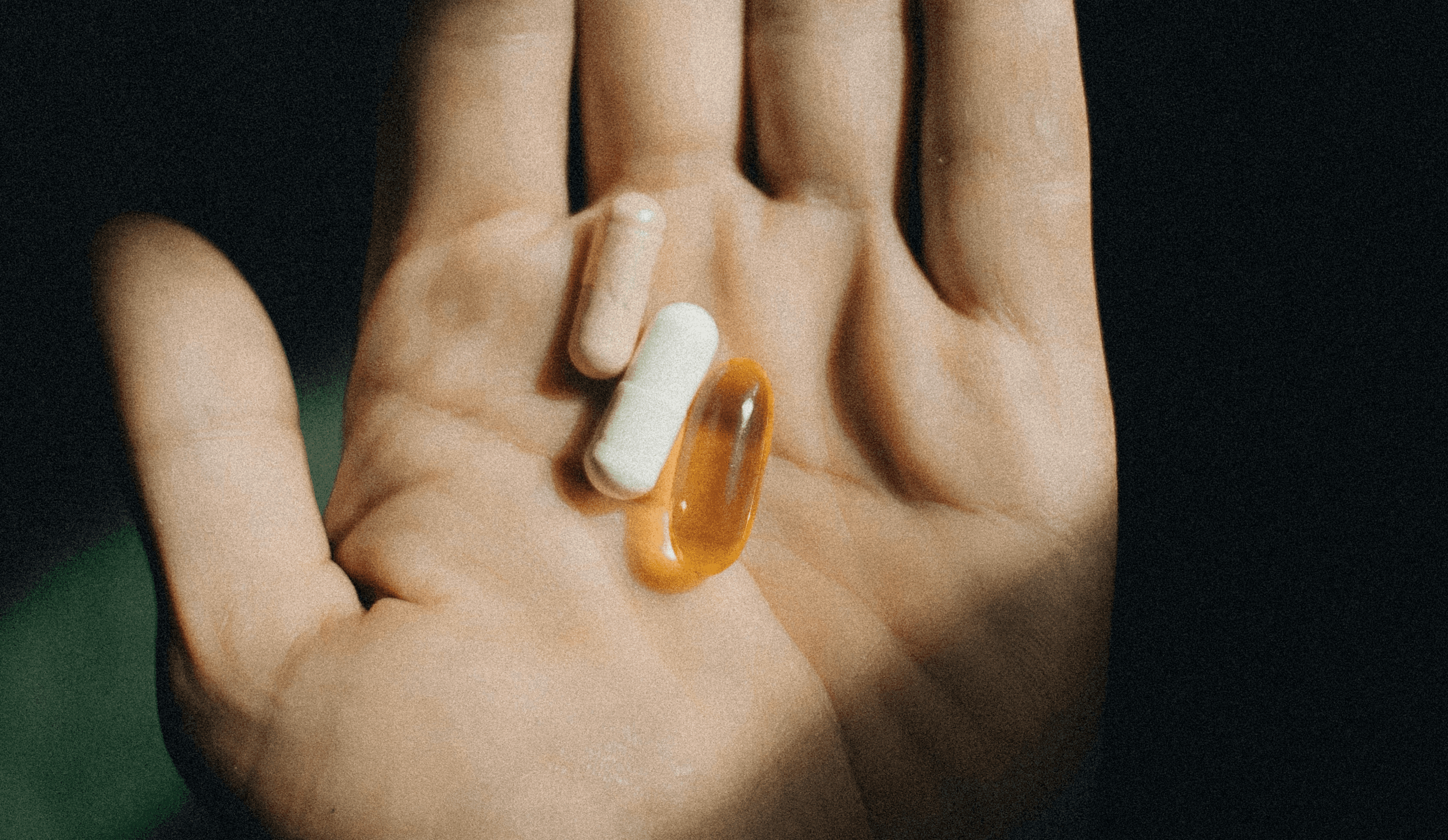
Prebiotics vs. Probiotics
Understanding the difference between prebiotics and probiotics makes it easier to support a healthy gut. Both play important but distinct roles: prebiotics feed the microbes already living in your gut, while probiotics are live microbes you add from food or supplements. Together they can help promote diversity, boost beneficial metabolite production, and support digestive and overall health — but they work in different ways and are used differently.
What are prebiotics?
Prebiotics are specific types of dietary fiber that resist digestion in the upper gut and arrive in the colon where they become food for your gut microbes. Fermentation of prebiotic fiber by gut bacteria produces short-chain fatty acids (SCFAs) such as butyrate, which help feed colon cells, reduce inflammation, and support gut barrier function. Increasing prebiotic intake aims to improve microbial diversity, raise the number of SCFA-producing bacteria, support gut–brain communication, and may help lower colon cancer risk and improve metabolic measures such as blood sugar and cholesterol.
Common prebiotic-rich foods include:
Onions, garlic, leeks and asparagus (inulin and fructooligosaccharides)
Chicory root and Jerusalem artichoke (high in inulin)
Legumes, whole grains and oats
Bananas, especially underripe bananas and plantains
Cruciferous vegetables like broccoli (these provide non-starch polysaccharides that can limit growth of some harmful bacteria and are sometimes described as “contrabiotics”)
How much fiber?
A high-fiber diet is the main driver of a healthy, diverse microbiome. Many recommend aiming for at least 30 g of total fiber per day; some populations consuming 40–50 g/day tend to have even greater microbial diversity. If you’re focusing specifically on targeted prebiotic supplements, common supplement doses are 5–10 g per day.
What are probiotics?
Probiotics are live microorganisms—most often specific strains of bacteria such as Lactobacillus or Bifidobacterium, or certain yeasts—that are taken to add or support beneficial microbes in the gut. You find them in fermented foods (yogurt, kefir, some fermented vegetables and beverages) and in supplements. Probiotics can help with particular digestive issues for some people, such as reducing antibiotic-associated diarrhea or helping with symptoms in certain types of irritable bowel conditions. Effects tend to be strain-specific and often temporary: many probiotic strains don’t permanently colonize the gut but can still have meaningful short-term benefits.
Key differences
Role: Prebiotics are food for your resident microbes; probiotics are live microbes you add.
Source: Prebiotics come from plant fibers in whole foods; probiotics come from fermented foods or supplements.
Outcome: Prebiotics aim to encourage growth and activity of beneficial bacteria (increasing SCFA production and diversity). Probiotics introduce specific strains that may exert a direct effect while present.
Use together: Combining them (sometimes called synbiotics) can be effective — prebiotics can help support the survival and activity of probiotic strains.
Recommended intake
Prioritize food first. Whole plant foods deliver prebiotic fibers plus vitamins, minerals and polyphenols that support overall health. Aim for a wide variety of vegetables, fruits, legumes, whole grains, nuts and seeds across your week.
If taking a prebiotic supplement, start low and increase slowly. A gradual ramp-up reduces common side effects such as bloating and gas. Typical supplement doses are in the 5–10 g/day range; begin at a lower amount and increase over days to weeks as tolerated.
Choose probiotic supplements carefully. Look for products that list the strains and colony-forming units (CFUs) clearly, follow storage instructions (some need refrigeration), and consider third-party testing for quality. Probiotic effects are strain-specific, so choose products targeted to your need (for example, a different approach might be used for occasional diarrhea versus chronic bloating).
Consider supplements when diet is limited. Supplements are useful when access to varied prebiotic-rich foods is difficult (frequent travel, restricted food choices) or when a clinician recommends a targeted probiotic for a specific problem.
Third-party testing matters. Many supplements have been shown to contain less than the labeled amount of active ingredient; products independently tested for purity and potency give more assurance. Examples of third-party tested prebiotic products include Hyperbiotics Prebiotic, InnovixLabs Broad Spectrum Prebiotic Fiber, and Benefiber Prebiotic Fiber Supplement.
What to expect
Common short-term effects of increasing prebiotic fiber are gas, bloating and mild discomfort while gut microbes adapt. These usually lessen over a few days to weeks.
People with severe illness, significant immune compromise, or certain acute gastrointestinal conditions should discuss probiotics with their healthcare provider before starting them.
If you have a sudden or severe change in symptoms after starting a prebiotic or probiotic, stop and consult a clinician.
Simple daily approach
Breakfast: oats with sliced banana and a spoonful of natural yogurt or kefir.
Lunch: mixed salad with chickpeas, onions, and whole-grain bread.
Snacks: a handful of nuts and an underripe banana or a small serving of plantain.
Dinner: a varied plate including cruciferous vegetables (like broccoli), legumes, and a whole grain.
Conclusion
Prebiotics and probiotics are complementary tools for supporting gut health. Focus first on a diverse, fiber-rich diet to nourish your resident microbes. Use targeted probiotics when you want to add specific strains for a particular issue, and consider supplements when dietary options are limited. Start slowly, choose quality products when needed, and aim for a variety of plant foods to support a resilient, diverse microbiome.
Join Mito Health’s annual membership to test 100+ biomarkers with concierge-level support from your care team.
Mito Health: Helping you live healthier, longer.
In-depth bloodwork & holistic health advice, backed by the latest longevity science. Only $399.
Feeding vs Seeding: Prebiotics vs Probiotics Explained
This article breaks down the difference between prebiotics and probiotics and how they work together to support a healthier microbiome.
Written by
Mito Team
Prebiotics vs. Probiotics
Understanding the difference between prebiotics and probiotics makes it easier to support a healthy gut. Both play important but distinct roles: prebiotics feed the microbes already living in your gut, while probiotics are live microbes you add from food or supplements. Together they can help promote diversity, boost beneficial metabolite production, and support digestive and overall health — but they work in different ways and are used differently.
What are prebiotics?
Prebiotics are specific types of dietary fiber that resist digestion in the upper gut and arrive in the colon where they become food for your gut microbes. Fermentation of prebiotic fiber by gut bacteria produces short-chain fatty acids (SCFAs) such as butyrate, which help feed colon cells, reduce inflammation, and support gut barrier function. Increasing prebiotic intake aims to improve microbial diversity, raise the number of SCFA-producing bacteria, support gut–brain communication, and may help lower colon cancer risk and improve metabolic measures such as blood sugar and cholesterol.
Common prebiotic-rich foods include:
Onions, garlic, leeks and asparagus (inulin and fructooligosaccharides)
Chicory root and Jerusalem artichoke (high in inulin)
Legumes, whole grains and oats
Bananas, especially underripe bananas and plantains
Cruciferous vegetables like broccoli (these provide non-starch polysaccharides that can limit growth of some harmful bacteria and are sometimes described as “contrabiotics”)
How much fiber?
A high-fiber diet is the main driver of a healthy, diverse microbiome. Many recommend aiming for at least 30 g of total fiber per day; some populations consuming 40–50 g/day tend to have even greater microbial diversity. If you’re focusing specifically on targeted prebiotic supplements, common supplement doses are 5–10 g per day.
What are probiotics?
Probiotics are live microorganisms—most often specific strains of bacteria such as Lactobacillus or Bifidobacterium, or certain yeasts—that are taken to add or support beneficial microbes in the gut. You find them in fermented foods (yogurt, kefir, some fermented vegetables and beverages) and in supplements. Probiotics can help with particular digestive issues for some people, such as reducing antibiotic-associated diarrhea or helping with symptoms in certain types of irritable bowel conditions. Effects tend to be strain-specific and often temporary: many probiotic strains don’t permanently colonize the gut but can still have meaningful short-term benefits.
Key differences
Role: Prebiotics are food for your resident microbes; probiotics are live microbes you add.
Source: Prebiotics come from plant fibers in whole foods; probiotics come from fermented foods or supplements.
Outcome: Prebiotics aim to encourage growth and activity of beneficial bacteria (increasing SCFA production and diversity). Probiotics introduce specific strains that may exert a direct effect while present.
Use together: Combining them (sometimes called synbiotics) can be effective — prebiotics can help support the survival and activity of probiotic strains.
Recommended intake
Prioritize food first. Whole plant foods deliver prebiotic fibers plus vitamins, minerals and polyphenols that support overall health. Aim for a wide variety of vegetables, fruits, legumes, whole grains, nuts and seeds across your week.
If taking a prebiotic supplement, start low and increase slowly. A gradual ramp-up reduces common side effects such as bloating and gas. Typical supplement doses are in the 5–10 g/day range; begin at a lower amount and increase over days to weeks as tolerated.
Choose probiotic supplements carefully. Look for products that list the strains and colony-forming units (CFUs) clearly, follow storage instructions (some need refrigeration), and consider third-party testing for quality. Probiotic effects are strain-specific, so choose products targeted to your need (for example, a different approach might be used for occasional diarrhea versus chronic bloating).
Consider supplements when diet is limited. Supplements are useful when access to varied prebiotic-rich foods is difficult (frequent travel, restricted food choices) or when a clinician recommends a targeted probiotic for a specific problem.
Third-party testing matters. Many supplements have been shown to contain less than the labeled amount of active ingredient; products independently tested for purity and potency give more assurance. Examples of third-party tested prebiotic products include Hyperbiotics Prebiotic, InnovixLabs Broad Spectrum Prebiotic Fiber, and Benefiber Prebiotic Fiber Supplement.
What to expect
Common short-term effects of increasing prebiotic fiber are gas, bloating and mild discomfort while gut microbes adapt. These usually lessen over a few days to weeks.
People with severe illness, significant immune compromise, or certain acute gastrointestinal conditions should discuss probiotics with their healthcare provider before starting them.
If you have a sudden or severe change in symptoms after starting a prebiotic or probiotic, stop and consult a clinician.
Simple daily approach
Breakfast: oats with sliced banana and a spoonful of natural yogurt or kefir.
Lunch: mixed salad with chickpeas, onions, and whole-grain bread.
Snacks: a handful of nuts and an underripe banana or a small serving of plantain.
Dinner: a varied plate including cruciferous vegetables (like broccoli), legumes, and a whole grain.
Conclusion
Prebiotics and probiotics are complementary tools for supporting gut health. Focus first on a diverse, fiber-rich diet to nourish your resident microbes. Use targeted probiotics when you want to add specific strains for a particular issue, and consider supplements when dietary options are limited. Start slowly, choose quality products when needed, and aim for a variety of plant foods to support a resilient, diverse microbiome.
Join Mito Health’s annual membership to test 100+ biomarkers with concierge-level support from your care team.
Mito Health: Helping you live healthier, longer.
In-depth bloodwork & holistic health advice, backed by the latest longevity science. Only $399.
Feeding vs Seeding: Prebiotics vs Probiotics Explained
This article breaks down the difference between prebiotics and probiotics and how they work together to support a healthier microbiome.
Written by
Mito Team
Prebiotics vs. Probiotics
Understanding the difference between prebiotics and probiotics makes it easier to support a healthy gut. Both play important but distinct roles: prebiotics feed the microbes already living in your gut, while probiotics are live microbes you add from food or supplements. Together they can help promote diversity, boost beneficial metabolite production, and support digestive and overall health — but they work in different ways and are used differently.
What are prebiotics?
Prebiotics are specific types of dietary fiber that resist digestion in the upper gut and arrive in the colon where they become food for your gut microbes. Fermentation of prebiotic fiber by gut bacteria produces short-chain fatty acids (SCFAs) such as butyrate, which help feed colon cells, reduce inflammation, and support gut barrier function. Increasing prebiotic intake aims to improve microbial diversity, raise the number of SCFA-producing bacteria, support gut–brain communication, and may help lower colon cancer risk and improve metabolic measures such as blood sugar and cholesterol.
Common prebiotic-rich foods include:
Onions, garlic, leeks and asparagus (inulin and fructooligosaccharides)
Chicory root and Jerusalem artichoke (high in inulin)
Legumes, whole grains and oats
Bananas, especially underripe bananas and plantains
Cruciferous vegetables like broccoli (these provide non-starch polysaccharides that can limit growth of some harmful bacteria and are sometimes described as “contrabiotics”)
How much fiber?
A high-fiber diet is the main driver of a healthy, diverse microbiome. Many recommend aiming for at least 30 g of total fiber per day; some populations consuming 40–50 g/day tend to have even greater microbial diversity. If you’re focusing specifically on targeted prebiotic supplements, common supplement doses are 5–10 g per day.
What are probiotics?
Probiotics are live microorganisms—most often specific strains of bacteria such as Lactobacillus or Bifidobacterium, or certain yeasts—that are taken to add or support beneficial microbes in the gut. You find them in fermented foods (yogurt, kefir, some fermented vegetables and beverages) and in supplements. Probiotics can help with particular digestive issues for some people, such as reducing antibiotic-associated diarrhea or helping with symptoms in certain types of irritable bowel conditions. Effects tend to be strain-specific and often temporary: many probiotic strains don’t permanently colonize the gut but can still have meaningful short-term benefits.
Key differences
Role: Prebiotics are food for your resident microbes; probiotics are live microbes you add.
Source: Prebiotics come from plant fibers in whole foods; probiotics come from fermented foods or supplements.
Outcome: Prebiotics aim to encourage growth and activity of beneficial bacteria (increasing SCFA production and diversity). Probiotics introduce specific strains that may exert a direct effect while present.
Use together: Combining them (sometimes called synbiotics) can be effective — prebiotics can help support the survival and activity of probiotic strains.
Recommended intake
Prioritize food first. Whole plant foods deliver prebiotic fibers plus vitamins, minerals and polyphenols that support overall health. Aim for a wide variety of vegetables, fruits, legumes, whole grains, nuts and seeds across your week.
If taking a prebiotic supplement, start low and increase slowly. A gradual ramp-up reduces common side effects such as bloating and gas. Typical supplement doses are in the 5–10 g/day range; begin at a lower amount and increase over days to weeks as tolerated.
Choose probiotic supplements carefully. Look for products that list the strains and colony-forming units (CFUs) clearly, follow storage instructions (some need refrigeration), and consider third-party testing for quality. Probiotic effects are strain-specific, so choose products targeted to your need (for example, a different approach might be used for occasional diarrhea versus chronic bloating).
Consider supplements when diet is limited. Supplements are useful when access to varied prebiotic-rich foods is difficult (frequent travel, restricted food choices) or when a clinician recommends a targeted probiotic for a specific problem.
Third-party testing matters. Many supplements have been shown to contain less than the labeled amount of active ingredient; products independently tested for purity and potency give more assurance. Examples of third-party tested prebiotic products include Hyperbiotics Prebiotic, InnovixLabs Broad Spectrum Prebiotic Fiber, and Benefiber Prebiotic Fiber Supplement.
What to expect
Common short-term effects of increasing prebiotic fiber are gas, bloating and mild discomfort while gut microbes adapt. These usually lessen over a few days to weeks.
People with severe illness, significant immune compromise, or certain acute gastrointestinal conditions should discuss probiotics with their healthcare provider before starting them.
If you have a sudden or severe change in symptoms after starting a prebiotic or probiotic, stop and consult a clinician.
Simple daily approach
Breakfast: oats with sliced banana and a spoonful of natural yogurt or kefir.
Lunch: mixed salad with chickpeas, onions, and whole-grain bread.
Snacks: a handful of nuts and an underripe banana or a small serving of plantain.
Dinner: a varied plate including cruciferous vegetables (like broccoli), legumes, and a whole grain.
Conclusion
Prebiotics and probiotics are complementary tools for supporting gut health. Focus first on a diverse, fiber-rich diet to nourish your resident microbes. Use targeted probiotics when you want to add specific strains for a particular issue, and consider supplements when dietary options are limited. Start slowly, choose quality products when needed, and aim for a variety of plant foods to support a resilient, diverse microbiome.
Join Mito Health’s annual membership to test 100+ biomarkers with concierge-level support from your care team.
Feeding vs Seeding: Prebiotics vs Probiotics Explained
This article breaks down the difference between prebiotics and probiotics and how they work together to support a healthier microbiome.
Written by
Mito Team
Prebiotics vs. Probiotics
Understanding the difference between prebiotics and probiotics makes it easier to support a healthy gut. Both play important but distinct roles: prebiotics feed the microbes already living in your gut, while probiotics are live microbes you add from food or supplements. Together they can help promote diversity, boost beneficial metabolite production, and support digestive and overall health — but they work in different ways and are used differently.
What are prebiotics?
Prebiotics are specific types of dietary fiber that resist digestion in the upper gut and arrive in the colon where they become food for your gut microbes. Fermentation of prebiotic fiber by gut bacteria produces short-chain fatty acids (SCFAs) such as butyrate, which help feed colon cells, reduce inflammation, and support gut barrier function. Increasing prebiotic intake aims to improve microbial diversity, raise the number of SCFA-producing bacteria, support gut–brain communication, and may help lower colon cancer risk and improve metabolic measures such as blood sugar and cholesterol.
Common prebiotic-rich foods include:
Onions, garlic, leeks and asparagus (inulin and fructooligosaccharides)
Chicory root and Jerusalem artichoke (high in inulin)
Legumes, whole grains and oats
Bananas, especially underripe bananas and plantains
Cruciferous vegetables like broccoli (these provide non-starch polysaccharides that can limit growth of some harmful bacteria and are sometimes described as “contrabiotics”)
How much fiber?
A high-fiber diet is the main driver of a healthy, diverse microbiome. Many recommend aiming for at least 30 g of total fiber per day; some populations consuming 40–50 g/day tend to have even greater microbial diversity. If you’re focusing specifically on targeted prebiotic supplements, common supplement doses are 5–10 g per day.
What are probiotics?
Probiotics are live microorganisms—most often specific strains of bacteria such as Lactobacillus or Bifidobacterium, or certain yeasts—that are taken to add or support beneficial microbes in the gut. You find them in fermented foods (yogurt, kefir, some fermented vegetables and beverages) and in supplements. Probiotics can help with particular digestive issues for some people, such as reducing antibiotic-associated diarrhea or helping with symptoms in certain types of irritable bowel conditions. Effects tend to be strain-specific and often temporary: many probiotic strains don’t permanently colonize the gut but can still have meaningful short-term benefits.
Key differences
Role: Prebiotics are food for your resident microbes; probiotics are live microbes you add.
Source: Prebiotics come from plant fibers in whole foods; probiotics come from fermented foods or supplements.
Outcome: Prebiotics aim to encourage growth and activity of beneficial bacteria (increasing SCFA production and diversity). Probiotics introduce specific strains that may exert a direct effect while present.
Use together: Combining them (sometimes called synbiotics) can be effective — prebiotics can help support the survival and activity of probiotic strains.
Recommended intake
Prioritize food first. Whole plant foods deliver prebiotic fibers plus vitamins, minerals and polyphenols that support overall health. Aim for a wide variety of vegetables, fruits, legumes, whole grains, nuts and seeds across your week.
If taking a prebiotic supplement, start low and increase slowly. A gradual ramp-up reduces common side effects such as bloating and gas. Typical supplement doses are in the 5–10 g/day range; begin at a lower amount and increase over days to weeks as tolerated.
Choose probiotic supplements carefully. Look for products that list the strains and colony-forming units (CFUs) clearly, follow storage instructions (some need refrigeration), and consider third-party testing for quality. Probiotic effects are strain-specific, so choose products targeted to your need (for example, a different approach might be used for occasional diarrhea versus chronic bloating).
Consider supplements when diet is limited. Supplements are useful when access to varied prebiotic-rich foods is difficult (frequent travel, restricted food choices) or when a clinician recommends a targeted probiotic for a specific problem.
Third-party testing matters. Many supplements have been shown to contain less than the labeled amount of active ingredient; products independently tested for purity and potency give more assurance. Examples of third-party tested prebiotic products include Hyperbiotics Prebiotic, InnovixLabs Broad Spectrum Prebiotic Fiber, and Benefiber Prebiotic Fiber Supplement.
What to expect
Common short-term effects of increasing prebiotic fiber are gas, bloating and mild discomfort while gut microbes adapt. These usually lessen over a few days to weeks.
People with severe illness, significant immune compromise, or certain acute gastrointestinal conditions should discuss probiotics with their healthcare provider before starting them.
If you have a sudden or severe change in symptoms after starting a prebiotic or probiotic, stop and consult a clinician.
Simple daily approach
Breakfast: oats with sliced banana and a spoonful of natural yogurt or kefir.
Lunch: mixed salad with chickpeas, onions, and whole-grain bread.
Snacks: a handful of nuts and an underripe banana or a small serving of plantain.
Dinner: a varied plate including cruciferous vegetables (like broccoli), legumes, and a whole grain.
Conclusion
Prebiotics and probiotics are complementary tools for supporting gut health. Focus first on a diverse, fiber-rich diet to nourish your resident microbes. Use targeted probiotics when you want to add specific strains for a particular issue, and consider supplements when dietary options are limited. Start slowly, choose quality products when needed, and aim for a variety of plant foods to support a resilient, diverse microbiome.
Join Mito Health’s annual membership to test 100+ biomarkers with concierge-level support from your care team.
Mito Health: Helping you live healthier, longer.
In-depth bloodwork & holistic health advice, backed by the latest longevity science. Only $399.
Recently published




What could cost you $15,000? $349 with Mito.
No hidden fees. No subscription traps. Just real care.
What's included
Core Test - Comprehensive lab test covering 100+ biomarkers
Clinician reviewed insights and action plan
1:1 consultation with a real clinician
Upload past lab reports for lifetime tracking
Dedicated 1:1 health coaching
Duo Bundle (For 2)
Most popular
$798
$668
$130 off (17%)
Individual
$399
$349
$50 off (13%)
What could cost you $15,000? $349 with Mito.
No hidden fees. No subscription traps. Just real care.
What's included
Core Test - Comprehensive lab test covering 100+ biomarkers
Clinician reviewed insights and action plan
1:1 consultation with a real clinician
Upload past lab reports for lifetime tracking
Dedicated 1:1 health coaching
Duo Bundle (For 2)
Most popular
$798
$668
$130 off (17%)
Individual
$399
$349
$50 off (13%)
What could cost you $15,000? $349 with Mito.
No hidden fees. No subscription traps. Just real care.
What's included
Core Test - Comprehensive lab test covering 100+ biomarkers
Clinician reviewed insights and action plan
1:1 consultation with a real clinician
Upload past lab reports for lifetime tracking
Dedicated 1:1 health coaching
Duo Bundle (For 2)
Most popular
$798
$668
$130 off (17%)
Individual
$399
$349
$50 off (13%)
What could cost you $15,000? $349 with Mito.
No hidden fees. No subscription traps. Just real care.
Core Test - Comprehensive lab test covering 100+ biomarkers
Clinician reviewed insights and action plan
1:1 consultation with a real clinician
Upload past lab reports for lifetime tracking
Dedicated 1:1 health coaching
What's included
Duo Bundle (For 2)
Most popular
$798
$668
$130 off (17%)
Individual
$399
$349
$50 off (13%)