
Mito Health: Helping you live healthier, longer.
In-depth bloodwork & holistic health advice, backed by the latest longevity science. Only $399.
The Difference Between Pea Protein vs Soy Protein
Choosing between pea and soy protein isn’t about which one is “better,” but which one works best for you. Explore how each supports protein needs, digestion, and daily nutrition.

Written by
Mito Team
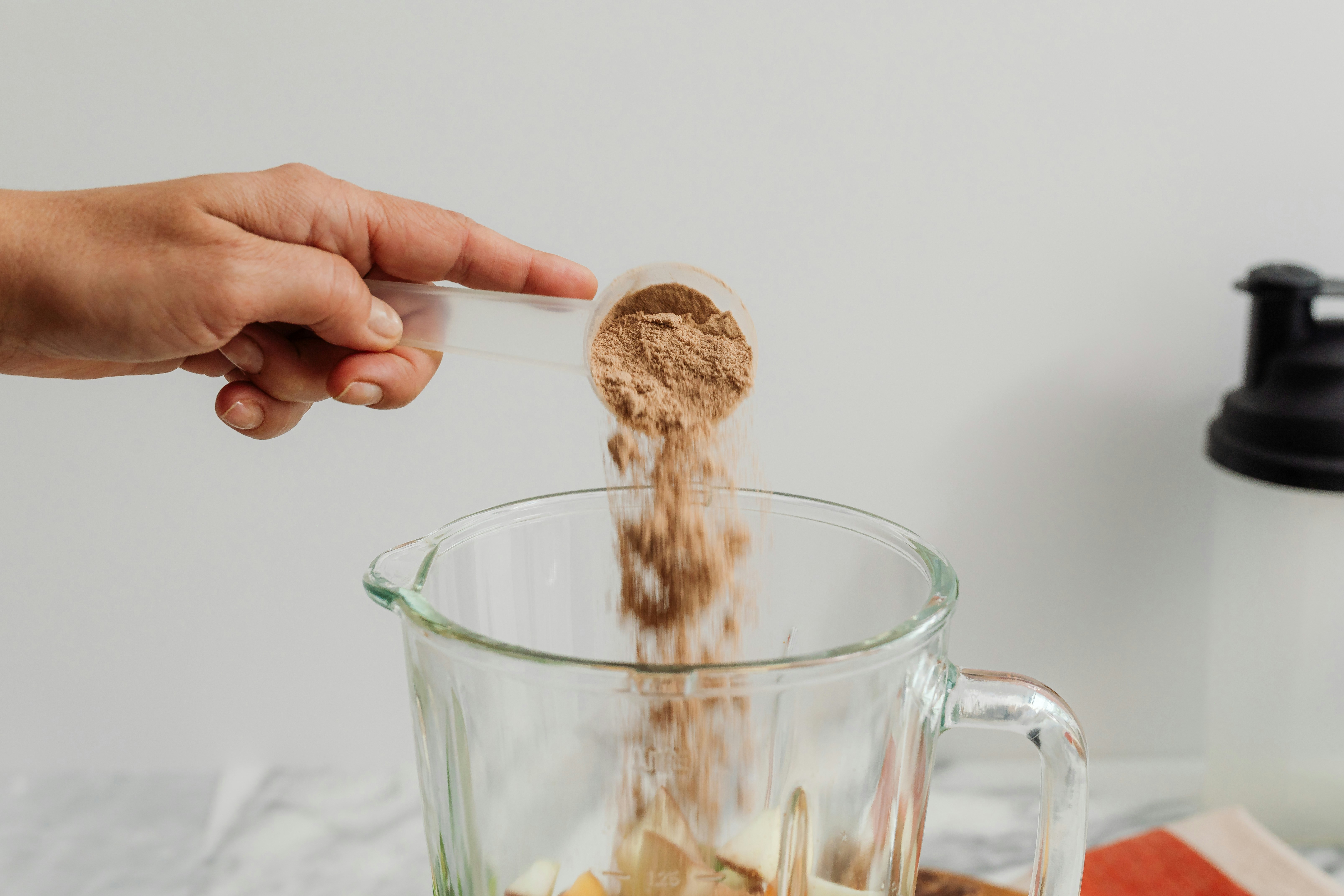
Pea protein vs. soy protein
Both are popular plant-based powders that can help you reach daily protein targets, support muscle and metabolic health, and increase feelings of fullness. Below is a clear, practical comparison to help you decide which fits your needs, taste, and values.
Soy protein comes from soybeans and is commonly sold as isolate or concentrate. It’s been used for decades as a plant-based protein source.
Pea protein is usually made from yellow split peas and is commonly sold as an isolate that concentrates the protein fraction.
Protein quality and amino acid profile
Soy: Soy is a complete protein, meaning it contains all nine essential amino acids in useful amounts. That makes soy a convenient single-source option for meeting amino acid needs.
Pea: Pea protein is high in many essential amino acids, especially branched-chain amino acids (BCAAs) important for muscle building, but it’s relatively low in methionine. That doesn’t prevent pea from being effective — combining pea protein with other plant foods (for example rice, grains, or a mixed plant-protein blend) provides a complete amino acid profile.
Muscle support and performance
Both soy and pea proteins can support muscle repair and growth when total daily protein and overall nutrition are adequate and resistance training is performed. For most people, achieving full-day protein targets matters more than the choice of plant protein powder alone.
If you want a single-source powder that is complete, soy gives that advantage. If you choose pea, look for a blend (pea + rice) or ensure variety in your overall diet.
Digestibility and tolerance
Both proteins are generally well tolerated. Pea protein can be gentler for some people compared with soy or dairy; it’s naturally lactose-free.
Soy is a common allergen for some people and may cause intolerance in others. Pea allergy is less common but does occur.
For people with digestive sensitivity, start with small amounts and increase gradually.
Safety and common concerns
Soy contains naturally occurring plant compounds called isoflavones (sometimes called phytoestrogens). At typical dietary supplement levels, these compounds have minimal effect for most people. If you have specific medical concerns or take medications that interact with soy, check with a clinician.
There are no major safety issues for most people using 1 scoop daily of a protein powder. Standard advice is to choose products with no added sugars and at least ~20 grams protein per serving if you’re using the powder to help meet protein targets.
Taste, texture and mixing
Soy protein tends to mix smoothly in water and has a mild flavor.
Pea protein can be slightly grainier or have a more pronounced earthy flavor, though many modern formulations and flavors mask this well. Pea works especially well in smoothies, shakes with fruit, or in recipes (oats, pancakes, baking).
If mixability and a very smooth texture in water are priorities, soy often performs better. If you’re fine with a smoothie or prefer a neutral, slightly savory note, pea is a solid choice.
Environmental and ethical considerations
Both pea and soy have lower environmental footprints than animal-derived proteins. Pea protein is often praised for relatively low water and land needs and for being a nitrogen-fixing crop, which can be beneficial for crop rotations. Soy farming has sustainability variations depending on region and use; most global soy production is used for animal feed. If environmental impact is a priority, look for transparent sourcing and certified products.
How to choose
If you want a single plant protein that’s complete and mixes well: soy is a straightforward option.
If you prefer a hypoallergenic-style, neutral option or want a pulse-based protein: pea is an excellent choice — pair it with grains or choose a blend to round out methionine.
Look for powders that provide at least 20 grams of protein per serving and have minimal or no added sugars.
Start with 1 scoop daily and increase to 1–2 scoops depending on your protein targets. Use powders as a tool to hit targets — they don’t replace a balanced, protein-rich diet.
If you have food allergies, estrogen-sensitive conditions, or take medications, check with a clinician before adding a new supplement.
Conclusion
Both soy and pea protein can help you meet protein needs, support muscle and metabolic health, and reduce short-term hunger.
Soy is a complete plant protein and mixes well; pea is rich in BCAAs and easy to tolerate for many people but is lower in methionine (easily complemented by diet or blends).
Choose based on dietary preferences, allergies, taste/mixability, and whether you prefer a single-source complete protein or a blended approach.
Either option can be a good choice — pick the one that fits your diet, palates, and goals, and remember that consistent total protein intake across the day is the most important factor for results.
Join Mito Health’s annual membership to test 100+ biomarkers with concierge-level support from your care team.
Mito Health: Helping you live healthier, longer.
In-depth bloodwork & holistic health advice, backed by the latest longevity science. Only $399.
The Difference Between Pea Protein vs Soy Protein
Choosing between pea and soy protein isn’t about which one is “better,” but which one works best for you. Explore how each supports protein needs, digestion, and daily nutrition.
Written by
Mito Team
Pea protein vs. soy protein
Both are popular plant-based powders that can help you reach daily protein targets, support muscle and metabolic health, and increase feelings of fullness. Below is a clear, practical comparison to help you decide which fits your needs, taste, and values.
Soy protein comes from soybeans and is commonly sold as isolate or concentrate. It’s been used for decades as a plant-based protein source.
Pea protein is usually made from yellow split peas and is commonly sold as an isolate that concentrates the protein fraction.
Protein quality and amino acid profile
Soy: Soy is a complete protein, meaning it contains all nine essential amino acids in useful amounts. That makes soy a convenient single-source option for meeting amino acid needs.
Pea: Pea protein is high in many essential amino acids, especially branched-chain amino acids (BCAAs) important for muscle building, but it’s relatively low in methionine. That doesn’t prevent pea from being effective — combining pea protein with other plant foods (for example rice, grains, or a mixed plant-protein blend) provides a complete amino acid profile.
Muscle support and performance
Both soy and pea proteins can support muscle repair and growth when total daily protein and overall nutrition are adequate and resistance training is performed. For most people, achieving full-day protein targets matters more than the choice of plant protein powder alone.
If you want a single-source powder that is complete, soy gives that advantage. If you choose pea, look for a blend (pea + rice) or ensure variety in your overall diet.
Digestibility and tolerance
Both proteins are generally well tolerated. Pea protein can be gentler for some people compared with soy or dairy; it’s naturally lactose-free.
Soy is a common allergen for some people and may cause intolerance in others. Pea allergy is less common but does occur.
For people with digestive sensitivity, start with small amounts and increase gradually.
Safety and common concerns
Soy contains naturally occurring plant compounds called isoflavones (sometimes called phytoestrogens). At typical dietary supplement levels, these compounds have minimal effect for most people. If you have specific medical concerns or take medications that interact with soy, check with a clinician.
There are no major safety issues for most people using 1 scoop daily of a protein powder. Standard advice is to choose products with no added sugars and at least ~20 grams protein per serving if you’re using the powder to help meet protein targets.
Taste, texture and mixing
Soy protein tends to mix smoothly in water and has a mild flavor.
Pea protein can be slightly grainier or have a more pronounced earthy flavor, though many modern formulations and flavors mask this well. Pea works especially well in smoothies, shakes with fruit, or in recipes (oats, pancakes, baking).
If mixability and a very smooth texture in water are priorities, soy often performs better. If you’re fine with a smoothie or prefer a neutral, slightly savory note, pea is a solid choice.
Environmental and ethical considerations
Both pea and soy have lower environmental footprints than animal-derived proteins. Pea protein is often praised for relatively low water and land needs and for being a nitrogen-fixing crop, which can be beneficial for crop rotations. Soy farming has sustainability variations depending on region and use; most global soy production is used for animal feed. If environmental impact is a priority, look for transparent sourcing and certified products.
How to choose
If you want a single plant protein that’s complete and mixes well: soy is a straightforward option.
If you prefer a hypoallergenic-style, neutral option or want a pulse-based protein: pea is an excellent choice — pair it with grains or choose a blend to round out methionine.
Look for powders that provide at least 20 grams of protein per serving and have minimal or no added sugars.
Start with 1 scoop daily and increase to 1–2 scoops depending on your protein targets. Use powders as a tool to hit targets — they don’t replace a balanced, protein-rich diet.
If you have food allergies, estrogen-sensitive conditions, or take medications, check with a clinician before adding a new supplement.
Conclusion
Both soy and pea protein can help you meet protein needs, support muscle and metabolic health, and reduce short-term hunger.
Soy is a complete plant protein and mixes well; pea is rich in BCAAs and easy to tolerate for many people but is lower in methionine (easily complemented by diet or blends).
Choose based on dietary preferences, allergies, taste/mixability, and whether you prefer a single-source complete protein or a blended approach.
Either option can be a good choice — pick the one that fits your diet, palates, and goals, and remember that consistent total protein intake across the day is the most important factor for results.
Join Mito Health’s annual membership to test 100+ biomarkers with concierge-level support from your care team.
Mito Health: Helping you live healthier, longer.
In-depth bloodwork & holistic health advice, backed by the latest longevity science. Only $399.
The Difference Between Pea Protein vs Soy Protein
Choosing between pea and soy protein isn’t about which one is “better,” but which one works best for you. Explore how each supports protein needs, digestion, and daily nutrition.
Written by
Mito Team
Pea protein vs. soy protein
Both are popular plant-based powders that can help you reach daily protein targets, support muscle and metabolic health, and increase feelings of fullness. Below is a clear, practical comparison to help you decide which fits your needs, taste, and values.
Soy protein comes from soybeans and is commonly sold as isolate or concentrate. It’s been used for decades as a plant-based protein source.
Pea protein is usually made from yellow split peas and is commonly sold as an isolate that concentrates the protein fraction.
Protein quality and amino acid profile
Soy: Soy is a complete protein, meaning it contains all nine essential amino acids in useful amounts. That makes soy a convenient single-source option for meeting amino acid needs.
Pea: Pea protein is high in many essential amino acids, especially branched-chain amino acids (BCAAs) important for muscle building, but it’s relatively low in methionine. That doesn’t prevent pea from being effective — combining pea protein with other plant foods (for example rice, grains, or a mixed plant-protein blend) provides a complete amino acid profile.
Muscle support and performance
Both soy and pea proteins can support muscle repair and growth when total daily protein and overall nutrition are adequate and resistance training is performed. For most people, achieving full-day protein targets matters more than the choice of plant protein powder alone.
If you want a single-source powder that is complete, soy gives that advantage. If you choose pea, look for a blend (pea + rice) or ensure variety in your overall diet.
Digestibility and tolerance
Both proteins are generally well tolerated. Pea protein can be gentler for some people compared with soy or dairy; it’s naturally lactose-free.
Soy is a common allergen for some people and may cause intolerance in others. Pea allergy is less common but does occur.
For people with digestive sensitivity, start with small amounts and increase gradually.
Safety and common concerns
Soy contains naturally occurring plant compounds called isoflavones (sometimes called phytoestrogens). At typical dietary supplement levels, these compounds have minimal effect for most people. If you have specific medical concerns or take medications that interact with soy, check with a clinician.
There are no major safety issues for most people using 1 scoop daily of a protein powder. Standard advice is to choose products with no added sugars and at least ~20 grams protein per serving if you’re using the powder to help meet protein targets.
Taste, texture and mixing
Soy protein tends to mix smoothly in water and has a mild flavor.
Pea protein can be slightly grainier or have a more pronounced earthy flavor, though many modern formulations and flavors mask this well. Pea works especially well in smoothies, shakes with fruit, or in recipes (oats, pancakes, baking).
If mixability and a very smooth texture in water are priorities, soy often performs better. If you’re fine with a smoothie or prefer a neutral, slightly savory note, pea is a solid choice.
Environmental and ethical considerations
Both pea and soy have lower environmental footprints than animal-derived proteins. Pea protein is often praised for relatively low water and land needs and for being a nitrogen-fixing crop, which can be beneficial for crop rotations. Soy farming has sustainability variations depending on region and use; most global soy production is used for animal feed. If environmental impact is a priority, look for transparent sourcing and certified products.
How to choose
If you want a single plant protein that’s complete and mixes well: soy is a straightforward option.
If you prefer a hypoallergenic-style, neutral option or want a pulse-based protein: pea is an excellent choice — pair it with grains or choose a blend to round out methionine.
Look for powders that provide at least 20 grams of protein per serving and have minimal or no added sugars.
Start with 1 scoop daily and increase to 1–2 scoops depending on your protein targets. Use powders as a tool to hit targets — they don’t replace a balanced, protein-rich diet.
If you have food allergies, estrogen-sensitive conditions, or take medications, check with a clinician before adding a new supplement.
Conclusion
Both soy and pea protein can help you meet protein needs, support muscle and metabolic health, and reduce short-term hunger.
Soy is a complete plant protein and mixes well; pea is rich in BCAAs and easy to tolerate for many people but is lower in methionine (easily complemented by diet or blends).
Choose based on dietary preferences, allergies, taste/mixability, and whether you prefer a single-source complete protein or a blended approach.
Either option can be a good choice — pick the one that fits your diet, palates, and goals, and remember that consistent total protein intake across the day is the most important factor for results.
Join Mito Health’s annual membership to test 100+ biomarkers with concierge-level support from your care team.
The Difference Between Pea Protein vs Soy Protein
Choosing between pea and soy protein isn’t about which one is “better,” but which one works best for you. Explore how each supports protein needs, digestion, and daily nutrition.
Written by
Mito Team
Pea protein vs. soy protein
Both are popular plant-based powders that can help you reach daily protein targets, support muscle and metabolic health, and increase feelings of fullness. Below is a clear, practical comparison to help you decide which fits your needs, taste, and values.
Soy protein comes from soybeans and is commonly sold as isolate or concentrate. It’s been used for decades as a plant-based protein source.
Pea protein is usually made from yellow split peas and is commonly sold as an isolate that concentrates the protein fraction.
Protein quality and amino acid profile
Soy: Soy is a complete protein, meaning it contains all nine essential amino acids in useful amounts. That makes soy a convenient single-source option for meeting amino acid needs.
Pea: Pea protein is high in many essential amino acids, especially branched-chain amino acids (BCAAs) important for muscle building, but it’s relatively low in methionine. That doesn’t prevent pea from being effective — combining pea protein with other plant foods (for example rice, grains, or a mixed plant-protein blend) provides a complete amino acid profile.
Muscle support and performance
Both soy and pea proteins can support muscle repair and growth when total daily protein and overall nutrition are adequate and resistance training is performed. For most people, achieving full-day protein targets matters more than the choice of plant protein powder alone.
If you want a single-source powder that is complete, soy gives that advantage. If you choose pea, look for a blend (pea + rice) or ensure variety in your overall diet.
Digestibility and tolerance
Both proteins are generally well tolerated. Pea protein can be gentler for some people compared with soy or dairy; it’s naturally lactose-free.
Soy is a common allergen for some people and may cause intolerance in others. Pea allergy is less common but does occur.
For people with digestive sensitivity, start with small amounts and increase gradually.
Safety and common concerns
Soy contains naturally occurring plant compounds called isoflavones (sometimes called phytoestrogens). At typical dietary supplement levels, these compounds have minimal effect for most people. If you have specific medical concerns or take medications that interact with soy, check with a clinician.
There are no major safety issues for most people using 1 scoop daily of a protein powder. Standard advice is to choose products with no added sugars and at least ~20 grams protein per serving if you’re using the powder to help meet protein targets.
Taste, texture and mixing
Soy protein tends to mix smoothly in water and has a mild flavor.
Pea protein can be slightly grainier or have a more pronounced earthy flavor, though many modern formulations and flavors mask this well. Pea works especially well in smoothies, shakes with fruit, or in recipes (oats, pancakes, baking).
If mixability and a very smooth texture in water are priorities, soy often performs better. If you’re fine with a smoothie or prefer a neutral, slightly savory note, pea is a solid choice.
Environmental and ethical considerations
Both pea and soy have lower environmental footprints than animal-derived proteins. Pea protein is often praised for relatively low water and land needs and for being a nitrogen-fixing crop, which can be beneficial for crop rotations. Soy farming has sustainability variations depending on region and use; most global soy production is used for animal feed. If environmental impact is a priority, look for transparent sourcing and certified products.
How to choose
If you want a single plant protein that’s complete and mixes well: soy is a straightforward option.
If you prefer a hypoallergenic-style, neutral option or want a pulse-based protein: pea is an excellent choice — pair it with grains or choose a blend to round out methionine.
Look for powders that provide at least 20 grams of protein per serving and have minimal or no added sugars.
Start with 1 scoop daily and increase to 1–2 scoops depending on your protein targets. Use powders as a tool to hit targets — they don’t replace a balanced, protein-rich diet.
If you have food allergies, estrogen-sensitive conditions, or take medications, check with a clinician before adding a new supplement.
Conclusion
Both soy and pea protein can help you meet protein needs, support muscle and metabolic health, and reduce short-term hunger.
Soy is a complete plant protein and mixes well; pea is rich in BCAAs and easy to tolerate for many people but is lower in methionine (easily complemented by diet or blends).
Choose based on dietary preferences, allergies, taste/mixability, and whether you prefer a single-source complete protein or a blended approach.
Either option can be a good choice — pick the one that fits your diet, palates, and goals, and remember that consistent total protein intake across the day is the most important factor for results.
Join Mito Health’s annual membership to test 100+ biomarkers with concierge-level support from your care team.
Mito Health: Helping you live healthier, longer.
In-depth bloodwork & holistic health advice, backed by the latest longevity science. Only $399.
Recently published




What could cost you $15,000? $349 with Mito.
No hidden fees. No subscription traps. Just real care.
What's included
Core Test - Comprehensive lab test covering 100+ biomarkers
Clinician reviewed insights and action plan
1:1 consultation with a real clinician
Upload past lab reports for lifetime tracking
Dedicated 1:1 health coaching
Duo Bundle (For 2)
Most popular
$798
$668
$130 off (17%)
Individual
$399
$349
$50 off (13%)
What could cost you $15,000? $349 with Mito.
No hidden fees. No subscription traps. Just real care.
What's included
Core Test - Comprehensive lab test covering 100+ biomarkers
Clinician reviewed insights and action plan
1:1 consultation with a real clinician
Upload past lab reports for lifetime tracking
Dedicated 1:1 health coaching
Duo Bundle (For 2)
Most popular
$798
$668
$130 off (17%)
Individual
$399
$349
$50 off (13%)
What could cost you $15,000? $349 with Mito.
No hidden fees. No subscription traps. Just real care.
What's included
Core Test - Comprehensive lab test covering 100+ biomarkers
Clinician reviewed insights and action plan
1:1 consultation with a real clinician
Upload past lab reports for lifetime tracking
Dedicated 1:1 health coaching
Duo Bundle (For 2)
Most popular
$798
$668
$130 off (17%)
Individual
$399
$349
$50 off (13%)
What could cost you $15,000? $349 with Mito.
No hidden fees. No subscription traps. Just real care.
Core Test - Comprehensive lab test covering 100+ biomarkers
Clinician reviewed insights and action plan
1:1 consultation with a real clinician
Upload past lab reports for lifetime tracking
Dedicated 1:1 health coaching
What's included
Duo Bundle (For 2)
Most popular
$798
$668
$130 off (17%)
Individual
$399
$349
$50 off (13%)