
Mito Health: Helping you live healthier, longer.
In-depth bloodwork & holistic health advice, backed by the latest longevity science. Only $399.
Fuel for Your Gut: Understanding FOS Prebiotics
FOS is a prebiotic fiber that nourishes beneficial gut microbes. This article looks at how it works and why food-based sources matter most.

Written by
Mito Team
What is FOS (fructooligosaccharide)?
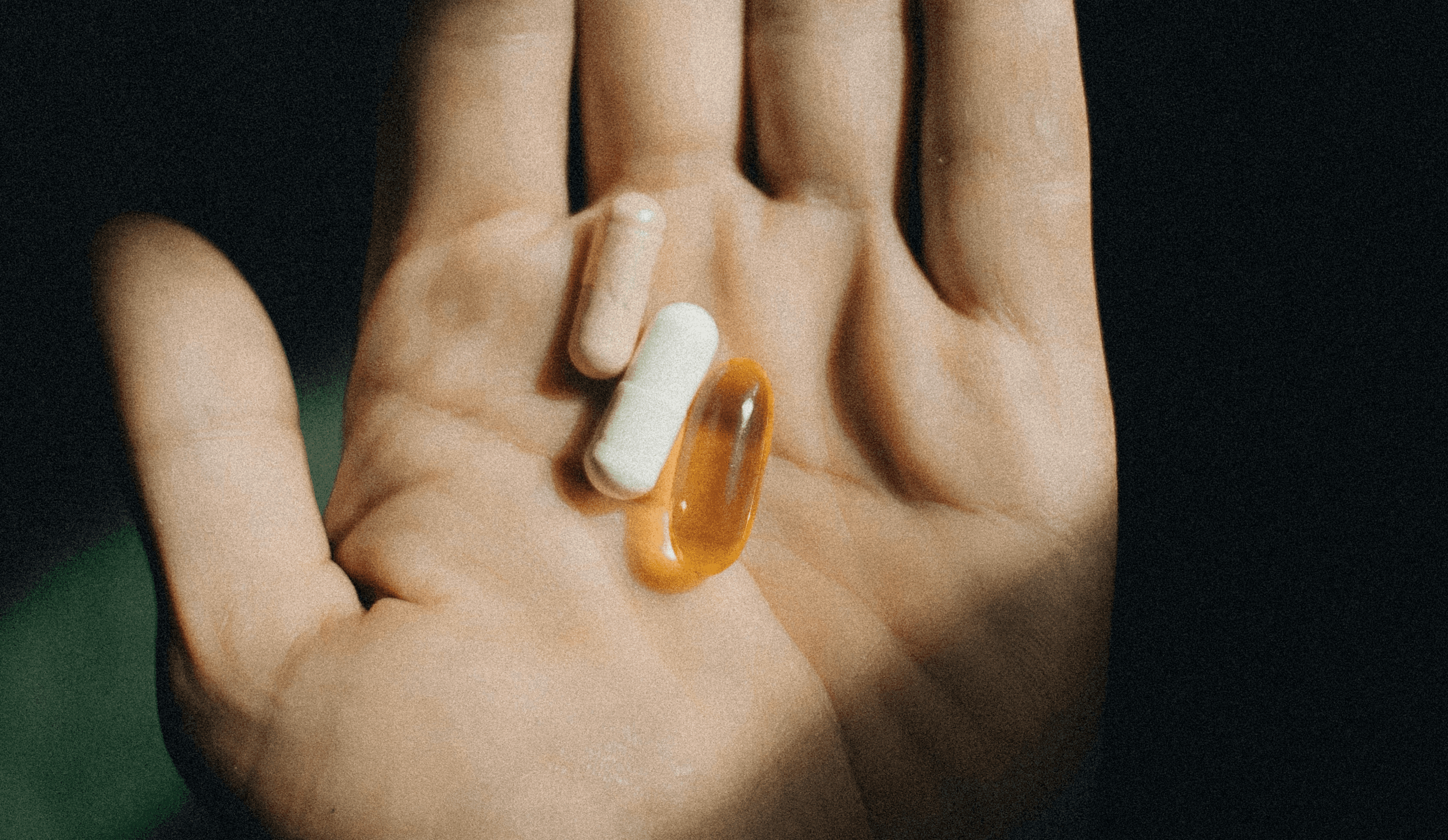
Fructooligosaccharide (FOS) is a type of prebiotic fiber. Prebiotics are specific, fermentable fibers that pass through the upper digestive tract and serve as food for the microbes that live in your colon. FOS is closely related to inulin and other oligosaccharides; together these fibers selectively encourage the growth and activity of beneficial gut bacteria.
How FOS works in the gut
When FOS reaches the large intestine it is fermented by gut bacteria. This fermentation produces short-chain fatty acids (SCFAs) such as butyrate, acetate and propionate. SCFAs have several important effects:
They supply energy to colon cells and help maintain a healthy gut lining.
They support anti-inflammatory pathways in the gut.
They influence metabolic processes elsewhere in the body, including blood sugar regulation and cholesterol handling.
They can communicate with the nervous system and influence the gut–brain axis.
Why FOS matters for health
Because FOS helps feed SCFA-producing bacteria and supports a diverse microbiome, it is associated with a range of potential benefits:
Easing some symptoms of irritable bowel syndrome (IBS) for certain people, especially when introduced in an appropriate way.
Helping improve blood sugar control and supporting healthy cholesterol levels.
Supporting gut barrier function and local anti-inflammatory activity, which is one reason it may reduce long-term colon disease risk.
Contributing to gut–brain communication that can influence mood and cognition indirectly.
Fiber and microbiome diversity
The most important single dietary driver of a healthy, diverse microbiome is total dietary fiber—particularly prebiotic fibers like FOS. Population patterns that favor microbiome diversity typically have much higher fiber intakes than many modern diets. A practical target for many people is at least 30 grams of total fiber per day, and some healthier-population patterns consume 40–50 grams daily and appear to gain additional microbiome-related benefits. Prebiotic intake is one piece of that broader fiber picture.
Where FOS and other prebiotics are found
Whole foods are rich sources of prebiotic fibers, and they provide additional vitamins, minerals and polyphenols that support health. Foods high in inulin, oligofructose (FOS) or related prebiotics include:
Chicory root and chicory-based products
Jerusalem artichoke (sunchoke)
Onions, garlic and leeks
Asparagus
Dandelion greens and some other leafy greens
Whole grains such as barley and oats
Apples and other pome fruits
Other prebiotic fibers or fiber-rich foods that support a healthy microbiome include legumes, pulses, whole grains, and underripe bananas or plantains. Certain non-starch polysaccharides found in broccoli, cruciferous vegetables, underripe bananas and plantains can reduce colonization by some harmful bacteria and are sometimes described as “contrabiotics” because they selectively impair certain bacterial growth.
Tips for adding FOS to your diet
Prioritize whole foods first. Prebiotic fiber comes packaged with beneficial micronutrients and plant compounds, so eating food sources is the best first step.
Start small and increase gradually. Many people experience gas or bloating if they add a lot of fermentable fiber too quickly. Begin with a low amount (for example a small serving of onion or a few slices of cooked asparagus) and increase over days to weeks.
Typical supplemental doses used in practice range around 5–10 grams per day. If using a supplement, start below that dose and work up as tolerated.
Spread intake across the day rather than taking a large dose at once to reduce discomfort.
Combine prebiotic foods with a variety of other fiber sources (vegetables, fruit, legumes, whole grains) to support microbial diversity.
Supplements: when and how to choose one
Supplements can help when access to a varied, high-fiber diet is limited (for example during frequent travel, limited menus, or specific food restrictions). However, they are not a perfect substitute for whole foods.
If you choose a supplement, third-party testing is important: some products have been found to contain less of the active fiber than claimed. Look for brands that undergo independent verification.
Common product doses are in the 5–10 g/day range; follow the product guidance and start lower to assess tolerance.
Examples of third-party tested products include Hyperbiotics Prebiotic, InnovixLabs Broad Spectrum Prebiotic Fiber, and Benefiber Prebiotic Fiber Supplement.
Who should be cautious
Most people tolerate small, gradually increased amounts of FOS and other prebiotics. Possible side effects include gas, bloating and mild abdominal discomfort while the microbiome adapts. Some people with severe functional gut disorders or specific conditions (for example complex IBS patterns, small intestinal bacterial overgrowth or other restrictive GI issues) may not tolerate certain fermentable fibers and should discuss introduction of prebiotics with a clinician before starting them.
Goals to aim for with prebiotic use
When you include FOS and other prebiotic fibers in your diet you are generally aiming to:
Support gut microbial diversity
Increase SCFA-producing bacteria and butyrate production
Improve gut–brain-axis health
Reduce long-term risk markers for colon disease
Conclusion
FOS is a well-established prebiotic fiber that feeds beneficial gut bacteria and supports production of health-promoting short-chain fatty acids. Prioritize getting prebiotic fibers from a variety of whole plant foods, aim to increase total fiber intake (with a practical target of at least 30 grams daily for many people), and add FOS-containing foods gradually to avoid discomfort. When supplements are used, choose third-party tested products, start at a low dose, and discuss use with a healthcare professional if you have serious or complex gastrointestinal concerns.
Join Mito Health’s annual membership to test 100+ biomarkers with concierge-level support from your care team.
Mito Health: Helping you live healthier, longer.
In-depth bloodwork & holistic health advice, backed by the latest longevity science. Only $399.
Fuel for Your Gut: Understanding FOS Prebiotics
FOS is a prebiotic fiber that nourishes beneficial gut microbes. This article looks at how it works and why food-based sources matter most.
Written by
Mito Team
What is FOS (fructooligosaccharide)?
Fructooligosaccharide (FOS) is a type of prebiotic fiber. Prebiotics are specific, fermentable fibers that pass through the upper digestive tract and serve as food for the microbes that live in your colon. FOS is closely related to inulin and other oligosaccharides; together these fibers selectively encourage the growth and activity of beneficial gut bacteria.
How FOS works in the gut
When FOS reaches the large intestine it is fermented by gut bacteria. This fermentation produces short-chain fatty acids (SCFAs) such as butyrate, acetate and propionate. SCFAs have several important effects:
They supply energy to colon cells and help maintain a healthy gut lining.
They support anti-inflammatory pathways in the gut.
They influence metabolic processes elsewhere in the body, including blood sugar regulation and cholesterol handling.
They can communicate with the nervous system and influence the gut–brain axis.
Why FOS matters for health
Because FOS helps feed SCFA-producing bacteria and supports a diverse microbiome, it is associated with a range of potential benefits:
Easing some symptoms of irritable bowel syndrome (IBS) for certain people, especially when introduced in an appropriate way.
Helping improve blood sugar control and supporting healthy cholesterol levels.
Supporting gut barrier function and local anti-inflammatory activity, which is one reason it may reduce long-term colon disease risk.
Contributing to gut–brain communication that can influence mood and cognition indirectly.
Fiber and microbiome diversity
The most important single dietary driver of a healthy, diverse microbiome is total dietary fiber—particularly prebiotic fibers like FOS. Population patterns that favor microbiome diversity typically have much higher fiber intakes than many modern diets. A practical target for many people is at least 30 grams of total fiber per day, and some healthier-population patterns consume 40–50 grams daily and appear to gain additional microbiome-related benefits. Prebiotic intake is one piece of that broader fiber picture.
Where FOS and other prebiotics are found
Whole foods are rich sources of prebiotic fibers, and they provide additional vitamins, minerals and polyphenols that support health. Foods high in inulin, oligofructose (FOS) or related prebiotics include:
Chicory root and chicory-based products
Jerusalem artichoke (sunchoke)
Onions, garlic and leeks
Asparagus
Dandelion greens and some other leafy greens
Whole grains such as barley and oats
Apples and other pome fruits
Other prebiotic fibers or fiber-rich foods that support a healthy microbiome include legumes, pulses, whole grains, and underripe bananas or plantains. Certain non-starch polysaccharides found in broccoli, cruciferous vegetables, underripe bananas and plantains can reduce colonization by some harmful bacteria and are sometimes described as “contrabiotics” because they selectively impair certain bacterial growth.
Tips for adding FOS to your diet
Prioritize whole foods first. Prebiotic fiber comes packaged with beneficial micronutrients and plant compounds, so eating food sources is the best first step.
Start small and increase gradually. Many people experience gas or bloating if they add a lot of fermentable fiber too quickly. Begin with a low amount (for example a small serving of onion or a few slices of cooked asparagus) and increase over days to weeks.
Typical supplemental doses used in practice range around 5–10 grams per day. If using a supplement, start below that dose and work up as tolerated.
Spread intake across the day rather than taking a large dose at once to reduce discomfort.
Combine prebiotic foods with a variety of other fiber sources (vegetables, fruit, legumes, whole grains) to support microbial diversity.
Supplements: when and how to choose one
Supplements can help when access to a varied, high-fiber diet is limited (for example during frequent travel, limited menus, or specific food restrictions). However, they are not a perfect substitute for whole foods.
If you choose a supplement, third-party testing is important: some products have been found to contain less of the active fiber than claimed. Look for brands that undergo independent verification.
Common product doses are in the 5–10 g/day range; follow the product guidance and start lower to assess tolerance.
Examples of third-party tested products include Hyperbiotics Prebiotic, InnovixLabs Broad Spectrum Prebiotic Fiber, and Benefiber Prebiotic Fiber Supplement.
Who should be cautious
Most people tolerate small, gradually increased amounts of FOS and other prebiotics. Possible side effects include gas, bloating and mild abdominal discomfort while the microbiome adapts. Some people with severe functional gut disorders or specific conditions (for example complex IBS patterns, small intestinal bacterial overgrowth or other restrictive GI issues) may not tolerate certain fermentable fibers and should discuss introduction of prebiotics with a clinician before starting them.
Goals to aim for with prebiotic use
When you include FOS and other prebiotic fibers in your diet you are generally aiming to:
Support gut microbial diversity
Increase SCFA-producing bacteria and butyrate production
Improve gut–brain-axis health
Reduce long-term risk markers for colon disease
Conclusion
FOS is a well-established prebiotic fiber that feeds beneficial gut bacteria and supports production of health-promoting short-chain fatty acids. Prioritize getting prebiotic fibers from a variety of whole plant foods, aim to increase total fiber intake (with a practical target of at least 30 grams daily for many people), and add FOS-containing foods gradually to avoid discomfort. When supplements are used, choose third-party tested products, start at a low dose, and discuss use with a healthcare professional if you have serious or complex gastrointestinal concerns.
Join Mito Health’s annual membership to test 100+ biomarkers with concierge-level support from your care team.
Mito Health: Helping you live healthier, longer.
In-depth bloodwork & holistic health advice, backed by the latest longevity science. Only $399.
Fuel for Your Gut: Understanding FOS Prebiotics
FOS is a prebiotic fiber that nourishes beneficial gut microbes. This article looks at how it works and why food-based sources matter most.
Written by
Mito Team
What is FOS (fructooligosaccharide)?
Fructooligosaccharide (FOS) is a type of prebiotic fiber. Prebiotics are specific, fermentable fibers that pass through the upper digestive tract and serve as food for the microbes that live in your colon. FOS is closely related to inulin and other oligosaccharides; together these fibers selectively encourage the growth and activity of beneficial gut bacteria.
How FOS works in the gut
When FOS reaches the large intestine it is fermented by gut bacteria. This fermentation produces short-chain fatty acids (SCFAs) such as butyrate, acetate and propionate. SCFAs have several important effects:
They supply energy to colon cells and help maintain a healthy gut lining.
They support anti-inflammatory pathways in the gut.
They influence metabolic processes elsewhere in the body, including blood sugar regulation and cholesterol handling.
They can communicate with the nervous system and influence the gut–brain axis.
Why FOS matters for health
Because FOS helps feed SCFA-producing bacteria and supports a diverse microbiome, it is associated with a range of potential benefits:
Easing some symptoms of irritable bowel syndrome (IBS) for certain people, especially when introduced in an appropriate way.
Helping improve blood sugar control and supporting healthy cholesterol levels.
Supporting gut barrier function and local anti-inflammatory activity, which is one reason it may reduce long-term colon disease risk.
Contributing to gut–brain communication that can influence mood and cognition indirectly.
Fiber and microbiome diversity
The most important single dietary driver of a healthy, diverse microbiome is total dietary fiber—particularly prebiotic fibers like FOS. Population patterns that favor microbiome diversity typically have much higher fiber intakes than many modern diets. A practical target for many people is at least 30 grams of total fiber per day, and some healthier-population patterns consume 40–50 grams daily and appear to gain additional microbiome-related benefits. Prebiotic intake is one piece of that broader fiber picture.
Where FOS and other prebiotics are found
Whole foods are rich sources of prebiotic fibers, and they provide additional vitamins, minerals and polyphenols that support health. Foods high in inulin, oligofructose (FOS) or related prebiotics include:
Chicory root and chicory-based products
Jerusalem artichoke (sunchoke)
Onions, garlic and leeks
Asparagus
Dandelion greens and some other leafy greens
Whole grains such as barley and oats
Apples and other pome fruits
Other prebiotic fibers or fiber-rich foods that support a healthy microbiome include legumes, pulses, whole grains, and underripe bananas or plantains. Certain non-starch polysaccharides found in broccoli, cruciferous vegetables, underripe bananas and plantains can reduce colonization by some harmful bacteria and are sometimes described as “contrabiotics” because they selectively impair certain bacterial growth.
Tips for adding FOS to your diet
Prioritize whole foods first. Prebiotic fiber comes packaged with beneficial micronutrients and plant compounds, so eating food sources is the best first step.
Start small and increase gradually. Many people experience gas or bloating if they add a lot of fermentable fiber too quickly. Begin with a low amount (for example a small serving of onion or a few slices of cooked asparagus) and increase over days to weeks.
Typical supplemental doses used in practice range around 5–10 grams per day. If using a supplement, start below that dose and work up as tolerated.
Spread intake across the day rather than taking a large dose at once to reduce discomfort.
Combine prebiotic foods with a variety of other fiber sources (vegetables, fruit, legumes, whole grains) to support microbial diversity.
Supplements: when and how to choose one
Supplements can help when access to a varied, high-fiber diet is limited (for example during frequent travel, limited menus, or specific food restrictions). However, they are not a perfect substitute for whole foods.
If you choose a supplement, third-party testing is important: some products have been found to contain less of the active fiber than claimed. Look for brands that undergo independent verification.
Common product doses are in the 5–10 g/day range; follow the product guidance and start lower to assess tolerance.
Examples of third-party tested products include Hyperbiotics Prebiotic, InnovixLabs Broad Spectrum Prebiotic Fiber, and Benefiber Prebiotic Fiber Supplement.
Who should be cautious
Most people tolerate small, gradually increased amounts of FOS and other prebiotics. Possible side effects include gas, bloating and mild abdominal discomfort while the microbiome adapts. Some people with severe functional gut disorders or specific conditions (for example complex IBS patterns, small intestinal bacterial overgrowth or other restrictive GI issues) may not tolerate certain fermentable fibers and should discuss introduction of prebiotics with a clinician before starting them.
Goals to aim for with prebiotic use
When you include FOS and other prebiotic fibers in your diet you are generally aiming to:
Support gut microbial diversity
Increase SCFA-producing bacteria and butyrate production
Improve gut–brain-axis health
Reduce long-term risk markers for colon disease
Conclusion
FOS is a well-established prebiotic fiber that feeds beneficial gut bacteria and supports production of health-promoting short-chain fatty acids. Prioritize getting prebiotic fibers from a variety of whole plant foods, aim to increase total fiber intake (with a practical target of at least 30 grams daily for many people), and add FOS-containing foods gradually to avoid discomfort. When supplements are used, choose third-party tested products, start at a low dose, and discuss use with a healthcare professional if you have serious or complex gastrointestinal concerns.
Join Mito Health’s annual membership to test 100+ biomarkers with concierge-level support from your care team.
Fuel for Your Gut: Understanding FOS Prebiotics
FOS is a prebiotic fiber that nourishes beneficial gut microbes. This article looks at how it works and why food-based sources matter most.
Written by
Mito Team
What is FOS (fructooligosaccharide)?
Fructooligosaccharide (FOS) is a type of prebiotic fiber. Prebiotics are specific, fermentable fibers that pass through the upper digestive tract and serve as food for the microbes that live in your colon. FOS is closely related to inulin and other oligosaccharides; together these fibers selectively encourage the growth and activity of beneficial gut bacteria.
How FOS works in the gut
When FOS reaches the large intestine it is fermented by gut bacteria. This fermentation produces short-chain fatty acids (SCFAs) such as butyrate, acetate and propionate. SCFAs have several important effects:
They supply energy to colon cells and help maintain a healthy gut lining.
They support anti-inflammatory pathways in the gut.
They influence metabolic processes elsewhere in the body, including blood sugar regulation and cholesterol handling.
They can communicate with the nervous system and influence the gut–brain axis.
Why FOS matters for health
Because FOS helps feed SCFA-producing bacteria and supports a diverse microbiome, it is associated with a range of potential benefits:
Easing some symptoms of irritable bowel syndrome (IBS) for certain people, especially when introduced in an appropriate way.
Helping improve blood sugar control and supporting healthy cholesterol levels.
Supporting gut barrier function and local anti-inflammatory activity, which is one reason it may reduce long-term colon disease risk.
Contributing to gut–brain communication that can influence mood and cognition indirectly.
Fiber and microbiome diversity
The most important single dietary driver of a healthy, diverse microbiome is total dietary fiber—particularly prebiotic fibers like FOS. Population patterns that favor microbiome diversity typically have much higher fiber intakes than many modern diets. A practical target for many people is at least 30 grams of total fiber per day, and some healthier-population patterns consume 40–50 grams daily and appear to gain additional microbiome-related benefits. Prebiotic intake is one piece of that broader fiber picture.
Where FOS and other prebiotics are found
Whole foods are rich sources of prebiotic fibers, and they provide additional vitamins, minerals and polyphenols that support health. Foods high in inulin, oligofructose (FOS) or related prebiotics include:
Chicory root and chicory-based products
Jerusalem artichoke (sunchoke)
Onions, garlic and leeks
Asparagus
Dandelion greens and some other leafy greens
Whole grains such as barley and oats
Apples and other pome fruits
Other prebiotic fibers or fiber-rich foods that support a healthy microbiome include legumes, pulses, whole grains, and underripe bananas or plantains. Certain non-starch polysaccharides found in broccoli, cruciferous vegetables, underripe bananas and plantains can reduce colonization by some harmful bacteria and are sometimes described as “contrabiotics” because they selectively impair certain bacterial growth.
Tips for adding FOS to your diet
Prioritize whole foods first. Prebiotic fiber comes packaged with beneficial micronutrients and plant compounds, so eating food sources is the best first step.
Start small and increase gradually. Many people experience gas or bloating if they add a lot of fermentable fiber too quickly. Begin with a low amount (for example a small serving of onion or a few slices of cooked asparagus) and increase over days to weeks.
Typical supplemental doses used in practice range around 5–10 grams per day. If using a supplement, start below that dose and work up as tolerated.
Spread intake across the day rather than taking a large dose at once to reduce discomfort.
Combine prebiotic foods with a variety of other fiber sources (vegetables, fruit, legumes, whole grains) to support microbial diversity.
Supplements: when and how to choose one
Supplements can help when access to a varied, high-fiber diet is limited (for example during frequent travel, limited menus, or specific food restrictions). However, they are not a perfect substitute for whole foods.
If you choose a supplement, third-party testing is important: some products have been found to contain less of the active fiber than claimed. Look for brands that undergo independent verification.
Common product doses are in the 5–10 g/day range; follow the product guidance and start lower to assess tolerance.
Examples of third-party tested products include Hyperbiotics Prebiotic, InnovixLabs Broad Spectrum Prebiotic Fiber, and Benefiber Prebiotic Fiber Supplement.
Who should be cautious
Most people tolerate small, gradually increased amounts of FOS and other prebiotics. Possible side effects include gas, bloating and mild abdominal discomfort while the microbiome adapts. Some people with severe functional gut disorders or specific conditions (for example complex IBS patterns, small intestinal bacterial overgrowth or other restrictive GI issues) may not tolerate certain fermentable fibers and should discuss introduction of prebiotics with a clinician before starting them.
Goals to aim for with prebiotic use
When you include FOS and other prebiotic fibers in your diet you are generally aiming to:
Support gut microbial diversity
Increase SCFA-producing bacteria and butyrate production
Improve gut–brain-axis health
Reduce long-term risk markers for colon disease
Conclusion
FOS is a well-established prebiotic fiber that feeds beneficial gut bacteria and supports production of health-promoting short-chain fatty acids. Prioritize getting prebiotic fibers from a variety of whole plant foods, aim to increase total fiber intake (with a practical target of at least 30 grams daily for many people), and add FOS-containing foods gradually to avoid discomfort. When supplements are used, choose third-party tested products, start at a low dose, and discuss use with a healthcare professional if you have serious or complex gastrointestinal concerns.
Join Mito Health’s annual membership to test 100+ biomarkers with concierge-level support from your care team.
Mito Health: Helping you live healthier, longer.
In-depth bloodwork & holistic health advice, backed by the latest longevity science. Only $399.
Recently published




What could cost you $15,000? $349 with Mito.
No hidden fees. No subscription traps. Just real care.
What's included
Core Test - Comprehensive lab test covering 100+ biomarkers
Clinician reviewed insights and action plan
1:1 consultation with a real clinician
Upload past lab reports for lifetime tracking
Dedicated 1:1 health coaching
Duo Bundle (For 2)
Most popular
$798
$668
$130 off (17%)
Individual
$399
$349
$50 off (13%)
What could cost you $15,000? $349 with Mito.
No hidden fees. No subscription traps. Just real care.
What's included
Core Test - Comprehensive lab test covering 100+ biomarkers
Clinician reviewed insights and action plan
1:1 consultation with a real clinician
Upload past lab reports for lifetime tracking
Dedicated 1:1 health coaching
Duo Bundle (For 2)
Most popular
$798
$668
$130 off (17%)
Individual
$399
$349
$50 off (13%)
What could cost you $15,000? $349 with Mito.
No hidden fees. No subscription traps. Just real care.
What's included
Core Test - Comprehensive lab test covering 100+ biomarkers
Clinician reviewed insights and action plan
1:1 consultation with a real clinician
Upload past lab reports for lifetime tracking
Dedicated 1:1 health coaching
Duo Bundle (For 2)
Most popular
$798
$668
$130 off (17%)
Individual
$399
$349
$50 off (13%)
What could cost you $15,000? $349 with Mito.
No hidden fees. No subscription traps. Just real care.
Core Test - Comprehensive lab test covering 100+ biomarkers
Clinician reviewed insights and action plan
1:1 consultation with a real clinician
Upload past lab reports for lifetime tracking
Dedicated 1:1 health coaching
What's included
Duo Bundle (For 2)
Most popular
$798
$668
$130 off (17%)
Individual
$399
$349
$50 off (13%)