
Mito Health: Helping you live healthier, longer.
In-depth bloodwork & holistic health advice, backed by the latest longevity science. Only $399.
Animal or Plant? Choosing the Right Protein for Your Body
Protein supplements are often compared based on source and digestion. Explore the difference between whey and plant-based protein and how to think about protein intake in context.

Written by
Mito Team
Why protein supplements matter
Protein is a cornerstone nutrient for body composition, muscle and bone health, metabolic function and weight management. Meeting daily protein needs helps preserve and build lean muscle, supports strength and functional ability, improves feelings of fullness after meals, and can help with a healthier body-fat and cholesterol profile. For many people, whole foods should be the primary source of protein, but powdered protein supplements are a convenient, reliable tool to help you hit intake targets—especially around workouts, busy days, or when appetite is low.
Types of protein powders
Whey protein: Derived from dairy, whey contains a broad and easily absorbed mix of amino acids, including the essential ones your body cannot make. Whey powders are the most researched and generally mix and taste well. They are a sensible first choice for people without dairy allergy, strict vegan diets, or lactose intolerance.
Plant-based proteins: Common forms include soy, pea, rice and blended formulas. Plant proteins can be excellent options for vegans or those avoiding dairy. Individual plant proteins sometimes have incomplete amino-acid profiles on their own, so choose blends or formulations explicitly designed to supply all essential amino acids. Soy protein tends to mix best in water; pea and rice proteins can be slightly grittier and may mix less smoothly.
Other options: If you have specific dietary constraints (allergies, intolerances), there are many single-ingredient and hypoallergenic powders available; check labels carefully.
How to choose a good protein powder
Aim for at least 20 grams of protein per serving. This is a practical amount for supporting muscle protein synthesis and satiety.
Prefer powders with 0 grams of added sugar. Many flavored products use sweeteners or sugar to improve taste—watch the label if you’re trying to limit added sugars.
Check the ingredient list. Short ingredient lists with recognizable components are preferable. For plant-based powders, look for blends or statements that the product provides all essential amino acids.
Consider flavor, texture and mixability. Whey often mixes and tastes better straight in water; plant blends can be improved by mixing into smoothies, milk alternatives, or recipes.
Note allergens and certifications you care about (vegan, organic, third-party testing) and confirm serving size—the scoop listed by the manufacturer determines the grams of protein per serving.
How to use protein powder effectively
Daily amount: Start with 1–2 scoops per day depending on your overall protein targets. One scoop (around 20–25 g of protein in many products) is a useful baseline; two scoops can be appropriate if your goals or calorie needs are higher.
Timing: There’s no single perfect timing. Distributing protein evenly across meals helps support muscle maintenance. Many people like one serving after resistance exercise and another at a main meal or as a snack.
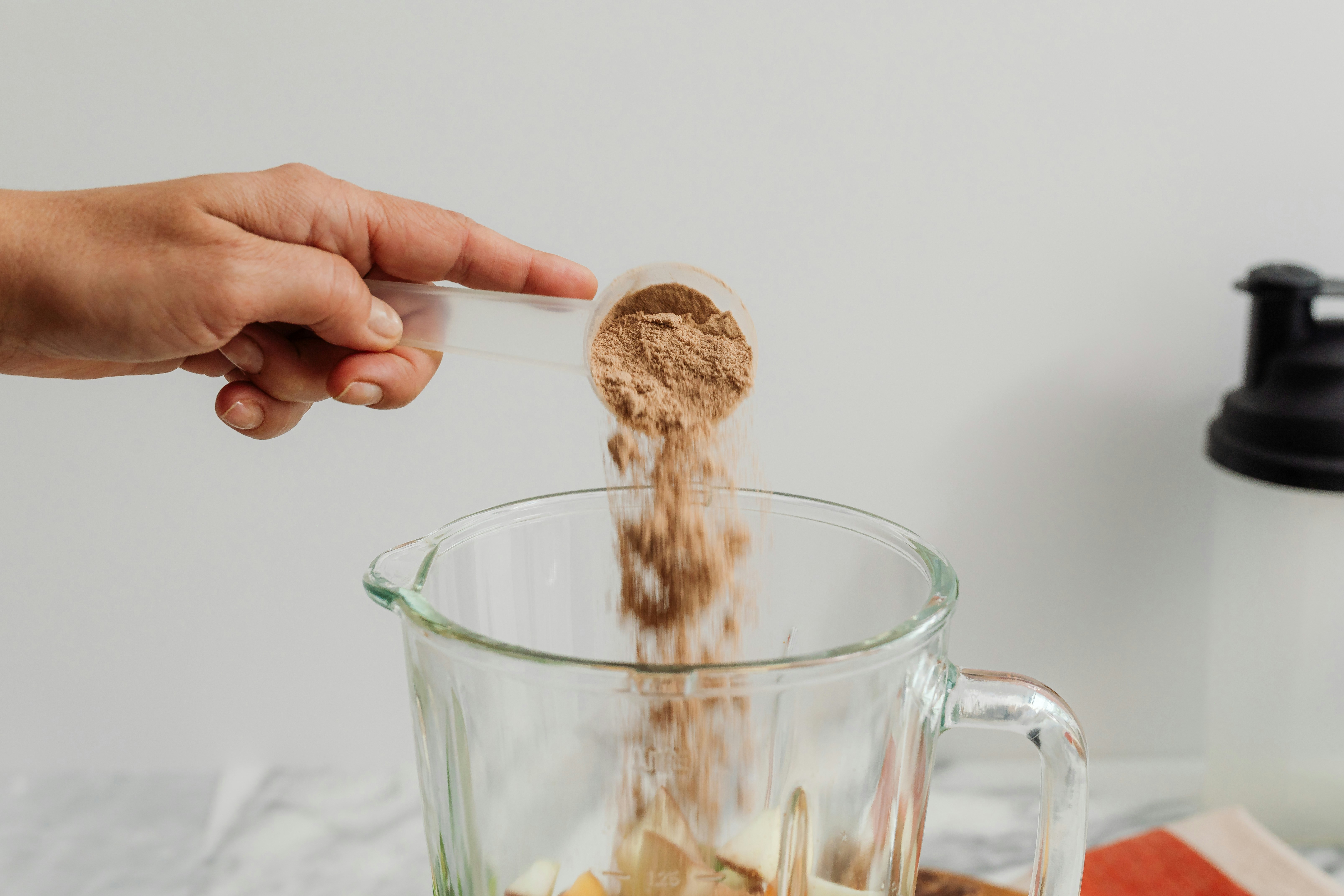
Practical uses: Blend with milk or a milk alternative, add to smoothies, stir into porridge or yogurt, or use in cooking and baking to boost protein content.
Pair with food: Combining protein powder with a carbohydrate and some healthy fat can make a more satisfying and balanced snack or post-workout meal.
Safety considerations
For most healthy adults, protein powder is safe and there are no major side effects from typical daily use; there’s no need to be fearful of having one scoop daily. However, if you have a medical condition such as advanced kidney disease, discuss protein intake with your healthcare professional before increasing intake.
Watch total daily protein and calories. Powdered protein is a concentrated source—count it toward your overall intake.
If you’re lactose-intolerant, some whey isolates contain very little lactose and may be tolerated better than whey concentrates, but plant-based options remove the dairy issue entirely.
Taste and tolerance vary—try sample sizes when possible before committing to a large container.
Quick, practical checklist
Choose whey if you have no dairy or vegan restrictions and want a smooth, well-absorbed option.
Choose a plant-based blend (soy, pea+rice, or multi-plant formulas) if you’re vegan or avoid dairy; ensure the product supplies all essential amino acids.
Look for ≥20 g protein per serving and 0 g added sugar.
Start with 1–2 scoops daily based on your goals and spread protein across the day.
Use powders to complement—a protein-rich whole-food diet remains the foundation.
Conclusion
Protein powders are a safe, convenient way to help meet protein goals that support muscle, bone and metabolic health. Whey is a solid first choice for those without dairy restrictions; plant-based blends are effective alternatives for vegans or those avoiding lactose. Focus on protein content, minimal added sugars, and whether the powder provides a complete amino-acid profile. Use 1–2 scoops per day as needed, but remember supplements complement—not replace—a varied, protein-rich diet.
Join Mito Health’s annual membership to test 100+ biomarkers with concierge-level support from your care team.
Mito Health: Helping you live healthier, longer.
In-depth bloodwork & holistic health advice, backed by the latest longevity science. Only $399.
Animal or Plant? Choosing the Right Protein for Your Body
Protein supplements are often compared based on source and digestion. Explore the difference between whey and plant-based protein and how to think about protein intake in context.
Written by
Mito Team
Why protein supplements matter
Protein is a cornerstone nutrient for body composition, muscle and bone health, metabolic function and weight management. Meeting daily protein needs helps preserve and build lean muscle, supports strength and functional ability, improves feelings of fullness after meals, and can help with a healthier body-fat and cholesterol profile. For many people, whole foods should be the primary source of protein, but powdered protein supplements are a convenient, reliable tool to help you hit intake targets—especially around workouts, busy days, or when appetite is low.
Types of protein powders
Whey protein: Derived from dairy, whey contains a broad and easily absorbed mix of amino acids, including the essential ones your body cannot make. Whey powders are the most researched and generally mix and taste well. They are a sensible first choice for people without dairy allergy, strict vegan diets, or lactose intolerance.
Plant-based proteins: Common forms include soy, pea, rice and blended formulas. Plant proteins can be excellent options for vegans or those avoiding dairy. Individual plant proteins sometimes have incomplete amino-acid profiles on their own, so choose blends or formulations explicitly designed to supply all essential amino acids. Soy protein tends to mix best in water; pea and rice proteins can be slightly grittier and may mix less smoothly.
Other options: If you have specific dietary constraints (allergies, intolerances), there are many single-ingredient and hypoallergenic powders available; check labels carefully.
How to choose a good protein powder
Aim for at least 20 grams of protein per serving. This is a practical amount for supporting muscle protein synthesis and satiety.
Prefer powders with 0 grams of added sugar. Many flavored products use sweeteners or sugar to improve taste—watch the label if you’re trying to limit added sugars.
Check the ingredient list. Short ingredient lists with recognizable components are preferable. For plant-based powders, look for blends or statements that the product provides all essential amino acids.
Consider flavor, texture and mixability. Whey often mixes and tastes better straight in water; plant blends can be improved by mixing into smoothies, milk alternatives, or recipes.
Note allergens and certifications you care about (vegan, organic, third-party testing) and confirm serving size—the scoop listed by the manufacturer determines the grams of protein per serving.
How to use protein powder effectively
Daily amount: Start with 1–2 scoops per day depending on your overall protein targets. One scoop (around 20–25 g of protein in many products) is a useful baseline; two scoops can be appropriate if your goals or calorie needs are higher.
Timing: There’s no single perfect timing. Distributing protein evenly across meals helps support muscle maintenance. Many people like one serving after resistance exercise and another at a main meal or as a snack.
Practical uses: Blend with milk or a milk alternative, add to smoothies, stir into porridge or yogurt, or use in cooking and baking to boost protein content.
Pair with food: Combining protein powder with a carbohydrate and some healthy fat can make a more satisfying and balanced snack or post-workout meal.
Safety considerations
For most healthy adults, protein powder is safe and there are no major side effects from typical daily use; there’s no need to be fearful of having one scoop daily. However, if you have a medical condition such as advanced kidney disease, discuss protein intake with your healthcare professional before increasing intake.
Watch total daily protein and calories. Powdered protein is a concentrated source—count it toward your overall intake.
If you’re lactose-intolerant, some whey isolates contain very little lactose and may be tolerated better than whey concentrates, but plant-based options remove the dairy issue entirely.
Taste and tolerance vary—try sample sizes when possible before committing to a large container.
Quick, practical checklist
Choose whey if you have no dairy or vegan restrictions and want a smooth, well-absorbed option.
Choose a plant-based blend (soy, pea+rice, or multi-plant formulas) if you’re vegan or avoid dairy; ensure the product supplies all essential amino acids.
Look for ≥20 g protein per serving and 0 g added sugar.
Start with 1–2 scoops daily based on your goals and spread protein across the day.
Use powders to complement—a protein-rich whole-food diet remains the foundation.
Conclusion
Protein powders are a safe, convenient way to help meet protein goals that support muscle, bone and metabolic health. Whey is a solid first choice for those without dairy restrictions; plant-based blends are effective alternatives for vegans or those avoiding lactose. Focus on protein content, minimal added sugars, and whether the powder provides a complete amino-acid profile. Use 1–2 scoops per day as needed, but remember supplements complement—not replace—a varied, protein-rich diet.
Join Mito Health’s annual membership to test 100+ biomarkers with concierge-level support from your care team.
Mito Health: Helping you live healthier, longer.
In-depth bloodwork & holistic health advice, backed by the latest longevity science. Only $399.
Animal or Plant? Choosing the Right Protein for Your Body
Protein supplements are often compared based on source and digestion. Explore the difference between whey and plant-based protein and how to think about protein intake in context.
Written by
Mito Team
Why protein supplements matter
Protein is a cornerstone nutrient for body composition, muscle and bone health, metabolic function and weight management. Meeting daily protein needs helps preserve and build lean muscle, supports strength and functional ability, improves feelings of fullness after meals, and can help with a healthier body-fat and cholesterol profile. For many people, whole foods should be the primary source of protein, but powdered protein supplements are a convenient, reliable tool to help you hit intake targets—especially around workouts, busy days, or when appetite is low.
Types of protein powders
Whey protein: Derived from dairy, whey contains a broad and easily absorbed mix of amino acids, including the essential ones your body cannot make. Whey powders are the most researched and generally mix and taste well. They are a sensible first choice for people without dairy allergy, strict vegan diets, or lactose intolerance.
Plant-based proteins: Common forms include soy, pea, rice and blended formulas. Plant proteins can be excellent options for vegans or those avoiding dairy. Individual plant proteins sometimes have incomplete amino-acid profiles on their own, so choose blends or formulations explicitly designed to supply all essential amino acids. Soy protein tends to mix best in water; pea and rice proteins can be slightly grittier and may mix less smoothly.
Other options: If you have specific dietary constraints (allergies, intolerances), there are many single-ingredient and hypoallergenic powders available; check labels carefully.
How to choose a good protein powder
Aim for at least 20 grams of protein per serving. This is a practical amount for supporting muscle protein synthesis and satiety.
Prefer powders with 0 grams of added sugar. Many flavored products use sweeteners or sugar to improve taste—watch the label if you’re trying to limit added sugars.
Check the ingredient list. Short ingredient lists with recognizable components are preferable. For plant-based powders, look for blends or statements that the product provides all essential amino acids.
Consider flavor, texture and mixability. Whey often mixes and tastes better straight in water; plant blends can be improved by mixing into smoothies, milk alternatives, or recipes.
Note allergens and certifications you care about (vegan, organic, third-party testing) and confirm serving size—the scoop listed by the manufacturer determines the grams of protein per serving.
How to use protein powder effectively
Daily amount: Start with 1–2 scoops per day depending on your overall protein targets. One scoop (around 20–25 g of protein in many products) is a useful baseline; two scoops can be appropriate if your goals or calorie needs are higher.
Timing: There’s no single perfect timing. Distributing protein evenly across meals helps support muscle maintenance. Many people like one serving after resistance exercise and another at a main meal or as a snack.
Practical uses: Blend with milk or a milk alternative, add to smoothies, stir into porridge or yogurt, or use in cooking and baking to boost protein content.
Pair with food: Combining protein powder with a carbohydrate and some healthy fat can make a more satisfying and balanced snack or post-workout meal.
Safety considerations
For most healthy adults, protein powder is safe and there are no major side effects from typical daily use; there’s no need to be fearful of having one scoop daily. However, if you have a medical condition such as advanced kidney disease, discuss protein intake with your healthcare professional before increasing intake.
Watch total daily protein and calories. Powdered protein is a concentrated source—count it toward your overall intake.
If you’re lactose-intolerant, some whey isolates contain very little lactose and may be tolerated better than whey concentrates, but plant-based options remove the dairy issue entirely.
Taste and tolerance vary—try sample sizes when possible before committing to a large container.
Quick, practical checklist
Choose whey if you have no dairy or vegan restrictions and want a smooth, well-absorbed option.
Choose a plant-based blend (soy, pea+rice, or multi-plant formulas) if you’re vegan or avoid dairy; ensure the product supplies all essential amino acids.
Look for ≥20 g protein per serving and 0 g added sugar.
Start with 1–2 scoops daily based on your goals and spread protein across the day.
Use powders to complement—a protein-rich whole-food diet remains the foundation.
Conclusion
Protein powders are a safe, convenient way to help meet protein goals that support muscle, bone and metabolic health. Whey is a solid first choice for those without dairy restrictions; plant-based blends are effective alternatives for vegans or those avoiding lactose. Focus on protein content, minimal added sugars, and whether the powder provides a complete amino-acid profile. Use 1–2 scoops per day as needed, but remember supplements complement—not replace—a varied, protein-rich diet.
Join Mito Health’s annual membership to test 100+ biomarkers with concierge-level support from your care team.
Animal or Plant? Choosing the Right Protein for Your Body
Protein supplements are often compared based on source and digestion. Explore the difference between whey and plant-based protein and how to think about protein intake in context.
Written by
Mito Team
Why protein supplements matter
Protein is a cornerstone nutrient for body composition, muscle and bone health, metabolic function and weight management. Meeting daily protein needs helps preserve and build lean muscle, supports strength and functional ability, improves feelings of fullness after meals, and can help with a healthier body-fat and cholesterol profile. For many people, whole foods should be the primary source of protein, but powdered protein supplements are a convenient, reliable tool to help you hit intake targets—especially around workouts, busy days, or when appetite is low.
Types of protein powders
Whey protein: Derived from dairy, whey contains a broad and easily absorbed mix of amino acids, including the essential ones your body cannot make. Whey powders are the most researched and generally mix and taste well. They are a sensible first choice for people without dairy allergy, strict vegan diets, or lactose intolerance.
Plant-based proteins: Common forms include soy, pea, rice and blended formulas. Plant proteins can be excellent options for vegans or those avoiding dairy. Individual plant proteins sometimes have incomplete amino-acid profiles on their own, so choose blends or formulations explicitly designed to supply all essential amino acids. Soy protein tends to mix best in water; pea and rice proteins can be slightly grittier and may mix less smoothly.
Other options: If you have specific dietary constraints (allergies, intolerances), there are many single-ingredient and hypoallergenic powders available; check labels carefully.
How to choose a good protein powder
Aim for at least 20 grams of protein per serving. This is a practical amount for supporting muscle protein synthesis and satiety.
Prefer powders with 0 grams of added sugar. Many flavored products use sweeteners or sugar to improve taste—watch the label if you’re trying to limit added sugars.
Check the ingredient list. Short ingredient lists with recognizable components are preferable. For plant-based powders, look for blends or statements that the product provides all essential amino acids.
Consider flavor, texture and mixability. Whey often mixes and tastes better straight in water; plant blends can be improved by mixing into smoothies, milk alternatives, or recipes.
Note allergens and certifications you care about (vegan, organic, third-party testing) and confirm serving size—the scoop listed by the manufacturer determines the grams of protein per serving.
How to use protein powder effectively
Daily amount: Start with 1–2 scoops per day depending on your overall protein targets. One scoop (around 20–25 g of protein in many products) is a useful baseline; two scoops can be appropriate if your goals or calorie needs are higher.
Timing: There’s no single perfect timing. Distributing protein evenly across meals helps support muscle maintenance. Many people like one serving after resistance exercise and another at a main meal or as a snack.
Practical uses: Blend with milk or a milk alternative, add to smoothies, stir into porridge or yogurt, or use in cooking and baking to boost protein content.
Pair with food: Combining protein powder with a carbohydrate and some healthy fat can make a more satisfying and balanced snack or post-workout meal.
Safety considerations
For most healthy adults, protein powder is safe and there are no major side effects from typical daily use; there’s no need to be fearful of having one scoop daily. However, if you have a medical condition such as advanced kidney disease, discuss protein intake with your healthcare professional before increasing intake.
Watch total daily protein and calories. Powdered protein is a concentrated source—count it toward your overall intake.
If you’re lactose-intolerant, some whey isolates contain very little lactose and may be tolerated better than whey concentrates, but plant-based options remove the dairy issue entirely.
Taste and tolerance vary—try sample sizes when possible before committing to a large container.
Quick, practical checklist
Choose whey if you have no dairy or vegan restrictions and want a smooth, well-absorbed option.
Choose a plant-based blend (soy, pea+rice, or multi-plant formulas) if you’re vegan or avoid dairy; ensure the product supplies all essential amino acids.
Look for ≥20 g protein per serving and 0 g added sugar.
Start with 1–2 scoops daily based on your goals and spread protein across the day.
Use powders to complement—a protein-rich whole-food diet remains the foundation.
Conclusion
Protein powders are a safe, convenient way to help meet protein goals that support muscle, bone and metabolic health. Whey is a solid first choice for those without dairy restrictions; plant-based blends are effective alternatives for vegans or those avoiding lactose. Focus on protein content, minimal added sugars, and whether the powder provides a complete amino-acid profile. Use 1–2 scoops per day as needed, but remember supplements complement—not replace—a varied, protein-rich diet.
Join Mito Health’s annual membership to test 100+ biomarkers with concierge-level support from your care team.
Mito Health: Helping you live healthier, longer.
In-depth bloodwork & holistic health advice, backed by the latest longevity science. Only $399.
Recently published




What could cost you $15,000? $349 with Mito.
No hidden fees. No subscription traps. Just real care.
What's included
Core Test - Comprehensive lab test covering 100+ biomarkers
Clinician reviewed insights and action plan
1:1 consultation with a real clinician
Upload past lab reports for lifetime tracking
Dedicated 1:1 health coaching
Duo Bundle (For 2)
Most popular
$798
$668
$130 off (17%)
Individual
$399
$349
$50 off (13%)
What could cost you $15,000? $349 with Mito.
No hidden fees. No subscription traps. Just real care.
What's included
Core Test - Comprehensive lab test covering 100+ biomarkers
Clinician reviewed insights and action plan
1:1 consultation with a real clinician
Upload past lab reports for lifetime tracking
Dedicated 1:1 health coaching
Duo Bundle (For 2)
Most popular
$798
$668
$130 off (17%)
Individual
$399
$349
$50 off (13%)
What could cost you $15,000? $349 with Mito.
No hidden fees. No subscription traps. Just real care.
What's included
Core Test - Comprehensive lab test covering 100+ biomarkers
Clinician reviewed insights and action plan
1:1 consultation with a real clinician
Upload past lab reports for lifetime tracking
Dedicated 1:1 health coaching
Duo Bundle (For 2)
Most popular
$798
$668
$130 off (17%)
Individual
$399
$349
$50 off (13%)
What could cost you $15,000? $349 with Mito.
No hidden fees. No subscription traps. Just real care.
Core Test - Comprehensive lab test covering 100+ biomarkers
Clinician reviewed insights and action plan
1:1 consultation with a real clinician
Upload past lab reports for lifetime tracking
Dedicated 1:1 health coaching
What's included
Duo Bundle (For 2)
Most popular
$798
$668
$130 off (17%)
Individual
$399
$349
$50 off (13%)