Crystals in Urine (Urine Crystals): Types and What They Mean
What urine crystals are, the common crystal types on a urinalysis, how urine pH affects them, and when crystals point to kidney stones or infection.
- Published
- August 10, 2024
- Last updated
- November 2, 2026
- Read time
- 3 min read
- Medically reviewed by
-
 Rhonda Collins, FNP-C
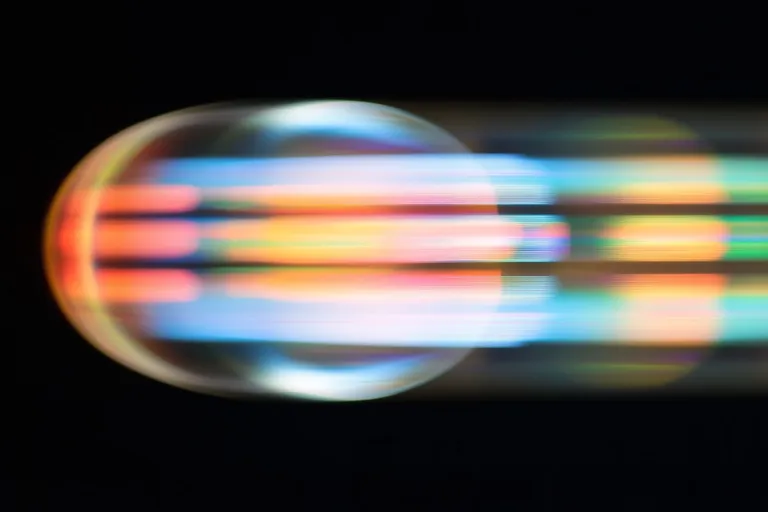
Urine crystals are solid particles that form when substances dissolved in urine come out of solution. Crystals can be seen in the urine of healthy people, and they can also form in a normal sample after it cools, so a crystal finding on its own is often not a concern. Some crystal types, or crystals seen with other findings, are linked to kidney stones or a urinary tract infection [1][2].
How are urine crystals tested?
Crystals are part of the microscopic exam of a urinalysis, in which the lab looks at the urine sample for cells, crystals, casts, mucus, and bacteria [3]. Because crystals can form in normal urine as it cools, only a fresh sample should be checked for them. Some crystal types are easier to identify under polarized light [2]. The report names the crystal type when it can be identified.
What are the common types of urine crystals?
| Crystal type | How it looks | What it is linked to |
|---|---|---|
| Calcium oxalate | Square “envelope” shape of varying size | Can be seen in healthy people [1][2] |
| Uric acid | Yellow to orange-brown, diamond- or barrel-shaped | Can be seen in healthy people [1][2] |
| Triple phosphate (magnesium ammonium phosphate) | Colorless, “coffin lid” shape | May be normal, but often seen with alkaline urine and a urinary tract infection, typically from Proteus bacteria [1] |
| Cystine | Colorless hexagons, in acidic urine | Diagnostic of cystinuria [1] |
How does urine pH affect crystals?
Which crystals form depends partly on how acidic or alkaline the urine is, which the urinalysis reports as urine pH. Phosphate crystals settle out in alkaline urine and are a common reason urine looks cloudy [1]. Cystine crystals are found in acidic urine [1].
Alkaline urine with a urinary tract infection suggests bacteria that split urea, which are linked to triple phosphate crystals and can form large “staghorn” kidney stones [1]. A high urine pH can also come from a diet high in citrate or from a kidney condition called type 1 renal tubular acidosis [2].
Do urine crystals mean kidney stones?
Not on their own. Crystals are common in healthy people’s urine, but they can help diagnose kidney stones when they appear alongside other signs [1][2]. Kidney stones are suspected when crystals are seen together with white blood cells, red blood cells, and severe pain [2]. Talk with your clinician if crystals appear with blood in your urine or severe pain.
Urine crystals testing with Mito
The Urinalysis, Complete Test with Reflex to Urine Culture includes a microscopic exam that reports calcium oxalate, triple phosphate, and uric acid crystals, plus a general crystals result. Check the product page for current pricing and availability.
Related Urine Crystals Resources
References
- Simerville JA, Maxted WC, Pahira JJ. Urinalysis: A Comprehensive Review. Am Fam Physician. 2005
- Hitzeman N, Greer D, Carpio E. Office-Based Urinalysis: A Comprehensive Review. Am Fam Physician. 2022
- MedlinePlus Medical Encyclopedia: Urinalysis
Kidney and urinary health tests
Cystatin C with Estimated Glomerular Filtration Rate (eGFR) Blood Test
A kidney filtration marker that stays accurate when muscle mass throws off creatinine.
Comprehensive Metabolic Panel (CMP)
A 14-marker snapshot of kidney function, liver function, electrolytes, and blood sugar in one draw.